Description
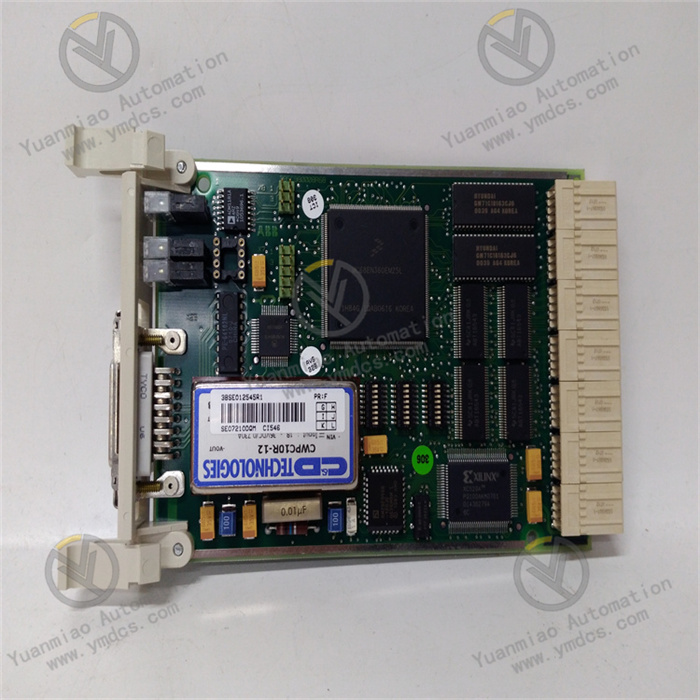
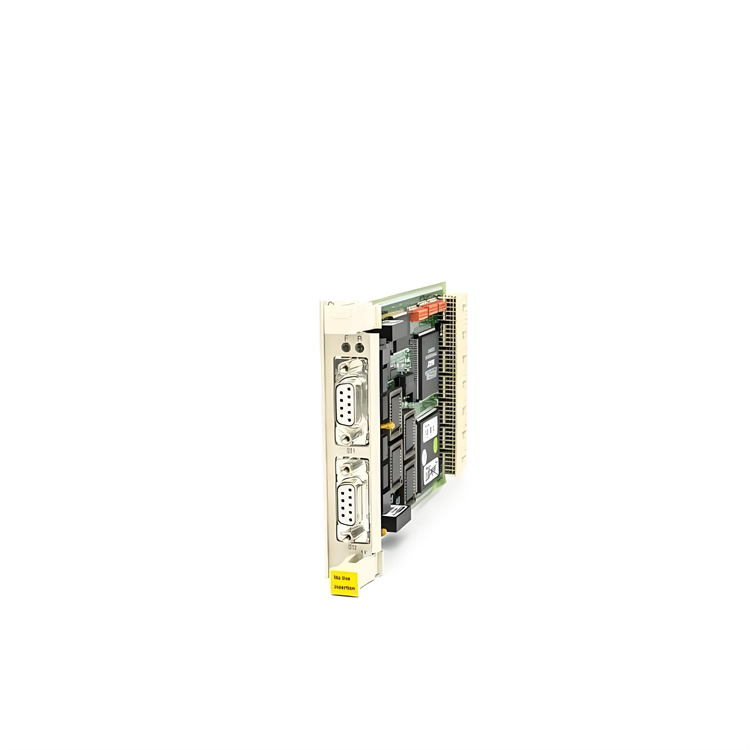
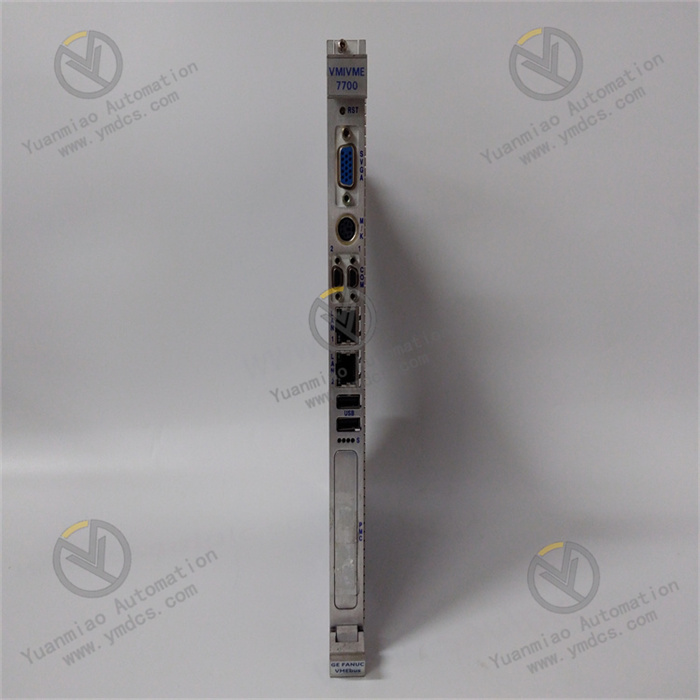
Abaco Systems VMIVME-7750-74000
I. Overview
The Abaco Systems VMIVME-7750-74000 is a high-performance VME bus embedded computing module. Designed specifically for requirements of high reliability, strong real-time performance, and harsh environment adaptability, this product is compatible with various VME bus standard chassis. It is widely used in critical fields such as fighter aircraft avionics systems, shipborne radar signal processing, missile guidance and control systems, and embedded control of large industrial equipment. Relying on its outstanding computing performance and environmental adaptability, it has become a core processing unit in embedded heterogeneous computing systems.
With the core value proposition of "high-performance heterogeneous computing, high-reliability redundant design, wide-range environmental adaptability, and in-depth bus compatibility", the module is equipped with a multi-core high-performance processor and a dedicated coprocessor unit, constructing a heterogeneous computing architecture of "main processor + coprocessor". This architecture can efficiently undertake complex algorithm operations and multi-task real-time scheduling. In terms of core performance, it adopts a high-performance multi-core processor (specific models can be selected according to configuration, typically high-end embedded processors of Intel or Power architecture), with a maximum main frequency of up to 2.4GHz, supporting multi-threaded parallel processing, and the computing performance of a single module can reach more than 50GFLOPS. It is equipped with large-capacity on-board memory and high-speed cache, with a maximum memory capacity of 32GB DDR4 ECC SDRAM and a cache capacity of ≥12MB, ensuring high-speed data access and computing efficiency. It supports a variety of high-speed storage media, including SATA SSD (up to 1TB) and optional NVMe SSD, meeting the local storage needs of massive data. It integrates rich I/O interfaces and communication modules, covering Gigabit Ethernet, RS-422/485, CANopen, PCIe expansion interfaces, etc., adapting to multi-device interconnection and data interaction scenarios. Adopting the VME64x bus standard, it is compatible with traditional VME bus specifications such as VME320, supporting 32-bit/64-bit address and data buses, with a maximum bus transmission rate of up to 320MB/s. It has complete redundant design and fault diagnosis functions, including power redundancy, fan redundancy, memory ECC check, bus fault isolation, etc., ensuring stable operation under extreme working conditions. Having passed military-grade environmental adaptability tests, it can work for a long time in environments with a wide temperature range of -40℃~85℃, strong vibration, high impact, and strong electromagnetic interference.
The VMIVME-7750-74000 has achieved leapfrog improvements in core performance and reliability: the processor performance has increased by more than 40%, and the multi-core parallel processing capability has been significantly enhanced, enabling it to adapt to more complex signal processing and control algorithms; the memory capacity has been expanded from 16GB to 32GB, supporting real-time operations of larger-scale data sets; a new optional NVMe SSD high-speed storage has been added, with storage read-write speed increased by more than 3 times, meeting the needs of high-frequency data access; the performance of the VME bus interface has been strengthened, with the bus transmission rate increased from 200MB/s to 320MB/s, reducing the bus data interaction delay; the heat dissipation structure and redundant design have been optimized, with an independent temperature monitoring unit and intelligent fan speed control function added, and the wide-temperature operating range expanded from -20℃~70℃ to -40℃~85℃; the electromagnetic compatibility performance has been enhanced, passing the MIL-STD-461G military-grade electromagnetic compatibility test, adapting to more harsh electromagnetic environments.
II. Technical Specifications
III. Functional Features
1. Multi-core Heterogeneous Computing Architecture for Undertaking Complex Real-time Tasks
The VMIVME-7750-74000 adopts a heterogeneous computing architecture of "high-performance main processor + dedicated coprocessor", which is its core advantage in dealing with complex embedded scenarios. The main processor is selected from Intel Xeon D-2100 series or PowerPC e6500 series multi-core processors. The 8-core/12-core design supports multi-threaded parallel processing, with a maximum main frequency of up to 2.4GHz. The floating-point computing capacity of a single module exceeds 50GFLOPS, which can simultaneously schedule multiple types of tasks such as real-time control, data processing, and communication management, with a task scheduling delay as low as within 10μs. For example, in a fighter aircraft avionics system, the main processor can simultaneously run tasks such as flight attitude control algorithms, radar data reception and processing, and cockpit display control. Through the priority scheduling mechanism of the real-time operating system, the response time of critical control tasks is ensured to be ≤50μs.
2. In-depth Compatibility with VME64x Bus for Legacy System Upgrades
The module strictly complies with the VME64x bus standard and is backward compatible with traditional VME bus specifications such as VME320 and VMEbus Rev. C, making it an ideal choice for upgrading and transforming old VME systems. The VME64x bus supports 64-bit address and data buses, with the bus frequency increased to 80MHz and the transmission rate reaching 320MB/s, which is 8 times higher than that of the traditional 32-bit VME bus (transmission rate ≤40MB/s), greatly reducing the bus data interaction delay. In a shipborne radar control system, multiple VMIVME-7750-74000 modules form a distributed computing system through the VME bus. Radar signal data is transmitted between modules via the bus, and the transmission rate of 320MB/s ensures real-time sharing of massive data, avoiding signal processing delays caused by traditional bus bottlenecks.
3. Full-link Redundant Design for Ensuring Reliable Operation Under Extreme Working Conditions
In response to the "zero fault" requirement in critical fields, the VMIVME-7750-74000 has built a full-link redundant fault-tolerant system covering power supply, heat dissipation, memory, bus, and storage. In terms of power supply, it supports dual-channel VME standard power supply (+5V, +12V) input. The built-in power management unit can real-time monitor the voltage and current status of the two power supplies. When the main power supply has overvoltage, undervoltage, or power failure, it can automatically switch to the backup power supply within 100μs, with no data loss or task interruption during the switching process. In terms of heat dissipation, it adopts a dual-fan hot redundancy design. The fan speed can be intelligently adjusted according to the module temperature (2000rpm at 30℃, 4500rpm at 85℃). When a single fan fails, the backup fan automatically speeds up to full load operation to ensure that the module temperature does not exceed the threshold. The memory adopts DDR4 ECC SDRAM, which can automatically correct single-bit errors and detect double-bit errors, avoiding calculation abnormalities caused by memory data errors.
The redundant design at the bus and storage levels further improves system reliability: the VME bus supports the faulty node isolation function. When the module detects a fault in its own bus interface, it will automatically exit the bus arbitration to avoid affecting the communication of the entire bus system; in terms of storage, optional RAID 1/5 arrays are available. In RAID 1 mode, two SSDs perform real-time mirroring, and when a single hard disk fails, it can immediately switch to the backup hard disk, with a data recovery time ≤1s; in RAID 5 mode, multi-hard disk fault tolerance is supported, and when a single hard disk fails, data is reconstructed through parity check to ensure data integrity. In a missile guidance and control system, the full-link redundant design enables the module to operate continuously for 1000 hours without failure in an extreme environment of -40℃ low temperature and 15g vibration, with a system reliability of 99.999%, fully meeting the strict requirements of military equipment.
4. Wide-range Environmental Adaptability for Adapting to Harsh Working Conditions in Multiple Scenarios
Through structural optimization, material upgrading, and process improvement, the module has excellent wide-range environmental adaptability and can cope with harsh working conditions such as high temperature, low temperature, high vibration, high impact, and strong electromagnetic interference. In terms of temperature adaptation, it adopts industrial-grade components and wide-temperature packaging technology, with an operating temperature range covering -40℃~85℃. When starting at a low temperature of -40℃, the built-in preheating circuit can quickly raise the processor temperature to above 0℃, ensuring a 100% startup success rate; in a high-temperature environment of 85℃, through the optimized heat dissipation fins and intelligent fan speed control, the processor temperature can be controlled within 75℃, avoiding performance frequency reduction caused by high temperature.