Description
ABB SNAT0205BDB
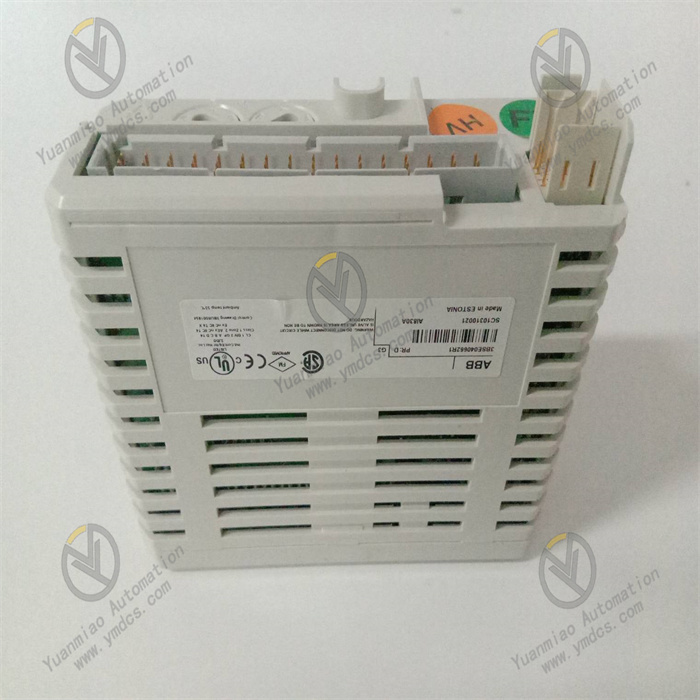
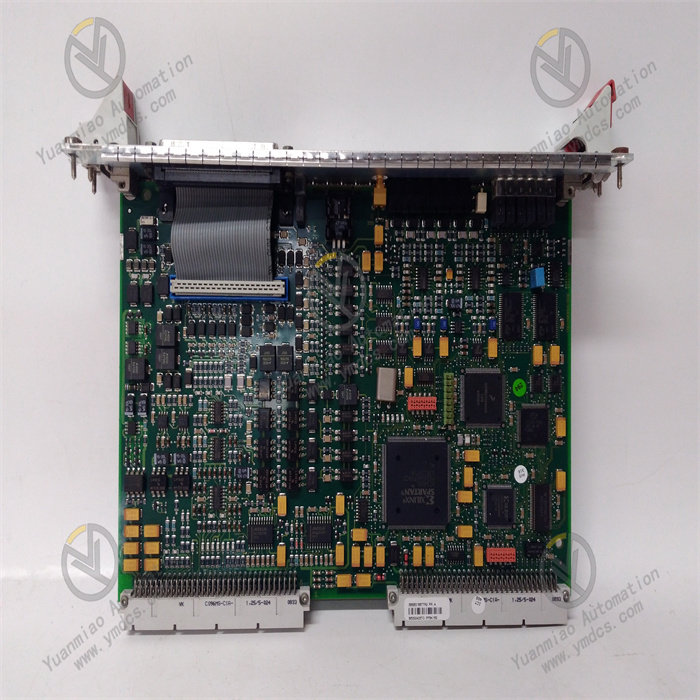
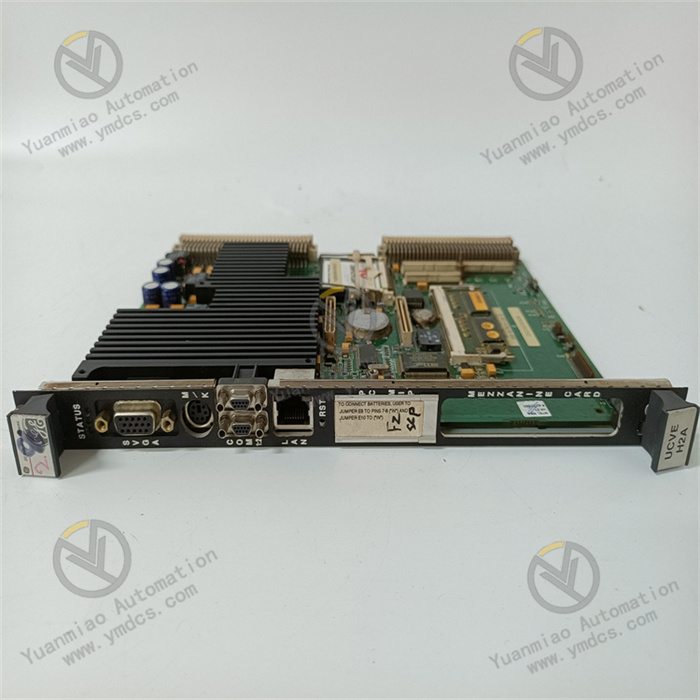
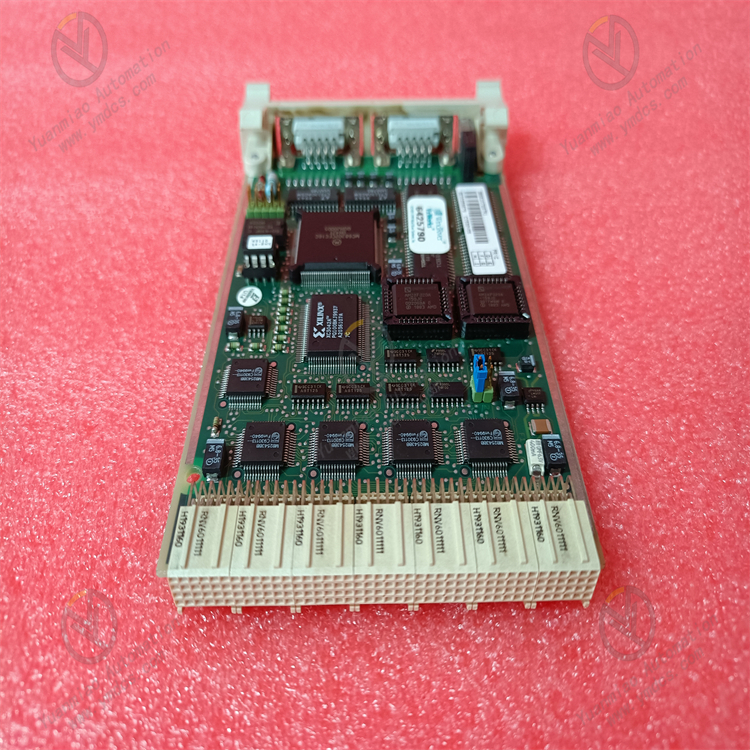
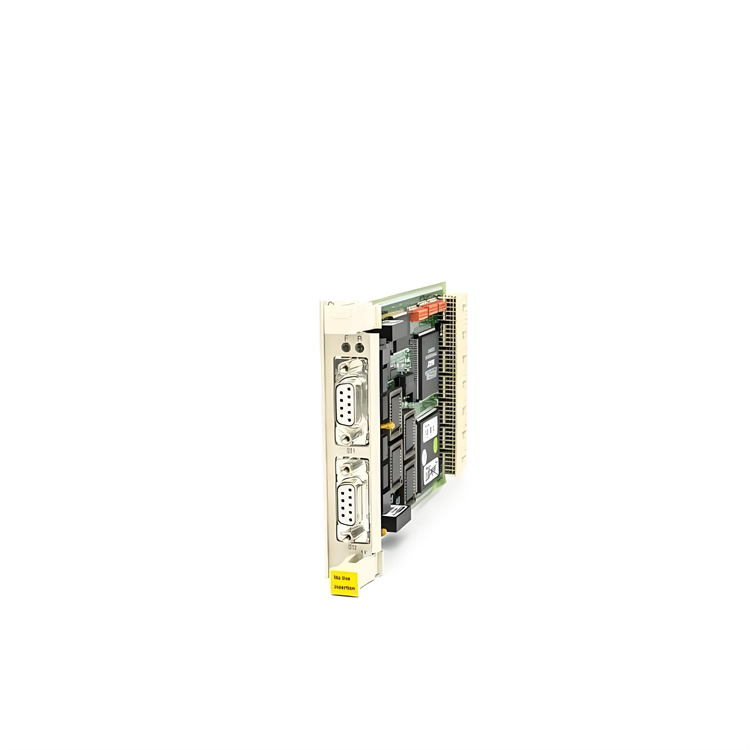
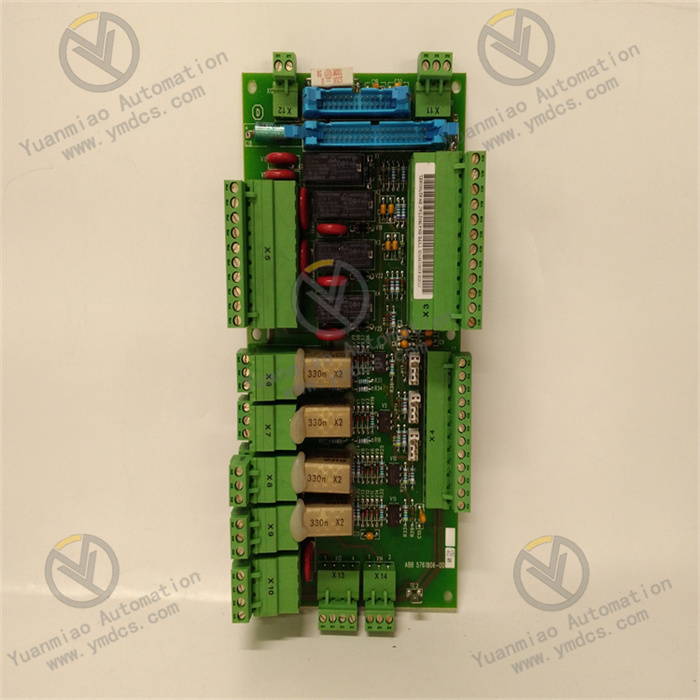
ABB SNAT0205BDB is an original module designed by ABB specifically for industrial automation signal processing and control. It belongs to the core product line of the SNAT series and is mainly compatible with ABB AC 500 series programmable controllers, distributed input/output systems and various industrial automation control scenarios. It integrates core functions such as digital/analog signal conversion, signal isolation, logic control and multi-protocol communication, and is a key supporting component for realizing stable signal transmission and equipment coordinated linkage in industrial automation systems. This module adopts an industrial-grade reinforced design, integrates high-quality components and advanced signal processing technology, has excellent anti-electromagnetic interference capabilities and environmental adaptability, and strictly follows industrial installation specifications. It can seamlessly connect with various industrial sensors, actuators, contactors and third-party automation equipment. It is widely used in process industry, discrete manufacturing, power auxiliary, water treatment and other fields, providing reliable support for signal conditioning and equipment control in industrial production processes, ensuring stable, efficient and safe operation of the system, and meeting the core needs of modern industrial automation for modularization, intelligence and high reliability.
I. Functions and Technical Advantages
1. Core Functions
- Signal Conversion and Isolation: Supports two-way conversion of digital and analog signals. It can convert analog signals (4-20mA, 0-10V) output by industrial sensors (such as temperature and pressure sensors) into digital signals for transmission to the controller, and at the same time convert digital control signals output by the controller into analog signals to drive actuators. It has a built-in dual-channel signal isolation design, which can effectively resist strong electromagnetic interference on industrial sites, ensure the purity and stability of signal transmission, avoid control abnormalities caused by signal interference, and guarantee measurement accuracy and control reliability.
- Precise Logic Control: Equipped with basic logic control functions, it can realize control tasks such as equipment start-stop, mode switching and fault linkage, support custom control logic configuration, and adapt to control needs of different industrial scenarios; integrate signal threshold detection function, which can quickly identify and feed back abnormal signals, link protection mechanisms, avoid equipment damage caused by signal abnormalities, and improve system operation safety.
- Multi-Protocol Communication Adaptation: Supports mainstream industrial communication protocols such as Modbus RTU and RS-485, can seamlessly connect with ABB AC 500 series controllers, industrial monitoring hosts and third-party automation equipment, realize two-way high-speed transmission of control signals and operating data, and ensure the coordinated linkage of the entire automation system; the communication interface adopts anti-loosening design to ensure the stability of the communication link and adapt to the complex wiring environment of industrial sites.
- Fault Diagnosis and Convenient Maintenance: Built-in simple fault diagnosis module, which can real-time monitor the module's own operation status, signal transmission status and interface connection status, quickly locate problems such as signal abnormalities, communication interruptions and power failures, and feed back fault information through indicator lights for engineers to quickly troubleshoot; the modular structure design separates on-site wiring from the core signal processing part, so that replacing faulty components does not require changing on-site wiring, greatly shortening fault repair time and maintenance costs, and supporting hot-swap maintenance to reduce system downtime.
2. Key Advantages
- Genuine Original Adaptation: Designed and manufactured by ABB, strictly following the technical specifications and installation standards of industrial automation equipment, 100% compatible with ABB AC 500 series controllers and distributed input/output systems, and also compatible with various mainstream industrial contactors, sensors and actuators. With precise dimensions, the interface and protocol are fully compatible, eliminating the compatibility risks of third-party modules, ensuring the stability and reliability of system operation, and can be used as original spare parts for ABB automation systems.
- Industrial-grade Durable Performance: Adopts high-quality industrial-grade components and flame-retardant reinforced housing, with excellent anti-electromagnetic interference, anti-temperature fluctuation and anti-vibration capabilities, adapts to a wide temperature working environment of -25℃~+70℃, and can stably cope with complex working conditions such as high and low temperature alternation, dust and humidity on industrial sites. The protection level reaches IP20, which must be installed in a control cabinet of IP54 or higher, complying with industrial safety standards, with a long trouble-free operation cycle, and passing relevant certifications such as CE and UL to ensure long-term stable operation of the equipment.
- Convenient Operation and Flexible Expansion: The operation logic is simple, supporting custom parameter configuration, online debugging and parameter backup, without complex programming operations, reducing on-site debugging difficulty and labor costs; the modular structure design supports flexible expansion of distributed control systems, the high-density terminal block design saves cabinet space, optimizes cabinet wiring, adapts to the deployment needs of automation systems of different scales, and can flexibly increase or decrease the number of modules according to on-site needs to improve system scalability.
- Strong Versatility and Safety: It is not only compatible with ABB's own automation systems, but also with various third-party industrial equipment, adapting to various application scenarios such as process industry, discrete manufacturing and power auxiliary, with strong versatility; built-in overcurrent, overvoltage and reverse connection protection functions, which can effectively protect the module and connected equipment from damage. During wiring, strictly follow the insulation protection specifications to avoid safety hazards such as short circuits and poor contact, ensuring the safety of equipment and operators.
II. Technical Specifications
Category | Item | Value |
|---|---|---|
Basic Specifications | Model | SNAT0205BDB |
Product Type | Industrial Automation Signal Processing and Control Module | |
Compatible Systems | ABB AC 500 Series Controllers, Distributed Input/Output Systems | |
Core Purpose | Signal conversion and isolation, logic control, communication linkage, fault diagnosis | |
Environmental & Mechanical | Operating Temperature | -25℃~+70℃ (adapts to complex industrial on-site environments) |
Protection Degree | IP20 (module itself, must be installed in IP54 or higher control cabinet) | |
Dimension & Weight | Standard industrial module dimension: 110×75×22mm; Weight: 0.4kg (suitable for control cabinet installation) | |
Communication & Power Supply | Communication Protocol | Modbus RTU, RS-485 |
Power Input | 24VDC (wide voltage adaptation, fluctuation range ±10%) | |
Communication Interface | RS-485, terminal interface (anti-loosening design) | |
Power Consumption | 12W | |
Control & Signal | Signal Type | Supports two-way conversion of analog signals (4-20mA, 0-10V) and digital signals |
Signal Interface | 8 input signals, 4 output signals, supporting sensor and actuator access |
III. Application Areas
- Process Industry Signal Processing: Applied in process industry fields such as petrochemical, metallurgy and pharmaceuticals, responsible for the conversion and isolation of temperature, pressure, flow and other sensor signals, converting analog signals into digital signals for transmission to the controller, and converting control signals of the controller into analog signals to drive actuators, ensuring precise collection and regulation of process parameters, and adapting to signal processing needs in complex industrial environments.
- Discrete Manufacturing Equipment Control: Used in production lines of discrete manufacturing industries such as mechanical processing, electronic assembly and food and beverage, realizing logic control such as start-stop and speed regulation of various equipment (such as conveyors, manipulators, small motors), linking sensors and actuators, ensuring continuous and stable operation of the production line, improving production efficiency and product quality, and adapting to the modular configuration needs of automated production lines.
- Power Auxiliary System: Compatible with auxiliary automation systems of power plants and substations, responsible for signal conditioning and control of auxiliary equipment (such as fans, pumps, valves), realizing remote monitoring and linkage of equipment, ensuring stable operation of the power auxiliary system, and participating in signal collection and fault feedback to improve the operation and maintenance efficiency of the power system, in line with power industry automation specifications.
- General Industry and Infrastructure: Suitable for infrastructure fields such as water treatment, urban pipe networks and mine auxiliary, responsible for signal processing and equipment control of various sensors, adapting to harsh industrial environments and having strong environmental adaptability; at the same time, it can be used as an upgrade component for old automation systems, improving the signal processing capability and control accuracy of the system, reducing transformation costs, and adapting to system upgrade needs.
- Equipment Maintenance and Spare Part Replacement: As an original spare part for ABB AC 500 series controllers and related automation systems, it is used for quick replacement when the module fails, solving problems such as abnormal signal conversion and communication interruption, without re-wiring and complex configuration, quickly restoring normal system operation, reducing downtime losses, and in line with industrial equipment maintenance specifications.