Description
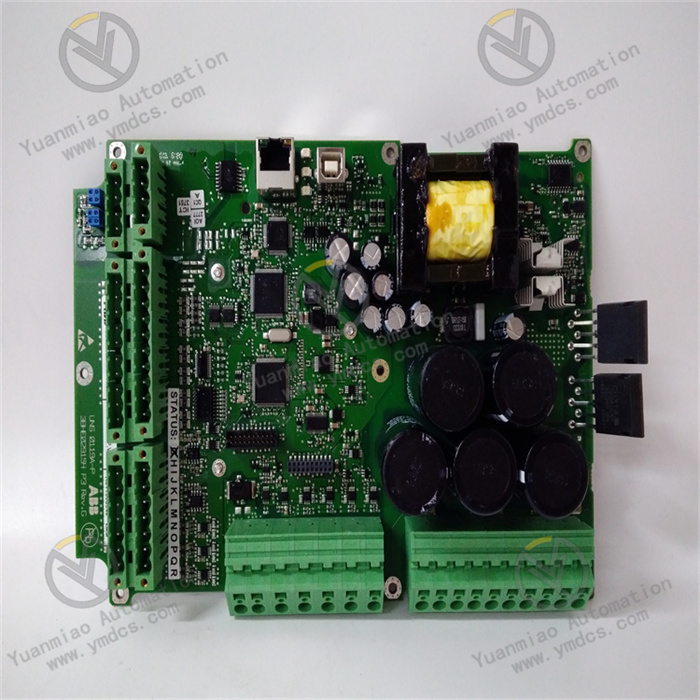
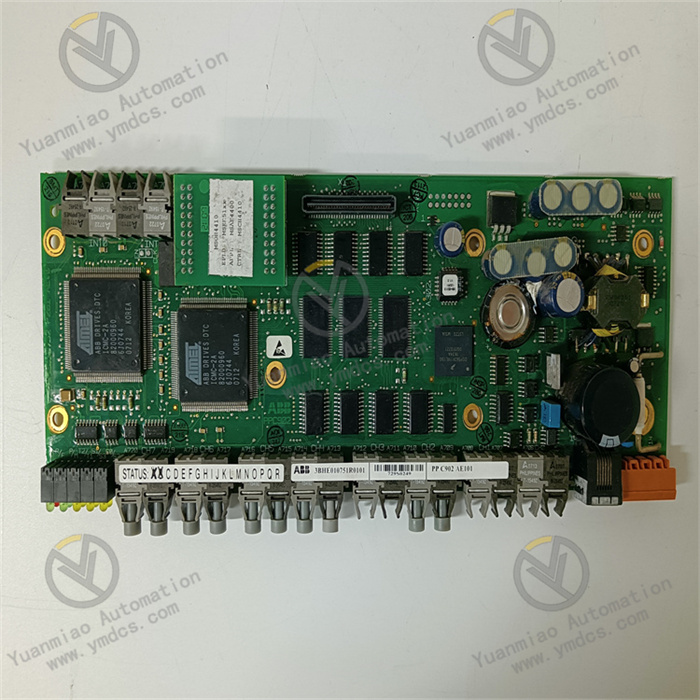
ABB BCU-12 3AUA0000110430
I. Overview
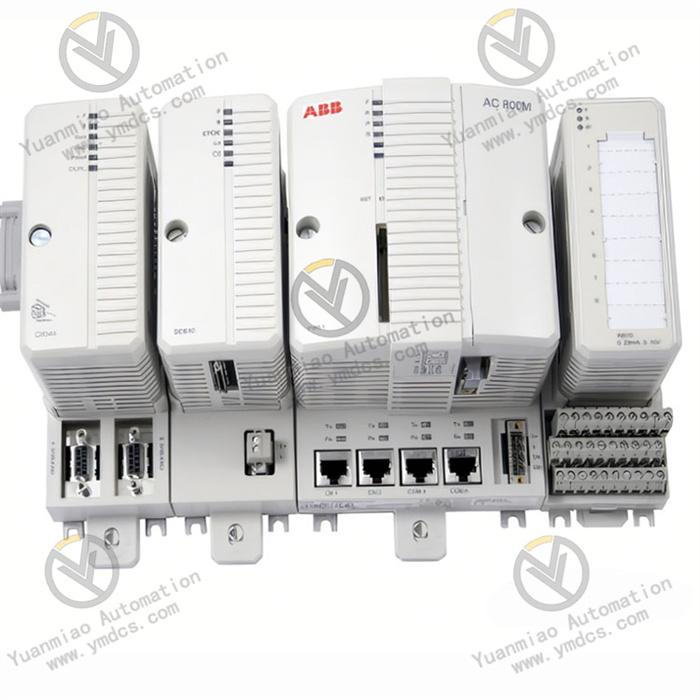
ABB BCU-12 3AUA0000110430 is a bus coupling unit, with its core positioning as a "multi-protocol bus interconnection and signal conversion hub", belonging to ABB's industrial control bus expansion product line. Designed specifically for scenarios such as building automation, industrial automation and intelligent power distribution, this unit's core functions are to realize bidirectional data conversion, isolated signal transmission and bus network expansion between different bus protocols. It can seamlessly connect mainstream industrial buses including PROFIBUS, Modbus and BACnet, solving the compatibility problem of multi-protocol device interconnection. Meanwhile, it has the functions of signal amplification and interference suppression, which can extend bus transmission distance and expand the number of network nodes. It is a core component for building distributed control networks and ensuring the collaborative operation of cross-protocol devices.
II. Core Features
Multi-protocol Bidirectional Conversion and Interconnection: Natively supporting mainstream industrial and building bus protocols such as PROFIBUS DP/PA, Modbus RTU/TCP and BACnet MS/TP, it can realize transparent bidirectional data conversion between different protocols. It enables interconnection and intercommunication of cross-protocol devices without modifying upper computer programs, adapting to the integration requirements of heterogeneous bus networks.
Bus Expansion and Signal Enhancement: With bus signal amplification and driving capabilities, it can effectively extend the bus transmission distance (up to 1200 meters depending on the protocol) and support multi-node expansion (connecting up to 32 slave devices at most). It solves the problems of limited bus transmission distance and insufficient number of nodes, facilitating the construction of distributed control networks.
Enhanced Isolation and Anti-interference Design: Built-in bus signal isolation circuit with insulation strength ≥500VAC, it can effectively block ground loop interference and transient voltage impact, ensuring the stability of bus data transmission. Equipped with surge suppression and overcurrent protection components, it avoids damage to the unit and associated equipment caused by bus short circuit or abnormal voltage, improving operational reliability.
Industrial-grade Environmental Adaptability: Adopting high-stability electronic components and sealed shell design, it has an operating temperature range of -10℃~60℃, a storage temperature range of -25℃~70℃, and is suitable for environments with relative humidity of 5%~95% (non-condensing). It can adapt to complex working conditions such as industrial workshops and building computer rooms, meeting the requirements of 24-hour continuous operation.
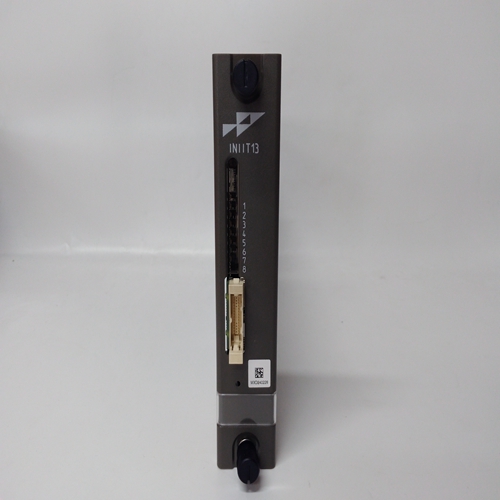
- Convenient Operation & Maintenance and Status Monitoring: The front panel is equipped with LED indicators for power supply, operation, communication and fault status, which intuitively feedback the unit's working status and abnormal types, facilitating quick on-site troubleshooting. It supports remote monitoring of bus operation status and data flow through configuration software. The modular design simplifies installation and replacement operations, reducing operation and maintenance difficulty.
III. Technical Parameters
| Parameter Name | Specification |
|---|---|
| Product Model | ABB BCU-12 3AUA0000110430 |
| Product Type | Industrial-grade Bus Coupling Unit (Multi-protocol Conversion, Bus Expansion) |
| Product Attribute | Modular structure, DIN rail mounting, industrial-grade anti-interference, multi-protocol adaptation |
| Power Supply Parameters | Operating Voltage: 24VDC±10%; Operating Current: ≤100mA (no-load) |
| Physical Parameters | Dimensions: 100mm (length) × 75mm (width) × 35mm (height); Net Weight: approx. 0.3kg |
| Communication Capability | Supported Protocols: PROFIBUS DP/PA, Modbus RTU/TCP, BACnet MS/TP; Transmission Distance: up to 1200m; Maximum Number of Nodes: 32 slaves |
| Protection and Isolation | Protection Level: IP20; Insulation Strength: ≥500VAC; Built-in surge suppression and overcurrent protection |
| Environmental Adaptability | Operating Temperature: -10℃~60℃; Storage Temperature: -25℃~70℃; Relative Humidity: 5%~95% (non-condensing) |
| Compatibility and Adaptation | Compatible with ABB series controllers and third-party multi-protocol bus devices, supporting mainstream configuration software |
IV. Working Principle and Application Logic
The ABB BCU-12 3AUA0000110430 bus coupling unit realizes the interconnection and collaboration of cross-protocol bus networks based on the closed-loop working logic of "signal reception - protocol conversion - isolation and amplification - data forwarding". Its core working process is as follows:
The unit accesses bus networks of different protocols (such as PROFIBUS master station and Modbus slave station) through dedicated bus interfaces respectively, automatically identifies the protocol type and data format of the accessed signals, and establishes a bidirectional data transmission link. Meanwhile, it ensures firm cable connection through anti-loosening terminals to avoid signal interruption caused by vibration.
The built-in protocol conversion chip parses, converts and reconstructs the received bus data, transforming data in one protocol format into a format recognizable by another bus to ensure lossless data transmission. At the same time, it performs data verification and optimization to eliminate interference clutter, ensuring the accuracy and integrity of converted data.
The converted signal is isolated from the original bus through the isolation circuit to block reverse interference conduction, then the signal strength is enhanced through the signal amplification module to extend the transmission distance. Subsequently, the processed signal is forwarded to the target bus network, realizing bidirectional data interaction between master and slave devices, and monitoring data transmission status in real time.