Description
1. Overview
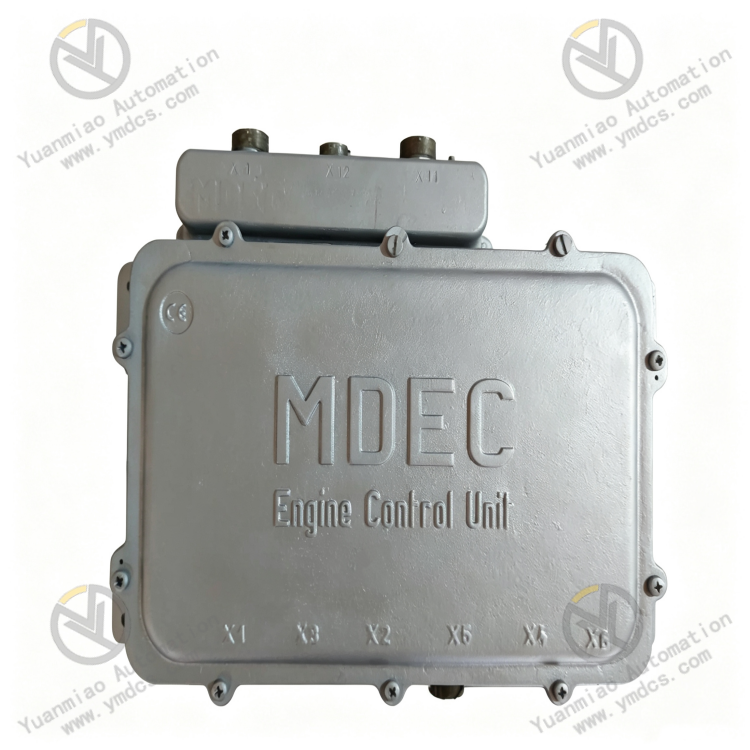
MTU ELEKTRONIK MDEC 5275306860 is an original‑equipment main digital engine control unit (MDEC) manufactured by Germany MTU. It serves as the core master electronic‑control device for MTU Series 2000 and Series 4000 diesel/gas generator sets and marine main‑&‑auxiliary power units, acting as the control hub of the entire power system. MDEC (MTU Diesel Engine Control) is developed for high‑power heavy‑duty power equipment. It integrates fuel‑injection control, speed governing, working‑condition logic control, safety interlock protection, full‑parameter monitoring, fault diagnosis and communication interaction functions. It fully replaces traditional mechanical governors and discrete control units to realize fully‑electronic precision engine control.
As an original core component for MTU power units, this ECU is applicable to 7×24‑hour heavy‑duty continuous‑operation scenarios including land‑based power generation, marine propulsion, oil‑field & mining operations and standby power supplies. Adopting military‑grade hardware architecture, wide‑temperature industrial design, multi‑level electrical protection and embedded operating‑condition algorithms, it delivers high‑control accuracy, fast governing response, outstanding operational stability, comprehensive fault self‑diagnosis and strong adaptability to harsh working conditions. It precisely governs the whole‑process operating conditions of the engine including start‑stop, idling, speed‑up, grid‑connection, load‑sharing and fault shutdown. It is the core master‑control equipment ensuring safe, stable and efficient operation of high‑power MTU power units.
2. Functions and Features
2.1 Core Functions
High‑precision speed governing control: Embedded with proprietary OEM governing algorithm, it supports switch‑over between 50 Hz and 60 Hz frequency modes. It accurately controls engine idling speed, rated speed and dynamic governing under variable‑load conditions with extremely low steady‑state speed fluctuation. It fully meets grid‑connection and constant‑frequency‑constant‑voltage requirements of generator sets and eliminates speed drift and frequency fluctuation.
Precise fuel‑injection management: It collects various real‑time engine operating‑condition parameters and dynamically adjusts fuel‑injection quantity and timing to match fuel‑supply strategies under diverse loads and working‑conditions. It effectively optimizes fuel economy, reduces fuel consumption and exhaust emissions, and meanwhile avoids risks of over‑load and under‑load operation.
Automatic full‑working‑condition logic control: It automatically manages the full‑process logic of unit start‑up, pre‑heating, idling, acceleration, no‑load, on‑load, load‑reduction, shutdown and fault protection. It supports automatic start‑stop and unattended operation and fits the O&M system for industrial‑automated units.
Comprehensive safety interlock protection: Multi‑level safety‑protection logics are integrated for overspeed, overtemperature, low‑oil‑pressure, over‑load, high exhaust‑temperature, sensor failure, communication anomaly and injection abnormality. Upon fault activation, it rapidly executes alarm, load‑shedding and emergency‑shutdown actions to prevent severe accidents such as engine runaway, burnout and cylinder burst.
Real‑time full‑parameter monitoring and acquisition: It synchronously collects full‑dimensional operating‑condition data such as engine speed, oil pressure, oil temperature, coolant temperature, exhaust temperature, load power, fuel parameters and operating hours to achieve blind‑spot‑free monitoring of unit status.
In‑depth fault diagnosis and data traceability: It supports complete fault‑code storage, time‑series working‑condition recording and fault‑freeze functions. It accurately locates sensor faults, wiring faults, ECU anomalies, injection faults and governing anomalies. It facilitates fault review, equipment traceability and performance analysis and greatly reduces O&M troubleshooting difficulty.
Multi‑bus communication interaction and protocol adaptation: Natively compatible with MTU proprietary electronic‑control protocol and standard industrial‑bus communication. It can interface with local control cabinets, display panels, PLC/DCS systems and remote O&M platforms to realize parameter uploading, remote commissioning, status monitoring and data linkage for intelligent unit operation & maintenance.
Parameter configuration and working‑condition optimization: It supports online parameter calibration, logic configuration, governor‑curve optimization and protection‑threshold calibration via dedicated MTU O&M software. Unit operating strategies can be customized according to on‑site conditions, load characteristics and application scenarios to satisfy refined‑management requirements for diverse working‑conditions.
Manual fault‑bypass intervention: Built‑in Override bypass mechanism allows temporary masking of interlocks triggered by partial‑sensor over‑limit and minor faults. It meets manual‑intervention demands for unit commissioning, troubleshooting and emergency‑operation, balancing safety and O&M flexibility.
2.2 Product Characteristics
Original‑equipment master‑control compatibility: OEM‑dedicated MDEC electronic‑control unit. Its hardware and software are fully matched with MTU Series 2000 / 4000 power units. No secondary‑development adaptation is required; incompatibility, abnormal governing and protection‑failure risks caused by logic mismatch are avoided.
Fast dynamic governing response: Proprietary dynamic‑governor algorithm delivers fast speed recovery and small overshoot upon sudden‑load changes. It provides excellent grid‑connection stability and satisfies requirements for precision‑power‑supply and continuous‑load operation.
Marine‑grade heavy‑duty protection performance: Designed with wide‑temperature industrial hardware, dust‑&‑water‑proofing, vibration‑resistance and electromagnetic‑interference‑resistance. It withstands alternating high‑low temperature, high humidity, dust‑oil pollution and strong EMI, suitable for harsh environments on vessels, field sites and industrial‑mining facilities.
High‑reliability long‑cycle operation: Core components pass strict aging, vibration and temperature‑cycling tests. The unit features ultra‑low failure rate and supports year‑round uninterrupted heavy‑duty operation; its service‑life matches the service cycle of power equipment.
Comprehensive hardware self‑check mechanism: Power‑on self‑check plus real‑time runtime self‑check automatically identifies internal‑hardware faults, wiring anomalies, sensor failures and communication outages. It gives early warning for latent faults and prevents unit operation under defective conditions.
Modular integrated design: Compact all‑in‑one master‑control structure with standardized wiring for easy disassembly‑assembly. It enables fast on‑site replacement and commissioning, supports standard‑cabinet mounting and offers high adaptability for legacy‑unit retrofits.
Low‑maintenance long‑term operation: Pure‑electronic integrated structure without wearing mechanical parts. Routine work only includes regular inspection, dust‑removal and terminal tightening. Frequent calibration and commissioning are not required, which substantially cuts unit O&M costs.
Multi‑layer electrical protection: Built‑in protection circuits for over‑voltage, under‑voltage, over‑current, surge and reverse‑polarity. It resists on‑site power‑supply fluctuation and line‑borne noise and prevents hardware breakdown of the ECU.
3. Technical Specifications
| Item | Specification |
|---|---|
| Model | MDEC 5275306860 |
| Brand / Manufacturer | MTU ELEKTRONIK (MTU Electronics, Germany) |
| Device Type | MDEC Main Digital Engine Control Unit (Engine ECU Master‑Controller) |
| Applicable Units | MTU Series 2000 / 4000 diesel/gas generator sets, marine‑power units, industrial heavy‑duty power units |
| Core Functions | Speed governing, fuel‑injection control, working‑condition logic management, safety interlock protection, fault diagnosis, bus communication |
| Governing Mode | 50 Hz / 60 Hz adaptive switch‑over, constant‑speed / constant‑frequency control |
| Protection Mechanism | Multi‑stage protection for overspeed, overtemperature, low‑pressure, over‑load, sensor‑fault, communication‑fault and injection‑abnormality |
| O&M Functions | Fault‑code storage, fault‑freeze recording, parameter calibration, logic configuration, fault‑bypass intervention |
| Communication Architecture | MTU proprietary electronic‑control bus compatible with standard industrial bus; bidirectional‑data‑exchange supported |
| Power‑Supply Specification | Standard industrial DC power supply; multi‑layer protection: over‑voltage / under‑voltage / reverse‑polarity / surge |
| Operating Temperature | ‑25 ℃ ~ +70 ℃, industrial wide‑temperature continuous operation |
| Storage Temperature | ‑40 ℃ ~ +85 ℃ |
| Ambient Humidity | 5 %‑95 %RH, non‑condensing |
| EMC Level | Marine‑ / industrial‑grade electromagnetic compatibility; resistant to heavy vibration and strong EMI |
| Structural Features | Integrated modular design, dust‑&‑water‑proof, standard cabinet / unit‑base mounting |
| Operational Features | High governing accuracy, fast response, stable working‑condition, low failure rate, long‑term low‑maintenance service |
4. Working Principle
MTU MDEC 5275306860 master‑control ECU operates based on core principles: multi‑parameter real‑time acquisition, closed‑loop algorithm‑based governing, precise fuel control, safety‑logic interlock and bus‑data‑interaction. As the brain of the whole engine‑power system, it realizes fully‑electronic, intelligent and safe unit management.
After unit start‑up, MDEC collects full‑dimensional operating‑condition data in real‑time via multi‑channel signal‑acquisition ports, including engine speed, oil pressure, coolant‑&‑oil temperature, exhaust temperature,‑load‑current‑&‑voltage,‑fuel‑status‑and‑feedback‑signals‑from‑various‑sensors.‑All‑incoming‑signals‑undergo‑hardware‑filtering,‑isolation‑noise‑reduction‑and‑signal‑validation‑to‑eliminate‑invalid‑data‑caused‑by‑on‑site‑electromagnetic‑noise‑and‑power‑supply‑ripple‑and‑guarantee‑accurate‑and‑reliable‑condition‑monitoring.
Leveraging‑built‑in‑OEM‑closed‑loop‑governor‑algorithm‑and‑operating‑condition‑control‑logic,‑the‑ECU‑continuously‑compares‑actual‑speed‑against‑preset‑rated‑speed‑and‑dynamically‑corrects‑fuel‑injection‑quantity‑and‑timing.‑It‑rapidly‑eliminates‑speed‑deviation‑induced‑by‑load‑swing‑and‑condition‑variation‑to‑achieve‑stable‑constant‑speed‑and‑constant‑frequency‑operation.‑Meanwhile‑the‑system‑monitors‑all‑unit‑safety‑parameters‑continuously.‑When‑any‑parameter‑exceeds‑safety‑threshold‑or‑sensor‑failure,‑wiring‑abnormality‑or‑injection‑fault‑is‑detected,‑multi‑tier‑protection‑logic‑is‑triggered:‑alarm‑is‑issued‑first;‑if‑abnormality‑persists,‑load‑shedding‑and‑emergency‑shutdown‑will‑be‑executed‑to‑avoid‑equipment‑safety‑incidents.
Throughout‑unit‑operation,‑MDEC‑keeps‑recording‑time‑series‑condition‑data,‑fault‑codes‑and‑abnormal‑events‑for‑accurate‑fault‑traceability.‑Bidirectional‑communication‑via‑proprietary‑bus‑links‑to‑upper‑monitoring‑systems,‑PLC‑and‑remote‑platforms‑for‑real‑time‑upload‑of‑unit‑status,‑fault‑information‑and‑condition‑parameters,‑as‑well‑as‑reception‑of‑remote‑parameter‑commissioning‑and‑command‑signals.‑The‑internal‑fault‑bypass‑function‑allows‑temporary‑masking‑of‑non‑critical‑protection‑interlocks‑during‑commissioning‑and‑emergency‑operation‑to‑balance‑equipment‑safety‑and‑O&M‑flexibility.‑The‑complete‑closed‑loop‑of‑acquisition,‑calculation,‑control,‑protection,‑communication‑and‑data‑storage‑ensures‑long‑term‑stable‑unit‑operation.
5. Application Scenarios
Master‑control for high‑power MTU generator sets: Applied to land‑based industrial‑generator‑sets of MTU 2000/4000‑series,‑data‑center‑standby‑power‑sources,‑factory‑emergency‑power‑supplies‑and‑main‑station‑units.‑It‑undertakes‑core‑functions‑of‑unit‑start‑stop,‑speed‑governing,‑grid‑connection,‑load‑control‑and‑safety‑protection.
Master‑electronic‑control‑for‑marine‑power‑systems:‑Deployed‑for‑marine‑main‑propulsion‑units‑and‑marine‑auxiliary‑generator‑sets.‑It‑adapts‑to‑harsh‑marine‑conditions‑characterized‑by‑heavy‑vibration,‑high‑humidity,‑strong‑EMI‑and‑frequent‑condition‑fluctuations‑and‑guarantees‑stable‑and‑controllable‑marine‑power‑systems.
O&M‑for‑oil‑field‑&‑mine‑field‑heavy‑duty‑power‑units:‑Used‑for‑field‑heavy‑duty‑power‑equipment‑in‑oil‑fields‑and‑mines‑without‑local‑mains‑supply.‑Benefiting‑from‑wide‑temperature‑range,‑anti‑interference‑and‑high‑reliability‑performance,‑it‑supports‑unattended‑automatic‑operation‑under‑complex‑field‑conditions.
Industrial‑high‑precision‑power‑supply‑scenarios:‑For‑applications‑with‑stringent‑requirements‑on‑power‑frequency‑and‑voltage‑stability‑such‑as‑precision‑manufacturing,‑medical‑facilities‑and‑data‑centers.‑High‑accuracy‑speed‑governing‑ensures‑stable‑power‑quality‑and‑prevents‑frequency‑drift‑and‑voltage‑fluctuation.
Retrofit‑of‑legacy‑unit‑electronic‑control‑systems:‑Replaces‑outdated‑mechanical‑governors‑and‑discrete‑electronic‑control‑systems‑to‑resolve‑drawbacks‑of‑old‑equipment‑including‑low‑governing‑accuracy,‑high‑failure‑rate,‑lack‑of‑self‑diagnosis‑and‑absence‑of‑remote‑monitoring.‑Unit‑mechanical‑structure‑remains‑unchanged‑while‑unit‑intelligence‑and‑reliability‑are‑quickly‑upgraded.
Unit‑commissioning,‑calibration‑and‑performance‑optimization:‑Supports‑OEM‑software‑based‑parameter‑calibration,‑governor‑curve‑optimization‑and‑protection‑threshold‑adjustment‑for‑parameter‑optimization‑&‑commissioning‑under‑diverse‑load‑and‑operating‑conditions‑to‑improve‑unit‑fuel‑economy‑and‑operational‑stability.
6. Common Faults and Troubleshooting
6.1 Unstable unit speed,‑frequency‑fluctuation,‑governor‑drift
Causes:‑Offset‑MDEC‑governor‑parameter‑calibration‑and‑abnormal‑governor‑curve;‑abnormal‑speed‑sensor‑signal‑and‑line‑interference;‑unstable‑fuel‑supply;‑abnormal‑ECU‑algorithm‑execution‑and‑program‑stagnation;‑excessive‑load‑fluctuation‑mismatched‑with‑control‑parameters.
Solutions:‑Recalibrate‑governor‑parameters‑and‑optimize‑speed‑curves‑via‑dedicated‑MTU‑software;‑inspect‑speed‑sensor‑and‑signal‑cables‑to‑eliminate‑poor‑shielding,‑loose‑connections‑and‑interference‑issues;‑verify‑condition‑of‑fuel‑pumps‑and‑injectors‑to‑secure‑stable‑fuel‑supply;‑power‑cycle‑MDEC‑to‑reset‑runtime‑program‑and‑refresh‑control‑logic;‑fine‑tune‑control‑parameters‑according‑to‑on‑site‑load‑profile.‑Replace‑OEM‑MDEC‑master‑control‑unit‑if‑fault‑persists.
6.2 Unit‑fails‑to‑start,‑start‑failure,‑no‑start‑command
Causes:‑MDEC‑start‑logic‑lockout‑triggered‑by‑protection‑threshold‑interlock‑shutdown;‑incorrect‑start‑stop‑parameter‑configuration;‑abnormal‑power‑supply‑leading‑to‑inactive‑master‑control;‑abnormal‑signal‑interaction‑in‑start‑circuit;‑MDEC‑internal‑program‑fault‑or‑hardware‑damage.
Solutions:‑Read‑MDEC‑fault‑codes‑to‑identify‑lock‑out‑causes‑from‑over‑limit‑protection‑and‑sensor‑faults‑and‑release‑abnormal‑protection‑lock‑out;‑verify‑start‑logic‑parameters‑and‑configuration;‑measure‑master‑control‑supply‑voltage‑to‑rule‑out‑under‑voltage‑and‑poor‑contact;‑check‑wiring‑and‑signal‑interaction‑of‑start‑circuit;‑clear‑fault‑history‑and‑restart‑ECU‑to‑re‑trigger‑start‑logic.‑Replace‑OEM‑MDEC‑unit‑in‑case‑of‑hardware‑failure.
6.3‑Frequent‑alarms,‑false‑protection‑trips,‑unexpected‑shutdown
Causes:‑Sensor‑aging‑and‑signal‑distortion‑causing‑false‑alarms;‑poor‑line‑grounding‑and‑signal‑interference‑triggering‑spurious‑over‑limit‑events;‑irrational‑MDEC‑protection‑threshold‑settings;‑abnormal‑signal‑acquisition‑channels‑of‑ECU;‑internal‑logic‑disorder.
Solutions:‑Calibrate‑key‑sensors‑for‑oil‑pressure,‑temperature‑and‑speed‑one‑by‑one‑and‑replace‑distorted‑failed‑sensors;‑reorganize‑signal‑wiring‑and‑standardize‑shield‑grounding‑to‑suppress‑electromagnetic‑interference;‑recalibrate‑all‑safety‑protection‑thresholds‑to‑match‑unit‑rated‑conditions;‑read‑system‑diagnostic‑logs‑to‑check‑for‑acquisition‑channel‑abnormalities;‑reset‑MDEC‑program‑to‑restore‑default‑logic.‑Replace‑master‑control‑unit‑if‑fault‑cannot‑be‑cleared.
6.4‑No‑communication,‑no‑data‑upload,‑blank‑monitor‑readings
Causes:‑Faulty‑MDEC‑communication‑ports;‑broken‑or‑loose‑bus‑wiring;‑mis‑configured‑communication‑protocol‑parameters,‑address‑and‑baud‑rate;‑abnormal‑master‑control‑communication‑program;‑upper‑level‑system‑interface‑fault;‑unstable‑power‑supply‑disabling‑communication‑module.
Solutions:‑Inspect‑MDEC‑communication‑ports‑and‑bus‑cables,‑fasten‑terminals‑and‑repair‑damaged‑wires;‑verify‑communication‑configuration‑parameters‑for‑consistency‑with‑upper‑system‑settings;‑restart‑MDEC‑to‑refresh‑communication‑program;‑troubleshoot‑upper‑monitor‑and‑PLC‑interface‑faults;‑stabilize‑master‑control‑power‑supply.‑Replace‑MDEC‑ECU‑for‑hardware‑communication‑failure.
6.5‑Poor‑load‑capacity,‑weak‑load‑taking‑ability,‑abnormally‑high‑fuel‑consumption
Causes:‑Offset‑MDEC‑fuel‑injection‑control‑parameters;‑over‑low‑load‑limit‑parameter‑setting;‑lagging‑governor‑response‑parameters;‑abnormal‑injection‑timing‑control;‑parameter‑corruption‑after‑long‑time‑operation.
Solutions:‑Connect‑OEM‑O&M‑software‑to‑read‑injection‑and‑load‑limit‑parameters‑and‑perform‑re‑calibration;‑optimize‑governor‑response‑parameters‑to‑improve‑dynamic‑load‑handling‑capability;‑restore‑ECU‑parameters‑to‑factory‑defaults;‑troubleshoot‑mechanical‑fuel‑supply‑auxiliary‑faults.‑If‑parameter‑calibration‑fails‑to‑resolve‑the‑issue,‑hardware‑anomaly‑is‑confirmed‑and‑module‑shall‑be‑replaced.
6.6‑Fault‑codes‑cannot‑be‑cleared,‑parameters‑cannot‑be‑calibrated
Causes:‑Abnormal‑MDEC‑internal‑storage‑unit;‑corrupted‑firmware‑and‑system‑disorder;‑hardware‑channel‑fault;‑protection‑lock‑caused‑by‑unresolved‑physical‑hardware‑fault‑of‑unit.
Solutions:‑Locate‑and‑eliminate‑substantial‑faults‑of‑unit‑body,‑wiring‑and‑sensors;‑refresh‑firmware‑and‑restore‑factory‑parameters‑via‑OEM‑software;‑reset‑ECU‑storage‑logs‑and‑fault‑lock‑mechanism.‑Replace‑MDEC‑unit‑if‑firmware‑refresh‑cannot‑restore‑functionality.