Description
1. Overview
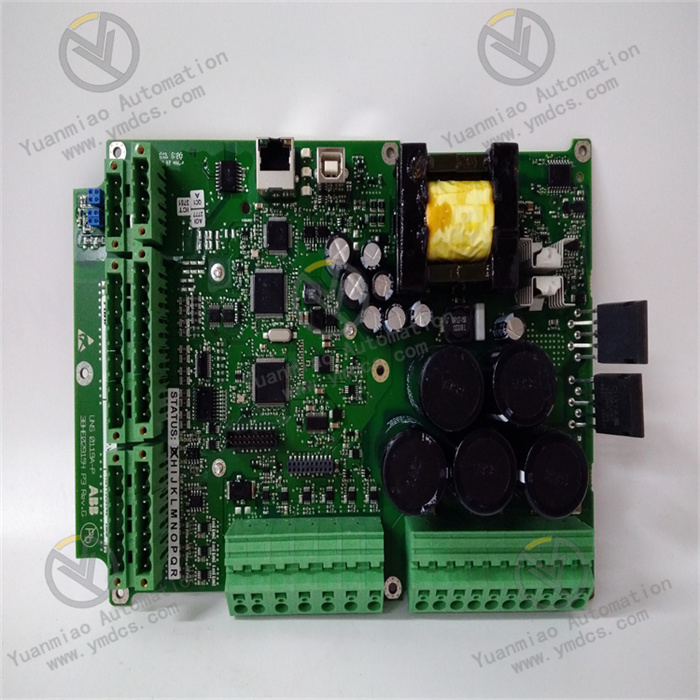
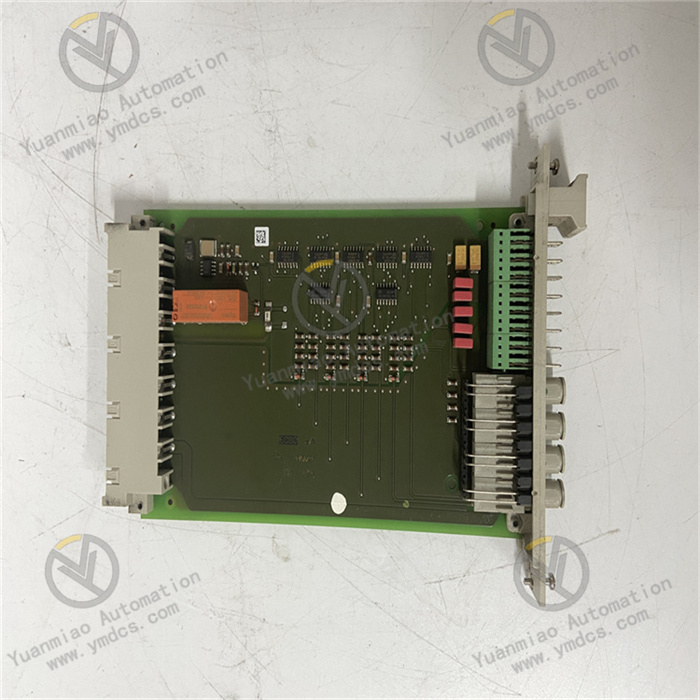
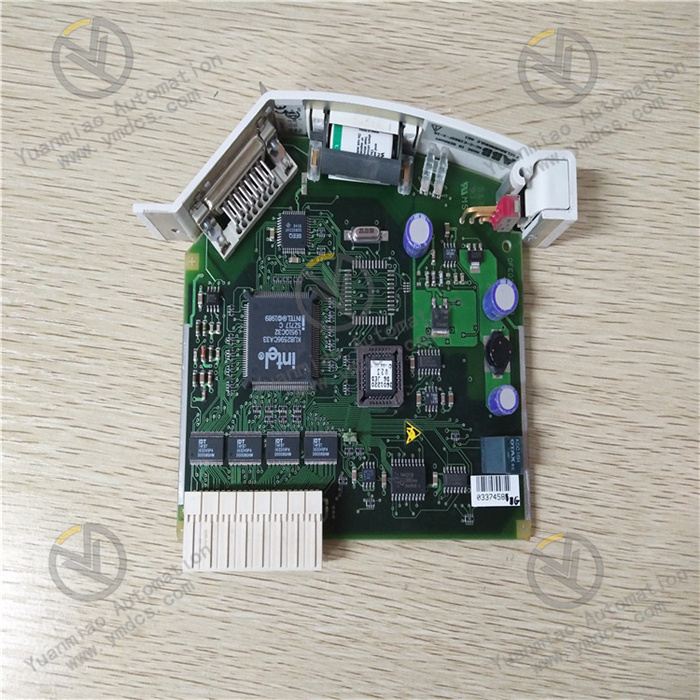
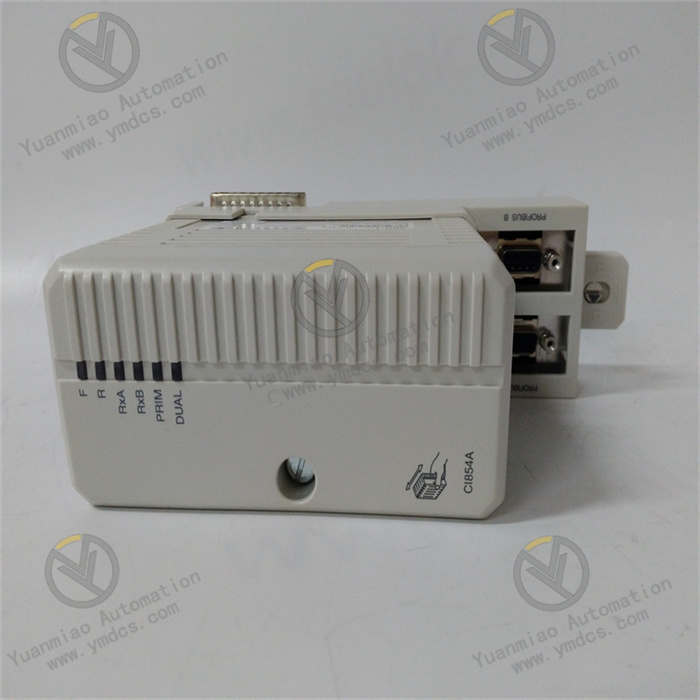
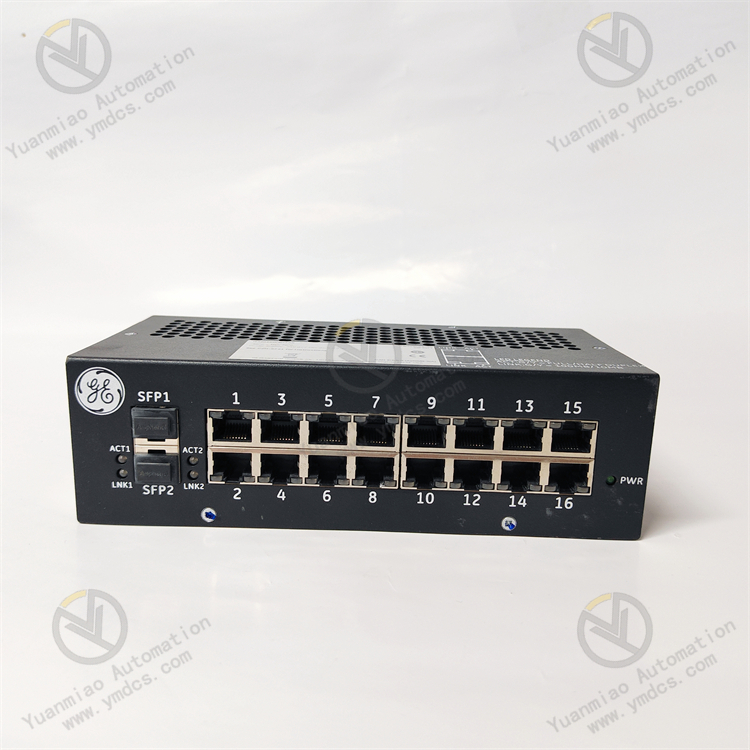
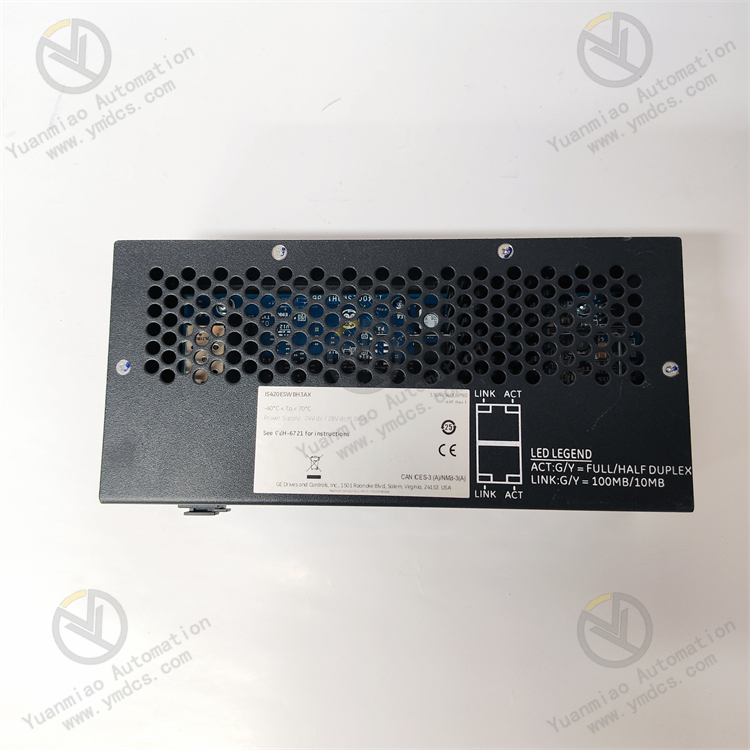
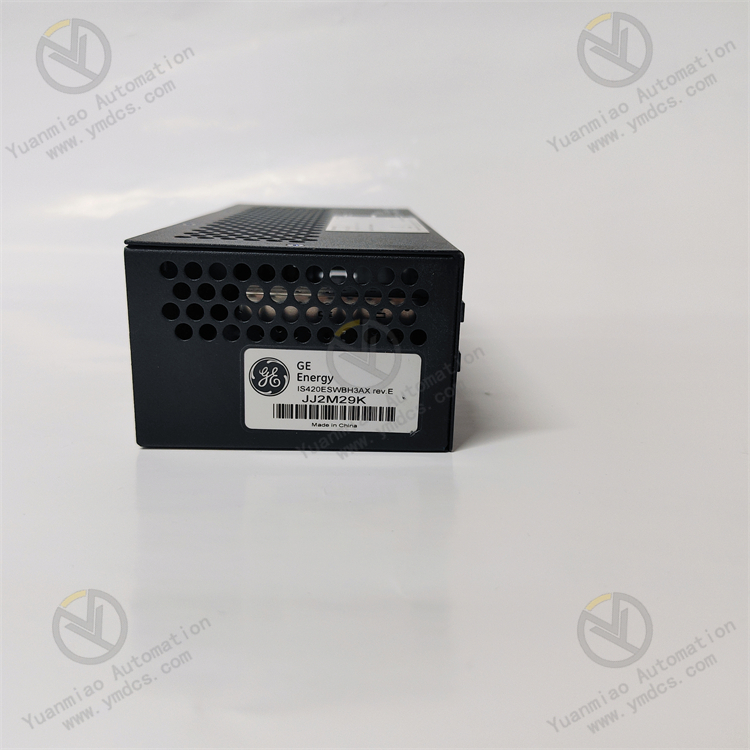
IS420ESWBH3AX is an industrial embedded Ethernet switch module of the IS420 series by GE Vernova, specially designed for Mark VIe / Mark VIeS gas turbine and steam turbine control systems. It serves as the core network switching unit of the unit DCS automatic control system. As the core hub of the system IONet industrial network, the module realizes high-speed data interaction between main control cards, I/O modules, upper monitoring systems and local intelligent devices. It completes real-time transmission and forwarding of unit control commands, process parameters, status feedback and fault diagnosis data, and ensures continuity and synchronization of network communication for the entire control system.
Adopting an industrial ruggedized modular architecture, the module implements Layer 2 deterministic unmanaged switching, featuring low latency, low packet loss, high synchronization and strong anti-interference capability. The printed circuit board integrates hardware link detection, port fault tolerance, data error correction and surge protection circuits, adapting to harsh operating conditions in power plants with strong electromagnetic interference, high temperature & humidity, vibration and shock. It natively supports rack hot-swap maintenance, enabling replacement and commissioning without unit shutdown. It is widely used in network matching for new units in thermal power plants, cogeneration plants and combined-cycle power plants, spare part replacement of network modules for legacy Mark VIe systems, as well as capacity expansion and technical upgrading of industrial control networks.
2. Technical Features
2.1 Deterministic Industrial Network Transmission with Stable Communication and Low Latency
Built on an industrial Layer 2 unmanaged deterministic switching architecture optimized for real-time communication of turbine control, it adopts store-and-forward switching to effectively avoid data collision and network congestion. It guarantees microsecond-level low-latency transmission of unit control commands, interlock signals and high-speed sampling data with high data synchronization, zero packet loss and out-of-sequence-free transmission. It thoroughly eliminates issues including delayed unit control, logic misjudgment and data anomalies caused by network jitter, meeting the high real-time and high-reliability operation requirements of control networks for power generation units.
2.2 Multi-Port Integrated Design with Powerful Networking Capacity
A single module integrates 16 standard RJ45 100Mbps Ethernet ports, supporting adaptive 10/100Base-TX rate, auto-negotiation of full/half duplex and HP-MDIX automatic cable recognition with excellent port adaptability. It can connect multiple groups of I/O modules, controllers, local smart instruments and monitoring terminals simultaneously. One single board can realize centralized networking of the control layer and equipment layer of the unit, featuring high integration and small cabinet occupation, suitable for building dense control system networks.
2.3 Full-Condition Anti-Interference Design with Excellent Environmental Adaptability
The circuit board is equipped with dedicated electromagnetic shielding, surge suppression and port electrostatic protection circuits. The whole module has passed strict industrial EMC, vibration shock and temperature cycling aging tests, which can effectively resist strong electromagnetic radiation, voltage fluctuation, transient surge, mechanical vibration and other interferences in power plants. It supports uninterrupted operation in a wide temperature range with dust-proof, moisture-proof, anti-aging and shock-resistant capabilities, applicable to complex and harsh industrial sites such as central control rooms and local control cabinets of power plants.
2.4 Hot-Swap Online Maintenance for High System Availability
It natively supports live hot-swap on Mark VIe system racks. When replacing faulty or aging modules for maintenance, unit shutdown and system power-off & network disconnection are not required. On-site disassembly, replacement, port verification and network link commissioning can be carried out online. It greatly reduces shutdown risks brought by maintenance of network modules, and effectively improves continuous operation capability and overall equipment availability of the unit control system network.
2.5 Plug-and-Play without Configuration, Strong Compatibility and Versatility
With simplified unmanaged design, complicated VLAN configuration, routing debugging and network parameter setting are unnecessary. It automatically negotiates link rate and operation mode upon power-up to realize plug-and-play. It is fully compatible with all racks, backplane buses, IONet industrial network protocols and ControlST configuration software of GE Mark VIe and Mark VIeS systems. It perfectly matches network architectures of new and legacy unit control systems and supports direct replacement and capacity expansion without modifying the original networking logic.
2.6 Intelligent Link Diagnosis for Convenient and Efficient Maintenance
Each port is equipped with independent LED indicators to visually display link connection, data transceiving, rate and duplex status. Combined with system online self-diagnosis, it can monitor port link anomalies, network disconnection, data transmission failures and other statuses in real time. It supports network status inspection and fault location via the system background, greatly simplifying daily maintenance, link verification and troubleshooting procedures of control networks.
3. Technical Specifications
3.1 Basic Parameters
Model: IS420ESWBH3AX; Brand: GE Vernova / GE Fanuc; Series: IS420 Series Network Modules Dedicated for Mark VIe Systems; Type: Industrial Embedded Layer 2 Ethernet Switch Module; Compatible Systems: GE Mark VIe, Mark VIeS Gas Turbine & Steam Turbine Control Systems; Applied Network: IONet Industrial Control Network; Operation Mechanism: Deterministic Layer 2 Unmanaged Switching; Maintenance Feature: Support live rack hot-swap and plug-and-play.
3.2 Network & Electrical Parameters
Port Configuration: 16-channel RJ45 100Mbps Ethernet ports; Transmission Rate: 10/100Mbps adaptive; Transmission Standards: Compliant with IEEE 802.3, IEEE 802.3u, IEEE 802.3x Ethernet standards; Operation Mode: Auto-negotiation for full-duplex/half-duplex; Cable Recognition: HP-MDIX automatic crossover adaptation; Switching Mechanism: Store-and-forward data switching; Communication Characteristics: Low latency, low packet loss, high data synchronization, suitable for industrial real-time control transmission.
3.3 Structural and Installation Parameters
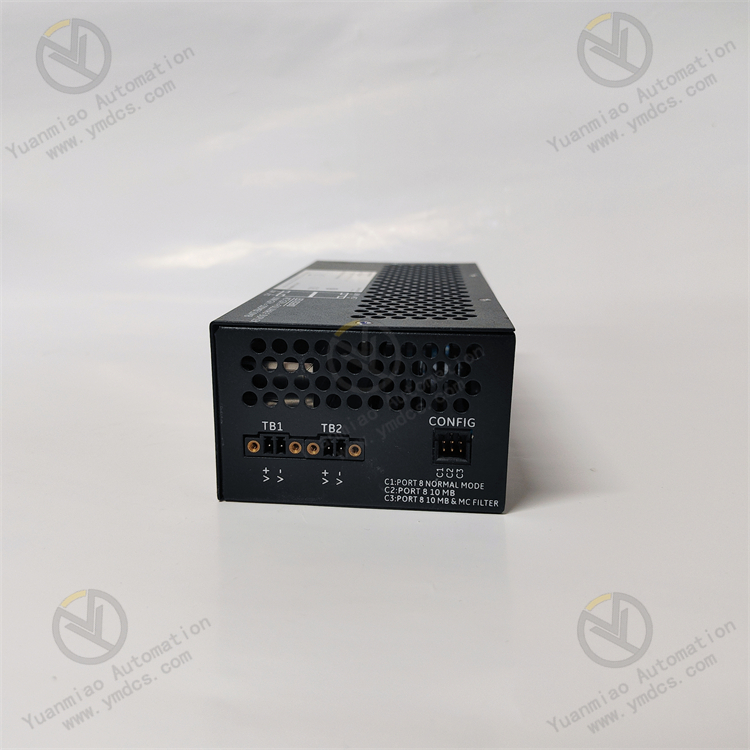
Structure: Standard Mark VIe rack-mounted board with industrial ruggedized PCB technology; Installation Method: Embedded rail mounting inside system racks with precise docking of standard backplane bus; Status Indication: Independent LED indicators for each port to intuitively display link, rate and transceiving status; Wiring Mode: Front-mounted standard RJ45 ports for neat wiring and convenient maintenance; Hardware Technology: Industrial triple-proof rugged treatment, anti-aging, corrosion-resistant and anti-electromagnetic interference.
3.4 Environmental Parameters
Operating Temperature: -40℃ ~ +85℃; Storage & Transportation Temperature: -40℃ ~ +85℃; Operating Humidity: 5%~95%RH (Non-Condensing, No Corrosive Gas); Environmental Resistance: Vibration resistance, shock resistance, strong electromagnetic interference resistance, humidity aging resistance, dust-proof and moisture-proof; Applicable Scenarios: Main control rooms of power stations, local control cabinets for gas/steam turbines, automatic control cabinets of cogeneration plants, control network rooms of combined-cycle power units.
4. Operating Principle
The IS420ESWBH3AX module follows the core workflow: Port link detection → Data reception & verification → Deterministic switching & forwarding → Real-time network synchronization → Link status diagnosis. After power-on, the module automatically completes port initialization and link negotiation, monitors network status of controllers, I/O modules and local devices connected to each port in real time, and establishes stable IONet industrial communication links.
After system main control commands, field collected data, equipment status feedback and fault diagnosis information enter the module via each port, they undergo hardware verification, error correction and filtering denoising. High-speed data forwarding and interaction are realized through Layer 2 deterministic switching, precisely matching real-time control timing requirements of Mark VIe systems to guarantee network-wide data synchronization and lag-free command execution. The module continuously monitors link status and data transceiving conditions of all ports. Once link disconnection, data abnormality or port failure is detected, status prompt and system alarms will be triggered immediately to assist maintenance personnel in rapid troubleshooting and ensure sustained stable and reliable operation of the unit control network.
5.1 Networking of Unit Core Control Network
As the core switching device of IONet control network for Mark VIe units, it undertakes all data interaction tasks between unit main controllers, I/O modules, local intelligent equipment and upper monitoring systems. It supports network transmission of core automatic control logic including unit start-stop control, load regulation, process interlock, status monitoring and fault alarms, ensuring real-time communication and stable operation of unit control systems.
5.2 Capacity Expansion and Technical Renovation of Industrial Control Networks
Applicable to network upgrading scenarios such as monitoring point expansion, addition of local equipment and new control loops for automatic control systems of power station units. Leveraging multi-port integration and plug-and-play features, it rapidly expands access capacity of control networks, optimizes industrial network architecture of units, and meets communication demands of process optimization and intelligent upgrading of equipment.
5.3 Maintenance and Replacement of Network Modules for Legacy Systems
Fully compatible with network architectures and IONet protocols of all Mark VIe and Mark VIeS systems. It can directly replace aging, unstable and frequently faulty legacy network switching modules on site. No network reconstruction, program modification or wiring logic adjustment is required, realizing low-cost and zero-risk hardware maintenance and performance upgrade of unit control networks.
5.4 Redundancy Support for Industrial Networks under Harsh Conditions
Benefiting from strong anti-interference, wide-temperature operation and hot-swap maintenance capabilities, it adapts to harsh operating environments with high temperature, intense vibration and strong electromagnetic interference in power plants. It provides highly reliable industrial network support for continuously operating power generation units, and avoids safety risks such as unit operating condition fluctuation and false interlock action caused by network interruption and communication anomalies.
![]()