Description
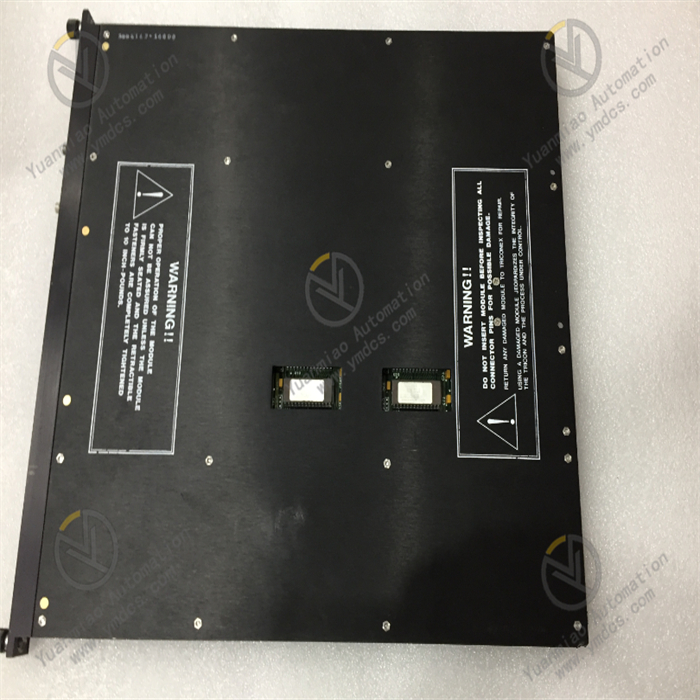
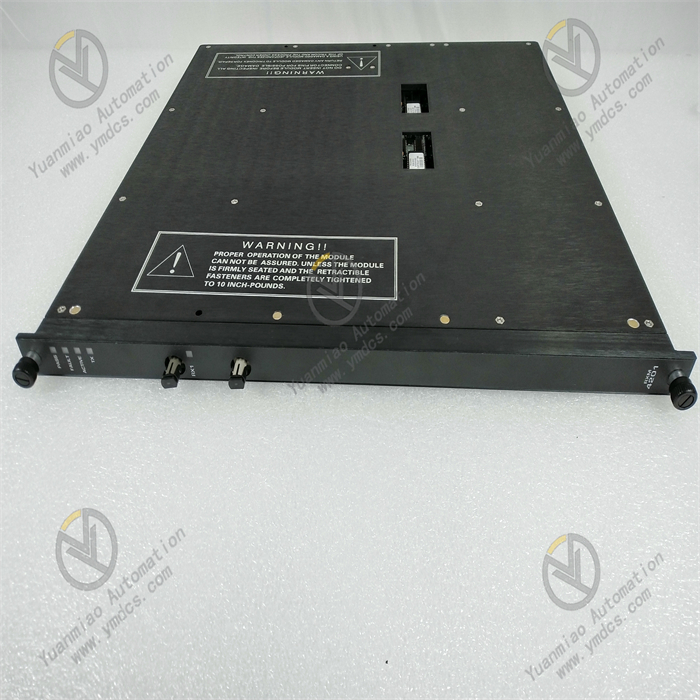
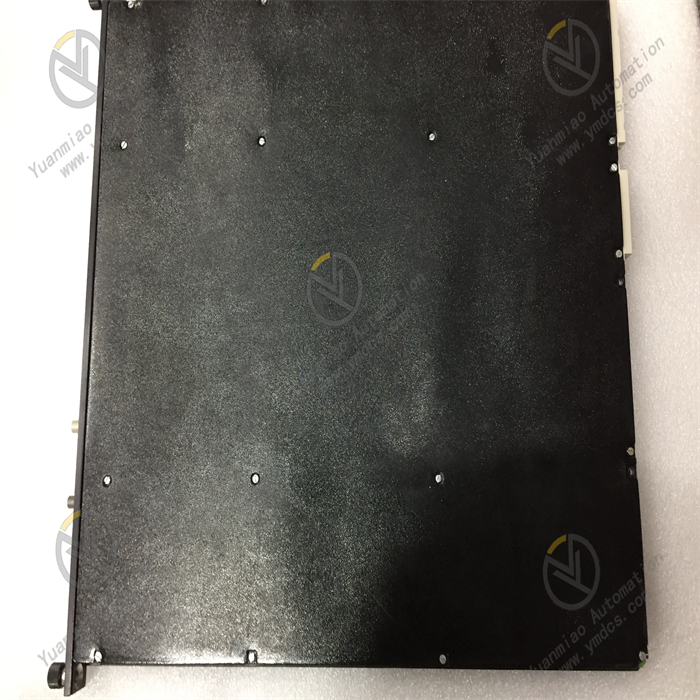
Triconex 4201
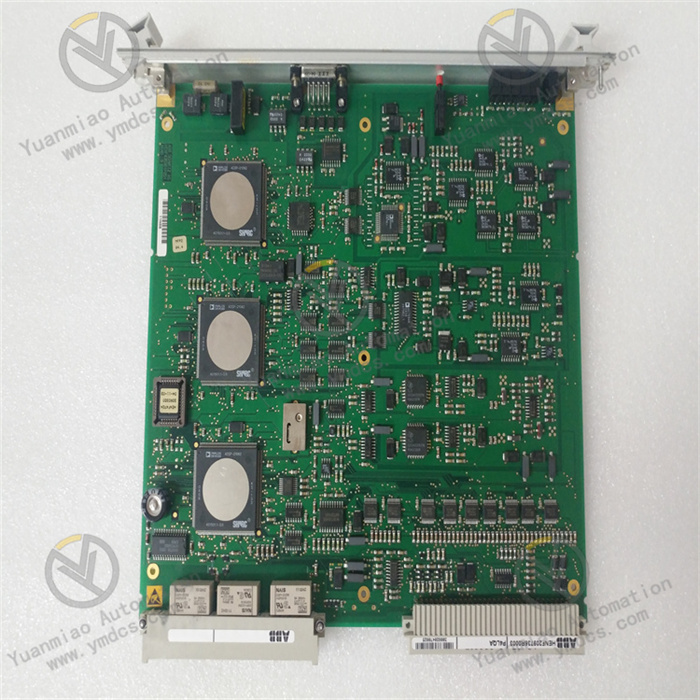
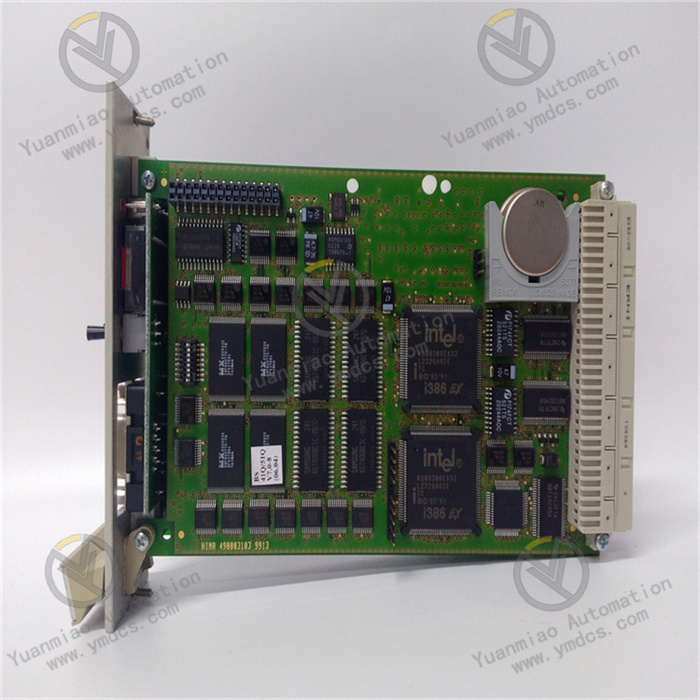
Triconex 4201 is a high-reliability industrial-grade I/O module launched by Triconex, a brand under Schneider Electric. It integrates analog input/output, signal processing, and redundant communication capabilities, serving as a key component for data acquisition and control signal output in Safety Instrumented Systems (SIS) and critical process control systems. Based on Triple Modular Redundancy (TMR) architecture, the module is compliant with IEC 61508 SIL 3 functional safety certification, seamlessly compatible with Triconex Tricon/Trident series controllers, and widely used in harsh industrial scenarios such as petrochemical, power, and chemical industries. It features multi-channel isolation, comprehensive protection functions, and high-precision signal processing, supporting flexible integration with various field sensors and actuators, and providing reliable technical support for safe and stable operation of industrial processes.
I. Product Positioning and Multi-Scenario Adaptability
Core I/O Module for Triconex Safety Control Systems
Specially designed for Triconex Tricon and Trident series Safety Instrumented Systems (SIS) and process control systems, the Triconex 4201 is a multi-functional integrated I/O module that undertakes the core tasks of analog signal acquisition, processing, and control signal output. It can connect various analog sensors (temperature, pressure, flow, current, voltage sensors) and actuators, convert on-site analog signals into digital signals recognizable by the controller, and output analog control signals to drive on-site execution components, forming a closed-loop control with the TMR central processor (such as 3009, 3008). Adopting TMR redundant design, the module ensures that single-channel faults do not affect the overall operation of the system, eliminating single points of failure at the hardware level, and is suitable for critical control scenarios requiring high reliability, such as emergency shutdown (ESD), fire and gas system (F&GS), and turbine control systems.
Industrial Automation System Integration Compatibility
Seamlessly compatible with the full range of Triconex controllers, chassis, and supporting I/O modules, the Triconex 4201 can be directly inserted into standard Triconex chassis slots and communicates with the central processor through a high-speed redundant backplane bus, with a typical communication cycle of 5–25 ms. It supports multiple communication protocols such as RS232, RS485, CAN, Modbus, and Ethernet/IP, facilitating flexible integration with PLC, DCS, upper-level safety management systems, and remote monitoring and data acquisition systems (SCADA). No additional drivers are required; configuration, programming, and testing are completed through Triconex Enhanced Diagnostic Monitor (EDM) software and the TÜV-certified TriStation 1131 development environment. The module can be used as a remote I/O extension module, expanding the I/O point capacity of the system to 256 points through optical fiber or Ethernet communication, adapting to large-scale industrial process control needs. It can directly replace old I/O modules of the same series without modifying cabinet wiring or system framework, greatly reducing system upgrade and maintenance costs.
Adaptability to Harsh Working Conditions and Explosion-Proof Scenarios
Adopting an industrial-grade reinforced PCB, metal shell, and full-shielding anti-interference structure, the Triconex 4201 has excellent anti-interference and environmental adaptability. It can withstand harsh on-site environments such as high temperature, heavy dust, salt spray, and strong electromagnetic interference (such as high-voltage motors, excitation systems, and reactors), with an industrial wide-temperature operation capability of -40℃~70℃ and a storage temperature range of -40℃~85℃. The module has a protection level of IP65, which can effectively prevent dust and water intrusion, and can be directly installed in harsh on-site environments; when used in Class I Div 2 hazardous areas, it can be installed in a sealed cabinet with IP54 or higher level to meet explosion-proof requirements. The internal circuits have good isolation characteristics, and the power supply and signal interfaces are equipped with overvoltage, undervoltage, surge, short circuit, and overheating protection functions, which can continuously withstand ±2kV transient voltage, avoiding module damage caused by abnormal power supply fluctuations or signal interference.
II. Functions and Technical Advantages
(I) Core Functions
High-Precision Analog Signal Acquisition and Output: The module is equipped with 16 isolated analog input channels, supporting 0–10V voltage signals and 4–20mA current signals, with 16-bit resolution and ±0.5% accuracy, ensuring accurate acquisition of on-site process parameters such as temperature, pressure, and flow. It also has analog output capabilities, supporting 0–10V, 1–5V, 2–10V, 4–20mA and other output signal types, which can flexibly drive various actuators such as valves and pumps to realize precise control of industrial processes. Each input/output channel is independently isolated, effectively avoiding mutual interference between channels and improving signal acquisition and output accuracy.
TMR Redundant Logic and Fault Tolerance: Adopting Triple Modular Redundancy (TMR) architecture, the module integrates three independent signal processing channels, which perform signal acquisition and processing synchronously, and implement 2-out-of-3 majority voting on the results. Even if a single channel fails, the module can still stably output accurate signals, ensuring the continuity and reliability of system operation. The built-in redundant output channel provides a backup output path, further improving the reliability of the system.
Comprehensive Self-Diagnosis and Fault Alarm: It has full-module self-diagnosis capabilities, which can real-time monitor the working status of internal circuits, signal channels, power supply, and communication interfaces. In case of abnormalities (such as channel short circuit, overvoltage, communication interruption, or power supply instability), it immediately issues an alarm through the front panel LED indicators (PASS, FAULT, and communication status lights), and reports detailed fault information to the upper-level controller and management platform, facilitating quick fault location and handling.
Flexible Control Modes and Remote Management: The module supports multiple control modes, including ±10V analog signal speed control and pulse/direction control modes, which can be flexibly set through the network interface. It supports online hot swap function; module replacement does not require system shutdown, and the system can automatically identify the new module and re-synchronize data, minimizing production interruption. The module adopts a modular design, with convenient wiring and clear indicator identification, and the module health status and fault logs can be queried remotely through EDM software, simplifying the maintenance process.
(II) Technical Advantages
High Reliability and Long Service Life: Adopting industrial-grade high-stability components, it has undergone Environmental Stress Screening (ESS) including temperature cycling, vibration, and shock tests. It has no vulnerable components such as batteries, with a long service life, and the Mean Time Between Failures (MTBF) reaches the industry-leading level. The TMR triple modular redundancy design is compliant with IEC 61508 SIL 3 (even SIL 4 for some models) functional safety certification, eliminating single points of failure at the hardware level and supporting 24/7 uninterrupted operation, reducing unplanned downtime.
Strong Compatibility and Rapid Integration: With standard Triconex module size, it can be directly inserted into standard chassis slots without additional adapter components. It is seamlessly compatible with Triconex central processors (such as 3009, 3008) and other I/O modules (such as 3511, 3721), as well as Triconex Tricon/Trident series chassis, facilitating system expansion and upgrade. No additional drivers are required; configuration and debugging can be completed through dedicated software, with a simple integration process, greatly shortening the project implementation cycle.
Comprehensive Protection and Stable Operation: The module is equipped with multiple protection functions, including overvoltage, undervoltage, surge, short circuit, overheating, and leakage protection, which can effectively protect the module and on-site equipment from damage caused by abnormal conditions. The full-shielding structure and anti-interference circuit design can effectively resist electromagnetic interference, radio frequency interference, and voltage fluctuations on the industrial site, avoiding signal distortion, logic errors, or communication interruptions, ensuring stable operation of the module even under harsh working conditions.
Easy Maintenance and Convenient Debugging: The front panel LED indicators intuitively display the module operation status (normal, fault, communication status), facilitating quick on-site judgment. Remote configuration, logic modification, fault query, and historical event traceability can be realized through EDM and TriStation 1131 software. During maintenance, only the module interface and wiring status need to be checked, without complex calibration equipment, reducing the operation and maintenance workload and cost. The modular design and hot swap function further improve maintenance efficiency and reduce maintenance time.
III. Application Scenarios
Petrochemical Industry
Used as a key I/O module in refineries, chemical plants, and offshore platforms, it is responsible for collecting analog signals such as temperature, pressure, flow, and combustible gas concentration from on-site sensors, and outputting control signals to drive valves, pumps, and other actuators. It is widely used in safety instrument systems (SIS), fire and gas systems (F&GS), pipeline leakage detection systems, and reactor control systems, executing safety interlocking logic and emergency shutdown commands when abnormalities occur. The TMR redundant design and comprehensive protection functions ensure reliable operation under salt spray, high humidity, strong vibration, and strong electromagnetic interference conditions, meeting explosion-proof requirements and ensuring the safety of production processes.
Power Industry
In thermal power, nuclear power, and combined cycle power plants, it is used as an I/O module for turbine safety control systems, boiler interlocking systems, and substation control systems. It collects analog signals such as steam turbine vibration, shaft displacement, steam temperature, coolant flow, and core temperature, and outputs control signals to implement overspeed protection (ETS) and other interlocking logic, ensuring the safe and stable operation of power generation equipment. It meets the EMC and environmental test standards of nuclear-grade equipment and has strong radiation interference resistance, adapting to the harsh environment of power plant power distribution rooms and nuclear power auxiliary systems.
Manufacturing and Process Control
In general manufacturing, building automation, and process control fields, it is used to monitor and control various process parameters, such as temperature, pressure, flow, current, and voltage, connecting various sensors and actuators to realize precise control of production processes. It is suitable for mechanical control, batch process control, and production line automation, improving production efficiency, reducing operational costs, and ensuring the stability and consistency of product quality.
Upgrade and Renovation of Old Safety Systems
It can directly replace the early version of I/O modules of the Triconex series or third-party compatible modules without modifying cabinet wiring, power connection, or system control logic. Only software configuration, logic programming, and function testing need to be completed to enable TMR redundant control, high-precision signal acquisition, and comprehensive self-diagnosis functions, improving the reliability and safety level of the safety instrumented system and reducing maintenance costs.
Water Treatment and Other Industries
In large water plants and sewage treatment plants, it is used to collect water quality parameters (such as pH value and turbidity) and process parameters (such as flow and pressure) from on-site sensors, and control the operation of pumps, valves, and other equipment, ensuring the safe and stable operation of water supply and sewage treatment processes. It adapts to the high humidity and multi-interference on-site environment of water plants, and the TMR redundant design ensures the continuous and stable operation of the control system. It is also widely used in metallurgy, papermaking, transportation, and other industries, meeting the diverse control needs of different fields.
IV. Technical Parameters
Parameter Name | Parameter Details |
Model | Triconex 4201 (Schneider Electric) |
Product Type | TMR Integrated I/O Module (Analog Input/Output) |
Input Channels | 16 isolated analog input channels |
Input Signal Type | 0–10V DC voltage; 4–20mA DC current |
Output Signal Type | 0–10V, 1–5V, 2–10V DC; 4–20mA DC |
Resolution/Accuracy | 16-bit resolution; ±0.5% accuracy |
Communication Interfaces | Redundant backplane interface; RS232, RS485, CAN, Ethernet |
Communication Baud Rate | 10 Mbps, 100 Mbps, 1 Gbps (optional); RS485: Up to 115200bps |
Protection Functions | Overvoltage, undervoltage, surge, short circuit, overheating, leakage protection |
Operating Temperature | -40℃~70℃ (Industrial Wide Temperature) |
Storage Temperature | -40℃~85℃ |
Relative Humidity | 5%~95% (Non-condensing) |
Ingress Protection | IP65 (Module itself); IP54+ cabinet for hazardous areas |
Mounting Method | Standard Triconex chassis slot mounting, modular plug-in design |
Supporting Software | EDM (Enhanced Diagnostic Monitor), TriStation 1131 |
Compatible Systems | Triconex Tricon, Trident series SIS; PLC, DCS, SCADA systems |
Weight | Approx. 0.77–2kg (varies by configuration) |