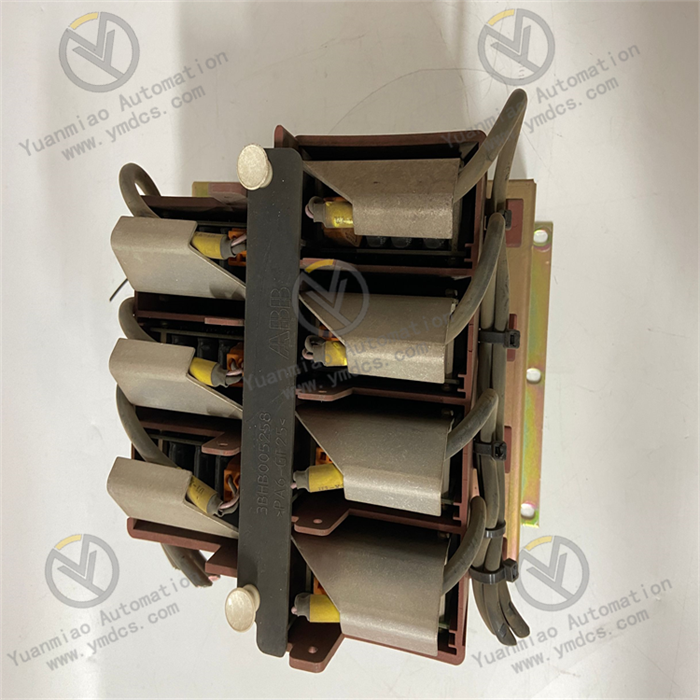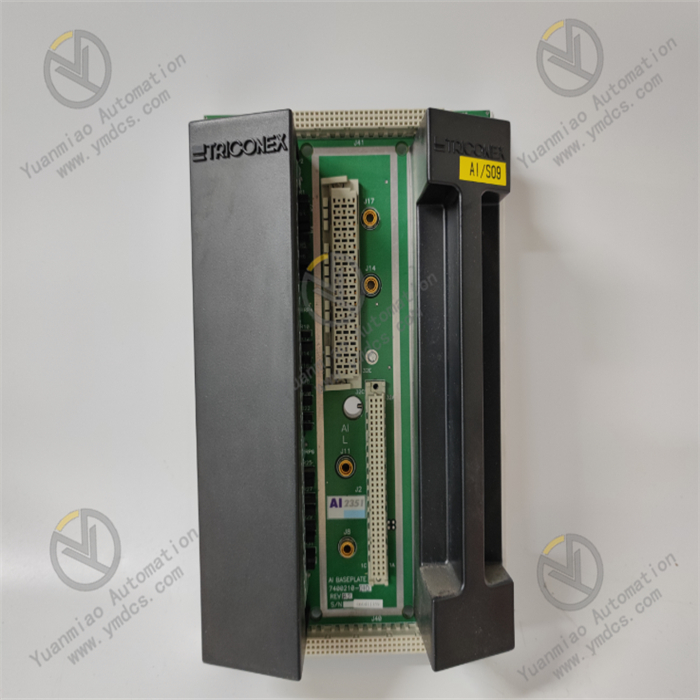
Description
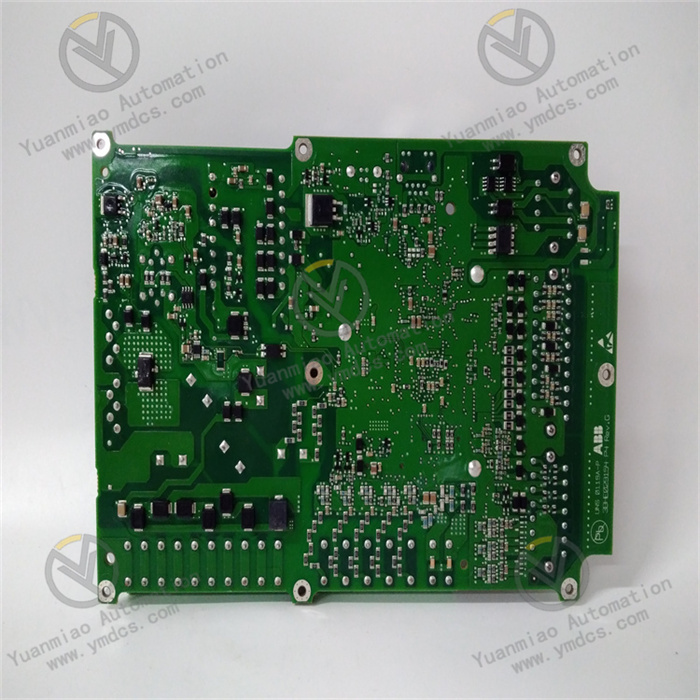
ABB UNS0119A-P,V101 3BHE029154P3
1. Product Description
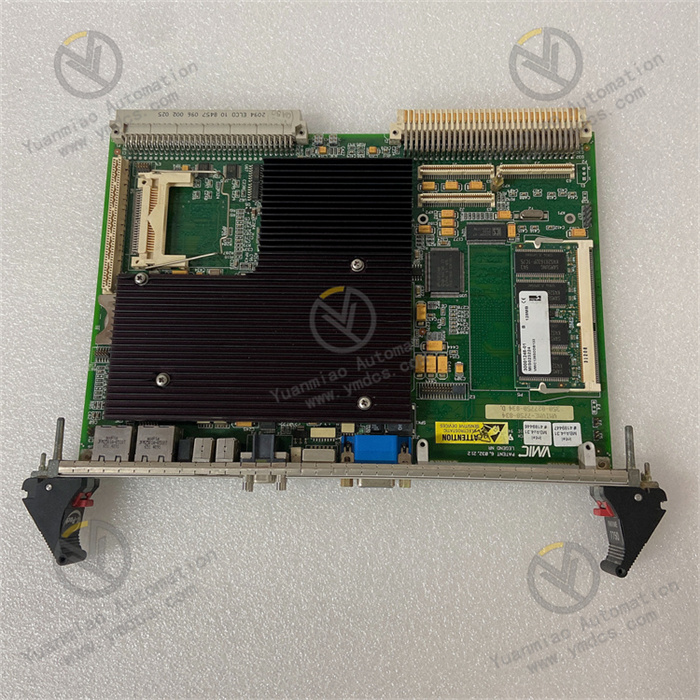
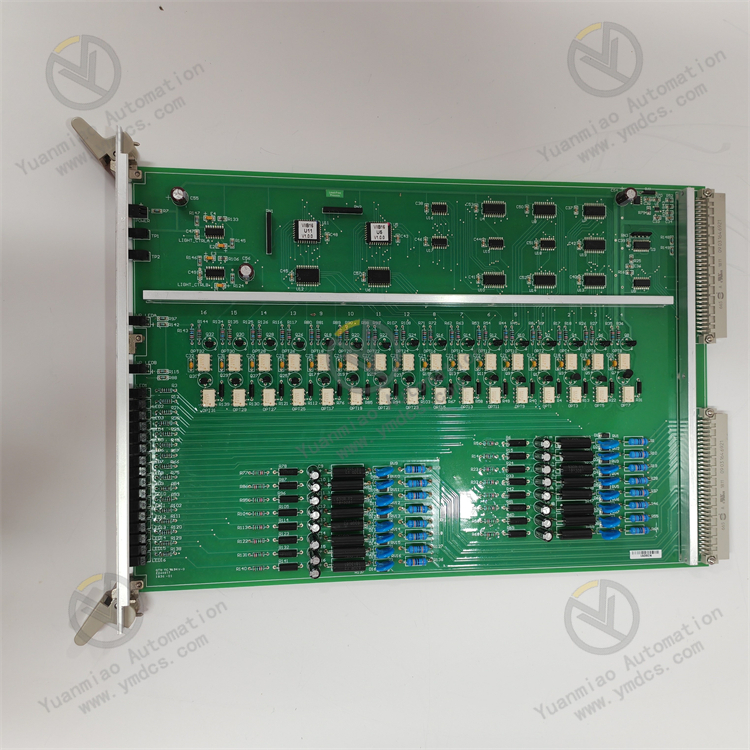
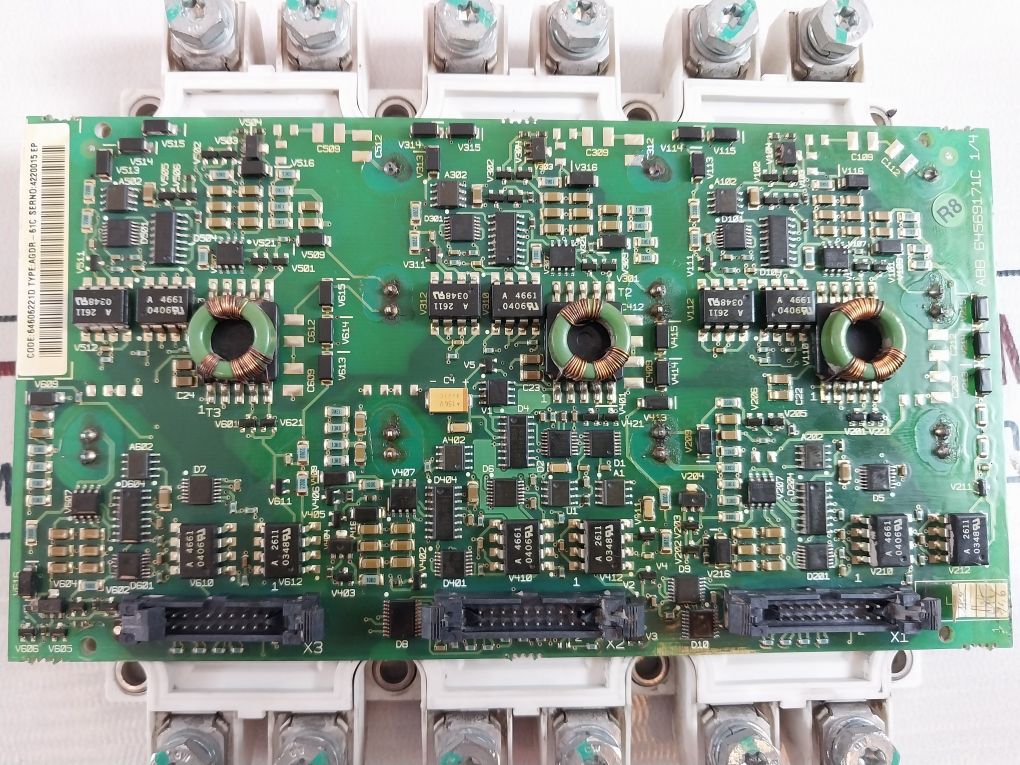
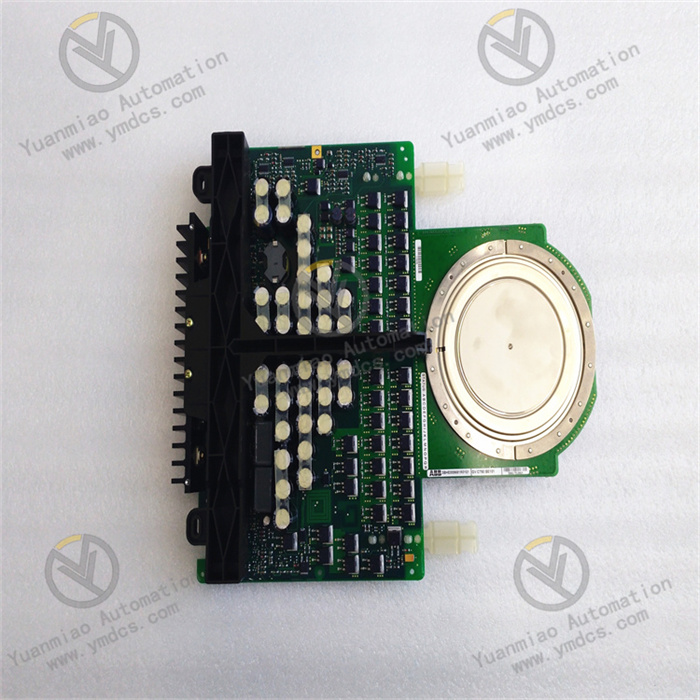
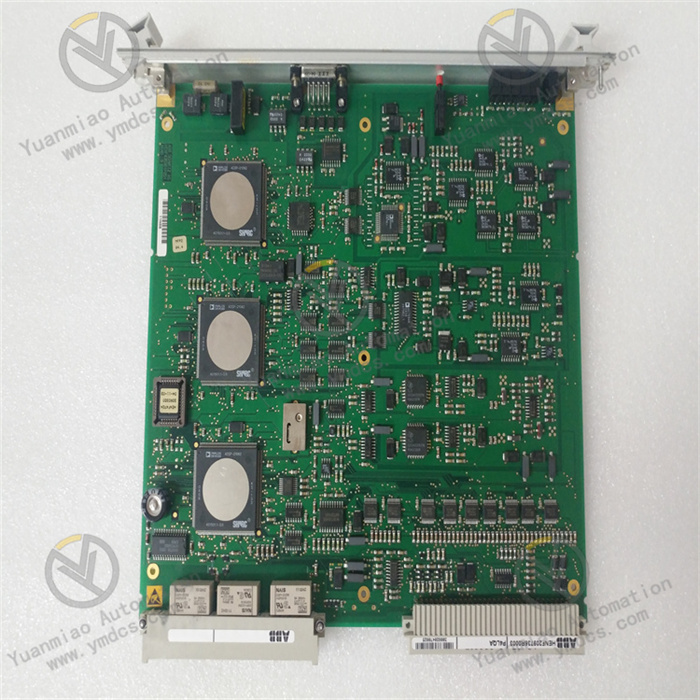
ABB UNS0119A‑P, V101 (Supplementary Material No.: 3BHE029154P3, Related Order No.: 3BHE029153R0101) is an industrial‑grade high‑performance control and communication module with core functions of PLC control and network communication.
It is often used in industrial DCS/PLC, excitation systems and Modicon M2000 series PLC systems to perform core control calculation, data acquisition, multi‑protocol communication and system coordination tasks. It is a key component for equipment control, monitoring and interconnection in industrial automation control systems.
It integrates rich I/O and communication interfaces, supporting mainstream industrial protocols such as Modbus RTU, Profinet and CANopen. It can seamlessly connect to upper‑level DCS, PLC and field devices to realize remote monitoring, parameter configuration and fault diagnosis.

2. Technical Specifications
| Parameter Category | Details |
|---|---|
| Model / Material No. / Order No. | Model: UNS0119A‑P, V101; Supplementary Material No.: 3BHE029154P3; Related Order No.: 3BHE029153R0101; Belongs to ABB I/O module series, compatible with Modicon M2000 series PLC systems |
| Manufacturer | ABB (Country of origin: Switzerland / Europe) |
| Product Type | Industrial‑grade control and communication module with PLC control function, suitable for DCS/PLC systems, industrial excitation control, Modicon M2000 series PLC systems; core automation control unit, can be used as digital input sub‑module or network communication module |
| Core Functions | 1) Control calculation: Accurately execute control algorithms to realize closed‑loop regulation, supporting STL, LD, IL and other programming languages;2) Data acquisition: High‑speed collection of analog/digital signals, providing digital input channels for detecting switch status of external equipment;3) Multi‑protocol communication: Supports Modbus RTU, Profinet, CANopen, Profinet IO and other mainstream industrial protocols for data exchange between devices;4) Redundancy support: Adaptable to dual redundancy architecture with bumpless switching upon failure;5) Fault diagnosis: Built‑in self‑diagnosis and event logging with timestamps;6) Scalability: Supports function expansion via extension cards or other modules to meet requirements of different scenarios. |
| Electrical Parameters | Operating voltage: 24 VDC (standard) / 220 VAC optional;Low power consumption under rated working conditions;Overcurrent, overvoltage and reverse polarity protection;Multi‑channel digital/analog outputs for field actuators;High‑frequency control for current loop / position loop with fast response;16 digital input channels available (for partial applications). |
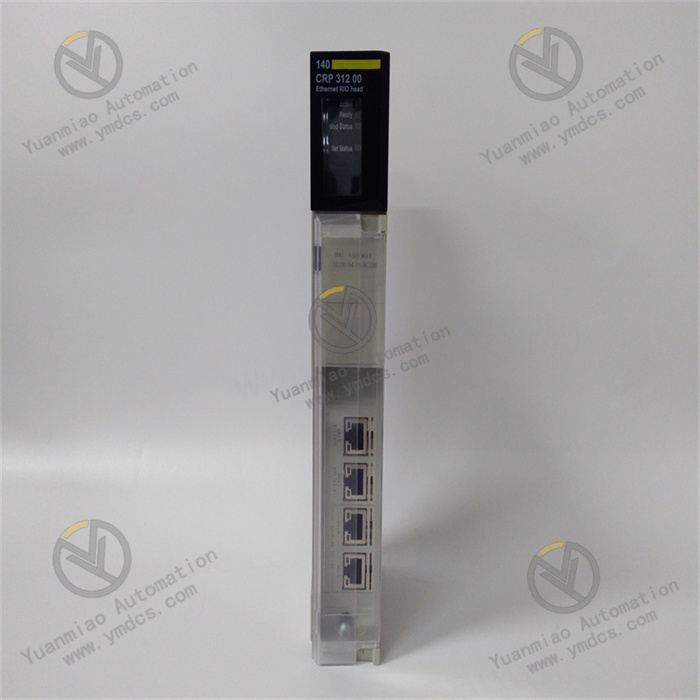
| Communication & Interface | 1× Ethernet port (RJ45), 1× RS‑485, 1× USB (commissioning / firmware upgrade); supports RS232 and CAN bus extension;Supports Modbus TCP, Profinet IO, CANopen and other protocols with standard network interfaces for secure communication;Ethernet time synchronization, precise timestamps for event logs, facilitating remote monitoring and data traceability. |
| Physical Characteristics | Compact panel / DIN‑rail mounting;Standard dimensions: approx. 35 mm × 30 mm × 23 mm (basic), compatible with standard industrial module space; 140×100×25 mm mounting size available in some scenarios;Weight: approx. 0.02 kg (basic), max. 0.45 kg;Screw‑fixed, no special tools required, easy for quick plug‑in and replacement;Housing made of PC and ABS materials with excellent protection performance. |
| Environmental Adaptability | Operating temperature: -20℃ ~ +55℃ (standard), extended range optional;Storage temperature: -40℃ ~ +85℃;Relative humidity: 5% ~ 95% (non‑condensing);Vibration / shock: Compliant with IEC 60068;High EMC level, suitable for industrial sites with strong electromagnetic interference and complex working conditions. |
| Reliability | MTBF > 200,000 hours;Industrial‑grade components with full conformal coating, strictly quality‑controlled and tested to ensure long‑term stable operation;Modular design for easy maintenance. |
3. Functions & Features
(1) Precise Control & Efficient Data Processing
- High‑speed computing capability: Built‑in high‑performance microprocessor for fast execution of complex control algorithms and massive parallel data processing, meeting industrial real‑time control requirements with fast response and adaptation to various complex control scenarios.
- Accurate closed‑loop regulation: Supports three closed‑loop controls for position, speed and current with optimized control frequencies, suitable for excitation current, motor speed, valve opening and other applications with high precision and fast dynamic response to ensure stable equipment operation.
- Flexible I/O configuration: Multi‑channel configurable analog inputs (±10 VDC) and digital I/O channels; 16 digital input channels available in some scenarios. Functions can be customized according to on‑site needs, adapting to most small and medium‑sized control projects without additional extension modules, while supporting function expansion for upgrades in different scenarios.
- Multi‑programming language support: Compatible with mainstream industrial programming languages such as STL, LD and IL, facilitating user programming based on specific control requirements and improving application flexibility.
(2) Complete Redundancy & High Reliability
- Dual redundancy with bumpless switching: Supports active‑standby redundant deployment with status synchronization via CAN/Ethernet. Millisecond‑level bumpless switching upon failure avoids system shutdown caused by single‑point failure and ensures production continuity.
- Multiple electrical protections: Integrates overcurrent, overvoltage, reverse polarity and surge protection. Power circuit is isolated from signal circuit with strong EMC immunity, enabling stable operation in strong electromagnetic environments (e.g., near inverters, high‑voltage equipment) and adapting to complex industrial conditions.
- Long‑term stable operation: MTBF over 200,000 hours, PCB conformal coating for humid and salt‑spray environments; non‑volatile flash memory permanently stores event logs and parameters after power failure for fault traceability and later analysis. High‑quality electronic components and materials are used with strict testing for outstanding stability.
(3) Multi‑protocol Communication & Easy Integration
- Rich communication interfaces: Ethernet + RS‑485 + USB + CAN covering local commissioning to remote monitoring; supports Modbus RTU/TCP, Profinet IO, CANopen and other protocols with secure communication function. Seamless connection with PLC/DCS of different brands such as Siemens and Rockwell to realize system interconnection.
- Online firmware upgrade: Remote firmware upgrade via USB or Ethernet without shutdown, not affecting production system operation. More convenient for bug fixing and function expansion, reducing operation and maintenance costs.
- Easy commissioning and maintenance: Compatible with ABB CMT series commissioning software for visual parameter configuration, status monitoring and fault code reading; LED indicators clearly show power, communication, running/alert status for quick troubleshooting. Modular design enables easy installation and replacement without special tools.
4. Applications
- Power plants: As the core control module in excitation systems of thermal, hydro and gas‑fired power plants to stabilize generator terminal voltage, realize reactive power regulation and grid synchronization, ensuring reliable power station operation.
- Industrial automation: DCS/PLC systems and Modicon M2000 series PLC systems in metallurgy, chemical, mining and other process industries for closed‑loop control of large fans, pumps and compressors, as well as detection of external equipment switch status, improving production efficiency and system stability.
- Rail transit: Auxiliary power supply systems for diesel locomotives and EMUs, adapting to high vibration, wide temperature range and strong electromagnetic interference to ensure stable power supply and realize efficient communication and coordinated control between devices.
- Marine applications: Marine electric propulsion and auxiliary systems, suitable for salt‑spray and high‑humidity environments to realize multi‑equipment coordinated control and ensure stable operation of marine power systems.
- Legacy system upgrade: Replace traditional analog control boards or old digital modules to improve control accuracy, communication capability and reliability, while supporting function expansion and reducing maintenance costs and upgrade difficulty.
5. FAQs & Troubleshooting
1. Communication interruption, unable to monitor remotely
2. Reduced control accuracy, large parameter fluctuation
3. Module alarm, abnormal redundancy switching
4. No response or abnormal I/O output