Description
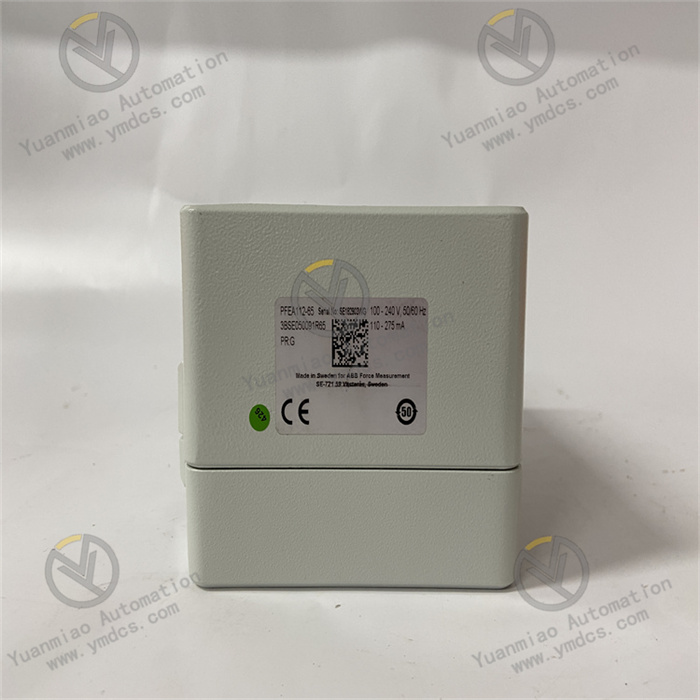
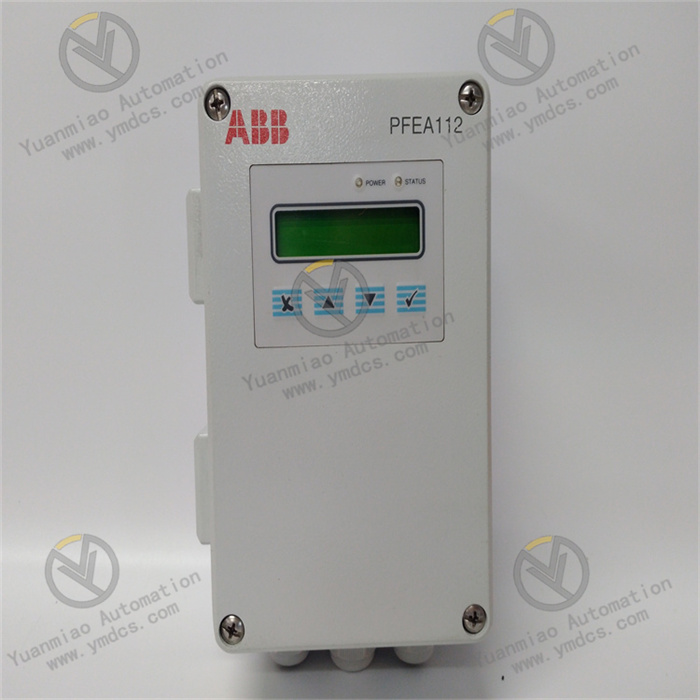
ABB PFEA112-65 3BSE050091R65
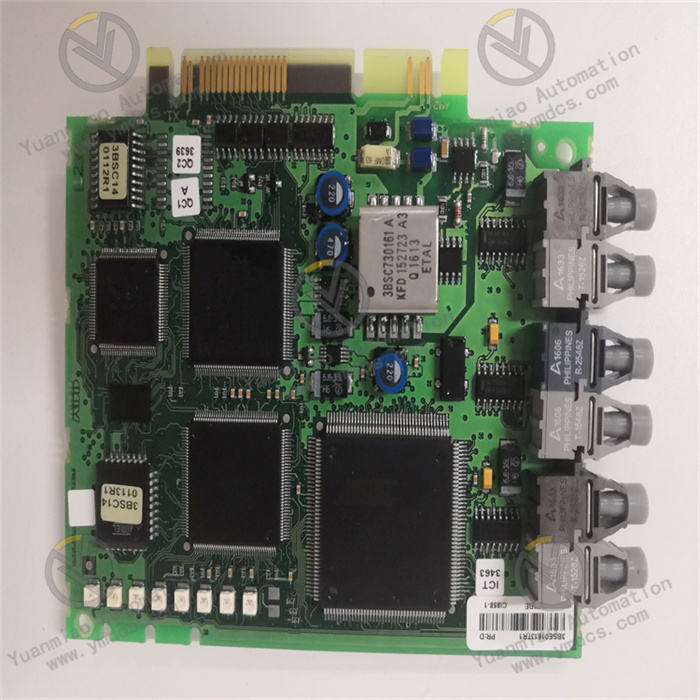
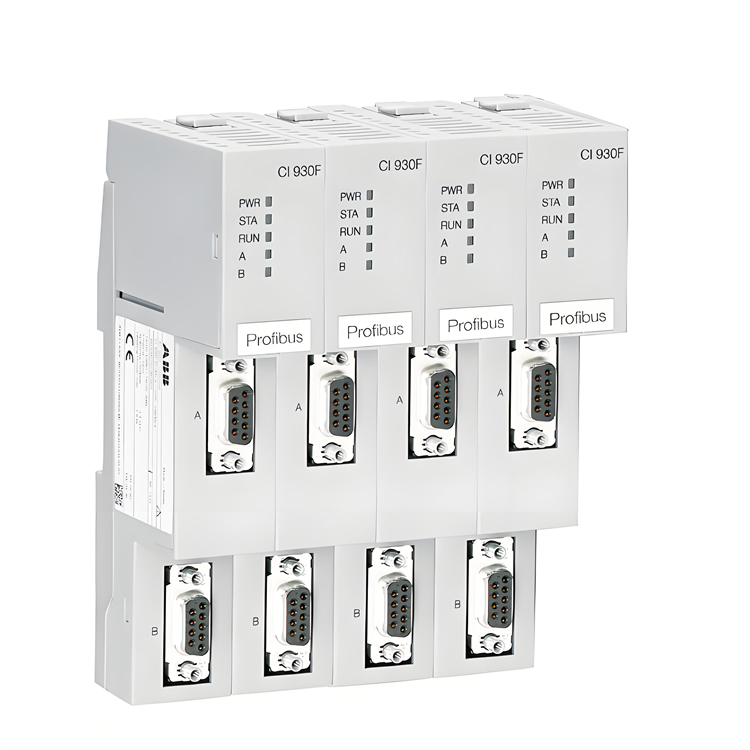
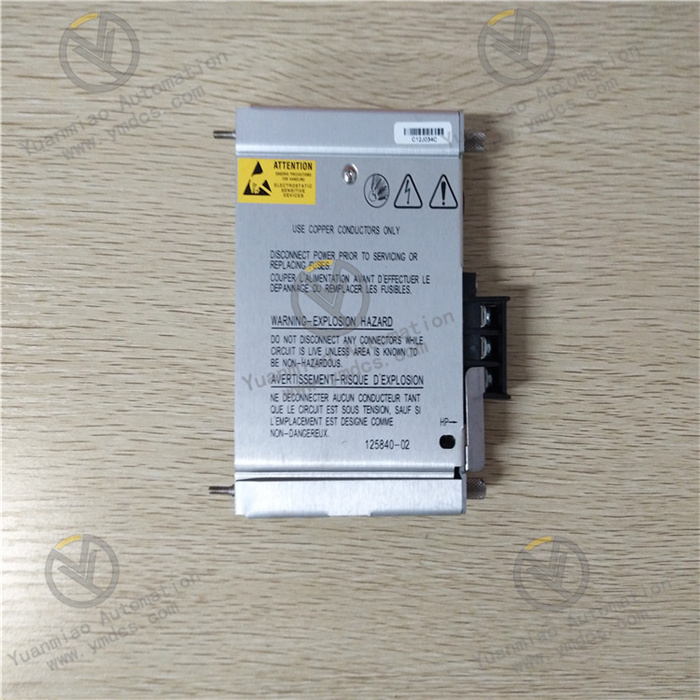
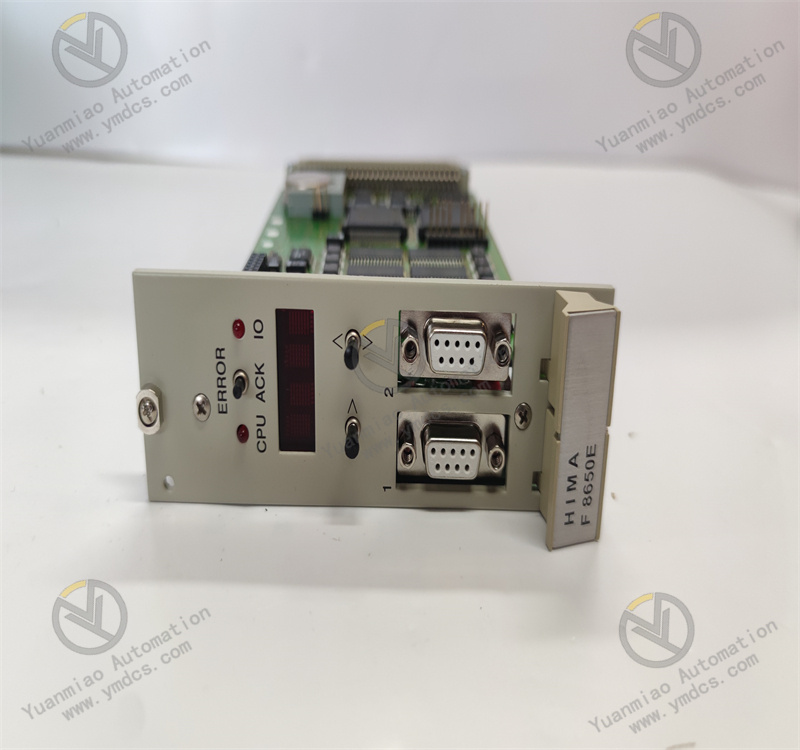
ABB PFEA112-65 (Order No.: 3BSE050091R65) is a compact tension control module equipped with a Profibus‑DP interface. It serves as core equipment for precise tension measurement, closed‑loop control, and bus communication in industrial production. It integrates five key capabilities: high‑precision measurement of ±0.1%, dual‑sensor input, Profibus‑DP bus integration, multi‑mode control, and dual protection‑grade compatibility (IP20/IP65). As an upgraded key component in the ABB Tension Electronics series (with an added Profibus‑DP communication interface compared to the PFEA111 series), it is also a core component for distributed control and remote monitoring in industrial automation tension control solutions.
This module is mainly responsible for tension signal acquisition, real‑time calculation, closed‑loop regulation, bus data exchange, and fault warning. It accurately monitors and controls tension for various webs, strips, and precision materials, effectively solving problems such as high scrap rates and difficult system integration caused by tension fluctuations in industrial scenarios. It is widely used in metal processing, papermaking and printing, textile and packaging, new energy and new materials, petrochemical and other industrial fields. Compatible with various PLC and DCS control systems as well as ABB PFCL, PFTL, PFRL series load cells, it provides reliable assurance for production stability, improved product quality, and convenient system integration.
The module performs four core tasks: tension signal acquisition, multi‑mode tension control, Profibus‑DP bus communication, and fault diagnosis and alarm. Its core function is to receive tension signals from load cells (such as ABB PFTL101A, PFCL201 horizontal load cells) through two independent tension sensor input channels (A/B). After digital filtering to eliminate mechanical vibration interference, the built‑in 32‑bit RISC high‑precision calculation module analyzes tension data, which can calculate and display real‑time SUM (A+B) and DIFF (A‑B) tension values, supporting unit switching including N, kN, kg, and lbs.
Based on the built‑in PID closed‑loop control algorithm, it adjusts the output of inverters, servo motors, and other actuators in real time to keep tension fluctuations within the preset range, with a fast and accurate response time ≤ 200 ms. It also supports seamless switching among three control modes: manual, automatic, and constant tension. Users can set the target tension and adjust relevant parameters via the front‑panel 2×16 character multi‑language LCD, and enable “simulation mode” to pre‑verify system behavior to adapt to different working conditions.
It features excellent anti‑electromagnetic interference performance in compliance with EMC standards and a built‑in cable shielding grounding point, which can effectively suppress the impact of industrial site mechanical vibration and high‑frequency inverter noise on tension measurement. The built‑in comprehensive self‑diagnosis function can detect sensor breakage, signal overranges, communication interruptions, and its own operating status in real time, trigger timely alarms, and report to the control system via Profibus‑DP bus. It supports the export of operating data logs for fault tracing and predictive maintenance, avoiding production interruptions and product scrap caused by abnormal tension control.
The module is deeply integrated into the industrial automation ecosystem. In addition to native support for the Profibus‑DP (V1) bus, it is also compatible with mainstream industrial communication protocols such as Modbus. It has flexible configuration and cascading expansion capabilities, and can be seamlessly integrated into various production line control systems and the ABB 800xA control system. It complies with industrial control equipment standards and can adapt to IP20 (cabinet installation) or IP65 (direct on‑site installation) protection grades according to the scenario, ensuring long‑term stable operation in harsh industrial environments.
It adopts an industrial‑grade compact design with small size and light weight, dimensions approximately 170 mm × 105 mm × 32 mm (subject to actual product), net weight approximately 0.12 kg, suitable for 35 mm DIN rail mounting, facilitating dense installation and deployment in narrow spaces inside industrial on‑site control cabinets. It is equipped with standardized wiring terminals for convenient connection of power, signal, and communication lines, improving installation and maintenance efficiency.
The shell is made of industrial‑grade protective material, and the protection grade can be selected as IP20 (must be installed in an electrical cabinet) or IP65 (dustproof and waterproof, directly usable in high‑dust, humid sites) according to the application scenario, providing excellent dustproof, moistureproof, and oil‑mist resistant performance to meet the needs of different harsh scenarios. It supports online parameter configuration and debugging; key settings such as control parameters and filtering parameters can be adjusted via system software or panel buttons, allowing basic operation and maintenance without professional tools.
At the same time, it has good compatibility and scalability, can be easily integrated into ABB automation systems to achieve seamless connection, supports cascading multi‑module expansion to adapt to the installation and control needs of production lines of different scales, and can also link with actuators such as inverters, motors, and cylinders to adapt to strong electromagnetic environments.
1. Technical Specifications
- Power SpecificationsPowered by industrial standard 24 VDC, voltage range 12–48 VDC (typical 24 VDC, adaptable to 18–36 VDC wide range), suitable for centralized power supply in industrial on‑site control cabinets or on‑site independent power supply scenarios.Equipped with over‑voltage, over‑current, reverse polarity, and overheating protection mechanisms to effectively prevent equipment damage caused by power abnormalities and improve operational safety.Low power consumption, typical power consumption 7.5 W, suitable for long‑term continuous operation without additional energy burden.Electrical isolation between power circuits and signal/communication circuits, built‑in cable shielding grounding point to suppress power‑side interference from intruding into the signal link and ensure tension measurement accuracy.Excitation signal frequency 330 Hz, excitation signal current 0.5 Ams, providing stable power supply and signal excitation for sensors.
- Tension Measurement and Control ParametersMeasurement accuracy: ±0.1%, enabling precise capture of small tension fluctuations and effectively reducing scrap rates.Equipped with 2 independent tension sensor input channels (A/B), supporting simultaneous connection of two load cells, real‑time calculation and display of SUM (A+B) and DIFF (A‑B) tension values, with wrap‑angle gain adaptive function, which can automatically calculate the gain coefficient in non‑standard wrap‑angle scenarios to avoid manual conversion errors.Built‑in PID closed‑loop control algorithm with response time ≤ 200 ms, which can adjust the actuator output in real time to achieve closed‑loop tension control.Supports digital filtering function, adjustable according to on‑site working conditions, to effectively filter mechanical vibration interference.Tension control range can be configured according to on‑site needs, suitable for tension control of webs, strips, and precision new materials of different materials and specifications, covering 0.1 N to 280 kN, adapting to various scenarios from precision new materials to heavy‑duty steel strips.Supports 0–10 V or 4–20 mA output signals, maximum output current 10 A, efficiency > 90%, capable of directly driving small actuators.
- Communication and Compatibility ParametersCore support for Profibus‑DP (V1) fieldbus interface, the key difference from the PFEA111 series, with a maximum data transmission rate of 12 Mbps (configurable), facilitating remote monitoring and high‑speed data exchange with various PLC and DCS control systems such as ABB 800xA and Siemens S7 series.Also compatible with mainstream industrial communication protocols such as Modbus, equipped with multiple communication interfaces including RS232, RS485, and Ethernet for convenient data exchange with the host computer.Compatible with original ABB tension sensors such as PFCL 201, PFCL 301E, PFTL 101, PFTL 201, PFTL 301E, and PFRL101, which can be directly connected to on‑site tension acquisition equipment without additional signal conversion modules.Can be easily integrated into ABB automation systems to achieve seamless connection, support cascading multi‑module expansion, and adapt to complex industrial application scenarios.Profibus address can be flexibly configured, needs to match the PLC station number, and enable terminal resistors to avoid signal reflection.
- Environmental ParametersOperating temperature range: -20°C to +50°C (IP20 version), storage temperature -40°C to +70°C; some scenarios can adapt to a wide temperature range of -40°C to +70°C. The wide‑temperature design can withstand industrial site temperature fluctuations without additional temperature control equipment, suitable for harsh scenarios such as high‑temperature ovens, low‑temperature environments, high dust, and humidity.Operating humidity range: 5% to 95% RH (non‑condensing), suitable for humid industrial environments.Two protection grade configurations: IP20 (must be installed in an electrical cabinet) and IP65 (dustproof and waterproof, directly installable on site to resist dust, humidity, and oil mist).Anti‑electromagnetic interference performance complies with EMC standards, ensuring long‑term stable operation in strongly interfered and high‑vibration industrial sites (such as metal processing workshops, textile workshops, petrochemical plant areas).Adopts natural cooling design, no mechanical fans, maintenance‑free operation, extending service life, with a mean time between failures (MTBF) of more than 50,000 hours.
- Physical and Installation ParametersCompact design, dimensions approximately 170 mm × 105 mm × 32 mm (subject to actual product), net weight approximately 0.12 kg, small and light for dense installation and narrow‑space deployment.Supports 35 mm DIN rail mounting, suitable for standard industrial control cabinets without additional accessories.Equipped with standardized wiring terminals for convenient wiring, enabling quick connection of power, signal, and communication lines. The typical sensor wiring sequence is 3‑1‑2‑4 (3/1: excitation; 2/4: signal).Equipped with a 2×16 character multi‑language LCD and dual‑color LED status indicators, which can visually display equipment power, operation, fault, and sensor working status for basic fault location. Supports quick parameter configuration via panel buttons, and calibration can be completed without connecting to a host computer.
2. Features
- High‑precision tension measurement for improved product qualityAccuracy of ±0.1% enables precise monitoring of small tension fluctuations. Combined with digital filtering and wrap‑angle gain adaptive functions, it effectively filters mechanical vibration interference and avoids wrap‑angle conversion errors, further improving the stability and accuracy of tension measurement. In scenarios such as stainless steel cold rolling, ultra‑thin strip production, and lithium battery separator coating, it achieves wide‑range tension control, preventing material breakage, wrinkling, or slack, significantly reducing scrap rates. For example, in a steel cold rolling line, strip thickness fluctuation can be controlled within ±0.01 mm, reducing annual scrap rate by 12%.
- Dual‑sensor input and flexible multi‑mode controlEquipped with 2 independent sensor input channels, which can calculate and display real‑time SUM (A+B) and DIFF (A‑B) tension values to adapt to different tension measurement needs. Supports seamless switching among manual, automatic, and constant tension control modes. Target parameters can be set via the panel multi‑language LCD, and “simulation mode” can be enabled to pre‑verify system behavior, flexibly adapting to different production processes and working conditions. SetZero can be performed before threading to eliminate the influence of equipment dead weight and ensure measurement accuracy.
- Profibus‑DP bus integration for convenient remote monitoringAs a core upgrade highlight, the built‑in Profibus‑DP (V1) fieldbus interface enables remote data exchange and monitoring with PLC and DCS control systems, supporting remote configuration of tension parameters, remote fault alarms, and remote data collection, greatly improving the convenience of system integration and reducing the maintenance difficulty of distributed production lines. It is also compatible with multiple communication interfaces and protocols, which can be seamlessly integrated into the existing automation network and reduce system upgrade costs.
- Dual protection‑grade adaptation for strong environmental adaptabilityIP20 or IP65 protection grade can be selected according to the application scenario. The IP65 version can be directly installed on site, with excellent dustproof, waterproof, and oil‑mist resistant performance, suitable for harsh industrial environments such as high dust, humidity, and oil mist. Wide‑temperature design, excellent anti‑electromagnetic interference performance, and built‑in cable shielding grounding point can effectively resist harsh environmental impacts such as strong interference, high vibration, and temperature fluctuations on industrial sites. Natural cooling design, no mechanical fans, maintenance‑free operation, greatly improving equipment operation stability and service life.
- Intelligent diagnosis for convenient and efficient operation and maintenanceBuilt‑in comprehensive self‑diagnosis system can detect faults such as sensor breakage, signal overranges, communication interruptions, power abnormalities, and overheating in real time, trigger timely alarms and report to the control system via the bus. Supports the export of operating data logs for fault tracing and analysis. Supports online parameter configuration and debugging, with convenient operation via panel buttons and LCD. Basic fault location and maintenance can be completed without professional tools, reducing maintenance workload and downtime. The design is easy to maintain and replace, further reducing user maintenance costs.
3. Operating Principle
- Initialization and Link EstablishmentAfter power‑on, the equipment completes self‑test, initializes the internal 32‑bit RISC calculation module, communication interface (including Profibus‑DP interface), and sensor input channels, and completes excitation signal initialization. The connection with load cells, actuators (inverters, servo motors), and control systems (PLC/DCS) is completed through standardized wiring terminals. The Profibus‑DP address is configured to match the PLC station number, its own configuration parameters and tension control target values are obtained, and after parameter calibration and zeroing, it enters the standby working state. Manual, automatic, or constant tension control mode can be selected as required.
- Tension Signal Acquisition and ProcessingTension signals from load cells (such as PFTL series, PFCL series) are received through dual independent sensor input channels, and the 3‑1‑2‑4 wiring sequence is followed to ensure stable signal transmission. The digital filtering function is activated to filter on‑site interference such as mechanical vibration. Then the built‑in high‑precision calculation module completes signal amplification and digital processing, accurately analyzes the current tension data, calculates and displays SUM (A+B) and DIFF (A‑B) values in real time, and automatically adjusts the gain coefficient according to the wrap angle to provide accurate data support for tension regulation.
- Tension Calculation and Multi‑mode RegulationThe analyzed actual tension data is compared with the preset control target value. The built‑in PID closed‑loop control algorithm calculates the adjustment deviation and generates control commands. According to the selected control mode, the control commands are sent to actuators (inverters, servo motors) through the communication interface to adjust the actuator output and realize real‑time tension regulation, ensuring that the tension is stable within the preset range. Seamless mode switching is supported to adapt to the tension control needs of different production processes, and control parameters can be flexibly adjusted according to material characteristics.
- Bus Communication and Fault MonitoringReal‑time data exchange with the control system is realized through the Profibus‑DP bus, uploading tension data and equipment operating status to the PLC/DCS, while receiving remote configuration commands and control target values issued by the control system. The working status and signal quality of the dual sensors are monitored in real time; if abnormalities such as sensor breakage or signal overrange are detected, an alarm is triggered immediately. At the same time, the equipment power supply, communication link (including Profibus‑DP bus), and its own working status are continuously monitored. When problems such as power abnormality, communication interruption, or overheating are detected, an alarm is triggered in time, and fault information is recorded and stored in logs for subsequent tracing.
- Alarm Reporting and Fault HandlingWhen a fault occurs, the fault type is displayed through the panel LED indicators and LCD, and the fault information is reported to the control system (PLC/DCS) via the Profibus‑DP bus to remind operation and maintenance personnel to handle it in a timely manner. At the same time, the fault protection mechanism is activated to avoid production accidents and product scrap caused by uncontrolled tension. Fault log export is supported, and operation and maintenance personnel can quickly locate the fault cause through logs (e.g., communication interruption may be due to Profibus address conflict or damaged cable shielding layer). After the fault is eliminated, the equipment automatically resumes normal working status.
4. Applications and Case Examples
- Metal Processing IndustryIn scenarios such as stainless steel cold rolling, aluminum foil slitting, and ultra‑thin strip production, connected with ABB PFTL series and PFCL series load cells to achieve wide‑range tension control of 7–280 kN. It can precisely control the tension of 30 μm ultra‑thin strips, keeping fluctuations within a very small range. At the same time, remote monitoring and parameter adjustment are realized through the Profibus‑DP bus, avoiding strip stretching, deformation, and breakage, and improving the quality of rolled and slit products. For example, in a steel cold rolling line, strip thickness fluctuation is controlled within ±0.01 mm, reducing annual scrap rate by 12%.
- Papermaking and Printing IndustryUsed on equipment such as paper coating machines, gravure printing machines, and rewinding machines to maintain constant paper tension, avoiding registration errors, paper breakage, or wrinkles, ensuring printing accuracy and paper flatness. The IP65 protection grade version can be directly installed in humid and dusty sites in papermaking workshops without additional protective measures. Multi‑equipment coordinated control is realized through the Profibus‑DP bus, improving printing product quality and production efficiency. After installing this module on a rewinding machine in a packaging factory, material waste rate was reduced by 18% and downtime by 40%.
- Textile and Packaging IndustryIn scenarios such as textile yarn winding, film stretching, and packaging bag production, it controls the tension of yarn and film to ensure smooth fabric and uniform thickness of packaging bags, avoiding stretching, deformation, or slipping. It adapts to the strong interference environment in textile workshops. Through multi‑mode control and Profibus‑DP remote monitoring, it flexibly adapts to different textile and packaging process requirements, effectively reducing problems such as yarn breakage and film damage.
- New Energy and New Materials IndustryIn precision new material processing scenarios such as lithium battery separator coating, photovoltaic backsheet slitting, and photovoltaic silicon wafer cutting, it precisely controls material tension (e.g., 0.1–5 N for lithium battery copper foil/aluminum foil substrates), avoiding material damage and uneven stretching, ensuring the accuracy and quality of new material products. Wide temperature range and dual protection‑grade design adapt to temperature fluctuations and complex on‑site environments during new material processing. Remote monitoring and parameter optimization of the production process are realized through the Profibus‑DP bus. For example, in photovoltaic silicon wafer cutting, diamond wire tension fluctuation can be controlled within ±0.3 μm, reducing silicon wafer thickness tolerance.
- Petrochemical IndustryIn scenarios such as cable insulation thickness control and web processing, it adapts to harsh on‑site environments with high dust and oil mist (IP65 version), monitors and controls web tension in real time, avoiding product defects caused by uneven material stretching. It is integrated into the petrochemical distributed control system through the Profibus‑DP bus to realize 7×24‑hour uninterrupted operation and ensure production continuity.