Description
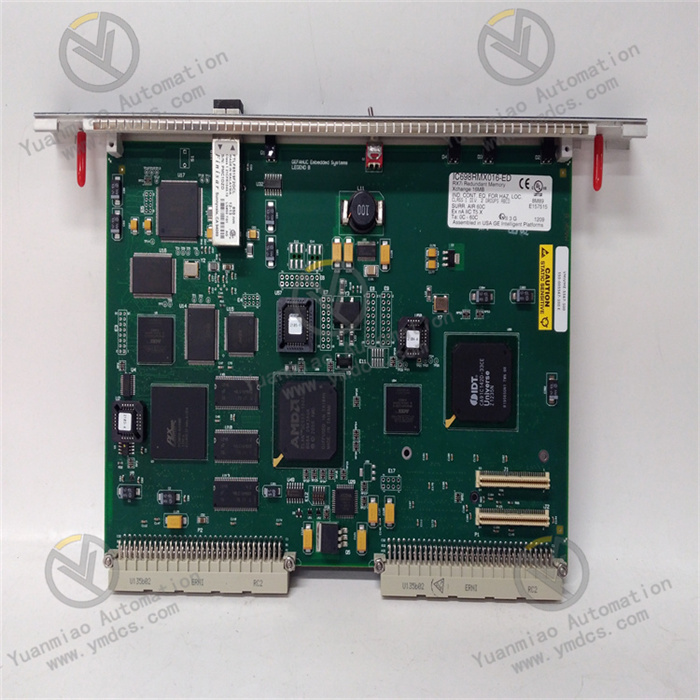
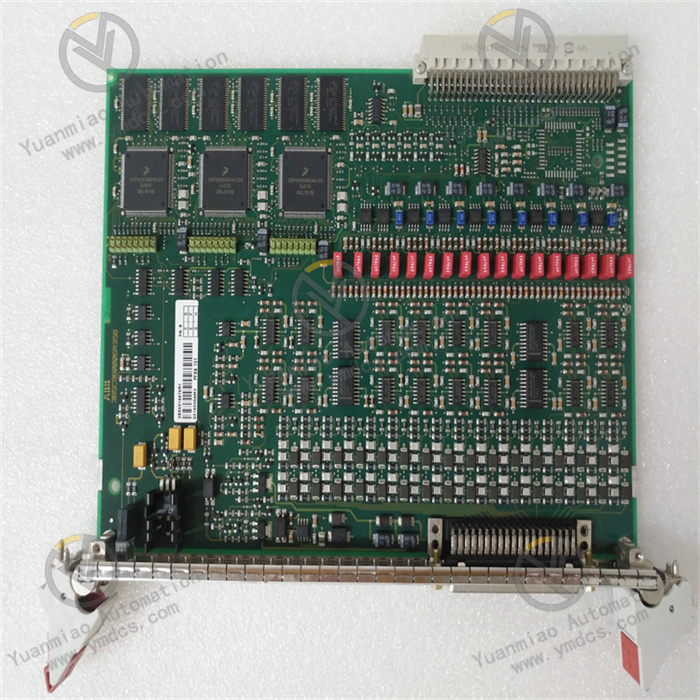
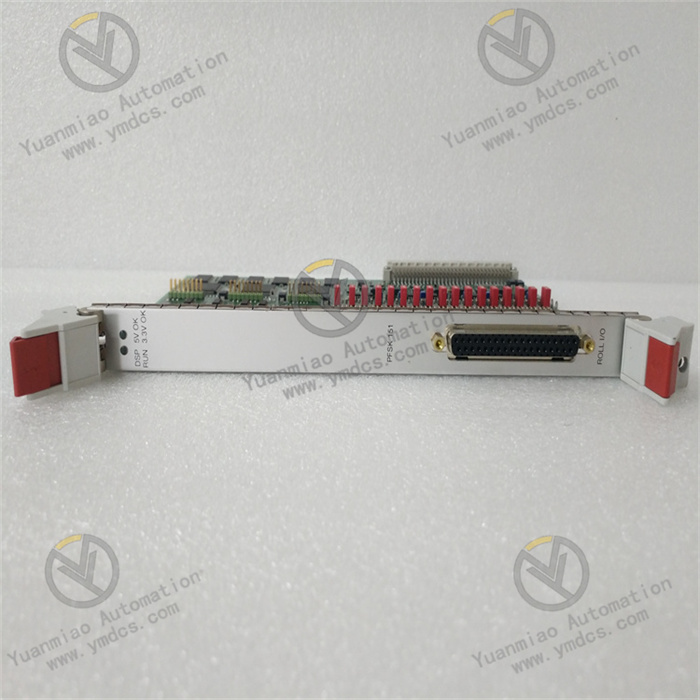
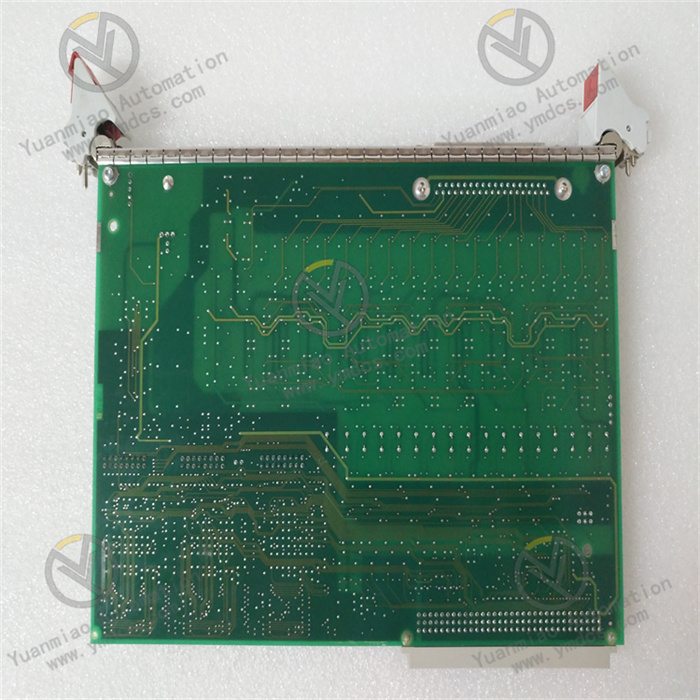
ABB PFSK151 3BSE018876R1
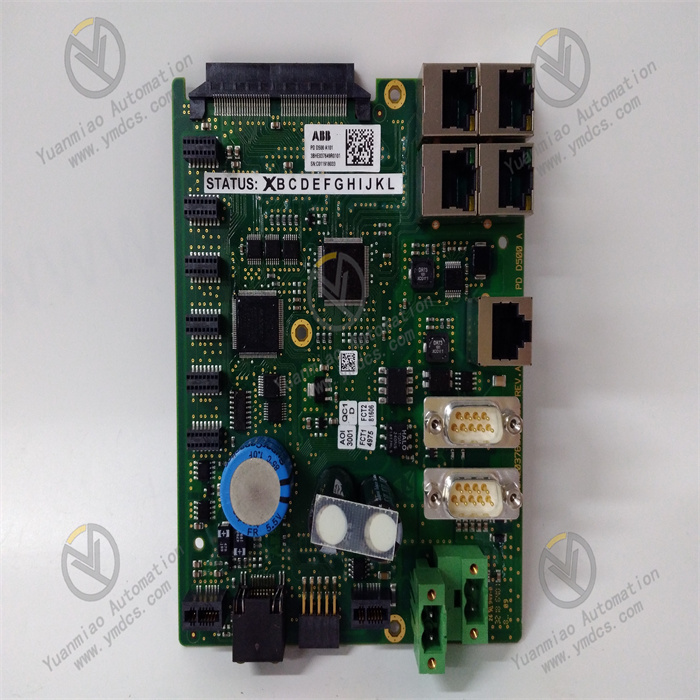
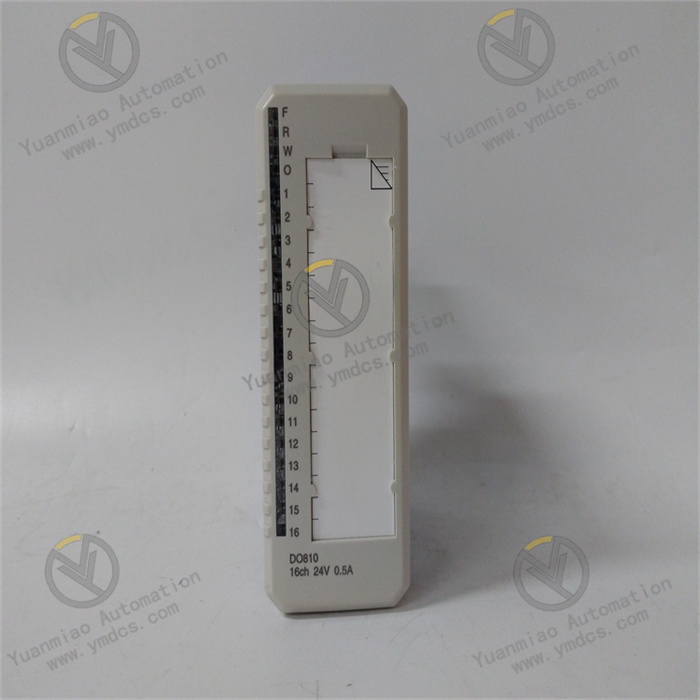
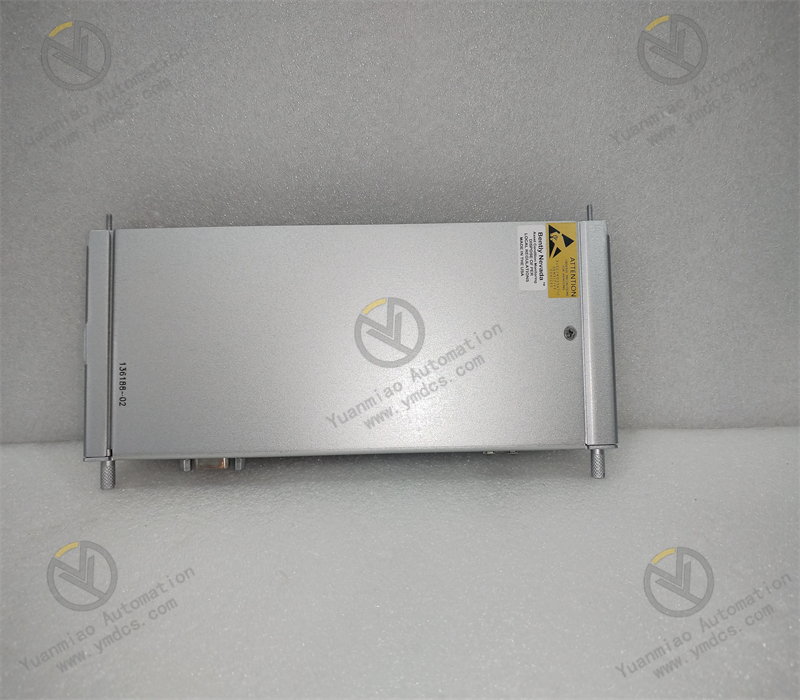
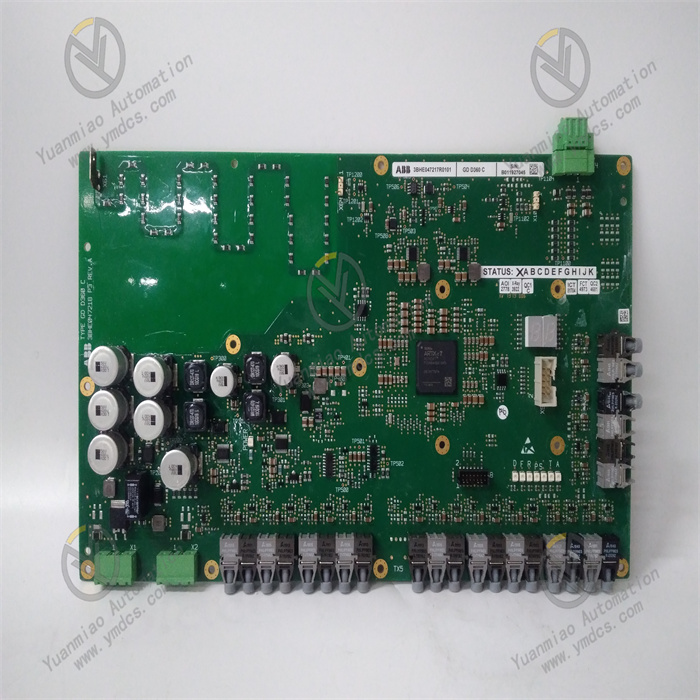
ABB PFSK151 (Order No. 3BSE018876R1) is a communication interface module, specially designed for signal interaction and network communication in industrial Distributed Control Systems (DCS). Integrated with redundant communication links, multi-protocol conversion and fault diagnosis functions, it serves as a key hub component connecting Field Control Units (FCU) and the main control system. With high reliability, redundant fault tolerance and wide system compatibility, this module is widely used in industrial scenarios such as power generation, metallurgy and petrochemicals, providing core support for stable data transmission and coordinated control of DCS.
1. Product Attributes
Positioned as the communication bridge unit of the Advant OCS 400 system, this module is distinguished from general-purpose I/O modules. It focuses on the requirements for real-time performance, security and redundant backup of industrial-grade data interaction, while balancing system scalability and operation and maintenance convenience. The specific basic information is as follows:
- Product Model: PFSK151 (Order No.: 3BSE018876R1)
- Product Type: Industrial-grade redundant communication interface module, compatible with the Advant OCS 400 DCS. It integrates ProfiBus DP master/slave communication, system internal bus (SBUS) interaction and redundant link switching functions, enabling bidirectional data transmission between field control units and the main control server.
- Core Purpose: Acting as the communication gateway of the Advant OCS 400 system, it receives process data (temperature, pressure, flow rate, etc.) collected by field I/O modules and transmits the data to the main control system via the ProfiBus DP bus; meanwhile, it receives control commands issued by the main control terminal and forwards them to field execution units. Built-in redundant link monitoring and switching logic ensures uninterrupted system operation in case of communication interruption. It supports fault diagnosis and status reporting, facilitating maintenance personnel to quickly locate communication faults.
2. Technical Specifications
2.1 Electrical and Communication Performance Parameters
| Parameter Category | Core Indicators | Description |
|---|---|---|
| Communication Protocol | Supports ProfiBus DP V0/V1 and ABB SBUS | ProfiBus DP is used to connect third-party devices (frequency converters, PLC, etc.); SBUS is used for interaction between FCU and the main control unit within the system |
| Communication Rate | ProfiBus DP: up to 12 Mbps; SBUS: 5 Mbps | Supports automatic rate adaptation, matching the optimal transmission rate according to link length to ensure data real-time performance |
| Redundancy Design | Dual ProfiBus DP interfaces + dual SBUS interfaces, supporting hot redundant switching | In case of main link failure, the standby link switches within milliseconds without data loss, meeting the requirements of high-availability systems |
| Data Interaction Capability | Supports transmission of up to 2048 digital I/O points / 512 analog I/O points | Adapted to the multi-parameter monitoring and control requirements of large-scale industrial installations, with a data refresh cycle of < 100ms |
| Power Supply Requirements | 24V DC redundant power supply, power consumption ≤ 15W | Supports dual-channel power input, with automatic switching in case of power failure to ensure continuous module operation |
2.2 Physical and Protection Specifications
- Dimensions and Weight: Approximately 210mm × 120mm × 60mm in size, with a net weight of about 0.8kg. The compact design is suitable for dense cabinet layout without occupying additional installation space.
- Protection and Material: The housing is made of high-strength aluminum alloy with an IP20 protection rating (for cabinet installation). It has vibration resistance (compliant with IEC 60068-2-6 standard) and impact resistance, adapting to the mechanical vibration environment of industrial sites.
- Installation Method: DIN rail mounting, connected to the system motherboard via a dedicated backplane connector. Wiring adopts screw terminal blocks, enabling easy disassembly and assembly without professional tools.
- Interface Configuration: 2×ProfiBus DP bus interfaces (DB9 connectors), 2×SBUS interfaces (ABB dedicated connectors), 1×diagnostic serial port (RS232), and status indicator lights (Power/Run/Communication/Fault).
2.3 Environmental Adaptability
- Temperature Range: Operating temperature: -10℃ ~ +60℃; Storage temperature: -40℃ ~ +85℃. Suitable for high and low temperature working conditions such as thermal power plants and metallurgical workshops.
- Anti-interference Performance: With 4kV surge protection capability, its electromagnetic interference suppression complies with IEC 61000-4 standard, resisting interference from strong electromagnetic radiation equipment such as frequency converters and motors in industrial sites.
- Humidity Adaptability: Operating humidity: 5% ~ 95% (non-condensing). It can operate stably for a long time in high-humidity industrial environments without performance degradation.
3. Compatible Systems and Hardware Combinations
- Compatible Control Systems: Core compatibility with the ABB Advant OCS 400 distributed control system. It can be used as a communication master station to connect third-party ProfiBus devices, or as a slave station to access the upper-layer SCADA system. It is compatible with some extended applications of the ABB Symphony Plus system (gateway conversion required).
- Supporting Equipment and Links: Connectable to ABB Advant OCS 400 series FCU control units, DI/DO/AO/AI modules, as well as third-party ProfiBus DP devices (e.g., ABB ACS800 frequency converters, Siemens S7-300 PLC). Shielded twisted-pair cables are recommended for ProfiBus bus connection, with the shielding layer reliably grounded. The maximum bus length is ≤ 1000m (at a rate of 12Mbps).
- Expansion and Linkage: Supports linkage with the ABB Industrial IT system to realize remote data monitoring and parameter configuration. It can be connected to a portable computer via the diagnostic serial port for fault diagnosis and firmware upgrade. Multi-module parallel deployment is supported, adapting to the regional communication requirements of large-scale industrial installations.
4. Product Features
Dual Redundant Communication Links Ensuring High Availability
Multi-protocol Compatibility Enabling Flexible System Integration
Supporting both ProfiBus DP and ABB SBUS protocols, it can not only realize internal system data interaction, but also connect third-party industrial equipment, breaking the communication barriers between devices of different brands and improving the integration flexibility of the DCS.
Real-time Diagnosis and Status Reporting Improving Operation and Maintenance Efficiency
Industrial-grade Robust Design Adapting to Harsh Working Conditions
5. Application Scenarios and Safe Operation Precautions
5.1 Application Scenarios
- Power Generation Industry: Used in the DCS of boilers and steam turbine units in thermal power plants, realizing data interaction between field control units and the main control room, ensuring the real-time performance of unit load regulation and safety interlock.
- Petrochemical Industry: Adapted to the distributed control systems of refineries and chemical plants, connecting field instruments and actuators to achieve precise monitoring and control of process parameters, meeting the safe operation requirements of flammable and explosive working conditions.
- Metallurgical Industry: Used in the automatic control systems of blast furnaces and converters in steel plants, transmitting key data such as temperature, pressure and flow rate to ensure the stability and continuity of the smelting process.
5.2 Safe Operation and Maintenance Specifications
- Installation and wiring must be performed by professional technical personnel. Before operation, disconnect the system power supply and communication links, and confirm no voltage or signal transmission before disassembling and assembling the module to avoid electric shock or communication faults.
- ProfiBus bus wiring must strictly follow the "terminating resistor matching" principle. 120Ω terminating resistors must be connected at both ends of the bus to avoid communication abnormalities caused by signal reflection; the grounding resistance of the shielded cable must be ≤ 4Ω.
- Regularly check the module status indicator lights and connector tightness. If a communication fault is detected, fault codes can be read via the diagnostic serial port, with priority given to troubleshooting link connections and terminating resistor configurations.