Description
ABB AX670 3BSE000566R1
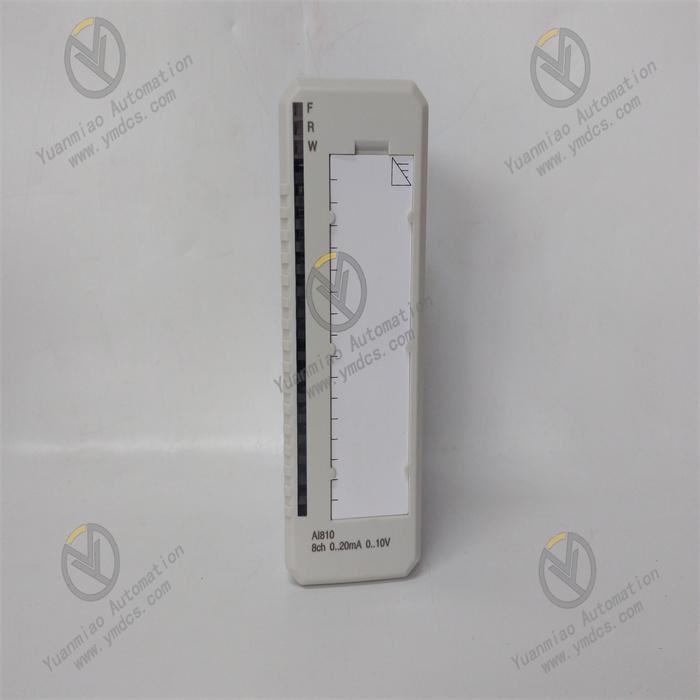
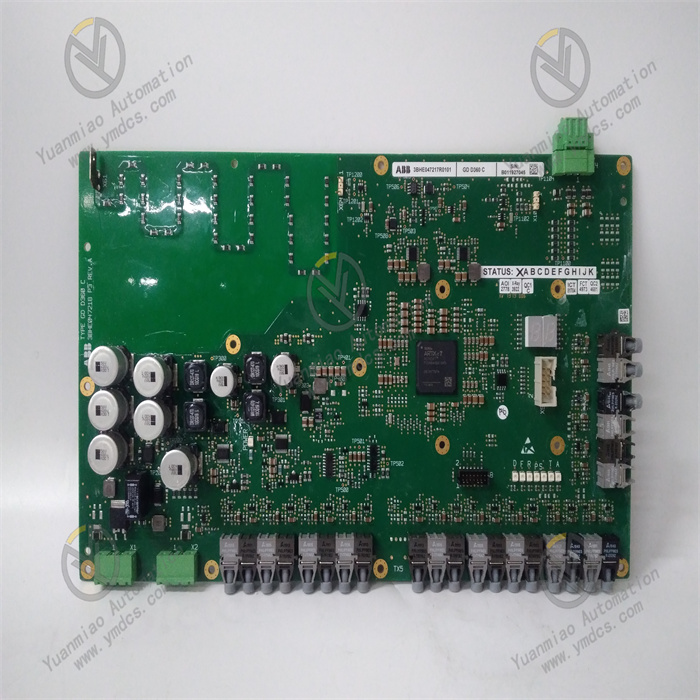
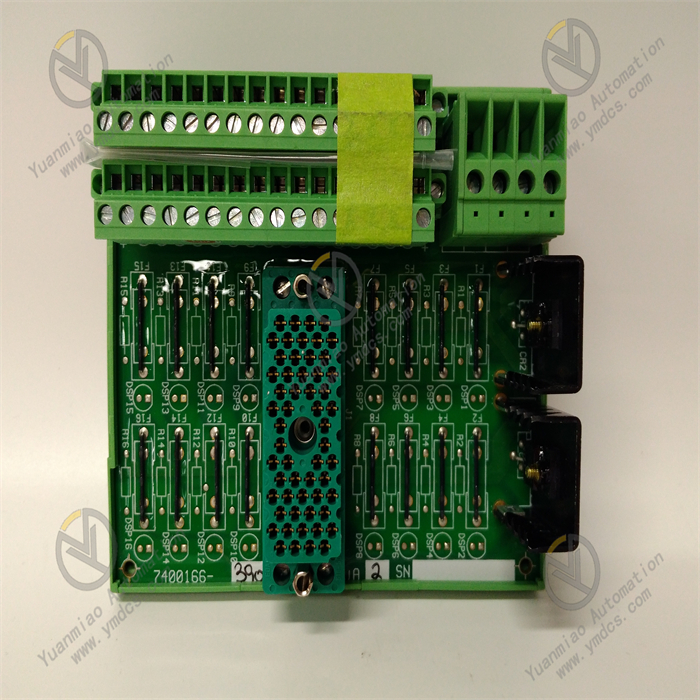
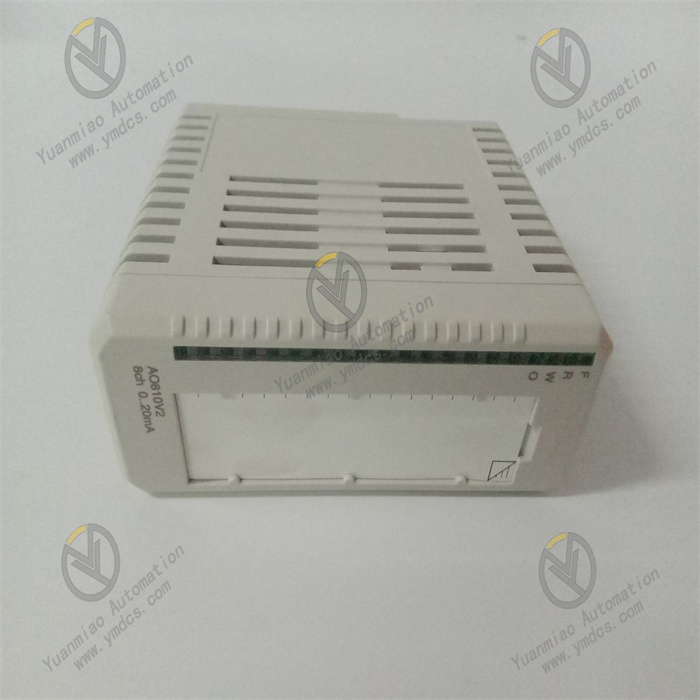
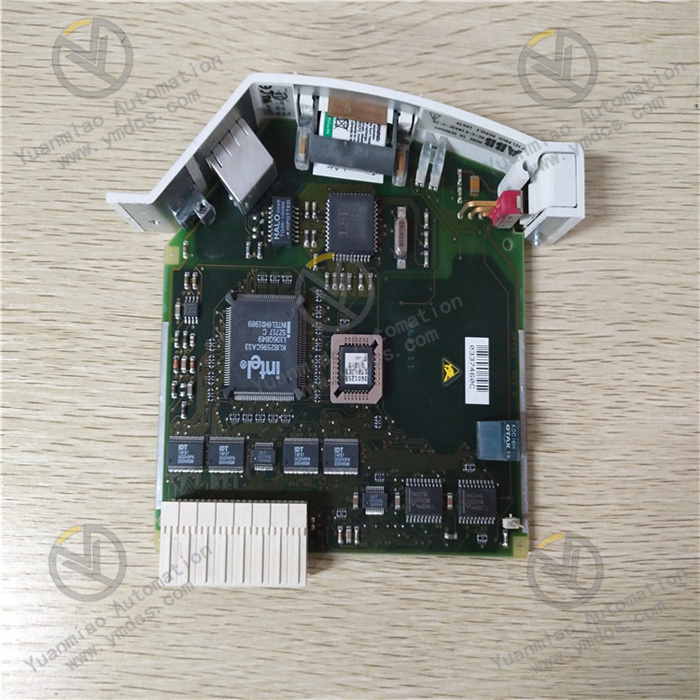
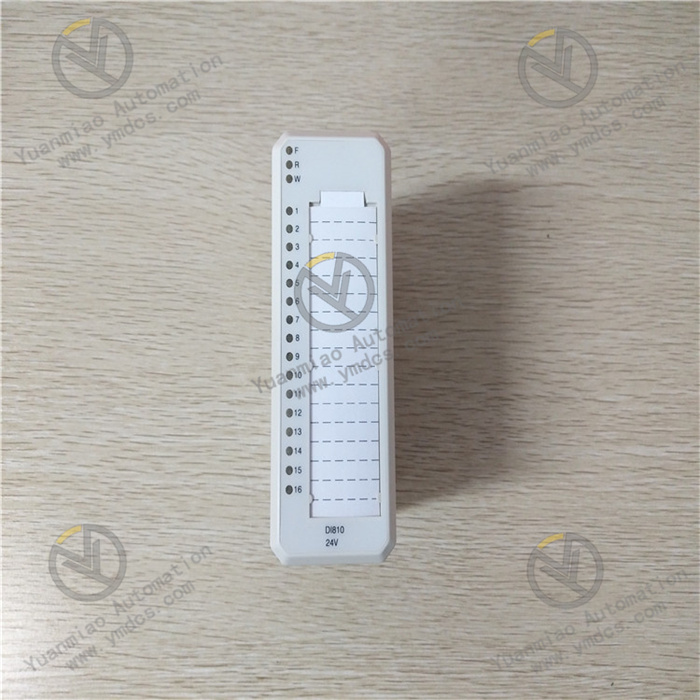
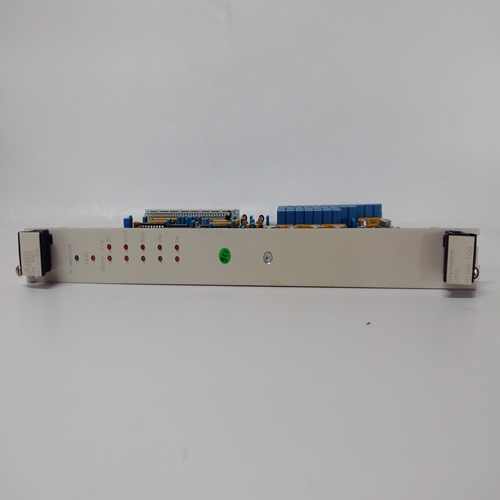
ABB AX670 3BSE000566R1 is an analog hybrid module integrating 8 channels of high-precision analog input and 4 channels of analog output. It is designed for the acquisition of analog signals such as temperature, pressure and flow rate, as well as the output of control commands in industrial processes. Suitable for centralized analog processing scenarios of medium and large-scale DCS in industries including power generation, metallurgy and chemical engineering, it balances precision and expansion flexibility.
1. Product Attributes
| Attribute | Details |
|---|---|
| Product Model | AX670 (Order No.: 3BSE000566R1) |
| Product Type | Industrial-grade analog hybrid I/O module, compatible with the ABB Advant OCS distributed control system. It provides hybrid signal processing capability of 8 AI + 4 AO channels, supports multiple types of analog signals, and serves as a core signal conditioning component for process control |
| Core Purpose | Acting as the analog I/O hub of the Advant OCS system, it collects voltage/current signals (e.g., 4-20mA, 0-10V) from field instruments, uploads the signals to the main control system after high-precision conversion; meanwhile, it receives control commands and drives actuators such as control valves and frequency converters via 4 AO channels. It supports channel-level fault diagnosis and is suitable for continuous process control requirements of medium and large-scale installations |
| Typical Positioning | Different from pure input/output modules, it focuses on centralized hybrid signal processing. Suitable for industrial scenarios requiring simultaneous acquisition of multiple types of analog parameters and implementation of closed-loop control, it balances system expansion costs and signal processing efficiency |
2. Technical Specifications
2.1 Electrical and Signal Performance Parameters
| Parameter Category | Core Indicator | Description |
|---|---|---|
| Channel Configuration | 8 analog input (AI) + 4 analog output (AO) channels | Independent isolation between AI and AO channels reduces inter-channel interference and improves measurement accuracy |
| Signal Type | AI: 4-20mA, 0-20mA, ±10V; AO: 4-20mA, 0-20mA, ±10V | Compatible with mainstream industrial instrument signals, suitable for acquisition and control of parameters such as pressure, temperature and flow rate |
| Measurement Accuracy | AI: ±0.1% F.S.; AO: ±0.1% F.S. | High-precision conversion meets the requirements for accurate monitoring and regulation of process parameters |
| Sampling/Refresh Cycle | AI sampling cycle ≤250ms; AO refresh cycle ≤100ms | Meets the real-time requirements of process control and ensures regulation response speed |
| Isolation Level | 250V AC isolation between channels / between channels and the system | Complies with the IEC 61010 safety standard and suppresses common-mode interference in industrial sites |
| Power Supply Requirements | 24V DC single-channel power supply, power consumption ≤8W | Supports wide voltage input (20~28V DC), adapted to conventional industrial power supply environments |
2.2 Physical and Protection Specifications
| Parameter Category | Core Indicator | Description |
|---|---|---|
| Dimensions and Weight | Approximately 200mm×115mm×55mm, net weight about 0.8kg | Compact design, compatible with the installation dimensions of AX671/AX672 modules in the same series, supporting direct replacement and upgrade |
| Protection and Material | Housing made of high-strength engineering plastic, protection class IP20 (for cabinet installation) | Vibration resistance complies with the IEC 60068-2-6 standard (5-150Hz, amplitude 0.1mm), adapting to industrial vibration environments |
| Installation Method | DIN rail mounting, connected to the system motherboard via standard backplane connectors | Screw-locking terminals with anti-loosening design, no special tools required for disassembly and assembly |
| Interface Configuration | 1×SBUS system interface, 12 signal terminals (8 AI / 4 AO), 1 set of status indicator lights (Power/Run/Channel Fault) | Supports local link status indication for quick location of communication and channel faults |
2.3 Environmental Adaptability
| Parameter Category | Core Indicator | Description |
|---|---|---|
| Temperature Range | Operating temperature: 0℃~+55℃; Storage temperature: -20℃~+70℃ | Adapted to conventional industrial workshop working conditions, not suitable for extreme temperature zones |
| Anti-interference Performance | Equipped with 2kV surge protection, EMC compliant with IEC 61000-4 series standards | Resists electromagnetic interference from field equipment such as frequency converters and motors |
| Humidity Adaptability | Operating humidity: 10%~90% (non-condensing) | Capable of long-term stable operation in high-humidity and dusty industrial environments |
3. Compatible Systems and Hardware Combinations
- Compatible Control Systems: Core compatibility with the ABB Advant OCS distributed control system, compatible with Advant Controller 31/41 control units. It can be linked with communication modules such as PFSK142 to realize system-level interaction of analog data; supports basic linkage with the ABB Industrial IT system for convenient remote monitoring and data traceability.
- Supporting Equipment and Links: Compatible with Advant OCS series I/O subsystems, field instruments (e.g., electromagnetic flowmeters, pressure transmitters, thermocouples/thermal resistors) and actuators (e.g., control valves, variable frequency drives). Shielded twisted-pair cables are recommended for connecting signal terminals; signal circuits and power circuits should be routed separately with a grounding resistance ≤4Ω to prevent signal distortion.
- Expansion and Linkage: Supports channel parameter configuration (range, filtering, alarm threshold) via ABB Control Builder software; supports channel-level fault diagnosis and reports system alarms in case of abnormalities for quick location of faulty channels; supports parallel deployment of multiple modules, adapting to the regional analog processing requirements of large-scale installations.
4. Product Features
- Hybrid Signal Integration: The 8AI+4AO channel configuration reduces the number of modules and cabinet space occupation, lowers system integration costs, and is suitable for centralized signal processing requirements of medium and large-scale DCS.
- High Precision and Stability: With ±0.1% F.S. measurement accuracy, wide-temperature and strong anti-interference design, it ensures the accuracy of process parameter acquisition and the stability of control.
- Installation Compatibility and Convenient Upgrade: Compatible with the installation dimensions of modules in the same series, existing systems can be directly replaced without modifying cabinet layout and wiring, reducing transformation difficulty.
- Efficient Operation and Maintenance: Local status indicator lights plus channel-level diagnosis function enable quick identification of module operation and channel faults, shortening maintenance time and improving system availability.
5. Application Scenarios and Safe Operation Precautions
5.1 Application Scenarios
- Power Generation Industry: Acquisition and regulation of temperature, pressure and flow parameters of steam turbine/boiler systems in thermal power plants, ensuring stable operation of units.
- Metallurgical Industry: Closed-loop control of parameters such as hydraulic system pressure and rolling speed in steel rolling production lines, improving the stability of product quality.
- Chemical Engineering Industry: Accurate monitoring and regulation of temperature, liquid level and flow rate of reactors, adapting to the strict control requirements of continuous production processes.
5.2 Safe Operation and Maintenance Specifications
- Installation and wiring must be performed by professional personnel. Before operation, disconnect the system power supply and confirm no voltage exists before disassembly and assembly to avoid electric shock or module damage.
- Signal wiring must match terminal specifications; shielded cables should be used for analog signals with the shielding layer grounded at a single point to prevent measurement errors caused by interference.
- Regularly check the module status indicator lights, terminal tightness and channel accuracy. In case of drift or faults, calibrate or replace the module in a timely manner.