Description
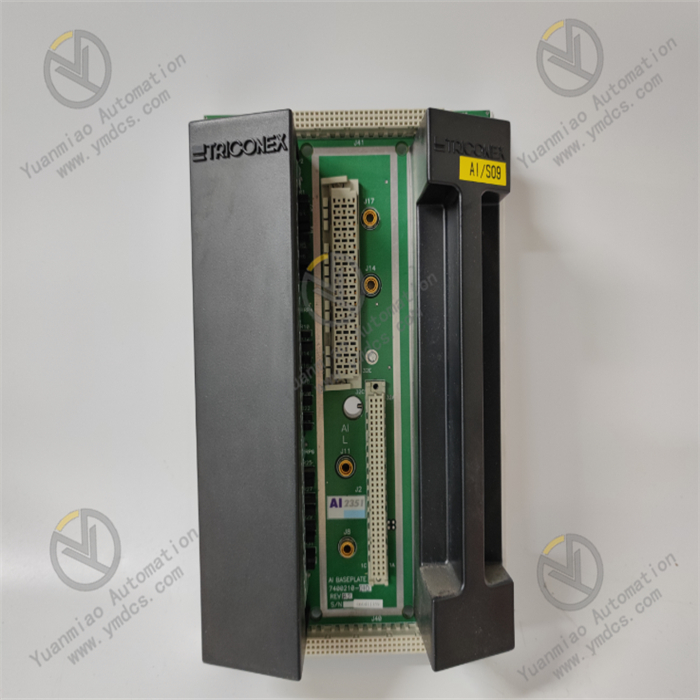
Triconex 2381
I. Overview
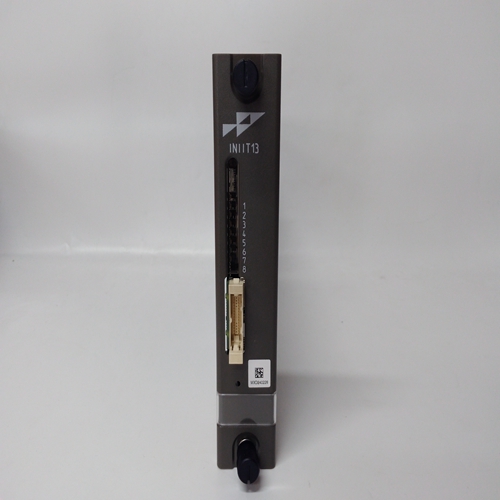
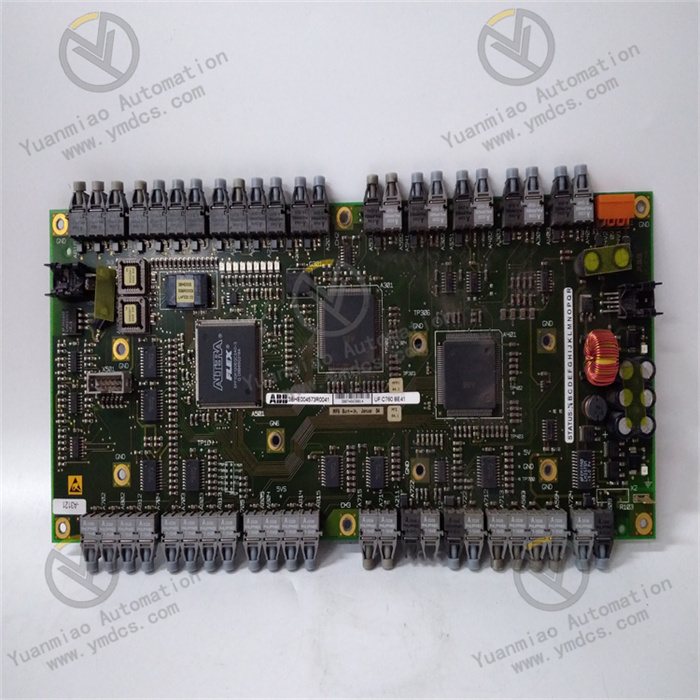
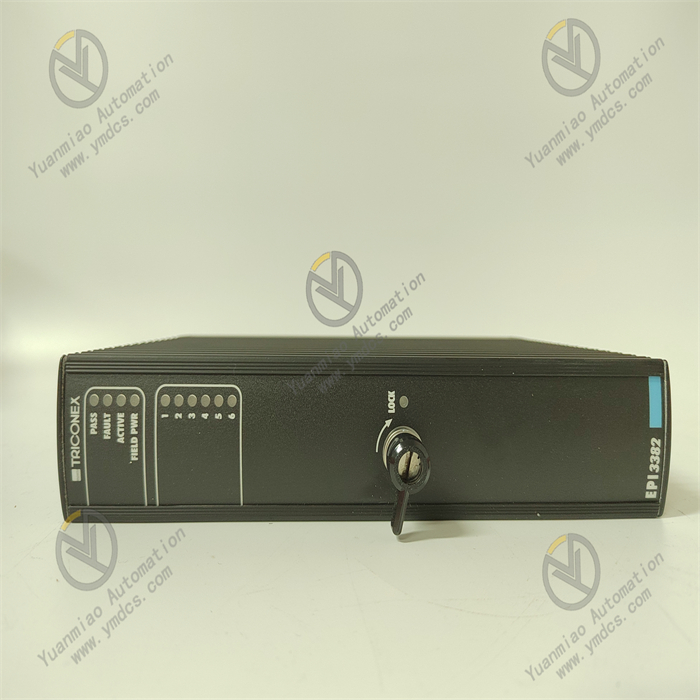
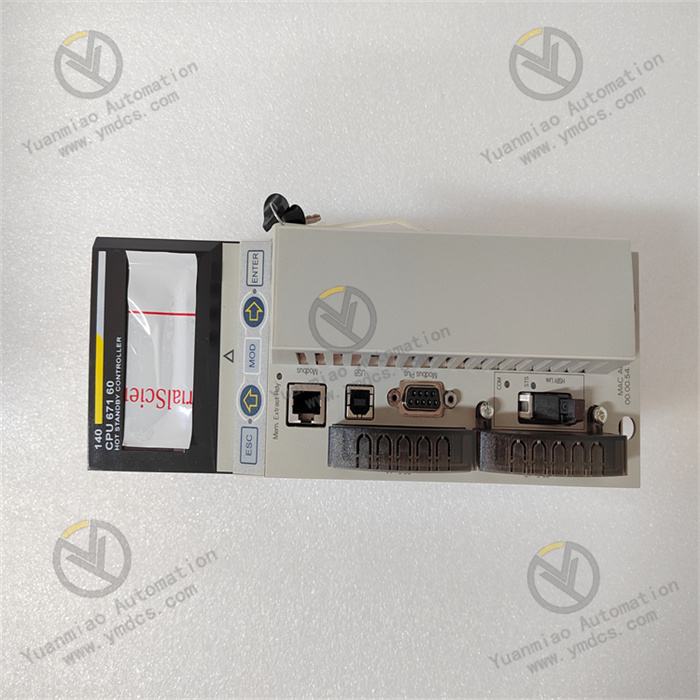
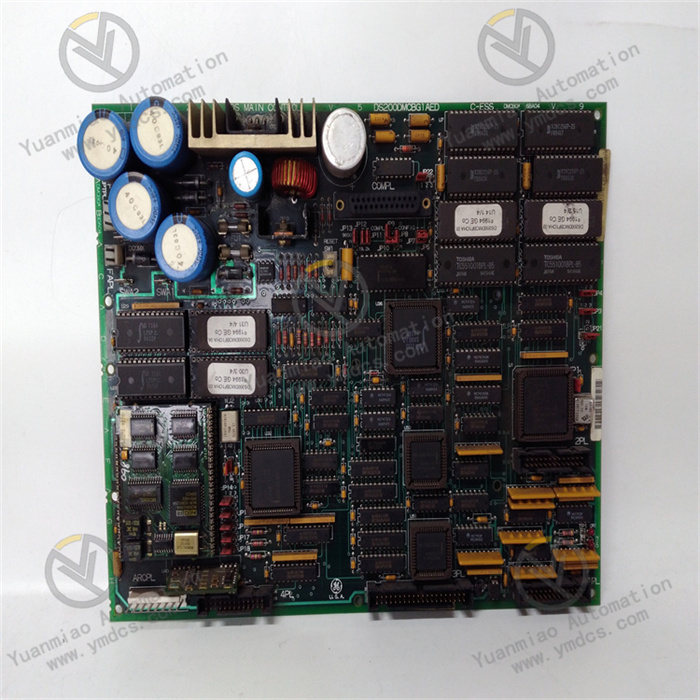
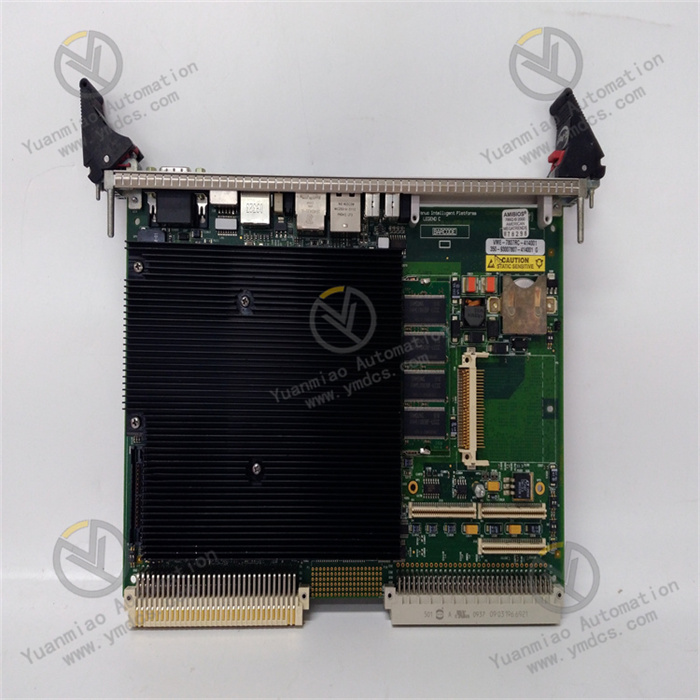
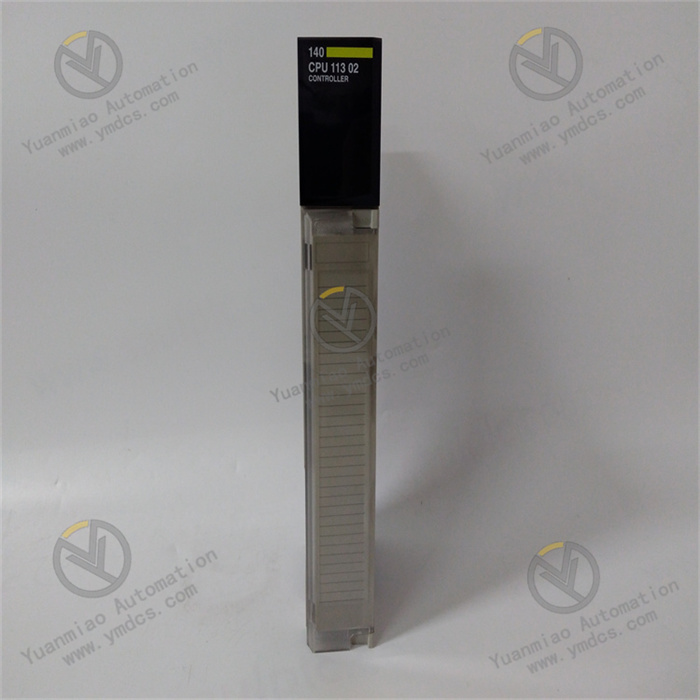
The Triconex 2381 is a high-performance fault-tolerant Programmable Logic Controller (PLC) module with both compactness and versatility. As the core control unit for industrial automation and critical control systems, it balances processing performance, functional practicality and integration convenience. Specially designed for industrial scenarios requiring high reliability and stability such as petrochemicals, power generation and metallurgy, it is also compatible with various manufacturing and process control systems, serving as a key component to ensure the safe, continuous and efficient operation of industrial production.
The module is equipped with a high-performance processor with optional dual-core configuration. The basic version adopts a 32-bit processor (33 MHz clock frequency) with 1 MB RAM and 4 MB Flash memory, and can support up to 1 GB RAM and 128 GB Flash storage at maximum. It supports wide-range 90–264 VAC power input with automatic redundant power switching function. It provides expandable massive I/O interfaces, supporting up to 1000 analog input/output points and 2000 digital input/output points, and is equipped with abundant analog, digital and serial I/O ports.
II. Product Parameters
| Parameter Name | Specifications |
|---|---|
| Model | Triconex 2381 |
| Manufacturer | Triconex |
| Product Type | High-performance fault-tolerant PLC module, including analog output module specifications; compact general-purpose type |
| Core Functions | Signal acquisition (analog, digital, serial signals, etc.), logic operation, safety interlock control, real-time data transmission, fault self-diagnosis, SOE sequence of events recording, redundant power switching |
| Processor & Memory | Basic: 32-bit processor (33 MHz clock frequency), 1 MB RAM, 4 MB Flash;Max support: Dual-core processor, 1 GB RAM, 128 GB Flash storage |
| Power Supply | Input voltage: 90–264 VAC; supports redundant power design with automatic switching to ensure stable power supply |
| I/O Channel Capacity | Supports up to 1000 analog I/O points and 2000 digital I/O points; equipped with rich analog, digital and serial I/O ports |
| Communication Protocols & Interfaces | Supports Modbus, Profinet, Ethernet/IP, DNP3, OPC, etc.; equipped with Ethernet, serial port and CAN bus interfaces for high-speed data interaction |
| Fault Tolerance & Diagnosis | TMR (Triple Modular Redundancy) architecture; SOE recording resolution ≤ 40 ms; built-in fault detection mechanism; system availability up to 99.999% |
| Programming Standard | Compliant with IEC 61131-3 standard programming languages for convenient logic development and debugging |
| Scalability | Modular design with on-demand I/O expansion; expandable storage capacity to adapt to systems and scenarios of different scales |
| Environmental & Protection | Operating temperature: -40℃ ~ 70℃; IP67 protection grade; dustproof, waterproof and shockproof, suitable for harsh industrial environments |
| Mounting Method | Compact and lightweight design; supports DIN rail mounting and rack mounting for easy deployment, integration and transportation |
| Compatible Devices | Industrial sensors, actuators, safety interlock equipment, DCS systems, industrial monitoring equipment, large industrial production equipment, various manufacturing equipment, etc. |
| Core Advantages | High reliability, strong fault tolerance, balanced processing performance, rich I/O interfaces, good scalability, compact and easy integration, strong environmental adaptability |
III. Technical Features
- High-reliability TMR Fault-tolerant ArchitectureAdopts TMR (Triple Modular Redundancy) architecture with three independent processors executing identical logic synchronously. The triple voting mechanism guarantees control reliability, and single-point faults will not affect overall system operation with availability up to 99.999%. It effectively avoids system shutdown caused by single-point failures, ensures continuity of industrial production, adapts to critical control and safety application scenarios, and meets high reliability requirements of industrial automation.
- Balanced Processing & Storage PerformanceThe basic configuration adopts a 32-bit high-performance processor at 33 MHz, with 1 MB RAM and 4 MB Flash. It efficiently processes complex control logic, responds quickly to various field signals, and stores control programs, operating data and SOE records. It supports maximum expansion up to 1 GB RAM and 128 GB Flash, and optional dual-core configuration further improves processing efficiency to meet industrial control demands of different complexity levels.
- Wide-range Redundant Power Supply AssuranceSupports 90–264 VAC wide voltage input to adapt to on-site power fluctuations. Redundant power design enables seamless automatic switching to ensure normal module operation even with a single power supply failure. It further improves power supply stability and overall system reliability, preventing equipment damage or production interruption caused by power faults and guaranteeing production continuity.
- Rich I/O & Flexible ExpansionSupports up to 1000 analog I/O points and 2000 digital I/O points, with abundant analog, digital and serial I/O ports to process multiple types of industrial signals simultaneously and meet control demands of large industrial equipment and multi-scenario applications. The modular design allows on-demand I/O expansion and flexible storage capacity expansion without modifying existing equipment, effectively protecting investment and adapting to systems and personalized application requirements of different scales.
- Multi-protocol Communication & Convenient IntegrationCompatible with Modbus, Profinet, Ethernet/IP, DNP3, OPC and other standard industrial protocols. Equipped with Ethernet, serial port and CAN bus interfaces, it can be seamlessly integrated into existing industrial automation systems to realize high-speed data interaction with DCS systems, monitoring devices and actuators. It ensures fast transmission and response of control commands, meets communication requirements of different industrial scenarios, and improves system integration convenience.
- Comprehensive Fault Diagnosis & Event TracingBuilt-in complete fault detection mechanism enables real-time monitoring of module operation status, communication status and I/O signal status. Alarms are automatically triggered upon abnormalities, and SOE (Sequence of Events) is accurately recorded with a resolution ≤ 40 ms. It helps maintenance personnel quickly trace fault causes, troubleshoot problems, shorten downtime, reduce production losses and improve operation and maintenance efficiency.
- Harsh Environmental AdaptabilityOperating temperature ranges from -40℃ to 70℃ with IP67 protection grade. It delivers excellent dustproof, waterproof, shockproof and anti-electromagnetic interference performance, enabling stable continuous operation in harsh industrial environments such as petrochemicals and metallurgy. It meets long-term continuous operation requirements and adapts to complex site environments without additional protective measures.
- Compact Design & Convenient DeploymentFeatures a compact and lightweight structure with small size and light weight for easy transportation and installation. It supports DIN rail mounting and rack mounting with simple and fast deployment, adapting to various industrial installation scenarios. It is especially suitable for space-limited integrated scenarios, improving installation and integration efficiency and reducing deployment costs.
IV. Application Scenarios
1. Petrochemical Industry
Widely applied in key production links of petrochemical and oil & gas industries, such as precise temperature and pressure control of reactors, realizing Emergency Shutdown (ESD) and safety interlock functions to prevent production safety risks. It is also used in pipeline transportation, distillation towers, catalytic units and other control scenarios. With high reliability, strong fault tolerance and rich I/O interfaces, it ensures continuous and safe chemical production, avoids production accidents and economic losses caused by equipment failures, and adapts to complex petrochemical production scenarios.
2. Power Generation & Transmission Industry
Suitable for thermal power, hydropower and other power generation scenarios, as well as power transmission and distribution systems. It monitors the operating status of generator sets, optimizes grid stability, collects real-time operating parameters of power equipment and executes complex control logic to prevent grid outage caused by equipment faults. It can also be integrated into the power system safety control architecture to enhance the safety and stability of power production and transmission, ensure reliable power supply, and meet the demands of grid automatic control.
3. Metallurgy Industry
Applied in steel and non-ferrous metal smelting production scenarios. It optimizes production line sequence control, realizes precise control and coordinated operation of smelting furnaces and rolling equipment, improves production efficiency and reduces equipment wear. It also monitors and controls parameters such as temperature, pressure and flow in metallurgical processes to ensure process compliance and product quality, adapts to harsh metallurgical site environments, and gives full play to its high reliability advantages.
4. General Manufacturing & Other Industrial Fields
Adapts to automatic production line control in various general manufacturing industries, realizing coordinated operation of production equipment and precise parameter adjustment to improve production efficiency and product qualification rate. It is also applicable to water treatment, building materials, food processing and other industrial fields requiring high control reliability and integration convenience. With compact design and flexible expansion capability, it provides safe, stable and efficient control support for production processes and meets automation demands of various scales.
5. Compact Integrated Control Scenarios