Description
1. Product Overview
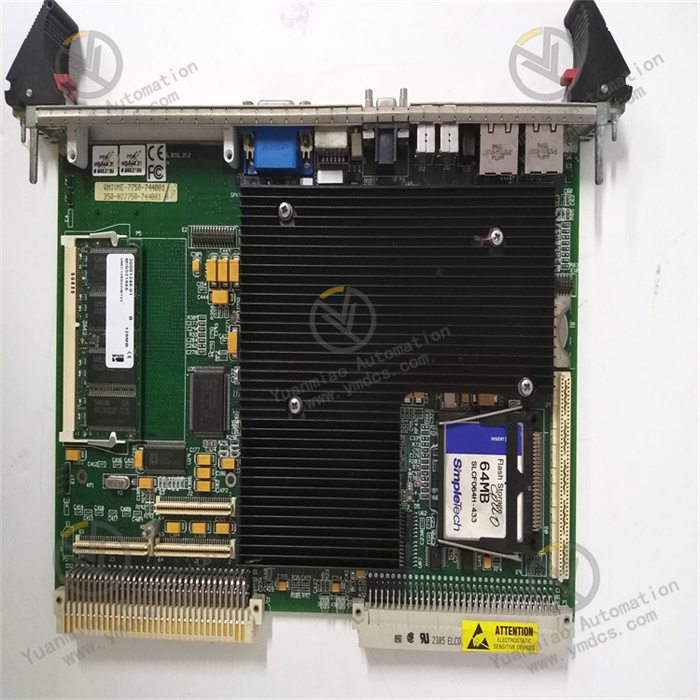
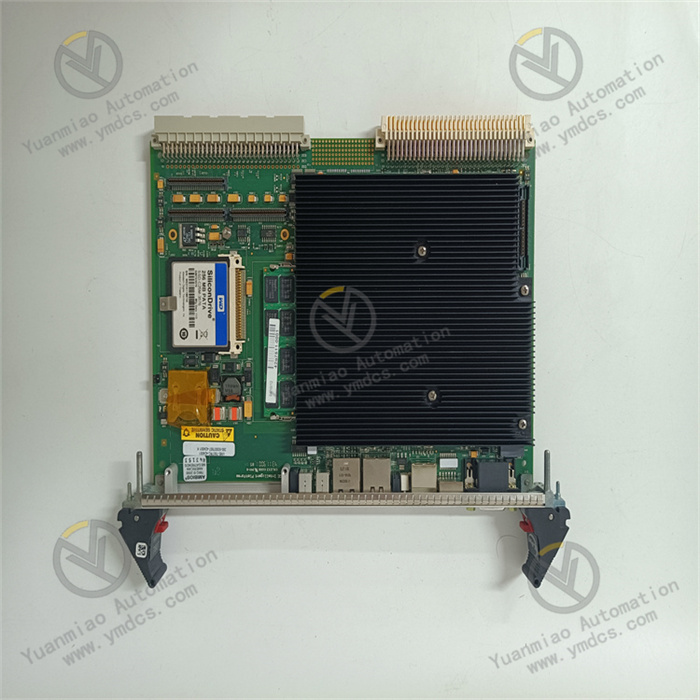
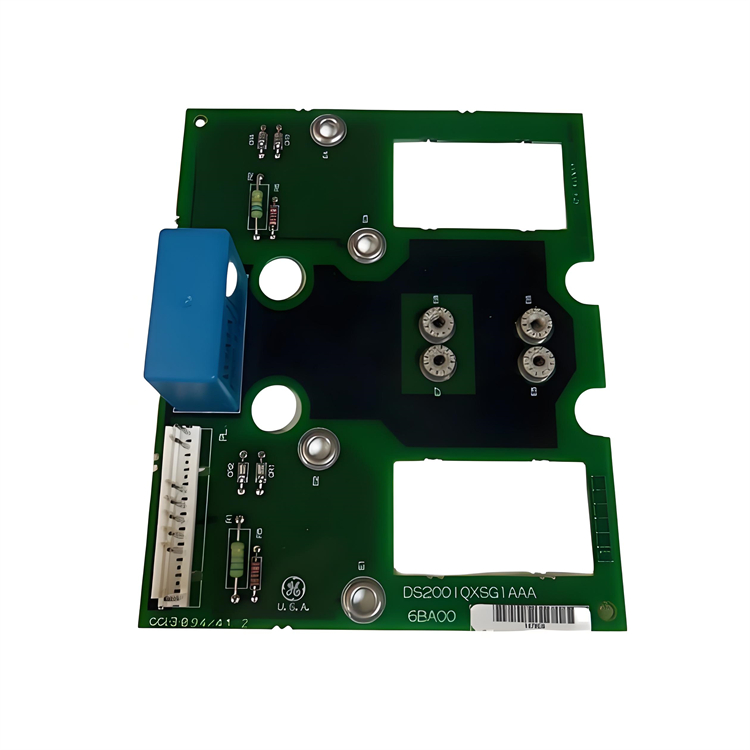
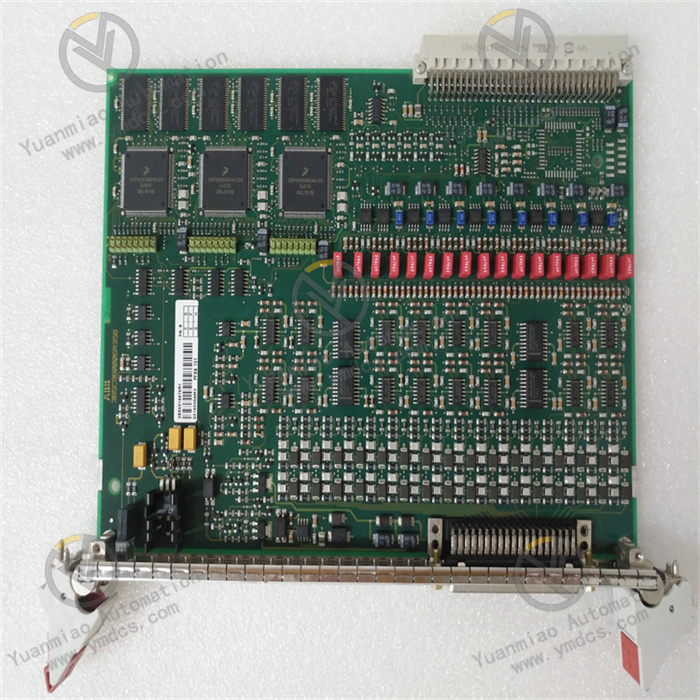
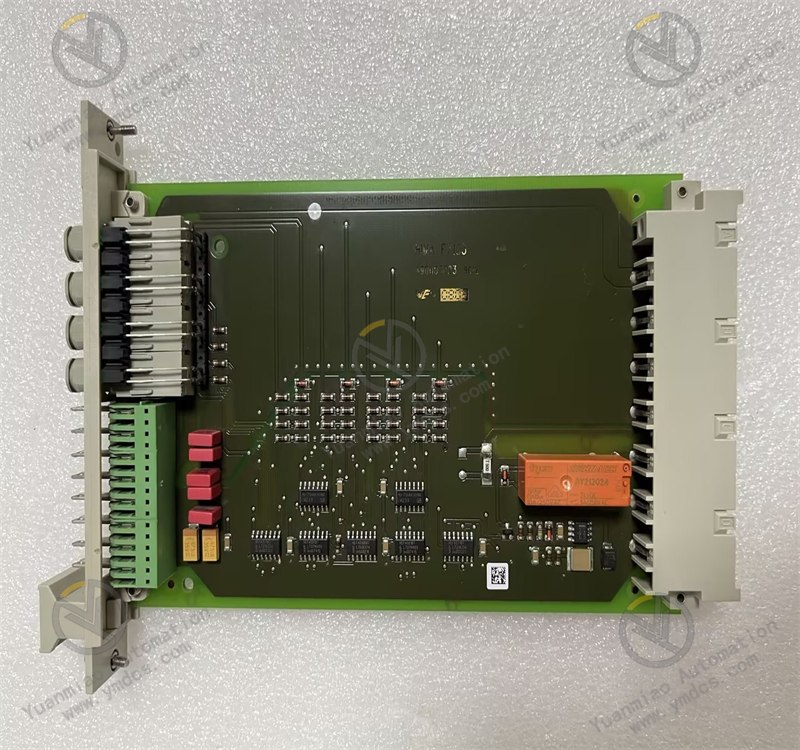
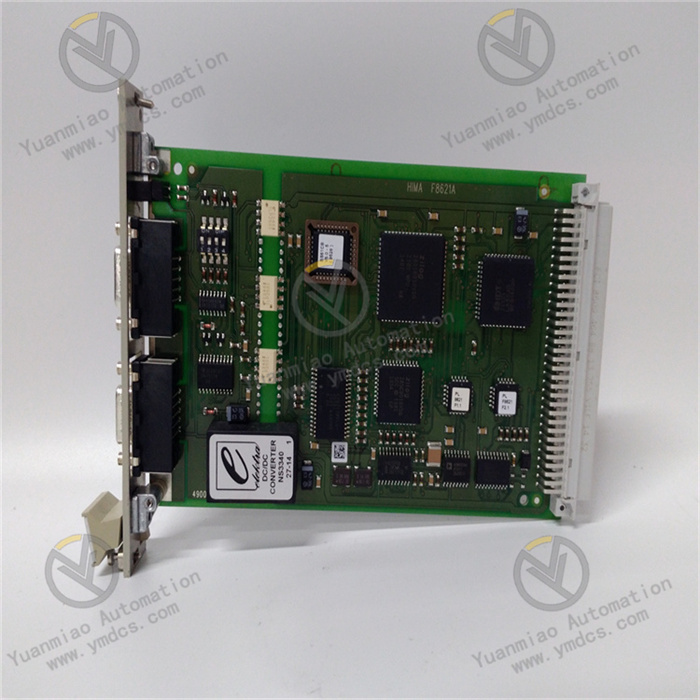
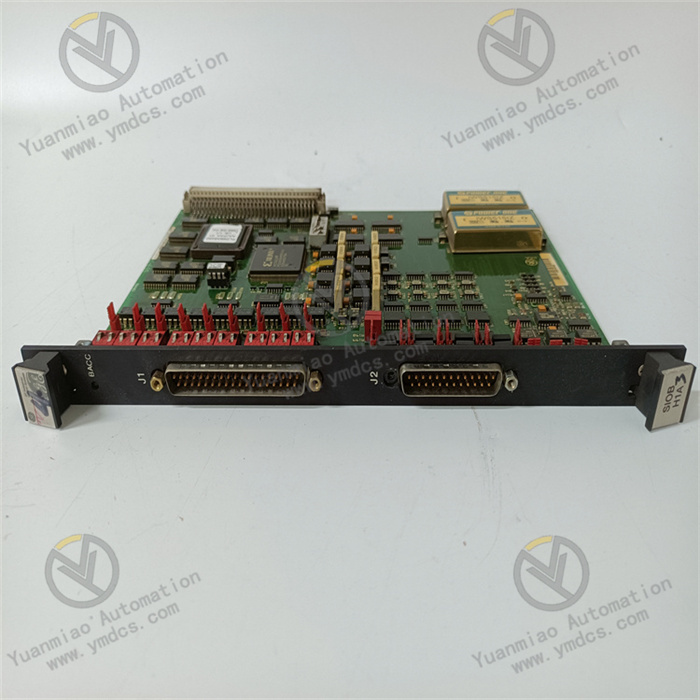
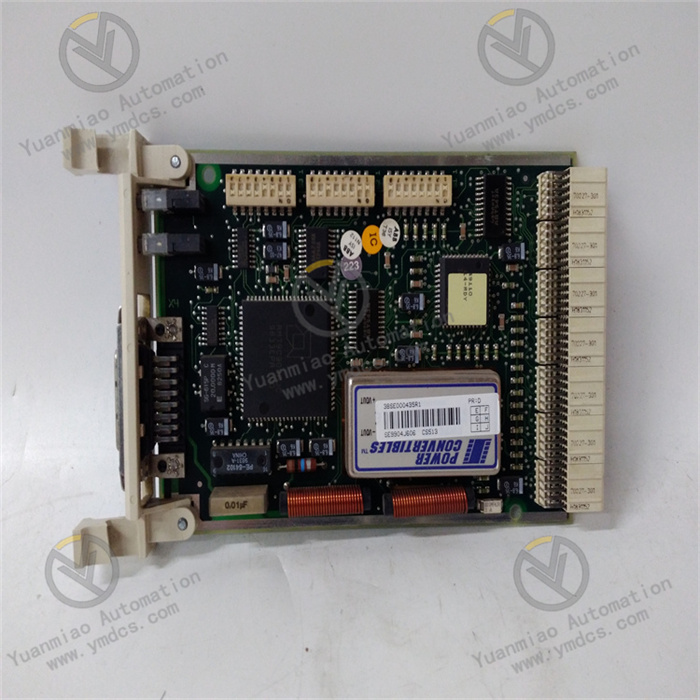
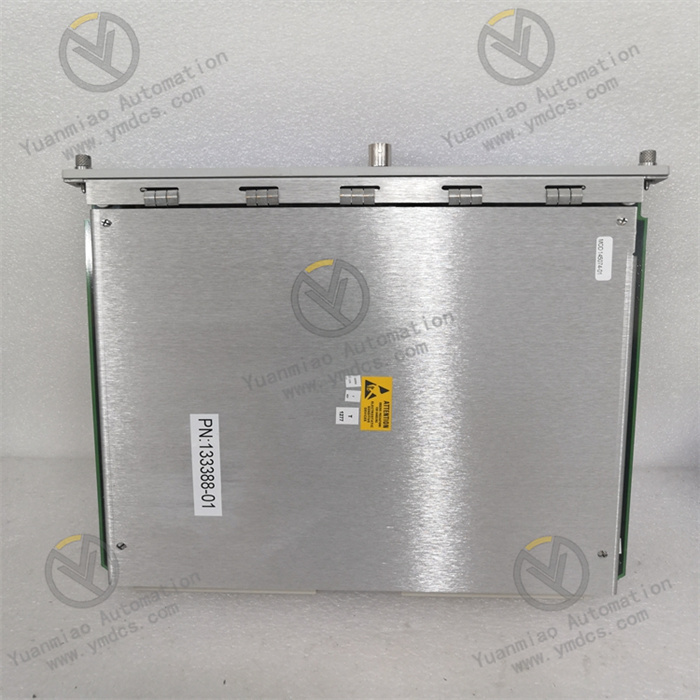
ALSTOM ICP232 (Part‑No.: 029.359325) is a dedicated RS‑232 serial‑port communication control module for industrial control systems manufactured by ALSTOM. It serves as a core interface expansion unit for power and industrial automation systems. Designed for legacy ALSTOM and GE DCS & PLC control systems, the module performs serial‑port data exchange, equipment communication docking, signal acquisition and extended logic control. It acts as a standard matching communication module for legacy power industrial control systems, generator‑set control systems and complete industrial automation equipment.
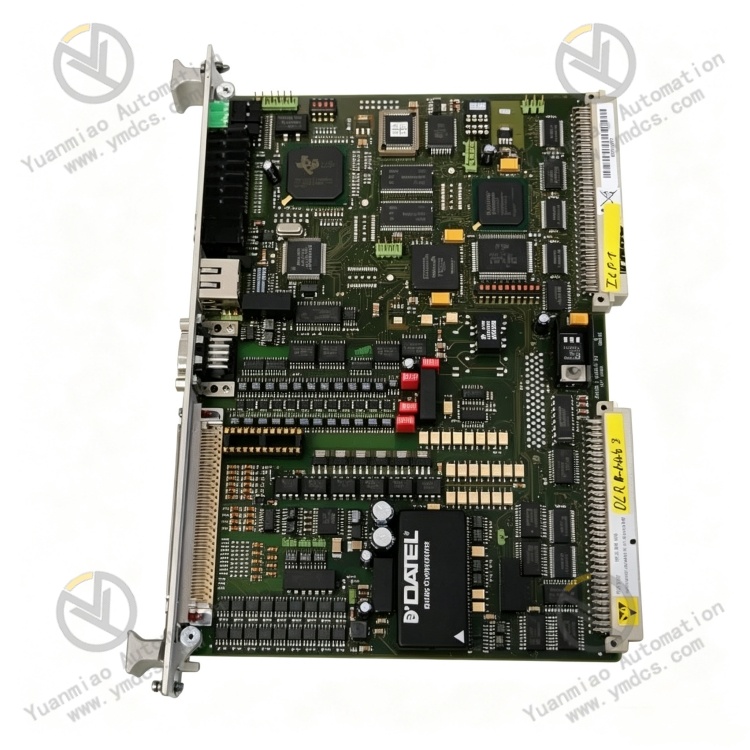
Built with industrial‑grade reinforced circuit board, it integrates standard RS‑232 serial communication bus and multi‑channel digital input/output channels. It delivers stable communication, strong anti‑interference capability, broad compatibility, low failure rate and high long‑term operational reliability. As a classic legacy OEM module, it is widely used for technical retrofitting of old‑generation power units, industrial‑control system maintenance, faulty module replacement and communication capacity expansion of automation equipment. It is a highly‑adaptable standardized communication spare part for ALSTOM legacy systems.
2. Functional Features
2.1 Standard RS‑232 Serial‑Port Communication for Legacy Industrial Control Systems
Equipped with industrial‑standard RS‑232 serial interface and fully compatible with conventional industrial serial‑port protocols, the module enables bidirectional data exchange between the main control system and field instruments, sensing devices, HMI host terminals and serial peripherals. It supports reliable serial‑port data transmission/reception, command transfer, parameter read‑write and equipment status feedback, featuring low communication latency and high data synchronization. It perfectly fits traditional non‑Ethernet‑based architecture of legacy ALSTOM and GE DCS systems, solving common maintenance pain points such as serial‑port communication breakdown and insufficient interface resources on old systems.
It integrates 8‑channel digital inputs and 4‑channel digital outputs to realize all‑in‑one serial‑port communication and local logic control. Digital input channels accurately collect field equipment switch status, point signals and alarm signals; digital output channels execute start‑stop commands, interlock control and status output issued by the system. No additional I/O expansion modules are required, which streamlines system hardware architecture and satisfies data acquisition and equipment linkage control requirements for medium‑and‑small‑scale industrial control systems.
2.2 Industrial‑Grade Anti‑Interference Design for Broad Working‑Condition Adaptability
The printed circuit board adopts multi‑layer shielded routing, power supply filtering and signal isolation technologies, optimized for harsh conditions including heavy electromagnetic interference, grid harmonic fluctuation and high‑frequency mechanical vibration in power workshops. It effectively avoids communication disconnection, data packet loss and false signal triggering caused by electromagnetic coupling interference, signal noise and voltage fluctuation on‑site. It maintains stable communication and precise logic execution during continuous long‑time operation, suitable for high‑interference industrial scenarios such as power generation, petrochemical and metallurgy.
2.3 High Compatibility for Non‑Retrofit Replacement on Legacy Systems
Fully compliant with ALSTOM original hardware protocol and bus definition, it perfectly matches hardware architecture and program logic of homologous legacy industrial control systems. System program modification, wiring adjustment or adapter hardware are not needed. It supports on‑site direct replacement of aged, faulty or damaged modules of the same model. Compatible with multiple legacy ALSTOM & GE DCS and PLC main controllers, it is applicable to maintenance replacement and communication expansion upgrade for old‑generation units and complete automation equipment.
2.4 Streamlined Modular Architecture, Low Failure Rate & Easy Maintenance
Adopting standardized modular board‑level design, it features mature streamlined hardware layout with well‑organized components and no redundant complex circuits. Validated by massive long‑term field deployments, it achieves extremely high operational stability with rare communication faults, channel damage or system error reports. Low power consumption and low heat generation enable reliable operation inside enclosed cabinets. No special routine maintenance is needed, which greatly reduces system maintenance cost and downtime frequency.
2.5 High‑Speed Data Processing for Efficient System Operation
Embedded with dedicated serial‑port processing chip, it delivers high‑efficiency data parsing and fast command response. It handles multi‑tasking of multi‑channel serial‑port interaction and I/O signal linkage rapidly with accurate data decoding and timely command execution, free of data accumulation or command delay. It guarantees real‑time performance and stability of the whole industrial‑control system and meets demand for round‑the‑clock unattended automatic operation of industrial equipment.
3. Model Code Definition
ICP232: Product series code, designating ALSTOM industrial RS‑232 serial‑port communication control module for serial‑port data exchange and I/O expansion control.029.359325: Unique OEM part number, used for precise part matching, spare‑part traceability and system model verification; standardized identification code for system maintenance replacement and equipment retrofitting.
4. Technical Specifications
4.1 Basic Specifications
Part Number: ICP232; OEM Part‑No.: 029.359325; Brand & Manufacturer: ALSTOM; Product Type: Industrial Serial‑Port Communication Control Module; Core Applications: Serial‑port data exchange for industrial‑control systems, field signal acquisition, discrete logic control, communication expansion and fault replacement for legacy systems; Compatible Systems: Legacy ALSTOM / GE DCS, PLC generator‑set control systems and complete industrial automation systems; Product Status: OEM end‑of‑life; supplied exclusively for legacy‑asset maintenance, spare‑part renewal and low‑cost technical retrofitting.
4.2 Communication Parameters
Communication Interface: Standard RS‑232 serial interface; Communication Protocol: General industrial serial‑port protocol; Communication Mode: Full‑duplex bidirectional transmission; Transmission Performance: High data synchronization, low latency, packet‑loss‑free, strong anti‑interference capability; Compatible Devices: Host computer, serial‑port instruments, sensor terminals, field actuators and industrial peripherals.
4.3 I/O Channel Parameters
Digital Input: 8‑channel DI for industrial discrete‑signal acquisition; accurately identifies equipment status, alarm points and switch signals. Digital Output: 4‑channel DO for industrial logic command output to implement equipment start‑stop, interlock action and status feedback control. Channel Characteristics: Signal isolation, anti‑false‑trigger, fast response, zero drift in long‑term operation.
4.4 Electrical Parameters
Power Supply: Backplane power supply for standard industrial cabinets; Electrical Design: Built‑in power filtering, signal isolation, surge‑resistant and EMI‑suppression circuits; Operational Performance: Tolerates industrial grid fluctuation and harmonic interference; stable operation without crash or communication dropout; Power Consumption: Low‑power design with low heat emission, suitable for continuous enclosed cabinet operation; Electrical Protection: Multi‑layer isolation protection against on‑site voltage transient and electromagnetic surge.
4.5 Environmental & Mechanical Parameters
Operating Temperature: 0℃ ~ +60℃; Storage Temperature: ‑20℃ ~ +70℃; Mounting: Standard rack‑mount slot‑in installation; Ingress Protection: Designed for standard industrial control cabinets; dust‑proof, moisture‑proof and EMI‑shielded; Environmental Resistance: Vibration‑resistant, humidity‑resistant and aging‑resistant for long‑term continuous operation in industrial control rooms; Mechanical Feature: Standard board‑form factor; easy insertion‑extraction, precise positioning and firm fastening.
5. Hardware Configuration & Structural Advantages
5.1 Integrated Serial‑Port plus I/O to Streamline System Architecture
Combining RS‑232 serial‑port communication and multi‑channel discrete I/O, one single module fulfills three core functions: data communication, signal acquisition and logic control. Additional expansion modules are dispensable. It greatly simplifies system hardware layout, reduces cabinet space occupation, lowers potential fault points and enhances overall system stability.
5.2 Industrial‑Grade Isolation Protection for Harsh Power‑Industry Conditions
Dual isolation design for power supply and signals together with multi‑layer shielded PCB routing effectively suppress heavy electromagnetic interference, grid fluctuation and signal noise in power workshops. It solves frequent pain points of legacy control systems including unstable serial‑port links, false triggering and data abnormality, and maintains high‑precision stable operation under high‑interference power, chemical and metallurgical working conditions.
5.3 Full OEM‑Protocol Compatibility for Zero‑Modification On‑Site Replacement
Fully conforming to ALSTOM native bus protocol, pin‑out definition and system logic, it achieves seamless matching with legacy installed systems. Replacement requires no program rewriting, wiring modification or system commissioning. Plug‑and‑play deployment rapidly restores system communication and control functions, significantly shortens maintenance downtime and reduces retrofitting & OPEX cost.
5.4 Standard Slot‑In Structure for Easy Installation & Maintenance
Industrial standard slot‑in board design enables convenient insertion & extraction, precise alignment and firm locking. Assembly‑disassembly is straightforward without complex specialized operations. Form‑factor compatibility with all homologous cabinet slots brings high universality and improves efficiency for maintenance, module swap‑out and system expansion, satisfying fast‑response industrial on‑site service requirements.
5.5 Mature Hardware Platform with Ultra‑Low Field Failure Rate
Benefiting from ALSTOM proven industrial control hardware technology, it adopts well‑matured circuit design, rigorously‑selected components and precise manufacturing processes. Validated by decades‑long massive field deployment, it achieves extremely low hardware failure probability. Low‑power and low‑heat design prevents performance degradation and module aging caused by heat accumulation inside cabinets, supporting long‑term unattended stable operation of generating units.
6. Application Scenarios
- Power‑Generation Unit Control Systems: Widely deployed in ALSTOM / GE DCS for thermal‑power, hydro‑power and waste‑heat recovery generator sets, performing serial‑port data acquisition, equipment status monitoring, interlock logic control and host‑computer communication interaction.
- Maintenance & Replacement for Legacy Industrial‑Control Systems: Replaces aged or communication‑failed serial‑port modules on legacy ALSTOM & GE PLC / DCS platforms, rapidly restores system data communication and I/O control to guarantee stable unit operation.
- Complete‑Set Industrial‑Automation Equipment: Applied in chemical, petrochemical, metallurgical and light‑industry automatic production lines for data exchange, signal acquisition and linkage control among field serial‑port instruments, sensing devices, actuators and main control systems.
- Communication‑Expansion Retrofit for Industrial‑Control Systems: Expands serial‑port interfaces and upgrades communication capacity for legacy control systems. It improves system data transmission and equipment control capability with low investment without full‑scale reconstruction of the control platform.
- Data Archiving & Condition Monitoring of Industrial Equipment: Cooperates with HMI/SCADA host systems to realize serial‑port transmission, aggregation and archiving of field operating data, alarm messages and process parameters, supporting visual equipment status monitoring and data traceability.