Description
1. Overview
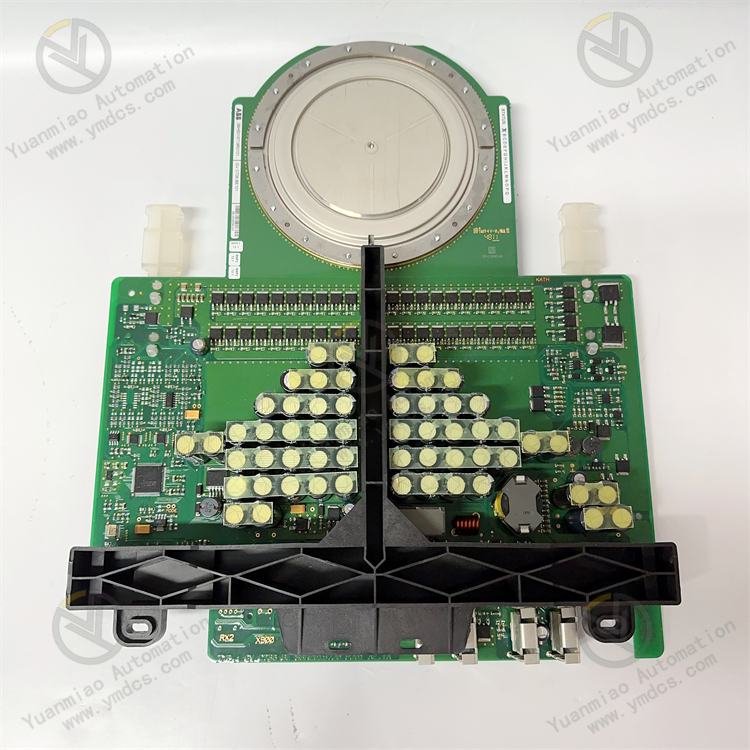
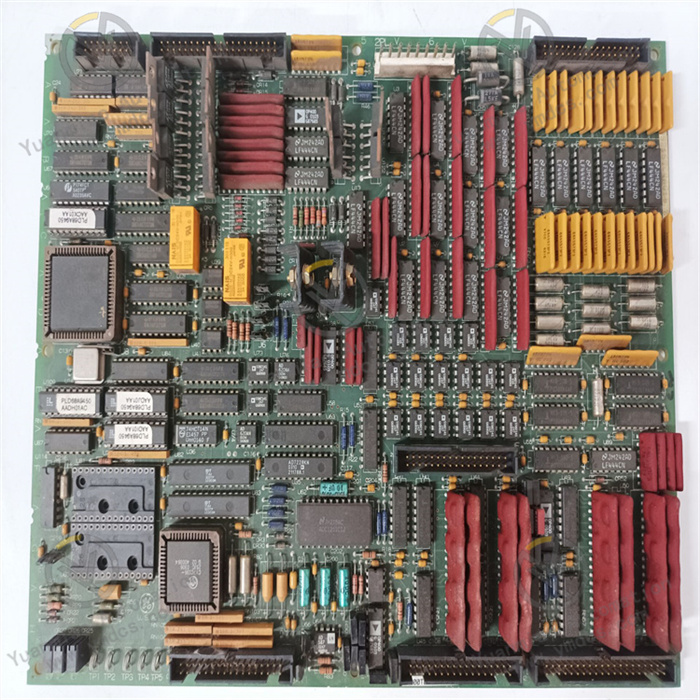
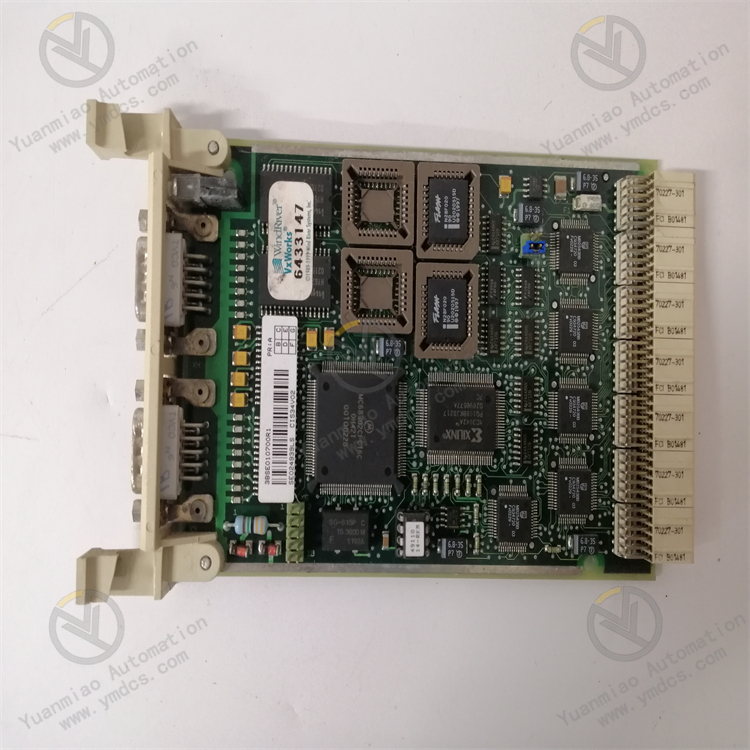
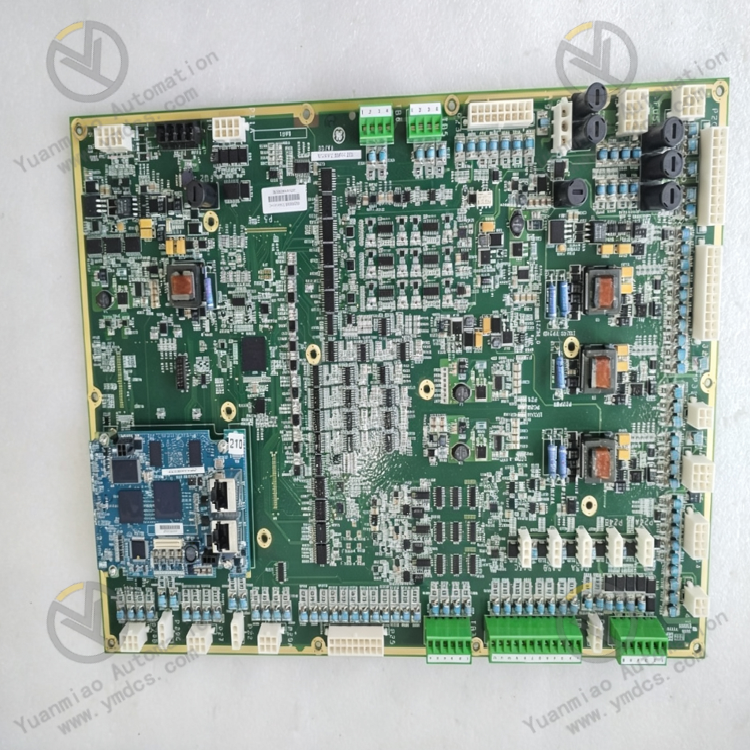
IS215WETAH1A is a core control PCB module of the Mark VIe Wind series developed by GE Vernova exclusively for the wind power industry, officially named WETA Topbox A Module. It serves as a dedicated core component of wind turbine variable frequency control systems.
Compatible with the full range of GE wind turbine electronic control systems, this module integrates core functions including wind turbine speed regulation, inverter operation management, power output adjustment, signal acquisition and logic calculation. As the main control board inside the wind turbine topbox, it undertakes overall unit operation scheduling and variable frequency drive control.
Manufactured with industrial-grade reinforced PCB technology to adapt to complex field conditions of wind farms, it features high stability, strong anti-interference capability, intelligent diagnosis and long-term anti-aging performance. Primarily deployed in electronic control systems for onshore and offshore wind turbines, it is a critical module that guarantees precise speed regulation, stable power generation and safety interlock shutdown of wind turbines.
2.1 Wind-Power-Specific Variable Frequency Control with High Regulation Precision
Designed to match the dynamic operating characteristics of wind turbines, it perfectly adapts to complex working conditions such as wind speed fluctuation, sudden speed variation and dynamic load change. It adjusts the operating state of inverters in real time to accurately regulate impeller rotating speed and unit output power, maximizing wind energy capture and ensuring stable electric energy delivery.
Embedded with exclusive wind power control algorithms, it automatically optimizes operating parameters according to wind speed variations to reduce wind curtailment rate and improve power generation efficiency, meeting the demands of large wind turbines under frequent variable operating conditions.
2.2 Highly Integrated Design with Excellent Compatibility
Adopting a highly integrated all-in-one PCB architecture, it incorporates signal sampling, logic computation, variable frequency regulation and bus communication. Core wind turbine control tasks can be fulfilled without additional auxiliary expansion modules.
Natively compatible with the entire Mark VIe Wind control system and mainstream GE turbine models such as GE 1.5MW units, it supports the VME bus and GE proprietary interface protocols. It achieves seamless linkage with the main control system, inverters, pitch control systems and sensing monitoring units, suitable for electronic control renovation and supporting deployment of both existing and newly built GE wind power projects.
2.3 Comprehensive Fault Diagnosis for Safe and Reliable Operation
Equipped with a full-range self-diagnosis mechanism tailored for wind turbines, it continuously monitors hardware status, bus communication links, inverter abnormalities, speed signal faults and circuit open/short circuits.
It supports real-time fault alarming, timestamped fault logging and operation data traceability to pinpoint root causes of abnormal speed control, inverter failures and power output fluctuation. Built-in fault tolerance and emergency protection logic enables controlled speed reduction and unit lockout upon unexpected faults, eliminating severe risks such as turbine overspeed, overload and inverter burnout, and ensuring unattended safe operation of wind turbines in the field.
2.4 Field-Grade Ruggedization for Superior Environmental Adaptability
Engineered to withstand harsh outdoor wind farm conditions including extreme high/low temperature, high humidity, salt spray, mechanical vibration and heavy electromagnetic interference. It uses thickened industrial PCB substrates, moisture-proof anti-corrosion coatings and vibration-resistant reinforced structures.
Passing strict EMC, thermal cycling aging and salt spray tests, it effectively resists frequent cabin vibration, electromagnetic noise from inverters, offshore salt spray corrosion and drastic diurnal temperature difference. It delivers long service life and ultra-low failure rate for 24/7 non-stop field operation of wind turbines.
2.5 User-Friendly Maintenance Suitable for Batch Fleet O&M
With a standardized board form factor matching the standard installation slot of turbine topboxes, it allows easy disassembly, neat wiring and rapid modular replacement.
Onboard LED indicators clearly display running and fault status for intuitive condition judgment. Combined with background fault logs and operation curve recording, it greatly simplifies daily inspection, troubleshooting and equipment maintenance, cutting wind farm O&M costs and downtime to support large-scale fleet management.
3. Specification Parameters
3.1 Basic Information
- Model: IS215WETAH1A
- Brand & Series: GE Vernova Mark VIe Wind Wind Power Control System
- Full Name: WETA Topbox A Module
- Device Type: Main Control PCB Board for Wind Turbine Variable Frequency Control
- Applicable Units: GE onshore & offshore wind turbines (including mainstream GE 1.5MW models)
- Core Functions: Turbine speed control, inverter management, unit power regulation, condition monitoring and fault protection
3.2 Electrical & Control Parameters
- Power Supply: Centralized power feeding via the backplane of the turbine topbox system
- Controlled Objects: Wind turbine variable frequency drive system, impeller speed governing mechanism and power generation output circuit
- Communication Buses: VME system bus + GE proprietary wind power communication protocol
- Control Characteristics: Adaptive wind speed regulation, high-precision closed-loop speed control and stable power output
- Computing Capability: Dedicated wind power control algorithm supporting synchronous multi-parameter calculation and regulation
3.3 Environmental Parameters
- Operating Temperature: -30 ℃ ~ +70 ℃ (adaptable to extreme temperature fluctuation inside turbine nacelles)
- Storage Temperature: -40 ℃ ~ +85 ℃
- Operating Humidity: 5% ~ 95% RH (non-condensing), compatible with high-humidity nacelle environments
- Environmental Resistance: Vibration resistance, salt spray resistance, EMC immunity, corrosion resistance and anti-aging
- Operation Mode: 24-hour unattended continuous operation for wind farms
3.4 Mechanical & Maintenance Parameters
- Structure: Standard embedded PCB board, integrated installation inside the topbox
- Mounting Position: Electronic control topbox inside wind turbine nacelle
- Status Indication: Integrated LEDs for hardware operation, communication and fault alerts
- Diagnostic Functions: Full hardware self-test, bus fault detection, abnormal operation tracing and fault log recording
- Maintenance Feature: Quick modular disassembly and replacement, supporting maintenance without full unit shutdown
Based on the GE Mark VIe Wind system architecture, the IS215WETAH1A executes a closed-loop control workflow: condition collection → algorithm calculation → variable frequency regulation → status monitoring → fault protection.
After power-on initialization, the module completes hardware self-test and bus handshaking. It enters normal regulation mode only after confirming healthy hardware, communication links and peripheral equipment.
During unit operation, the module collects real-time key parameters including wind speed, impeller speed, generator output power, inverter status and nacelle conditions. Dedicated embedded wind power algorithms perform high-speed analysis and dynamically optimize control strategies according to real-time wind conditions. Control commands are issued to start/stop, modulate frequency and adjust voltage of inverters, realizing adaptive impeller speed adjustment and steady power generation to maximize wind energy capture and efficient unit operation.
Meanwhile, the module continuously monitors the entire variable frequency system and its own hardware, verifying communication data, loop signals and operating status. Once abnormal conditions such as speed deviation, inverter malfunction, signal loss, overload or communication interruption are detected, multi-level protection will be triggered: parameters will be adjusted first for self-recovery; if the fault cannot be eliminated, alarms will be activated, control outputs locked or the unit shut down smoothly to prevent overspeed, equipment burnout and generation failures.
Fault records and timestamped operation logs are uploaded to the wind farm supervisory system to provide data support for maintenance, root cause analysis and unit performance optimization, ensuring long-term safe, efficient and stable operation of wind turbines.
5.1 Electronic Control Systems for Large Onshore Wind Turbines
Widely used as the core topbox control board in mainstream onshore GE wind farms across plains, mountains and hilly areas. It undertakes variable frequency speed control, power adjustment, condition monitoring and safety protection to address wind speed volatility and unstable load, guaranteeing regular high-efficiency power generation and unattended operation of onshore turbines.
5.2 Control Systems for Offshore Wind Farms
Leveraging outstanding resistance to salt spray, vibration, temperature variation and electromagnetic interference, it serves as the core control unit for variable frequency regulation and overall unit management of offshore wind turbines. It withstands harsh offshore conditions including high humidity, corrosion and heavy wave-induced vibration to reduce maintenance frequency and operational costs for offshore wind projects.
5.3 Retrofit & Spare Part Replacement for Legacy Wind Power Projects
As an original OEM board for Mark VIe Wind systems, it is perfectly compatible with renovation, faulty board replacement and control system upgrade of aging GE wind turbines. It matches the original system architecture and control logic without major program or wiring modification, enabling fast equipment renewal and restoration of power generation performance to meet equipment upgrade and maintenance demands of existing wind farms.
5.4 Intelligent Operation & Monitoring Platforms for Wind Turbines
With accurate data acquisition, fault diagnosis and remote data uploading, it acts as a key terminal for intelligent monitoring systems. It delivers real-time operating data, early warning alerts and unit performance indicators to wind farm smart O&M platforms, supporting equipment condition assessment, lifespan prediction and predictive maintenance to realize digital and unattended intelligent wind farm management.
5.5 Supporting Control for Wind Power Variable Frequency Drive Systems
Serving as the upper-layer master controller for dedicated GE turbine inverters, it manages inverter logic and coordinates linkage between mechanical and electrical subsystems. It realizes full-process precise control over unit startup, speed regulation, load adjustment and fault protection to guarantee coordinated and stable operation of electrical and mechanical parts of wind power generation systems.
![]()