Description
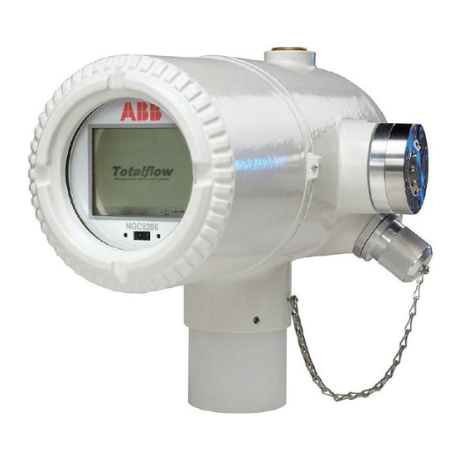
ABB NGC8206
I. Basic Information
Brand & Origin:ABB, Switzerland Original
Product Positioning
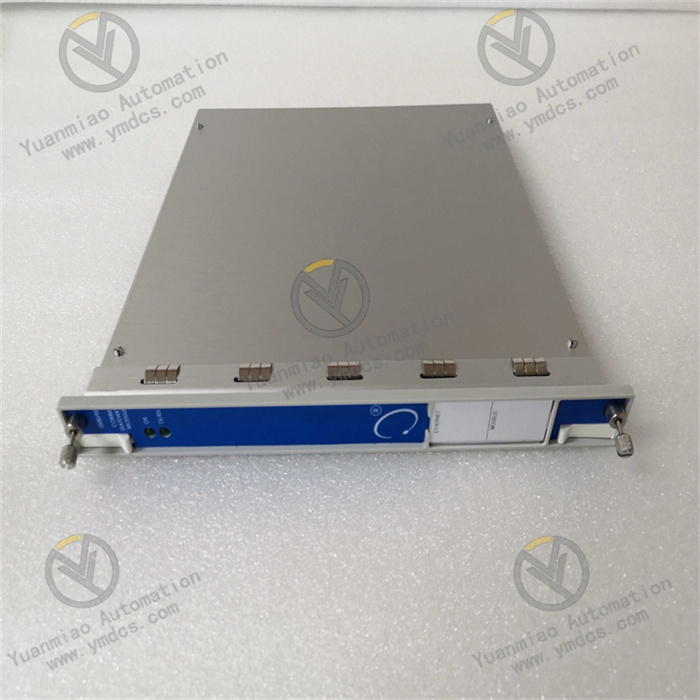
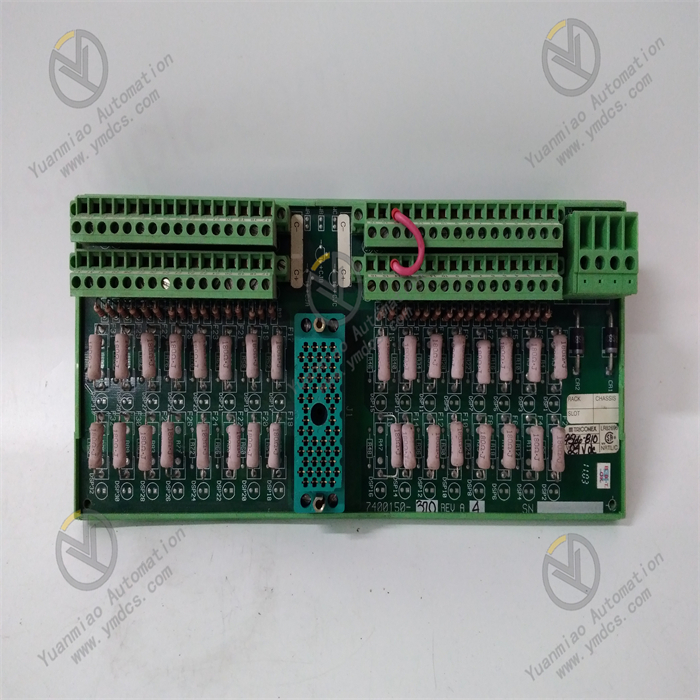
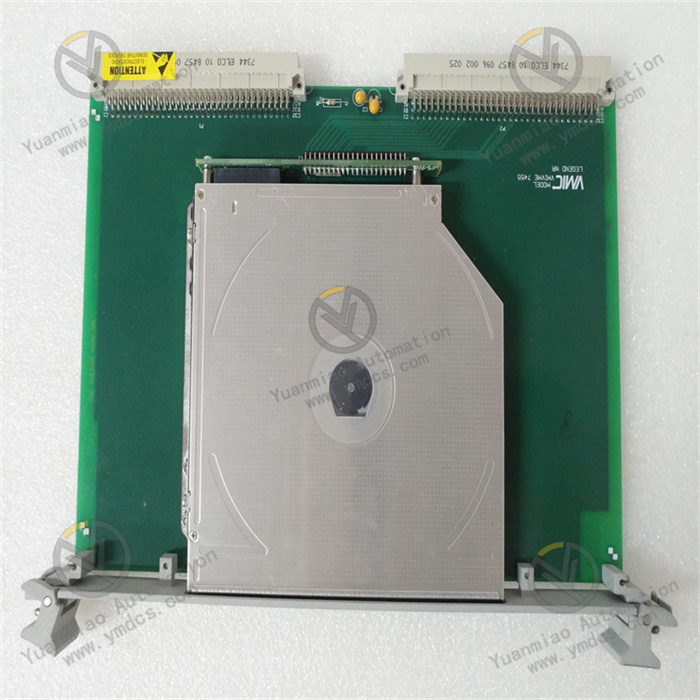
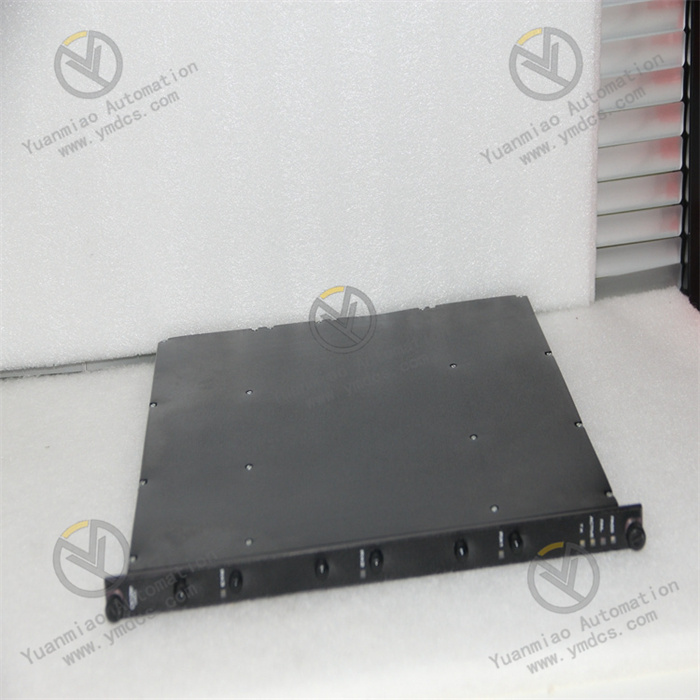
ABB NGC8206 is a new-generation network gateway communication controller specially used for gas turbine and reciprocating generator sets of ABB, serving as the core cross-protocol data interaction unit of the unit distributed control system. Specially designed for gas internal combustion engines, biogas generator sets, distributed energy power stations and combined heat and power units, it undertakes core tasks such as multi-protocol data forwarding, signal isolation conversion, time-series data caching, fault message uploading and remote instruction interaction between local unit control units, excitation systems, protection devices, upper SCADA platforms and remote operation and maintenance centers. It is the key hardware for heterogeneous networking of multiple equipment, remote centralized monitoring and intercommunication of unit data in distributed energy power stations. Widely applied in waste biogas power generation, natural gas combined heat and power, distributed gas power stations and industrial self-provided generator sets, it acts as an essential original spare part for transformation of old power station communication architecture, compatibility networking of multi-brand equipment and capacity expansion of remote operation and maintenance systems.
It adopts an industrial energy-grade reinforced embedded architecture, equipped with independent dual-channel communication processing FPGA core, multi-protocol conversion chip, large-capacity power-off cache storage unit, electrically isolated communication loop, hardware watchdog self-healing circuit and real-time clock module. The integrated board carries multiple types of industrial communication interfaces, with complete separation and isolation wiring of strong and weak currents and full-domain EMI electromagnetic shielding layer, specially adapted to strong electromagnetic interference environments brought by power station frequency converters, high-power generators and high-voltage switch cabinets. The built-in hardware-level data verification, message error correction, link disconnection reconnection and time sequence synchronization calibration mechanism completes all protocol conversion tasks through independent hardware operation without occupying the CPU resources of the unit main controller. It features wide protocol compatibility, ultra-low transmission delay, no long-term time sequence drift and strong link self-healing capability, thoroughly solving industrial pain points such as incompatibility of multi-device protocols, remote data loss and communication links susceptible to interference.
It adopts standard 35mm DIN rail snap-in installation, matching standard electrical installation slots of control cabinets, tool-free disassembly and assembly, and anti-loosening snap structure against vibration, ensuring no loosening or communication interruption under equipment start-stop and vibration conditions. The front panel integrates multi-channel communication link indicators, operation status lights and system fault alarm lights to intuitively feedback transceiving status of each channel, link on-off and hardware abnormalities, facilitating efficient on-site inspection and fault location. Featuring compact DIN rail structure, it adapts to dust-proof, moisture-proof and all-weather wide-temperature operating environment of closed control cabinets, supporting live online replacement without power-off shutdown of the unit for maintenance, fully complying with ABB original installation and wiring specifications for energy power stations.
Compatible Systems
Natively adapted to ABB full set of generator set control platforms, it is compatible with ABB PGC, UNITROL excitation controllers and unit relay protection devices. It supports mainstream energy industry communication protocols including Modbus RTU/TCP, IEC 60870-5-104, DNP3, Profibus and MQTT, and can be seamlessly connected with third-party PLC, upper SCADA, cloud platform remote operation and maintenance system and energy management EMS system. It supports multi-link parallel networking, active-standby redundant link switching and hierarchical data uploading, adapting to the construction of centralized monitoring of multi-units in distributed power stations, remote operation and maintenance in different locations, energy data acquisition and scheduling systems and upgrading and transformation of old power station communication systems.
Product Characteristics
It is an original energy-grade gateway controller. Before delivery, it has completed full-load multi-protocol concurrent aging, high and low temperature cycle impact, power-grade EMC electromagnetic compatibility and insulation voltage resistance full-item testing. Equipped with dual independent communication processing cores, it realizes parallel conversion of multiple protocols without stuttering. Each external communication port adopts independent electrical isolation circuit, and single link fault will not affect communication of other channels. The built-in large-capacity local data cache can completely store unit working condition data during link disconnection and automatically resume transmission after link recovery without data loss. It supports 24/7 uninterrupted high-load operation of power stations. Old protocol conversion modules and communication faulty gateways can be replaced in situ without modifying unit control programs, adapting to technical transformation, capacity expansion and remote monitoring upgrading scenarios of distributed energy power stations.II. Technical Specifications
1. Core Communication Protocol Parameters
2. Interface & Isolation Parameters
3. Memory & Timing Parameters
4. Electrical Parameters
5. Environmental Operating Parameters
III. Key Features
1. Multi-Protocol Bidirectional Hardware Conversion for Seamless Interconnection of Heterogeneous Equipment
2. Full-Port Electrical Isolation + Dual Network Redundancy for High Communication Reliability
3. Offline Local Cache & Resume Transmission for Zero Loss of Unit Data
4. Independent Hardware Operation with Zero Main Controller CPU Occupation
5. Easy DIN Rail Mounting & Non-Destructive In-Situ Replacement
IV. Working Principle
ABB NGC8206 is a multi-protocol network gateway controller specially used for distributed gas generator sets. As a data transfer and isolation hub between local unit equipment and remote monitoring & dispatching systems, after being snapped onto the DIN rail of the control cabinet and connected to 24VDC power supply, various communication buses and Ethernet lines, it automatically completes hardware self-test, communication port initialization, protocol parameter loading, RTC clock synchronization and link status detection upon power-on, and enters real-time data forwarding operation state after initialization.
During normal system operation, the equipment synchronously collects original messages of working conditions, alarms and controls issued by the unit main controller, excitation and protection devices through multiple isolated serial ports and Ethernet. The internal FPGA protocol conversion core completes message parsing, data standardization, CRC verification and time sequence marking processing; local station monitoring data and remote dispatching/cloud data are distinguished and forwarded in parallel through different links respectively. Meanwhile, it reversely receives power regulation, parameter modification and remote start-stop instructions issued remotely, completes protocol translation and forwards them to local unit control equipment to realize bidirectional data interaction.
V. Application Scenarios
- Communication Networking of Gas/Biogas Distributed Generator Sets: Summarize data of multiple equipment in natural gas CHP, waste biogas power generation and industrial self-provided internal combustion units, and uniformly connect to station SCADA energy management system.
- Remote Operation & Maintenance of Power Stations and Connection with Power Grid Dispatching: Connect local power grid dispatching platforms and manufacturer remote operation and maintenance cloud platforms through IEC104 and DNP3 standard protocols to realize off-site remote monitoring, power regulation and remote fault diagnosis of units.
- Compatibility Transformation of Multi-Brand Heterogeneous Equipment: Realize intercommunication transformation of old and new units, third-party excitation/protection devices, replace multiple discrete protocol converters and simplify communication hardware architecture of control cabinets.
- Upgrading & Replacement of Communication Systems in Old Power Stations: Replace traditional gateway modules without isolation, redundancy and offline cache, improve communication stability and data integrity of power stations, and meet compliance requirements of power grid data uploading.