Description
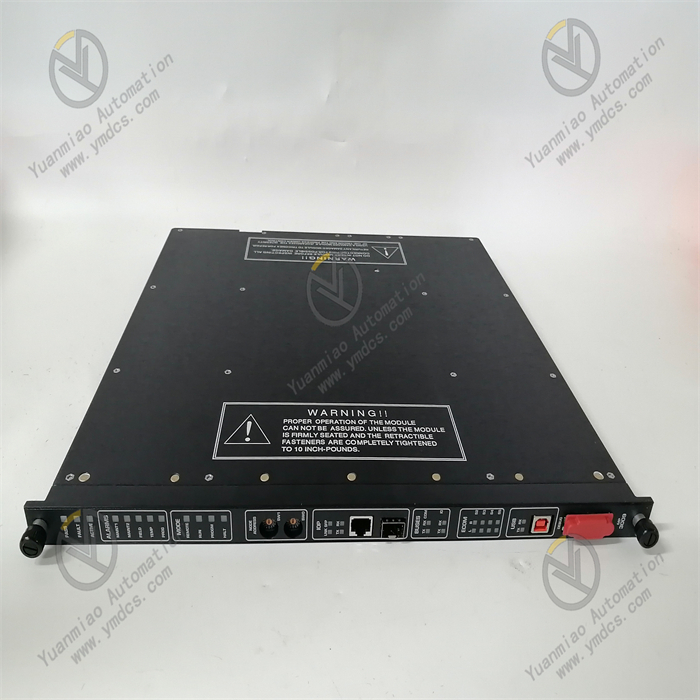
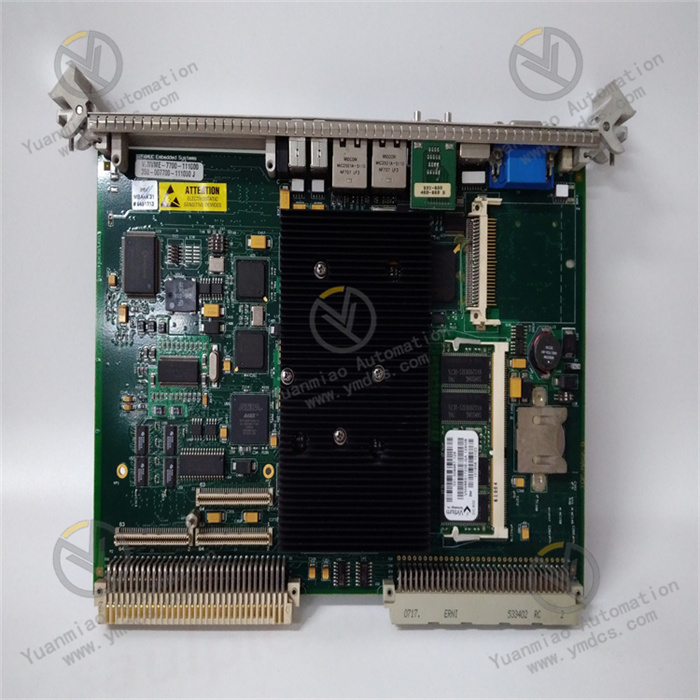
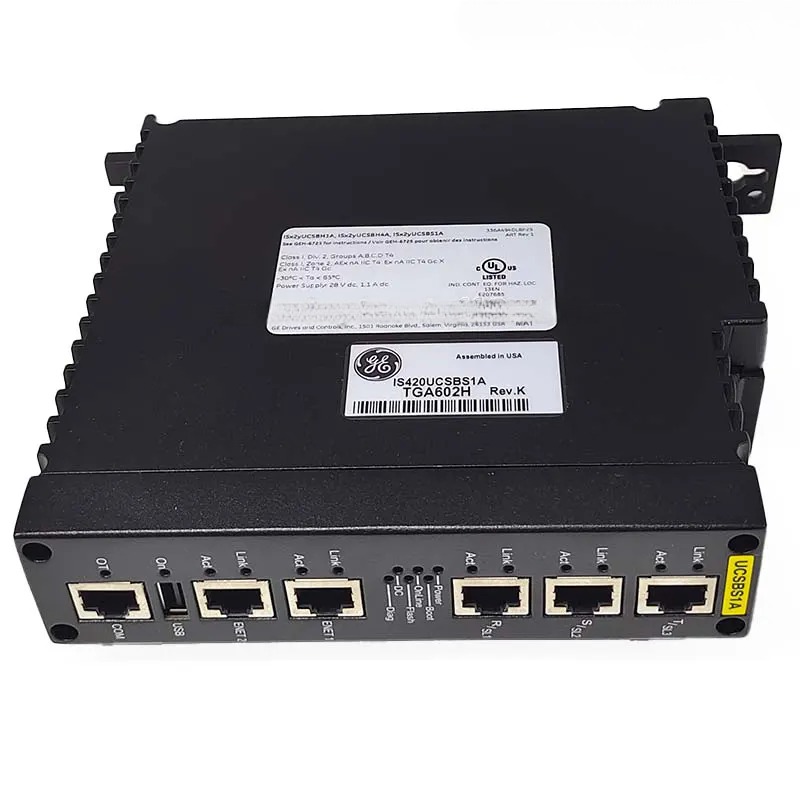
GE IS420UCSBS1A
I. Basic Information
GE IS420UCSBS1A is a core UCSB safety controller module developed for the Mark VIeS gas turbine/steam turbine safety control system, belonging to the core master control unit of the general Turbine Control series. Serving as the calculation hub for unit safety protection, logic interlock, process regulation and fault monitoring, this module is mainly deployed for critical safety control of heavy-duty gas turbines, steam turbines, combined-cycle power plants and industrial turbine units, acting as the core safety control component for power station and heavy-industry power equipment.
II. Technical Specifications
(1) Basic Hardware Parameters
- Model: IS420UCSBS1A
- Brand: GE
- Device Type: Mark VIeS UCSB Safety Controller Module
- Compatible System: GE Mark VIe / Mark VIeS distributed turbine safety control system
- Application Scenarios: Gas turbines, steam turbines, combined-cycle generator sets, industrial turbine equipment, critical safety interlock systems for power plants, automatic control systems for heavy-industry power units
- Processor: 600MHz Intel EP80579 dedicated industrial processor for high-speed real-time computation suitable for safety-level interlock and protection logic
- System Firmware: Preloaded QNX Neutrino embedded real-time OS with outstanding real-time performance, high stability and anti-crash capability against abnormal program exceptions
- RAM: 256MB DDR2 SDRAM with built-in hardware ECC error correction to avoid unit malfunctions induced by memory data errors
- Flash Storage: 2GB onboard NAND Flash for storing system firmware, user control programs, process parameters and fault logs
- Mechanical Design: Integrated single-board design with internal power supply, no fan, no onboard battery and no hardware jumpers for ultra-compact modular construction
- Mounting: Standard chassis panel mounting matching standard Mark VIeS cabinet layout with heat dissipation via cabinet metal backplane
- Net Weight: Approx. 0.25kg, compact lightweight industrial form factor
Core Functions: Master safety protection for units, emergency interlock logic calculation, safety management for overspeed/overtemperature/overpressure, system bus communication scheduling, fault logging and closed-loop regulation of process parameters
(2) Rated Electrical Parameters
- Operating Input Voltage: Wide-range industrial DC 18VDC~36VDC, compatible with standard power station DC power supply and tolerant of voltage fluctuation and instantaneous voltage drop
- Power Supply Feature: Integrated internal voltage regulator eliminates the need for external power modules, featuring high supply stability with strong immunity against power noise and ripple
- Operation Mode: Continuous DC-powered 24/7 unattended operation conforming to typical unmanned power station operating conditions
- Electrical Protection: Built-in overvoltage, overcurrent, reverse polarity and surge protection to prevent module damage from electrical surges under complex on-site power grid interference
Insulation Performance: Compliant with high-voltage insulation criteria for power plant industrial control equipment with superior electrical isolation to avoid system faults caused by cross-coupling between high and low voltage circuits
(3) Core Control Performance Parameters
- Real-time Calculation: Powered by QNX real-time OS with precise program scan cycles and priority-based task scheduling; responds to sudden unit faults within milliseconds to satisfy timing requirements of safety-grade control
- Safety Logic Control: Purpose-built for unit safety protection, supporting safety judgment logic for emergency shutdown, overspeed protection, overtemperature/overpressure protection and vibration interlock to prevent off-design unit operation
- ECC Data Fault Tolerance: Onboard hardware memory error correction automatically fixes computational errors and prevents false logic judgment and unintended unit actions triggered by electromagnetic interference or minor hardware anomalies
- Program Operation Mechanism: Supports permanent resident execution of safety control programs with built-in program fault tolerance, auto-reset upon exception and fault latch protection to guarantee absolute reliability of unit control logic
- Process Regulation: PID closed-loop control over critical variables including turbine rotating speed, temperature, pressure and load to satisfy stable unit operation requirements
Fault Recording: Real-time storage of operating conditions, abnormal parameters and sequential fault logs to support fault tracing and unit performance analysis
(4) Interface & Communication Parameters
- Dedicated I/O Bus: Proprietary high-speed industrial IONet bus exclusive to Mark VIeS for direct connection to system I/O modules with high transmission speed, confidentiality and anti-interference performance
- Ethernet Port: Standard industrial Ethernet for SCADA configuration, data upload, program read/write and remote maintenance debugging
- Network Topology: Supports distributed system networking with multi-I/O modules, expansion units and upper monitoring systems
- Firmware Upgrade: In-situ Flash-based firmware update without chassis disassembly for convenient system iteration and function optimization
Data Exchange: Ultra-low-latency bidirectional real-time transmission of I/O point data, control commands, unit status parameters and fault alarm information
(5) Environmental Specifications
- Operating Temperature: -30℃~+65℃ ultra-wide industrial range adapting to high cabinet temperature and seasonal ambient variation at power plants
- Storage Temperature: Rated for standard industrial warehousing and transit with tolerance to extreme temperature shocks
- Operating Humidity: 5%~95%RH (non-condensing) suitable for humid sealed cabinet environments prone to condensation from temperature swings
- Environmental Resistance: Meets high-grade power-industry EMC standards against severe electromagnetic interference, voltage swing and mechanical vibration for high-voltage, variable-frequency and high-magnetic-field power station surroundings
- Cooling Method: Passive conductive heat dissipation via cabinet metal backplane; fully enclosed fanless design free of mechanical wear and dust accumulation for maintenance-free service
- Protection Class: Sealed industrial protection against dust, mild corrosion and oil contamination prevalent at power plant sites
III. Key Features
- High-reliability Safety-grade Unit Protection: Developed specifically for turbine safety control, it integrates core interlock logics for overspeed, overtemperature, overpressure, excessive vibration and emergency shutdown. Dual protection via hardware ECC fault tolerance plus real-time software monitoring prevents runaway units and fault escalation to secure power equipment operation.
Ultra-fast Response via Real-time Embedded OS: Equipped with QNX Neutrino hard real-time OS delivering accurate task scheduling and stable logic scan cycles; responds to sudden unit abnormalities within milliseconds to meet high-speed and high-precision demands of power safety control.
- Ultra-compact Maintenance-free Hardware: Fanless, battery-free and jumper-free design with integrated internal power supply eliminates vulnerable consumable components, cuts failure rates fundamentally, enables years of uninterrupted power station operation and reduces overall maintenance costs drastically.
ECC Hardware Fault Prevention against False Trips: Onboard DDR2 hardware error correction automatically rectifies corrupted data from industrial interference, avoiding false logic decisions, unintended unit start/stop and spurious protection trips for maximized system stability.
- Stable Dual-link High-speed Networking: Hybrid communication architecture combining dedicated IONet I/O bus and standard Ethernet; the proprietary bus ensures real-time I/O transmission while Ethernet facilitates remote maintenance and data upload, balancing control determinism and service convenience.
- Comprehensive Fault Diagnosis & Traceability: Continuous monitoring of hardware status, program execution, bus links and unit working conditions; auto-saves fault timestamps, abnormal values and operation logs to enable pinpoint troubleshooting and post-failure analysis for overhaul.
- Excellent Adaptability to Harsh Power-industry Conditions: Wide-temperature operation, superior EMI resistance, passive cooling and anti-vibration construction perfectly suit high-temperature, high-interference continuous-operation environments of thermal, cogeneration and petrochemical power stations.
IV. Working Principle
- Power-on Initialization & Self-test: After receiving 18–36VDC industrial input, the internal power supply stabilizes output and automatically completes CPU initialization, memory verification, firmware loading, communication port inspection and hardware circuit diagnosis before entering standby mode upon successful self-check.
- Program Loading & Task Scheduling: Boots QNX real-time OS and loads unit safety control and process regulation programs; prioritizes tasks of safety interlock, parameter tuning, data acquisition and communication for time-division precise scheduling.
- Real-time Field I/O Acquisition: Continuously collects field signals of rotating speed, temperature, pressure, vibration, valve status and discrete points via dedicated IONet bus, followed by signal filtering, validation and engineering conversion.
Safety Logic Judgment & Interlock Protection: Compares sampled real-time data against preset safety thresholds and executes protection logics for overspeed, overtemperature, overpressure and fault interlock; outputs instant protection commands to trigger emergency shutdown and valve closure once parameter overranges are detected.
- Closed-loop Process Regulation: Leverages high computing performance to run PID algorithms for precise control of unit load, rotating speed, temperature and pressure to maintain stable and compliant unit operation.
- Data Fault Tolerance & Stable Calculation: Enables full-run ECC hardware correction to fix runtime memory errors and filter noise-induced invalid data for accurate control logic and computation results.
Bidirectional Communication Interaction: Issues control commands and retrieves I/O status over IONet; uploads unit operating data, fault alerts and process parameters to upper SCADA via Ethernet while receiving remote parameter configuration and programming instructions.
- Fault Logging & Self-protection: Automatically archives unit anomalies, hardware failures and communication breakdown logs; locks protection logic and saves fault snapshots upon severe abnormalities to contain fault propagation and reserve data for subsequent maintenance analysis.
- Steady Cyclic Operation: Repeats continuous cycles of signal collection, computation, control and data communication under normal conditions to ensure safe, stable and non-stop operation of turbine units around the clock.
V. Application Scenarios
(1) Safety Control for Gas / Steam Turbine Units
As the core safety controller, it is widely deployed on large gas turbines, steam turbines and industrial turbines to execute core safety interlock, overspeed/overtemperature/overpressure protection and emergency shutdown management as the fundamental safeguard for power unit reliable operation.
(2) Control System for Combined-cycle Power Generators
Applied to Mark VIeS systems of thermal power, cogeneration and combined-cycle plants to coordinate process tuning, load control, safety protection and data monitoring, ensuring stable grid connection, compliant working conditions and safe operation of generator sets.
(3) Power Automatic Control for Petrochemical Captive Power Plants
Installed at in-house power stations and power workshops of petroleum, chemical and coal-chemical enterprises; high-reliability safety interlock prevents unplanned unit outage and consequent full production line shutdown to guarantee uninterrupted industrial manufacturing.
(4) Automatic Control for Heavy-duty Large Power Equipment
Serves critical heavy industrial equipment including large industrial turbines and compressor units to realize sequential control, closed-loop process adjustment, fault alarming and safety interlock, improving automation and safety management of heavy machinery.
(5) Mark VIeS System Upgrade & Spare Part Replacement