Description
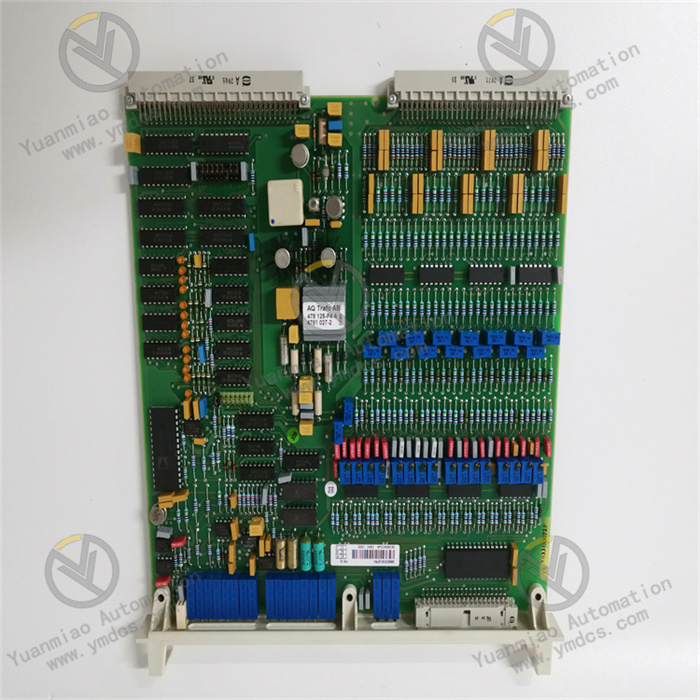
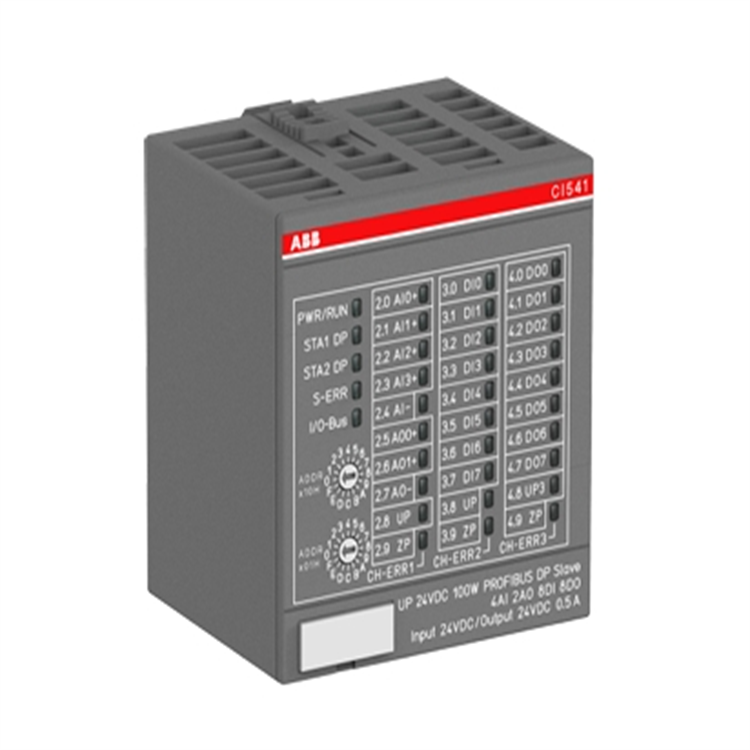
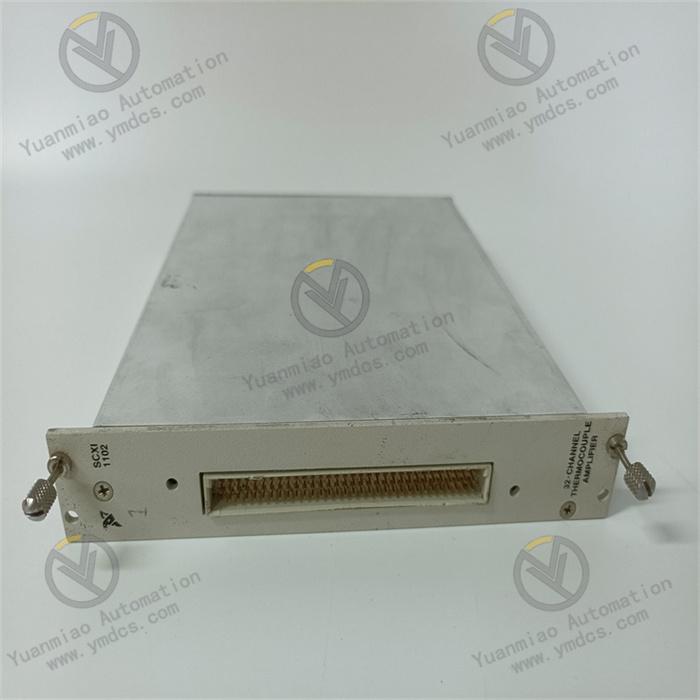
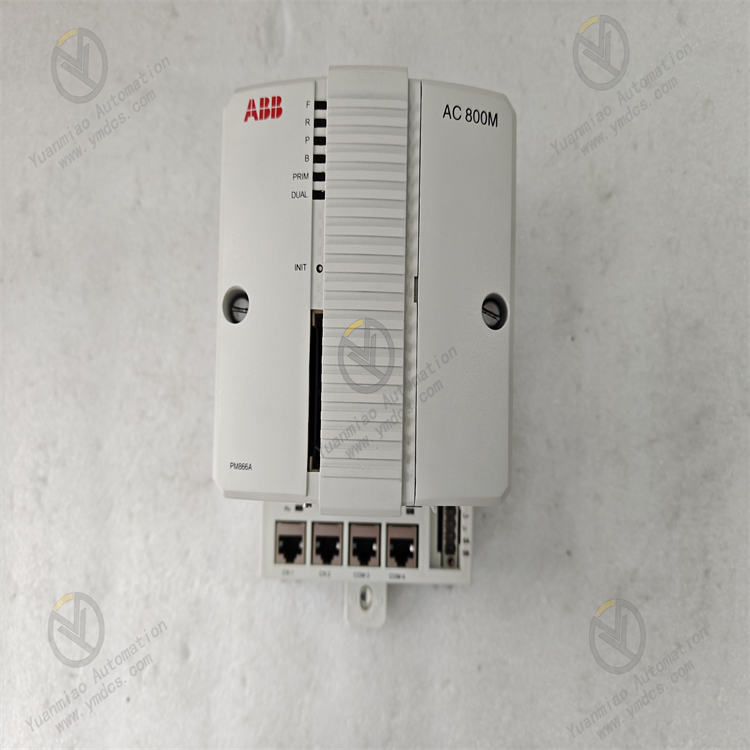
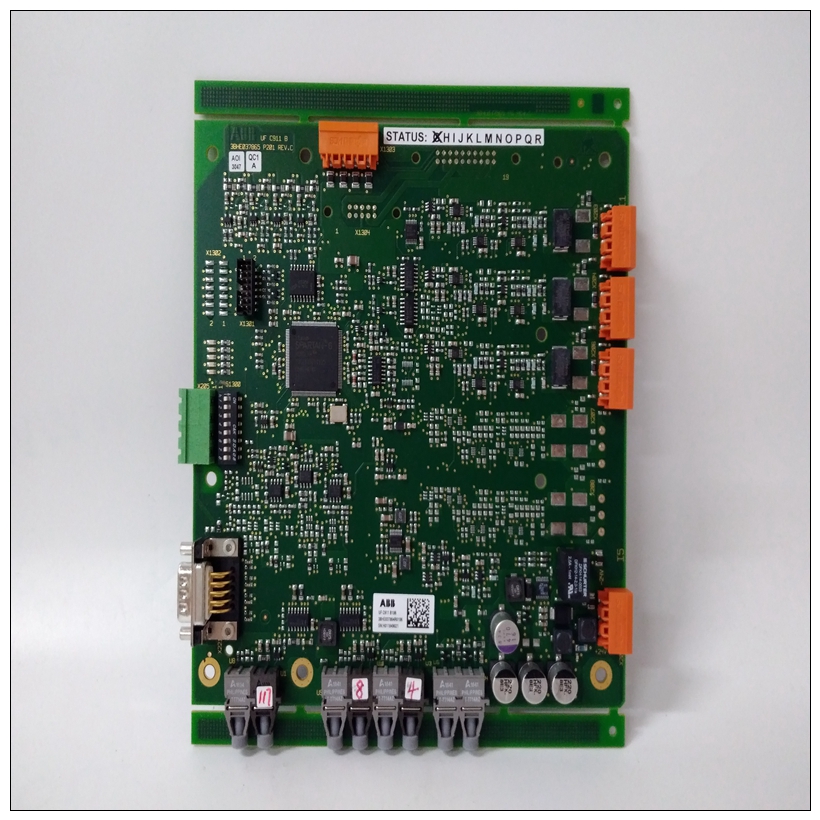
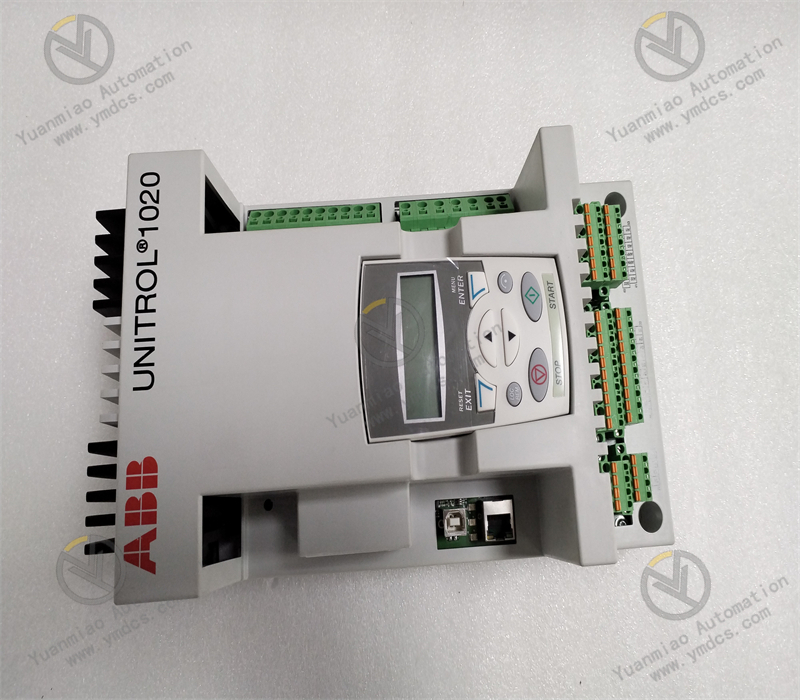
ABB UNITROL1020 3BHE030579R0001
I. Basic Information
II. Technical Specifications
(1) Basic Hardware Parameters
- Full Part Number: UNITROL1020 3BHE030579R0001 (UNS0119A-Z,V1)
- Brand: ABB
- Equipment Type: Digital Excitation Controller for Synchronous Generators
- Applicable Units: Small/medium synchronous hydro generators, steam turbine generators and distributed grid-connected gensets
- Hardware Architecture: Full-digital DSP high-speed computing framework integrated with high-precision signal acquisition unit
- Mounting Method: Standard rack installation inside control cabinets, matching conventional layout of power station excitation cabinets
- Ingress Protection: IP20 (for indoor installation in standard control cabinets)
- Auxiliary Power Supply: 24VDC control power / Wide-range 24–230V AC/DC universal power input
- Typical Power Consumption: ≤5W with low-power design for long-duration continuous operation
Core Application: Generator excitation regulation, terminal voltage stabilization, reactive power distribution, grid oscillation suppression and safe grid-connection control of generating units
(2) Excitation Output Specifications
- Continuous Excitation Current: Rated 20A for stable operation at 55℃; continuous 10A under high ambient temperature of 70℃
- Short-term Overload Current: Maximum peak 38A within 10 seconds to cope with unit startup and transient fault surges
- Overload Endurance: Withstands 150% rated current for 30 seconds to adapt to abrupt dynamic load variations
- Adjustable Excitation Voltage: 0~300VDC wide regulation range compatible with various excitation winding specifications
De-excitation Mode: Dual-mode including linear de-excitation and high-speed nonlinear de-excitation; de-excitation duration ≤1s under rated operating conditions
(3) Control Accuracy & Dynamic Response Performance
- Static Voltage Regulation Accuracy: ≤±0.5% of rated terminal voltage for high-precision voltage stabilization
- Optimal Steady-state Accuracy: Up to ±0.2% under favorable working conditions for high-accuracy grid-connected power generation
- Dynamic Response: System recovery time less than 200ms upon step disturbance with robust anti-disturbance capacity
- Parallel Operation Precision: Supports up to 8 units running in parallel with reactive power sharing accuracy ≤±1%
Regulation Algorithm: Embedded optimized composite PID+PSS algorithm balancing steady-state precision and dynamic stability
(4) Control Mode Specifications
- AVR (Automatic Voltage Regulation): Core voltage stabilizing mode to maintain constant generator terminal output voltage
- FCR (Field Current Regulation): Precisely controls excitation output current for constant-current operation scenarios
- PF (Power Factor Regulation): Fixes unit power factor to comply with grid grid-connection assessment criteria
- VAR (Reactive Power Regulation): Accurately adjusts unit reactive power output to realize refined reactive load allocation
Mode Feature: Enables bumpless seamless switching across all control modes without voltage fluctuation or operating condition jump during transition
(5) Environmental Specifications
- Operating Temperature: -25℃~+70℃ wide industrial operating range
- Storage Temperature: -40℃~+85℃
- Operating Humidity: 5%~95%RH (non-condensing)
- Environmental Resistance: Resists electromagnetic interference, mechanical shock, ambient temperature swing and long-term aging, suitable for complicated electromagnetic environment inside power stations
- Cooling Method: Passive natural convection cooling with fanless maintenance-free design
- Pollution Degree: Class 2 industrial pollution rating for regular indoor power station environments
III. Key Features
- High-precision Voltage Stabilization: Supported by high-speed digital computing algorithm, it achieves static voltage precision of ±0.5% (optimized to ±0.2% under ideal conditions). The system recovers rapidly from dynamic disturbances to eliminate generator voltage drift and fluctuation and guarantee compliant output power quality.
- Adaptive Multi-mode Intelligent Control: Incorporates four core control modes (AVR, FCR, PF, VAR). It automatically switches control strategies per unit operating status and grid access requirements, covering standalone operation, multi-unit parallel connection, grid-connected generation and isolated island operation.
Excellent Multi-unit Parallel Performance: Allows synchronous parallel running of maximum 8 generating units with high-precision reactive power sharing, effectively eliminating inter-unit reactive circulating current and unbalanced load allocation and boosting overall grid-connected stability of power plants.
- Rapid De-excitation & Comprehensive Fault Protection: Dual de-excitation design with ≤1s de-excitation time at rated load. Equipped with complete protection against over-excitation, under-excitation, overvoltage, undervoltage, overcurrent and overspeed; it cuts off excitation instantly upon unit abnormalities to safeguard generator windings and grid equipment.
- Built-in PSS Power System Stabilizer: Effectively suppresses low-frequency grid oscillation and dampens system resonance to enhance power system dynamic stability and prevent grid-connected oscillation and generator out-of-step faults.
Superior Fast Dynamic Response: Recovers within less than 200ms after step disturbance, quickly adapting to abrupt load change and grid fluctuation via real-time excitation output adjustment to maintain oscillation-free and stable unit operation under complicated working conditions.
- Complete Self-diagnosis & Maintenance Functions: Real-time full-range monitoring on excitation status, unit parameters and hardware health; automatic fault identification and alarm upload. It supports on-site parameter tuning, fault log storage and data traceability to greatly reduce troubleshooting workload.
- Robust Industrial-grade Continuous Operation: Wide-temperature tolerance, high EMI immunity and fanless maintenance-free construction enable reliable 7×24-hour continuous operation at power stations with low failure rate and strong anti-aging property for rigorous hydropower and thermal power applications.
IV. Working Principle
- Power-on Initialization & Self-test: After auxiliary power is fed, the controller automatically completes hardware self-inspection, signal loop verification, algorithm parameter initialization and communication port checking. It enters standby status ready for unit startup command once all hardware, circuits and power supply are confirmed normal.
Real-time Signal Collection & Monitoring: During operation, it continuously samples core parameters including generator terminal voltage, stator current, rotor excitation current, grid frequency and power factor at high speed, followed by signal filtering, calibration and calculation to precisely track operating condition changes of the unit.
- Intelligent Mode Matching & Calculation: It selects applicable AVR/FCR/PF/VAR control mode automatically based on unit status (standalone/grid-connected/parallel). The embedded PID+PSS composite algorithm computes real-time precise excitation control commands.
Dynamic Excitation Output Regulation: The controller adjusts excitation voltage and current per calculated commands: reducing excitation when terminal voltage rises and boosting excitation upon voltage drop to stabilize terminal voltage and balance reactive power distribution among units.
- Reactive Power Balancing for Parallel Units: In multi-unit parallel configuration, it compares real-time reactive output of each unit and fine-tunes individual excitation to realize accurate reactive power sharing, avoid circulating current and load deviation and secure stable parallel-system operation.
Grid Oscillation Suppression via PSS: With built-in PSS function, the device tracks low-frequency grid oscillation signals in real time and issues damping control orders to counteract oscillatory energy, restrain resonance between generators and power grid and improve dynamic stability of grid-connected systems.
- Fault Monitoring & Safety Protection: Full-time monitoring against over-excitation, under-excitation, overvoltage, overload, overspeed and other abnormal conditions. Once preset fault thresholds are exceeded, protection actions including current limiting, excitation derating and rapid de-excitation are triggered immediately with fault codes logged and alarms uploaded to prevent generator damage and grid accidents.
- Data Storage & Maintenance Traceability: Automatically archives unit operating parameters, excitation adjustment records and fault event logs available for local check and remote access, providing complete data support for condition analysis, fault diagnosis and parameter optimization.
V. Application Fields
(1) Generating Units of Small & Medium Hydropower Plants
Widely deployed on excitation control systems of medium/small hydroelectric units. Adapted to drastic hydrological load swing and frequent condition switching, it delivers precise voltage stabilization, balanced reactive load and grid oscillation suppression to ensure reliable isolated-island and grid-connected operation as core control equipment for hydropower excitation systems.
(2) Thermal Power & Cogeneration Units
Suitable for excitation control of small thermal and cogeneration units. Leveraging high regulation accuracy and fast dynamic response, it accommodates frequent thermal load adjustment, stabilizes output power quality and fulfills grid grid-connection standards and reactive power assessment requirements.
(3) Distributed Energy & Captive Power Plants
Applied to factory-owned power stations, distributed gas-fired gensets and emergency backup power plants. Designed for frequent unit startup/shutdown and variable load, it realizes standalone voltage regulation, multi-unit paralleling and safe grid access to guarantee stable power supply for on-site microgrid.
(4) Grid-connected Generation Control Systems
Used for grid-access control of various generating units. Relying on PSS stabilization and high-precision reactive power regulation, it suppresses low-frequency grid oscillation, improves grid-connection compatibility of generators and overall grid stability in compliance with industrial grid-operation specifications.
(5) Retrofit & Maintenance of Obsolete Excitation Systems