Description
1. Product Overview
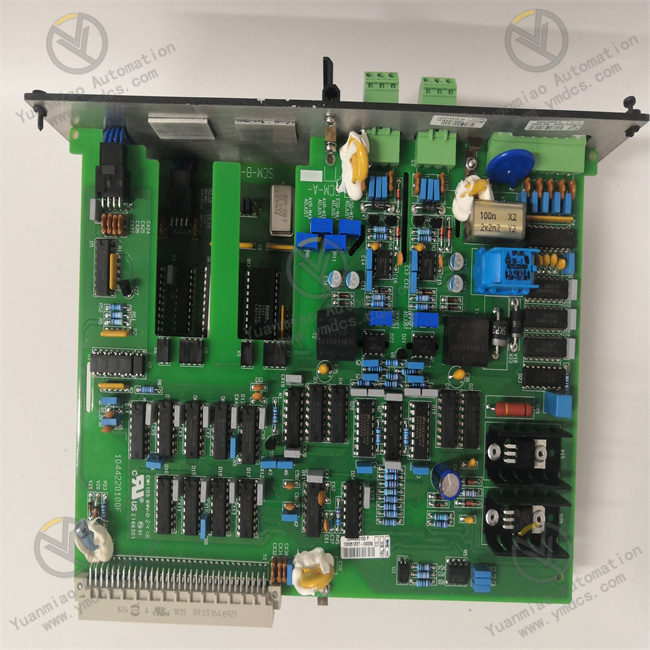
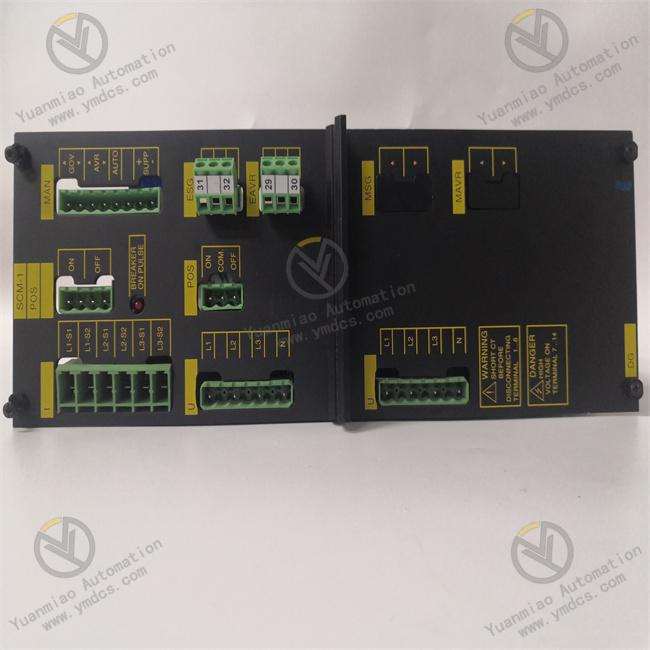
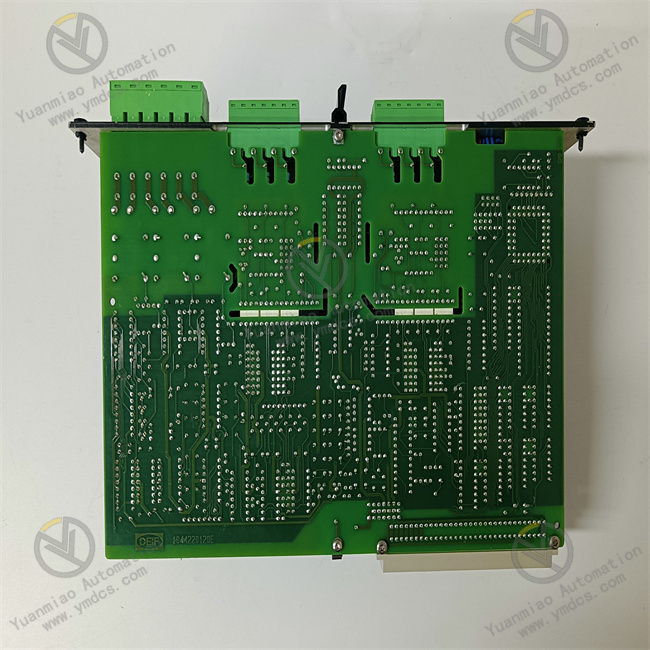
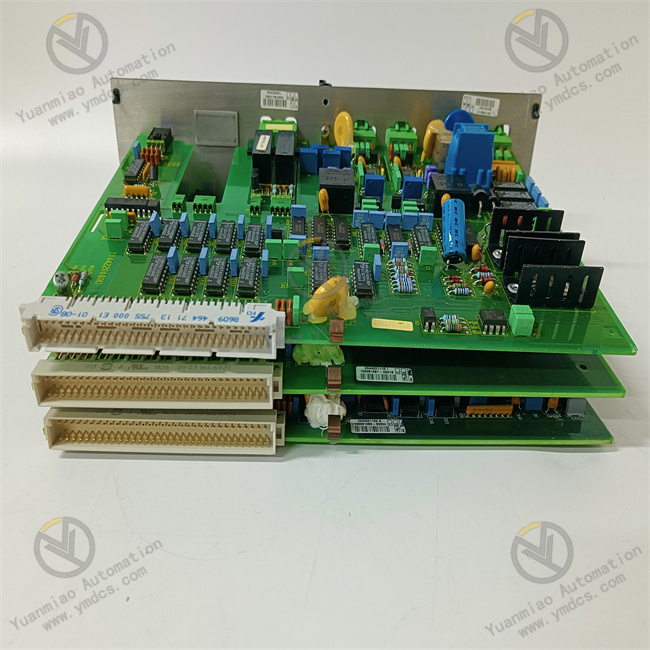
The DEIF SCM‑1 is an integrated synchronous measurement and multi‑functional control module for generator‑sets, originally designed and manufactured by DEIF, Denmark. As a core industrial‑control unit of the Delomatic series, it is developed for paralleling synchronization, circuit‑breaker control, electrical‑parameter monitoring, power regulation and basic unit protection of single or multiple generator‑sets.
Highly‑integrated with synchronizer, power controller, bus‑bar monitoring unit and fault‑protection functions, this module can complete a full range of tasks in one‑stop mode, including generator‑set frequency regulation, voltage regulation, paralleling synchronization, active/reactive power sharing and circuit‑breaker switching control. It also contains complete fault‑protection logic against unit overload, reverse power, under‑voltage, over‑frequency and other abnormal conditions.
Different from single‑function modules, the SCM‑1 integrates measurement, synchronization, control, protection and communication functions into one unit. It can independently perform paralleling control and steady‑state operation management for generator‑sets in small‑and‑medium‑sized power stations, greatly simplifying secondary control loops and equipment configuration.
Adopting an industrial‑grade reinforced design with vibration‑resistance and electromagnetic‑interference immunity, the module supports 24/7 non‑stop stable operation. It is widely suitable for self‑contained power stations of industrial‑mining enterprises, marine and offshore platforms, unattended oil‑gas‑field power stations and emergency standby power‑supply systems. It serves as a standardized preferred device for generator‑set paralleling renovation, upgrade of legacy synchronization systems and layout optimization of control‑cabinet equipment.
2. Core Technical Parameters
2.1 Basic Specifications
- Product Model: SCM‑1
- Product Series: DEIF Delomatic Generator‑set Synchronization Control Series
- Product Type: Multi‑functional module for integrated synchronous measurement, power control and generator‑set protection
- Core Functions: Automatic paralleling synchronization of generator‑sets, frequency/active‑power regulation, voltage/reactive‑power regulation, circuit‑breaker logic control, bus‑bar condition monitoring, basic electrical‑fault protection
- Applicable Equipment: Diesel generator‑sets, gas generator‑sets, industrial standby power‑generation equipment
- Applicable Operating Conditions: Isolated‑grid operation of single unit, parallel‑grid operation of multiple units, constant‑power base‑load operation
- Mounting Method: Standard DIN‑rail mounting, convenient for disassembly and assembly and compatible with standardized layout of control cabinets
- Structural Feature: Compact integrated modular design with high integration level; a large number of external auxiliary relays are not required, which reduces equipment quantity inside the cabinet
2.2 Measurement and Control Parameters
- Measurable Voltage Range: Adapted to conventional voltages of generators and bus‑bars; maximum 250 V electrical‑quantity sampling, suitable for low‑voltage generator‑set working conditions
- Measurable Current Specification: Rated 5 A current sampling, accurately collecting unit load current to guarantee power‑regulation precision
- Frequency Monitoring Range: 45‑65 Hz wide‑band adaptive range, applicable to operating conditions with power‑frequency fluctuation and variable frequency during unit start‑stop
- Synchronization Control Accuracy: High‑precision discrimination of phase difference, frequency difference and voltage difference; impact‑free and circulating‑current‑free paralleling to eliminate paralleling oscillation
- Power‑regulation Modes: Independent closed‑loop regulation for active power and reactive power; multiple operation modes including constant frequency, constant voltage and constant‑power are available
- Protection Settings: Customizable protection thresholds for over‑current, over‑power, reverse‑power, under‑voltage, over‑frequency and under‑frequency, adaptable to generator‑sets of different power ratings
2.3 Electrical and Communication Parameters
- Supply Voltage: Wide‑range DC 12‑24 V industrial power supply, perfectly compatible with battery power‑supply systems of generator‑sets
- Total Power Consumption: ≤10 W low‑power‑consumption design, energy‑saving and stable for long‑term operation without over‑heating risks
- Communication Interfaces: Multi‑interfaces including RS232, RS485 and Ethernet for multi‑protocol data interaction
- Supported Protocols: Universal industrial protocols such as Modbus and DNP3, enabling seamless connection with DCS, PLC and upper‑level monitoring systems
- Data Processing: Built‑in high‑performance 32‑bit processor, capable of data pre‑processing, protocol conversion, fault‑data storage and traceability
- I/O Configuration: Programmable digital and analogue input‑output channels; interlock, alarm and control logics can be customized to meet non‑standard working‑condition requirements
2.4 Environmental and Protection Parameters
- Operating Temperature: ‑40 ℃ ~ +70 ℃ ultra‑wide industrial temperature range, suitable for full‑condition environments such as high‑temperature machine rooms, low‑temperature outdoor sites and enclosed cabinets
- Storage Temperature: ‑40 ℃ ~ +85 ℃, satisfying temperature requirements for long‑distance transportation and long‑term idle storage
- Operating Humidity: 5%‑95%RH, non‑condensing, resistant to humid, dusty, oily, salt‑spray and other complex industrial‑site environments
- Vibration & Shock Resistance: Compliant with high‑standard industrial vibration specifications, tolerant to high‑frequency vibration and instantaneous mechanical shock from generator‑sets
- Protection Class: IP20 body protection, dust‑proof and finger‑safe, designed for indoor operation inside industrial control cabinets
3. Product Functions and Core Advantages
3.1 Core Product Functions
High‑precision automatic paralleling synchronization controlVoltage, frequency and phase differences between the generator and bus‑bar are monitored in real‑time. Intelligent algorithms automatically adjust speed and voltage to precisely meet paralleling conditions and achieve smooth impact‑free synchronization. Problems such as false paralleling, circulating‑current impact and unit oscillation are completely eliminated, making it suitable for multi‑unit parallel networking conditions.
Multi‑dimensional precise power regulationIndependent closed‑loop regulation for active and reactive power is realized. Multiple control strategies are supported, including constant‑frequency & constant‑voltage operation under isolated‑grid mode, constant‑power operation after grid‑connection and load sharing among multiple parallel units. Unit output can be dynamically adjusted according to grid load to ensure balanced station load and stable power‑supply quality.
Intelligent logic management for circuit‑breakersComplete built‑in switching‑on/off logic for paralleling circuit‑breakers is provided, including synchronization permission, interlock blocking and fault‑condition closing prohibition, so as to avoid dangerous conditions such as non‑synchronous closing and fault‑state closing and guarantee safe operation of the paralleling system.
All‑round electrical protection for generator‑setsMultiple protection functions including over‑current, over‑power, reverse‑power, under‑voltage, over‑frequency and under‑frequency are integrated. Faults such as unit overload, reverse power feed and abnormal voltage/frequency can be detected timely to trigger alarm or tripping protection, preventing equipment burnout and grid‑impact accidents.
Real‑time monitoring and data traceabilityCore electrical parameters such as unit voltage, current, frequency, power and bus‑bar status are collected continuously. Fault‑data storage and event‑recording functions are available to accurately locate operation anomalies and root causes of failures, providing complete data support for maintenance inspection and working‑condition optimization.
Remote communication and configuration monitoringVia multi‑bus communication interfaces, the module can be connected to central‑control systems for remote parameter setting, operating‑condition monitoring, status warning and remote control. Fine‑tuning can be carried out both on‑site and remotely, adapting to the unattended power‑station operation‑maintenance mode.
3.2 Core Product Advantages
Five‑in‑one high integration for greatly‑simplified systemsA single module integrates five core functions: synchronization, voltage regulation, frequency regulation, power control and fault protection. It can replace multiple traditional devices such as synchroscopes, power controllers and protection relays, reducing cabinet‑mounted hardware, secondary‑wiring workload and potential fault points.
High paralleling precision and excellent long‑term stabilityMature original‑equipment synchronization algorithm delivers fast response and high regulation accuracy. Load sharing among parallel‑running units is uniform without load drift, load‑fighting or paralleling oscillation; frequent calibration is not required during long‑time operation.
Wide‑condition adaptability for reliable operation in harsh environmentsThe ultra‑wide‑temperature‑range, high‑vibration‑resistance and high‑EMC‑performance design enables stable long‑term operation in industrial and marine environments with high/low temperature, humidity, strong electromagnetic interference and high‑frequency vibration.
Strong universality and convenient renovation implementationCompatible with most diesel and gas generator‑sets on the market with wide‑ranging customizable parameters. Legacy split‑type synchronization‑control systems can be directly replaced without large‑scale modification of unit circuits and control logic, featuring low renovation cost and short construction period.
Low‑power‑consumption maintenance‑free design with minimal operation‑maintenance costsNo vulnerable mechanical components; fully solidified program logic eliminates parameter drift and contact‑ageing risks. Stable 24/7 continuous operation only requires routine inspection, which greatly reduces maintenance workload of power stations.
Industrial‑grade compliant quality suitable for multi‑industry acceptanceComplying with equipment standards for power, marine, oil‑gas and chemical industries, and certified by multiple international EMC and working‑condition tests. It meets acceptance specifications of various industrial, marine and offshore‑platform projects.
4. Typical Application Scenarios
‑ Industrial‑mining self‑contained power stations: Paralleling synchronization, multi‑unit parallel load sharing and steady‑state power control for factory self‑supply generator‑sets and standby power units
‑ Oil‑gas and chemical industries: Paralleling management, fault protection and remote monitoring for unattended field power stations in oil‑fields, gas‑fields and refining installations
‑ Marine & offshore platforms: Automatic paralleling, power regulation and safety protection for main‑/auxiliary generator‑sets on vessels and power stations on offshore platforms
‑ Emergency standby power‑supply systems: Paralleling, frequency‑stabilization and voltage‑stabilization control for municipal emergency power stations, data‑center standby units and generator‑sets supporting UPS systems
‑ Distributed new‑energy power stations: Auxiliary paralleling control of backup diesel/gas generator‑sets for wind‑solar‑storage projects, peak‑shaving unit power regulation and operating‑condition monitoring
‑ Legacy‑system renovation projects: Upgrade of old split‑type synchronization‑control systems, paralleling‑precision optimization, control‑loop simplification and replacement of frequently‑faulted systems
5. Installation, Commissioning and Maintenance Guidelines
Install the module on a standard DIN rail. Before installation, completely cut off the control‑power supply of the generator‑set and secondary‑loop power supply. Clip and lock the module firmly to prevent loosening, displacement or loose wiring caused by long‑term unit vibration.
Strictly separate wiring for power supply, voltage‑current sampling, digital‑signal I/O and communication interfaces. Lay high‑voltage and low‑signal cables in different layers and reliably ground shielded communication cables at one single point to avoid sampling deviation, paralleling anomalies and data jitter induced by electromagnetic interference.
Connect to a stable DC 12‑24 V regulated DC power supply. Prevent module restart, parameter loss and control‑logic disorder caused by sharp voltage fluctuations, poor power‑supply contact or short‑circuits, so as to guarantee round‑the‑clock online operation.
During initial commissioning, accurately set synchronization thresholds, power‑regulation coefficients, protection settings and communication parameters according to the rated power, speed and voltage of the generator‑set. Carry out steady‑state single‑unit tests and multi‑unit paralleling trials to ensure smooth synchronization, uniform load sharing and accurate protection action.
During routine maintenance, periodically inspect module operation status, wiring tightness and communication‑link stability. Check electrical parameters, load data and fault logs via upper‑level software, and troubleshoot hidden faults such as parameter drift, signal anomalies and regulation deviation in a timely manner.
For multi‑unit parallel‑running applications, calibrate power‑sharing parameters of each generator‑set regularly to guarantee even load distribution and prevent accelerated equipment ageing and uneven wear caused by long‑term unbalanced loading.
Use an original DEIF SCM‑1 module for equipment replacement. After replacement, import the complete matching parameter set and re‑perform single‑unit commissioning and paralleling function tests, to ensure that the operating condition, control accuracy and protection logic of the generator‑set are fully consistent with those before renovation.