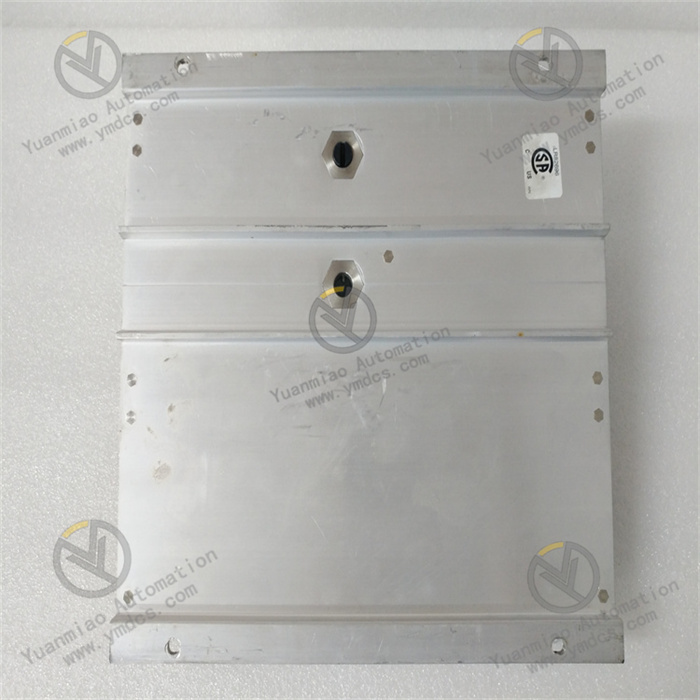
Description
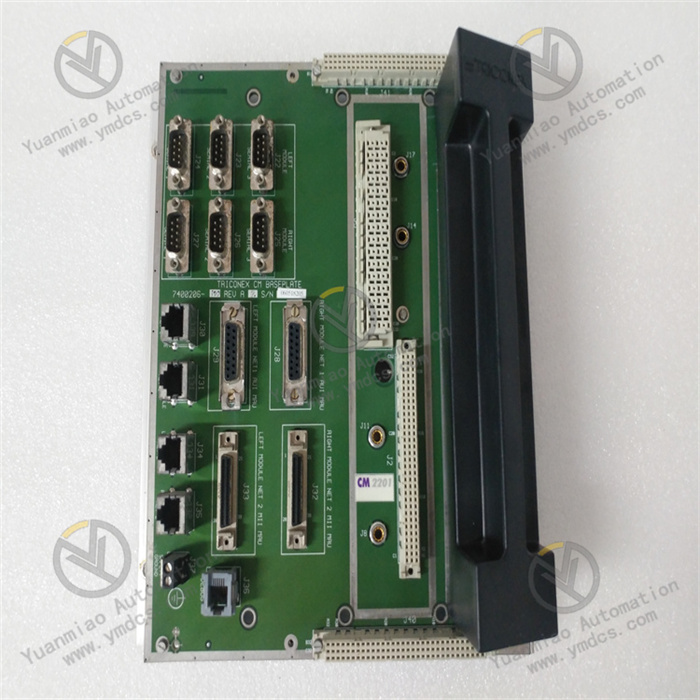
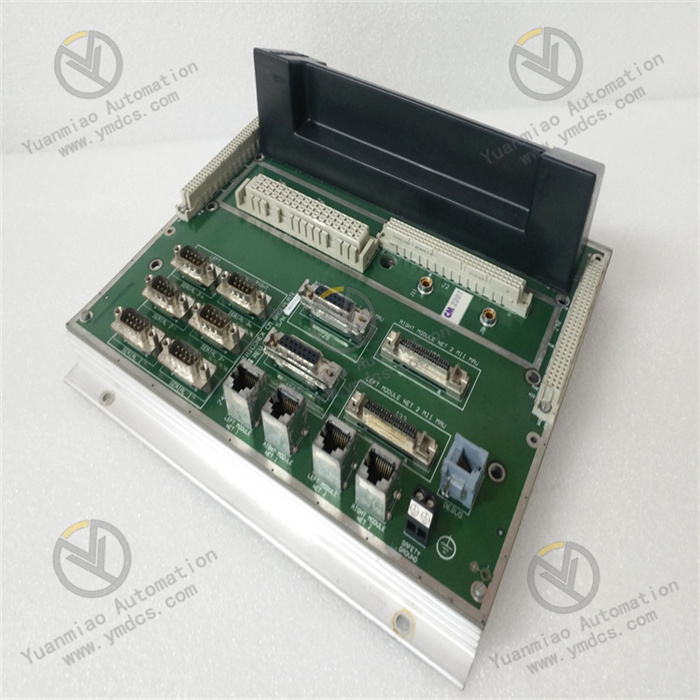
Triconex 2201
I. Overview
II. Product Parameters
| Parameter Name | Specifications |
|---|---|
| Model | Triconex 2201 |
| Manufacturer | Triconex |
| Product Type | Integrated digital input/output module, for use with Triconex safety control systems |
| Core Functions | 16-channel digital input, 16-channel digital output, field device communication, built-in diagnosis and self-test, real-time signal status feedback |
| Input Channels | 16 digital inputs; supports dry contact / wet contact input; independent channel isolation |
| Output Channels | 16 digital outputs; transistor output supported; equipped with short-circuit protection |
| Power Supply | Operating voltage: 24VDC; low power consumption; suitable for standard industrial power supply environment |
| Communication Protocol & Interface | Supports Modbus TCP/IP; equipped with Ethernet interface for high-speed data transmission |
| Fault Diagnosis | Built-in diagnosis and self-test functions; LED status indicators for fast fault location; real-time fault signal reporting |
| Environment & Protection | Operating temperature: -40℃ ~ +70℃; Relative humidity: 5%~95% (non-condensing); Protection rating suitable for industrial control room installation |
| Mounting Method | DIN rail mounting; easy installation; compatible with standard industrial cabinets for convenient later maintenance and module replacement |
| Compatible Devices | Full range of Triconex safety controllers, industrial switches, sensors, solenoid valves, contactors and other field devices |
| Core Advantages | Integrated I/O design, SIL 2 safety level, built-in diagnosis, easy installation, strong compatibility, excellent anti-interference performance |
III. Technical Features
- Integrated I/O DesignAdopts an all-in-one design with 16 digital input channels and 16 digital output channels. No additional separate input/output modules are required, which greatly saves installation space, simplifies system integration, reduces equipment investment costs, lowers connection failures between modules, and improves overall system reliability.
- Comprehensive Diagnosis and Self-test FunctionBuilt-in dedicated diagnosis circuit and self-test capability continuously monitor module operating status and channel signal abnormalities. Equipped with LED status indicators, maintenance personnel can quickly identify module status and fault types. Fault signals are reported to the controller in real time to facilitate rapid troubleshooting and reduce downtime.
- Reliable Communication PerformanceSupports Modbus TCP/IP industrial communication protocol with an Ethernet port for stable communication and high transmission speed. It enables high-speed data interaction between the module, Triconex safety controllers and field devices, ensuring timeliness and accuracy of signal acquisition and command execution.
- Strong Anti-interference and High ReliabilityAdopts high-quality industrial-grade components with independent isolation between channels. It effectively suppresses on-site electromagnetic interference and voltage fluctuations to avoid signal distortion or false triggering. With a robust overall design, it operates stably in a wide temperature range of -40℃ ~ +70℃, adapting to various harsh industrial environments.
- Convenient Installation and MaintenanceDIN rail mounting enables simple and fast module fixing and wiring, compatible with standard industrial cabinets. Standardized module interfaces allow easy wiring and rapid module replacement during later maintenance, reducing O&M costs and improving efficiency.
- Excellent CompatibilitySpecially designed for Triconex safety control systems, it is seamlessly compatible with all Triconex safety controllers without additional adaptive components, simplifying system integration. It also supports various standard industrial field devices such as switches, sensors and actuators, enabling flexible integration into existing industrial automation systems.
- Practical Protection FunctionsOutput channels are equipped with short-circuit protection to prevent module damage caused by load short circuits and extend service life. Input channels support both dry contact and wet contact modes to flexibly adapt to different types of field digital signals and enhance module applicability.
IV. Application Scenarios
1. Oil & Gas Industry
Widely used in key processes including oil and gas exploitation, transmission and refining. As a core interface module of Triconex safety systems, it collects digital signals such as pressure switches, temperature switches and valve position status, and outputs control commands to drive actuators including solenoid valves and contactors. It realizes safety interlock control, prevents risks such as leakage and explosion, and ensures safe and stable operation of oil & gas production.
2. Chemical Industry
Suitable for safety monitoring and interlock systems of chemical equipment such as reactors, distillation towers and pipeline transmission. It collects digital input signals including field equipment operating status and alarm signals, and executes interlock shutdown and alarm trigger commands issued by the control system. It ensures chemical production complies with safety regulations and avoids production accidents caused by equipment failure or signal abnormality.
3. Power Generation Industry
Applied in safety control systems of thermal power, hydropower and other power generation scenarios. It collects operating status signals of generator sets, transformers and switchgear such as equipment start-stop and fault alarms, and outputs control commands to drive relevant actuators. It realizes safe equipment start-stop and interlock protection, guarantees the safety and continuity of power production, and ensures reliable power supply.
4. General Manufacturing Industry
Used in safety interlock and process monitoring systems of various manufacturing industries. It collects digital signals such as production line operating status, process switching signals and safety door status, and outputs commands for equipment start-stop and process switching operations. It avoids production interruption caused by operational errors or equipment faults, and improves production efficiency and operational safety.
5. Safety-critical Process Control Scenarios