Description
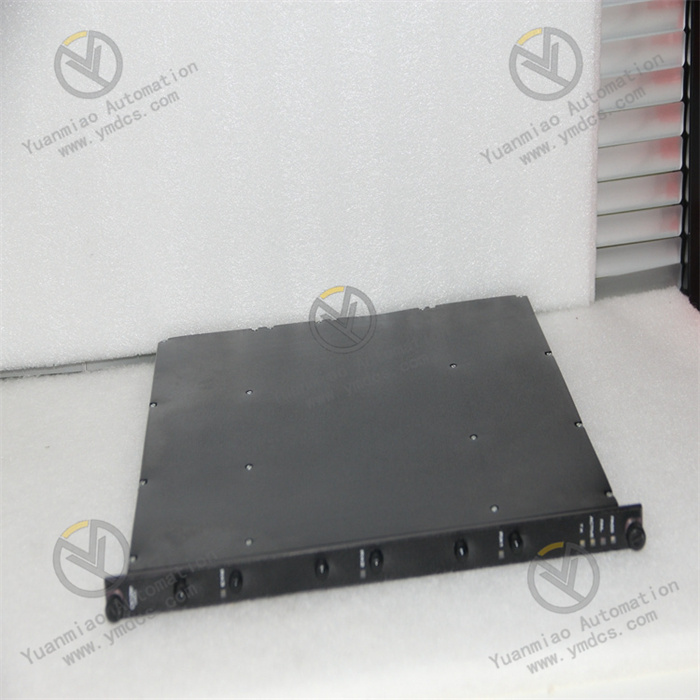
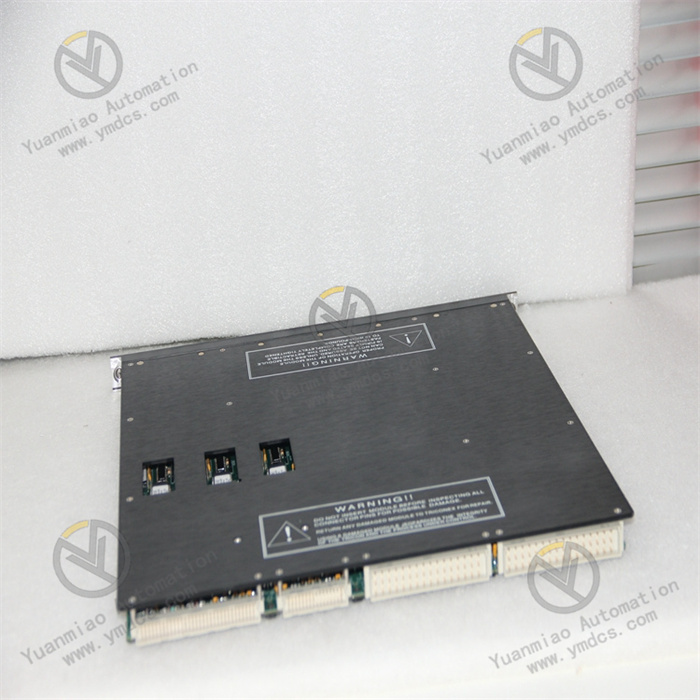
Triconex 4200
I. Product Positioning and Multi‑Scenario Adaptability
Core Remote Fiber Expansion for Tricon SIS
Designed exclusively for the Tricon safety control system, it is the standard primary module for remote I/O in SIL 2/3 systems. Adopting dual redundant fiber channels plus TMR system‑compatible design, it supports connection to remote I/O slave modules and enables long‑distance I/O expansion over multimode fiber (typically 1 km, and longer with compliant multimode links). It is mainly used to physically separate the control layer from the field execution / acquisition layer, solving problems of high cable costs and severe signal attenuation / interference caused by excessive distances between the main control room and high‑risk / distributed facilities. Data transmission latency is < 1 ms, without affecting the fast response of safety interlocks.
Adaptability for Industrial Automation System Integration
Seamlessly compatible with the full range of Tricon main control modules, power supply modules, and local I/O modules, with high‑speed interconnection to the controller via the Tricon dedicated backplane bus. It supports pairing with remote RXM slave modules to expand digital / analog I/O points and integrates directly into Tricon system protection logic without additional gateways. Suitable for standard Tricon cabinet rack mounting, it can directly replace legacy single‑channel fiber expansion modules without major modifications to cabinet layout, reducing system upgrade and expansion costs. It supports sharing remote I/O data with DCS systems (e.g., ABB 800xA, Honeywell Experion) and uploading to plant‑level SIS monitoring platforms via OPC UA / Modbus TCP.
Adaptability to Harsh Operating Conditions and Explosion‑Proof Scenarios
II. Functions and Technical Advantages
(I) Core Functions
Dual Redundant Fiber Channel Communication
Integrates two independent fiber channels (primary / standby) supporting automatic failover (switchover time < 100 ms) to avoid remote I/O communication interruption due to single fiber breakage / loss. Multimode fiber interfaces support standard SC / ST connectors and are compatible with industrial armored fiber. Data transmission uses CRC checking plus frame retransmission to ensure error‑free I/O data transfer. It supports online fiber link diagnostics for real‑time monitoring of optical power and bit error rate.
Remote I/O Master Management
As the master of the remote I/O link, it can manage multiple groups of remote slave racks. It supports configuration download, channel calibration, and fault reporting for remote I/O modules. It centrally aggregates remote I/O data and uploads it to the Tricon controller, while issuing interlock commands from the controller to remote actuators. It supports remote I/O synchronization in TMR triple redundant systems to ensure data consistency across three channels.
Signal Isolation and Hardware Protection
Fiber channels provide full electrical isolation (no electrical connection), with an isolation voltage of 2500 V AC between the system side and field side. The module power supply and communication interfaces are equipped with surge protection and overvoltage / overcurrent protection to resist lightning strikes and transient voltage fluctuations. Hot‑swapping is supported (only during non‑interlock execution periods, with “module offline” performed strictly in accordance with TriStation 1131 procedures), allowing module replacement without system shutdown and improving system availability.
Comprehensive Self‑Diagnosis and Status Monitoring
(II) Technical Advantages
High Reliability and Fault Tolerance
Dual redundant fiber channels plus TMR system‑compatible design, certified to IEC 61508 SIL 3. Built with industrial‑grade components and subjected to Environmental Stress Screening (ESS), it achieves industry‑leading MTBF. With no vulnerable internal batteries, configuration parameters are stored in non‑volatile memory, supporting 24/7 uninterrupted operation and reducing unplanned downtime. Fiber media offers far better EMI immunity than copper cables, making it especially suitable for long‑distance data transmission in strong electromagnetic environments.
Strong Compatibility and Rapid Integration
Requires no additional drivers and integrates directly into the Tricon system backplane bus. It supports pairing with the full range of Tricon RXM remote slave modules. Standard rack dimensions match other Tricon I/O modules, facilitating cabinet layout and expansion. The configuration process is simple: only fiber channel parameters, slave addresses, and synchronization cycles need to be set via TriStation 1131 software, with no complex programming required.
Long‑Distance Transmission and Low Latency
Easy Maintenance and Convenient Commissioning
III. Application Scenarios
Petrochemical Industry and Long‑Distance Pipelines
Used in separated layouts of process areas and main control rooms in refineries / chemical plants, where remote I/O acquires temperature, pressure, and level signals from reactors / towers and remotely drives emergency shut‑off valves. For remote monitoring of valve chambers in long‑distance oil and gas pipelines, fiber links enable ESD interlocking in unattended valve chambers, avoiding interference and lightning risks associated with long‑distance copper cable transmission.
Offshore Oil & Gas Platforms and FPSOs
On platforms, I/O points for Fire & Gas Systems (F&GS) and compressor control systems are distributed across different decks and connected via dual redundant fiber channels of the 4200 module, enduring salt‑spray, high‑humidity, and high‑vibration conditions. On FPSOs, physical separation between production modules and the central control room is achieved via remote I/O expansion, lowering cable laying costs while improving system anti‑interference performance.
Power Industry (Thermal / Nuclear Power)
In thermal power plants, the boiler island and turbine island are separated; in nuclear power plants, the nuclear island and conventional island are remotely arranged. Remote fiber I/O expansion enables I/O acquisition and control for nuclear auxiliary systems and turbine protection systems, avoiding interference from high‑voltage radiation areas on control signals while meeting redundancy and fast‑response requirements of safety systems.
Coal Chemical and Metallurgical Distributed Plants
IV. Technical Parameters
| Item | Specification |
|---|---|
| Model | 4200 (Triconex, Schneider Electric) |
| Product Type | Multimode fiber primary remote expansion module for Tricon SIS (RMX/RXM Primary) |
| Communication Media | Multimode fiber (62.5/125 μm standard) |
| Interface Type | Dual redundant fiber ports (SC/ST optional), Tricon standard backplane interface |
| Transmission Distance | 1 km over standard multimode fiber (extendable per fiber grade and connector configuration) |
| Communication Latency | < 1 ms |
| Isolation Level | Full electrical isolation via fiber (no electrical connection between system and field sides); internal system isolation: 2500 V AC |
| Operating Voltage | Nominal 24 V DC (wide range: 18–36 V DC) |
| Operating Temperature | -20℃ ~ 60℃ (industrial wide temperature) |
| Relative Humidity | 5% ~ 95% (non-condensing) |
| Ingress Protection | IP20 (cabinet installation only) |
| Mounting | Standard Tricon cabinet rack mounting |
| Supporting Software | TriStation 1131 |
| Compatible Systems | Full range of Tricon Safety Instrumented Systems (SIS), supports TMR triple redundancy configuration |