Description
ABB UNS0882A-P,V1 3BHB006309R0001
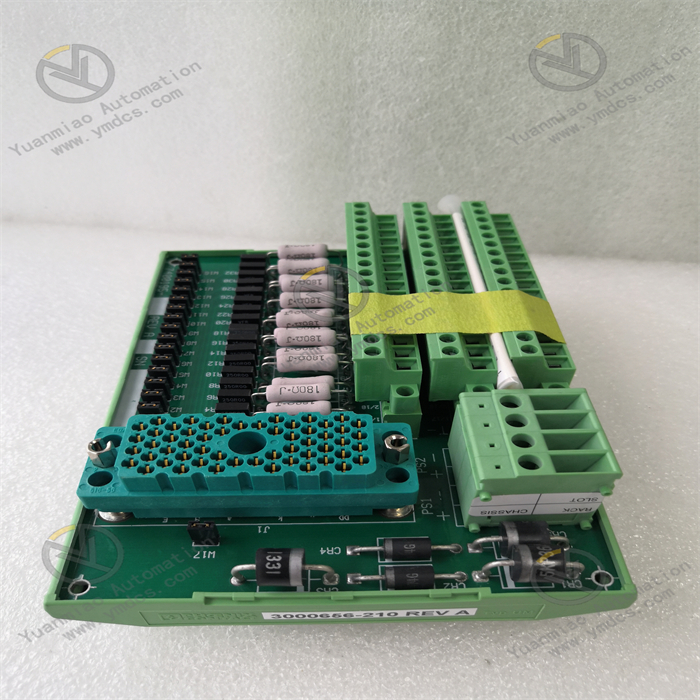
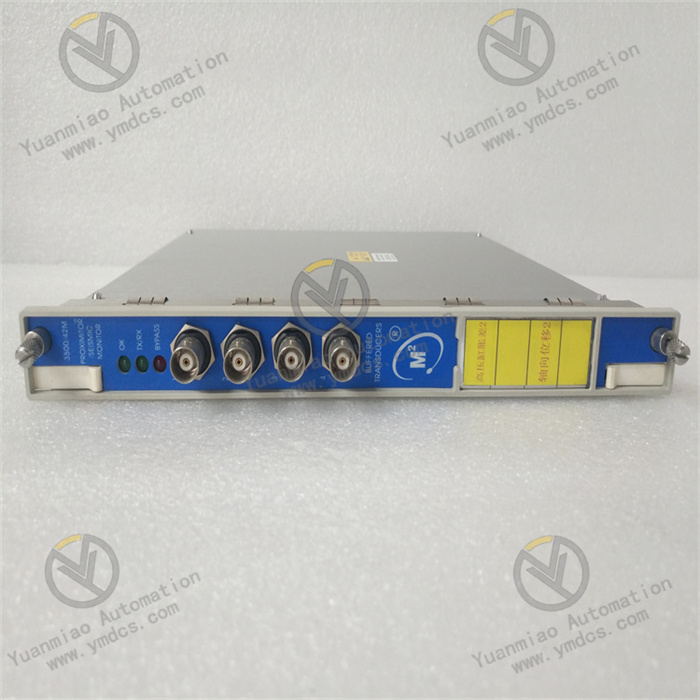
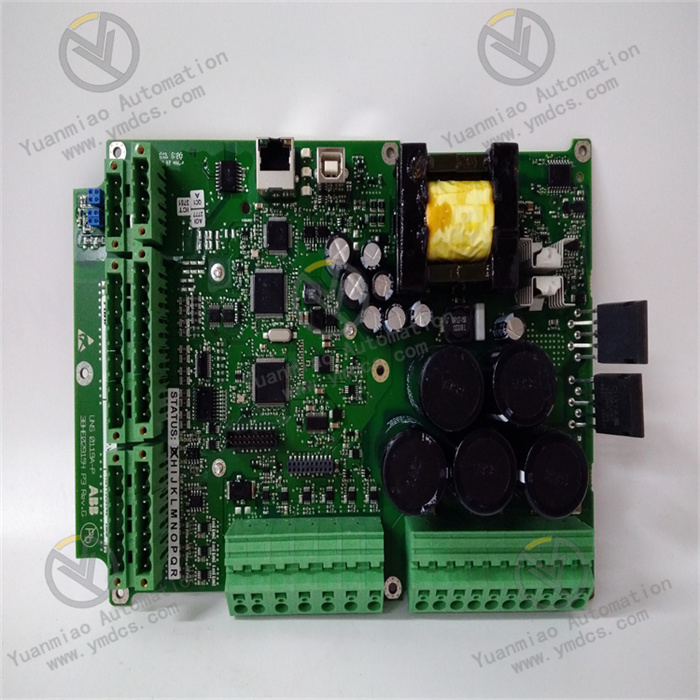
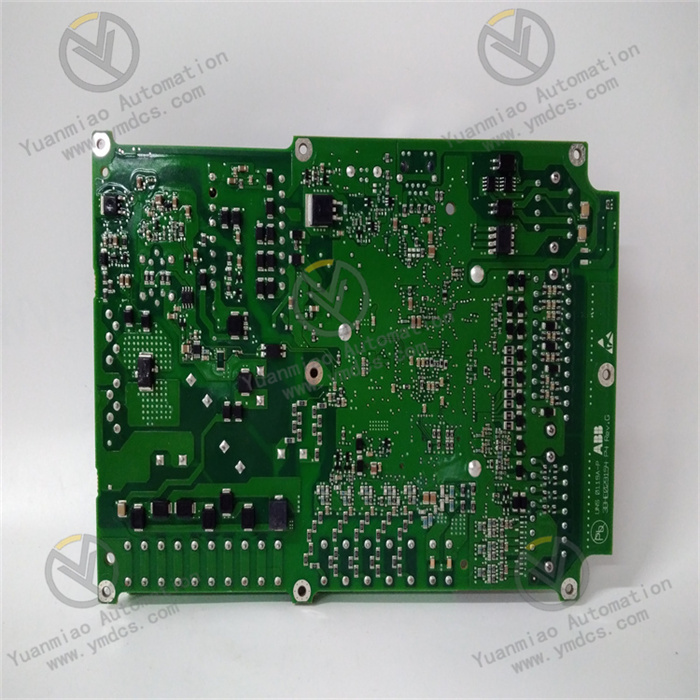
ABB UNS0882A‑P, V1 (order number: 3BHB006309R0001) is a high‑performance industrial control module belonging to the UNITROL 5000 series. Designed as a Power Signal Interface board (PSI), it is also compatible with DCS distributed control systems. Its core functions include the acquisition, conditioning, and transmission of power signals in industrial field environments, bridging sensors and main controllers to achieve accurate signal conversion and interaction. As such, it serves as a critical core component for signal transmission and control in industrial automation.
Originating from Switzerland, this product features advanced circuit design and high‑quality industrial‑grade components. It offers advantages including high reliability, strong anti‑interference performance, wide operating condition adaptability, and convenient integration. It can operate stably for long periods in harsh industrial environments and is widely used in key industrial sectors such as power, oil and gas, metallurgy, and chemical processing. It plays an especially important role in excitation systems, motor control, and inverter applications. As a standard original spare part from ABB, it is available in new, refurbished, and used conditions with a comprehensive after‑sales support system, making it a preferred component for the upgrade and maintenance of industrial control systems.
1. Specifications and Physical Parameters
The specifications of ABB UNS0882A‑P, V1 3BHB006309R0001 are fully optimized for installation and operation in UNITROL 5000 series and various DCS control systems. Key parameters are as follows:
- Physical dimensions and weight: Featuring a compact, modular design, the module is available in two mainstream sizes: 30cm × 20cm × 20cm with a net weight of approximately 1kg, and 30.5cm × 15cm × 6cm weighing about 0.04kg, to suit different installation scenarios. Its compact and robust structure fits standard industrial control cabinet spaces, supports modular layout and easy replacement, and flexibly adapts to control system rack configurations of various scales. The enclosure uses industrial‑grade protective design that balances heat dissipation and protection performance.
- Core electrical parameters: Supports two power supply options: 24VDC industrial standard power and 100–240VAC wide‑range input, ensuring stable power adaptability. Rated input and output current is 20mA for accurate power signal transmission. Equipped with a high‑performance processing unit with an operating frequency of 400Hz and processing speed up to 200MHz, it includes 128MB RAM and 128MB Flash memory, with some versions offering 256KB memory, enabling efficient signal data processing and timely transmission. It supports 16 digital input and 16 digital output channels for multi‑point signal acquisition and transmission. It is compatible with PID control, soft start, and soft stop functions, adapting to diverse industrial control scenarios.
- Environmental and anti‑interference parameters: Operating temperature covers a wide range, with a standard range of −20°C to 70°C, and extended ranges of −25°C to 55°C or −40°C to 70°C for certain applications; storage temperature matches the operating range. Relative humidity tolerance is 0% to 95% (non‑condensing), allowing operation in harsh industrial environments including high and low temperatures and high humidity, especially in complex on‑site conditions such as power plants and petrochemical facilities. Protection class is IP20 with basic dust resistance. Its electromagnetic compatibility complies with international industrial standards, effectively suppressing electromagnetic interference from field inverters, large motors, and other equipment to ensure stable and complete signal transmission. It also features overload protection with inverse definite minimum time long‑delay characteristics in accordance with IEC 60255‑3, preventing module damage from circuit abnormalities or overloads.
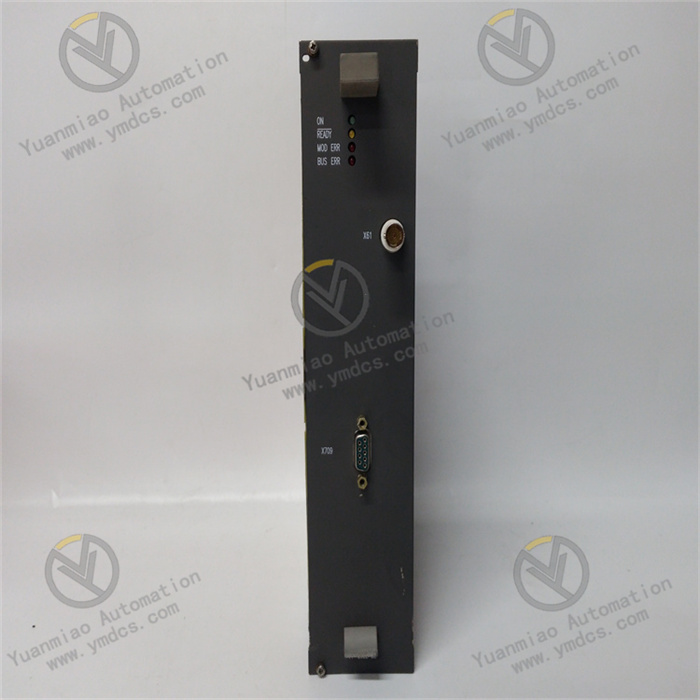
- Connectors and interface specifications: Fitted with dedicated industrial‑grade connectors for power input, signal transmission, and interconnection with other modules. The interfaces use locking connections to ensure secure attachment and avoid signal dropout or poor contact. It supports Ethernet, RS485, and communication protocols including Modbus RTU and CANopen, enabling seamless data exchange with PLCs, DCS systems, and third‑party devices to facilitate distributed control network construction. Selected versions include dedicated signal interfaces for use as excitation power signal interface boards connecting to excitation regulators for power signal transmission and interaction in excitation systems. The front panel is equipped with status indicators that display power, operation, communication, and fault statuses in real time, allowing on‑site personnel to quickly identify equipment abnormalities.
2. Functions and Features
- High‑precision power signal transmission: As a power signal interface board, its primary function is to acquire, condition, and transmit power signals from industrial sites, connect sensors to main controllers, and convert analog power signals into digital signals recognizable by control systems, ensuring accurate and timely signal transmission. It is particularly suitable for excitation systems and inverter applications, providing reliable data support for precise equipment control. It supports multiple signal types, adapts to power signal transmission requirements in different industrial scenarios, and enables real‑time synchronous signal transfer.
- Flexible integration and compatibility: Seamlessly compatible with ABB UNITROL 5000 series excitation systems, it also supports EX2100e, LS2100e platforms, and various DCS distributed control systems. It can work cooperatively with other ABB industrial control modules and inverters (e.g., ACS355 series) to build complete industrial control systems. It supports multiple programming languages such as ladder logic and structured text, allowing users to flexibly configure parameters including signal transmission rate and sampling frequency according to actual working conditions. Its modular design supports easy expansion and configuration adjustment based on system scale, improving system flexibility and scalability.
- High reliability and stability: Built with ABB premium industrial‑grade components and advanced circuit design, it has passed rigorous industrial environmental testing and complies with EU Directive 2011/65/EU, delivering high reliability and long‑term stable operation in harsh industrial environments. Some versions use a fanless design with metal enclosure heat dissipation for high efficiency, avoiding performance degradation caused by heat buildup. Its rugged construction provides excellent vibration and electromagnetic interference resistance, effectively mitigating on‑site disturbances to ensure stable signal transmission and module operation while reducing system downtime.
- Intelligent fault diagnosis and ease of maintenance: Equipped with comprehensive fault diagnosis capabilities and built‑in fault detection circuits, it continuously monitors module status, signal transmission, and interface connections. It promptly detects signal anomalies, loose connections, power failures, overloads, and other issues, and reports fault information via front‑panel LED indicators and communication interfaces for quick troubleshooting and repair. The modular design simplifies installation and maintenance and supports online module replacement (where system conditions permit) without full system shutdown, reducing lifecycle maintenance costs. Select professional suppliers offer rapid repair services to minimize production losses.
- Safety protection and compatibility: Features a complete safety protection system including overload, overcurrent, and overvoltage protection to safeguard the module and the entire control system from damage. Electrical isolation design ensures compliant isolation voltage between interfaces and power supplies, effectively preventing signal interference and electrical leakage to enhance operational safety. Certified to relevant international safety standards, it is suitable for hazardous areas such as Class I, Division 2 in certain applications. It is compatible with a wide range of industrial automation equipment and third‑party software, supports cross‑system data exchange, and adapts to diverse industrial control requirements.
3. Application Scenarios
- Power industry: Primarily used in excitation systems of power plants as an excitation power signal interface board connecting to excitation regulators, enabling power signal acquisition and transmission to support stable operation of steam turbines and generators. It also serves as a core control module in substations and power distribution cabinets to ensure reliable power supply and rapid fault response. Additionally, it can be paired with inverters to control the speed and torque of AC motors in pumps, fans, and similar equipment.
- Oil, gas, and chemical industries: Applied in automation control systems for oil fields, gas processing plants, pipeline transportation equipment, and chemical reactors, acquiring on‑site power signals and related physical parameters to enable real‑time monitoring and control of production processes. It withstands harsh field and outdoor environments including high temperatures, vibration, and electromagnetic noise, ensuring safe and continuous operation in oil, gas, and chemical production. It is used in compressor station control and refinery furnace control applications.
- Metallurgical and general industry: Deployed in rolling mill production lines and blast furnace blower systems in metallurgical plants, where it collects power signals and adjusts motor frequencies via closed‑loop control to maintain stable equipment operation and improve product precision. In general industry, it controls conveyors, machine tools, and other equipment, regulating conveyor speed for smooth material handling and spindle speed and torque for enhanced machining accuracy. It also supports control systems in paper making, printing and dyeing, and intelligent fire water supply.
- Other fields: Used as a signal interface module in marine propulsion systems, building intelligent control, and water treatment systems to acquire and transmit power signals according to application‑specific control requirements. It can be integrated into access control and video surveillance systems to support device linkage and data interaction, raising overall system automation levels.