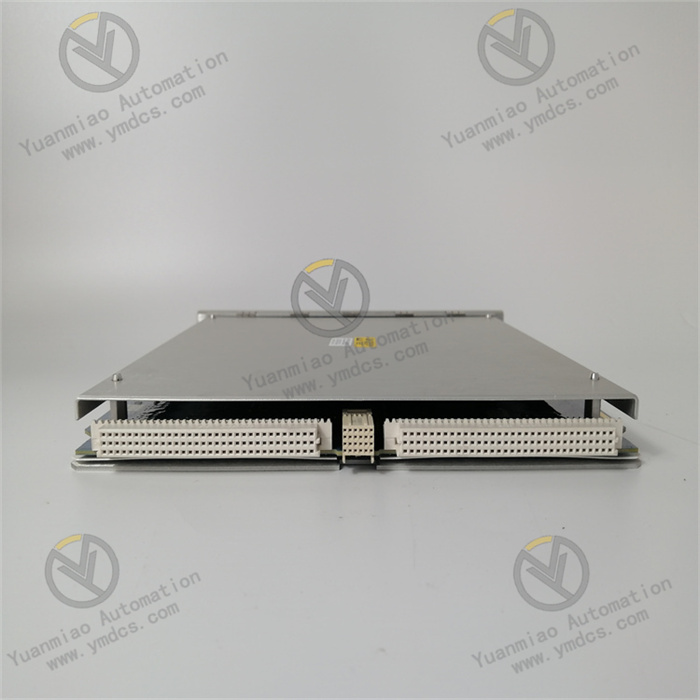
Description
1. Product Overview
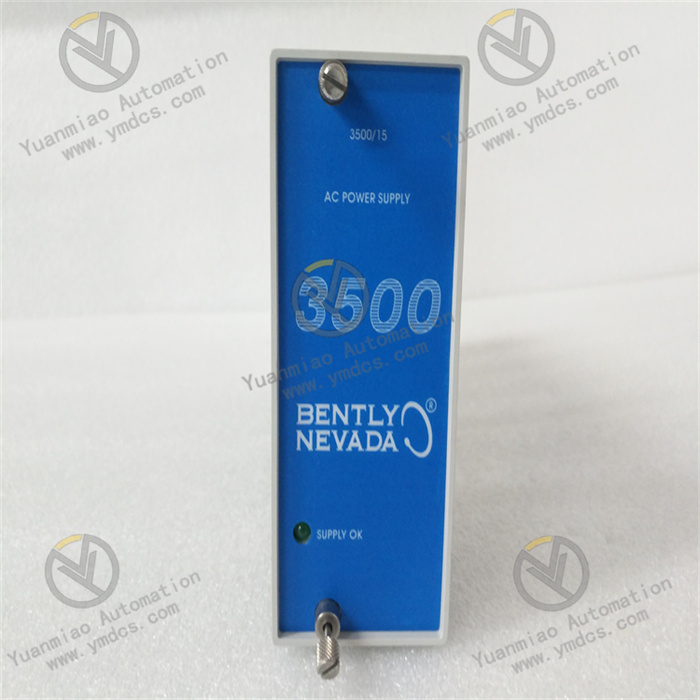
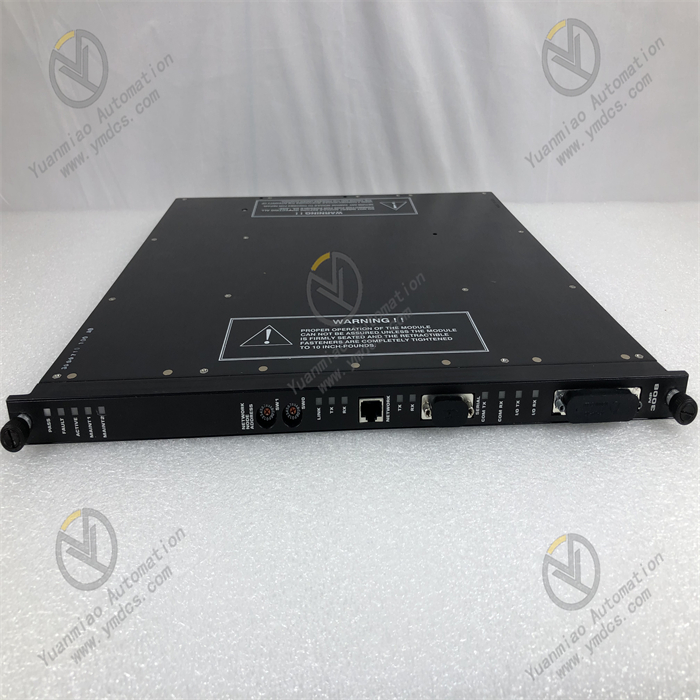
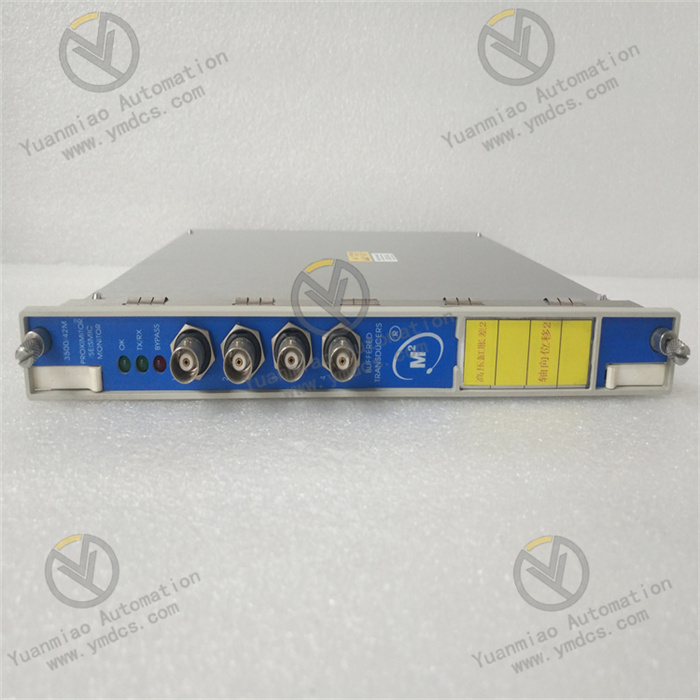
Bently Nevada 134652‑01 is a core industrial control board of Baker Hughes Bently Nevada 3500 series, namely the TDXnet high‑speed communication processor module. It acts as the core communication hub and data scheduling unit for the 3500 machinery condition monitoring and protection system. Designed for data interaction of monitoring systems for large‑scale rotating machinery, this board undertakes key functions including intra‑rack data aggregation of the 3500 chassis, high‑speed computation, TDXnet bus communication transmission, data exchange with host systems, transient data buffering and process data forwarding. It serves as a critical hardware bridge connecting 3500 monitoring racks, field monitoring modules, the System 1 operation & maintenance platform and upper‑level industrial control systems. It is widely applied to complete 3500 monitoring‑protection systems for key high‑speed rotating units such as steam turbines, centrifugal compressors, gas turbines, large‑size fans and booster pumps in thermal power, oil‑gas, chemical and metallurgical industries, delivering stable, high‑speed and reliable hardware support for unit data uploading, condition analysis, fault tracing, remote maintenance and system interlocking.
This product has passed a full set of rigorous industrial tests, including long‑term full‑load communication aging, extreme high‑low temperature cycling, continuous vibration‑shock test, electromagnetic interference resistance, communication stability test and dielectric withstand voltage test. Capable of 7×24‑hour non‑stop full‑load communication scheduling all year round, it withstands harsh industrial conditions such as high enclosed cabinet temperature, dust‑humidity environment, alternating temperature difference, continuous mechanical vibration on‑site and minor grid fluctuation. It effectively addresses common drawbacks of traditional communication boards: low transmission rate, data stalling, message loss, communication disconnection, data misalignment and performance degradation after long‑time operation. As an essential hardware for new‑build 3500 system integration, technical retrofit & replacement of aged communication boards, rectification of communication faults and strategic spare‑part stock for core units, it ensures real‑time, complete and accurate delivery of monitoring data as well as stable coordinated operation of the whole monitoring‑protection system.
2. Functional Features
2.1 TDXnet High‑speed Bus Communication for Efficient Data Scheduling & Transmission
Equipped with dedicated TDXnet high‑speed parallel data transmission architecture, the 134652‑01 works as the central communication hub of 3500 racks. It aggregates multi‑dimensional process data including vibration, displacement, temperature and rotating speed from all monitoring modules inside the rack, and implements high‑speed data integration, packaging, validation and forwarding. Compared with ordinary communication boards, it achieves higher transmission rate, larger message throughput and ultra‑low latency. It supports full‑volume transmission of steady‑state data, start‑stop transient data and fault impulse data of machinery, eliminates data stalling, packet loss and delay under heavy‑load conditions, and guarantees complete synchronous uploading of high‑frequency dynamic unit data.
2.2 Full‑volume Data Buffering for Transient Fault Traceability
Built‑in dedicated high‑speed buffer unit enables real‑time caching of transient process data during unit start‑stop, load fluctuation and fault impact, and preserves complete datasets for abnormal conditions and instantaneous failures. It accurately records multi‑dimensional monitoring parameters before and after faults, providing complete, continuous and gap‑free raw data for fault tracing, condition analysis, equipment evaluation and unit commissioning. It makes up for the deficiency of conventional systems where transient data get lost and faults cannot be tracked, and greatly improves fault diagnosis and O&M analysis capability.
2.3 Native System Compatibility for Seamless Multi‑platform Interconnection
Natively compatible with all 3500‑series monitoring racks and functional modules, it follows native bus protocols of the 3500 system. No extra protocol conversion, parameter adaptation or adapter hardware is required; it is plug‑and‑play with full compatibility. It seamlessly interfaces with Bently Nevada System 1 machinery condition management platform, upper‑level monitoring hosts as well as industrial DCS, PLC and SCADA systems and supports bidirectional data exchange. It realizes real‑time uploading, trend logging and remote display of unit operating data, meanwhile receives commands from host systems for configuration synchronization and status feedback. It fits both legacy and new‑built automatic‑control & monitoring architectures.
2.4 Industrial‑grade Anti‑interference Performance for Reliable Communication under Complex Conditions
Adopting industrial reinforced electrical design and multi‑layer electromagnetic shielding, it delivers outstanding EMC performance. It effectively suppresses interference sources on‑site such as frequency‑converter noise, coupling interference from power cables, unit electromagnetic radiation, grid fluctuation and line‑induced noise. Communication keeps running without disconnection, message loss, data misalignment or transmission drift. In harsh cabinet environments featuring high temperature, dust‑humidity, temperature cycling, persistent vibration and strong electromagnetic disturbance, it maintains stable links and avoids monitoring blind spots, system disconnection and interlock failure caused by communication malfunctions.
2.5 Intelligent Self‑test and Fault‑tolerant Mechanism for Safe and Stable System Operation
The board integrates dual hardware‑software fault self‑test and fault tolerance. It continuously monitors its own operating status, bus communication status, data transmission links and power supply. Once communication anomaly, link failure or hardware defect occurs, it automatically triggers alarms, isolates faulty links and activates backup data transmission, preventing full‑system breakdown induced by single‑point failure. Accurate fault‑code reporting helps maintenance staff locate and troubleshoot rapidly, lowering troubleshooting and repair costs and enhancing fault tolerance and stability of the whole monitoring‑protection system.
2.6 Modular Hot‑swap Design for Efficient Installation and Replacement
Featuring standardized hot‑swap modular structure for 3500 racks, it achieves precise rack alignment, easy disassembly and firm locking. Hot‑swap replacement is supported without unit shutdown, power cut, wiring modification or configuration adjustment. With standardized dimensions and pin definition, it is fully compatible with all 3500 racks and enables non‑destructive in‑situ replacement of defective legacy communication boards. It reduces costs for unit retrofit, emergency repair and routine maintenance, and adapts to non‑stop maintenance, system expansion and hardware upgrade scenarios of industrial units.
3. Technical Parameters
3.1 Core Compatibility Parameters
Model: 134652‑01 Brand: Bently Nevada (Bently Nevada / Baker Hughes) Series: 3500‑series Machinery Condition Monitoring System Boards Type: TDXnet High‑speed Communication Processor Board Compatible Systems: Bently Nevada 3500 Rack‑mounted Monitoring & Protection System, System 1 Machinery Condition Management Platform, Industrial DCS/PLC/SCADA Systems Compatible Modules: Full range of 3500‑series I/O modules for vibration, displacement, rotating speed, temperature and process variable monitoring Applicable Equipment: High‑speed rotating machinery including steam turbines, centrifugal compressors, gas turbines, large‑size fans and industrial booster pumps Core Functions: Intra‑rack multi‑module data aggregation, TDXnet high‑speed bus communication, transient data buffering, process data forwarding, system communication interlock, hardware self‑test & fault tolerance, upper‑level system data interaction Application Scenarios: New‑build 3500 monitoring system integration, replacement of aged communication boards, rectification of communication abnormalities, troubleshooting of data‑transmission faults, strategic spare‑part reserve for core units
3.2 Electrical Performance Parameters
System Power Supply: Standard 24 V DC, matching native power architecture of 3500 racks Communication Bus: Dedicated TDXnet high‑speed parallel bus for intra‑rack high‑speed data exchange Transmission Characteristics: High throughput, low latency, zero packet loss, no data misalignment; supports continuous high‑volume data transmission Data Processing: Real‑time data aggregation, validation, packaging & forwarding; transient data buffering and storage Communication Protocol: Compliant with proprietary 3500‑system protocols; conforms to System 1 platform interface specifications Anti‑interference Performance: Multi‑layer electromagnetic shielding; withstands complex industrial power‑frequency and high‑frequency interference Electrical Stability: 7×24‑hour continuous full‑load communication without performance degradation or link failure
3.3 Operating Condition Parameters
Operation Mode: 7×24‑hour non‑stop full‑load communication scheduling and data transmission all year round Response Characteristic: Real‑time data processing & transmission without delay or stalling, synchronously tracking unit condition changes Buffering Capability: Complete caching of start‑stop and fault‑transient data; power‑failure data retention protection Stability Characteristic: No routine calibration or frequent maintenance required; constant communication performance over long‑term operation Protection Features: Dual hardware‑software self‑test, fault isolation, fault‑tolerant backup and abnormal‑alarm mechanism
3.4 Environmental Parameters
Operating Temperature: ‑40 ℃ ~ +85 ℃, ultra‑wide industrial temperature range for harsh enclosed cabinet conditions Storage Temperature: ‑45 ℃ ~ +90 ℃ Operating Humidity: 5 % ~ 95 %RH (non‑condensing), suitable for high‑humidity cabinet environments Environmental Resistance: Dust‑proof, moisture‑proof, anti‑thermal‑cycling aging, anti‑continuous vibration, anti‑strong electromagnetic interference Compliance Standards: Compliant with IEC industrial electrical safety, EMC and industrial‑communication specifications
3.5 Physical Structure Parameters
Mounting Method: Standard 3500‑rack plug‑in installation; hot‑swap replacement supported Structure Form: Integrated industrial‑control board with standardized rack‑adapted form factor Material: Industrial flame‑retardant reinforced PCB, dust‑proof insulated housing; anti‑vibration, anti‑loosening, wear‑resistant and anti‑aging Structural Features: Partitioned circuit layout with separation of strong‑current and weak‑current circuits to eliminate signal crosstalk Interface Configuration: Standard TDXnet bus interfaces and system docking interfaces, compatible with native rack wiring
4. Hardware Configuration & Structural Advantages
4.1 Core Hardware Configuration
The Bently Nevada 134652‑01 communication processor board adopts TDXnet high‑speed communication hardware architecture exclusive for the 3500 system. Its core components include high‑speed data processing chip, large‑capacity transient buffer unit, bus signal conditioning circuit, multi‑layer electromagnetic shielding circuit, hardware self‑test monitoring unit, protocol adaptation module and stabilized power‑supply circuit. Partition layout with strong‑weak‑current isolation eliminates communication anomaly, data distortion and message loss caused by circuit crosstalk, power fluctuation and electromagnetic interference. All key components have undergone strict OEM screening: full‑load aging, high‑low temperature thermal shock, vibration fatigue and electromagnetic interference test. Optimized for long‑term non‑stop operation, complex electromagnetic noise and poor cabinet environment in industrial plants, it independently completes the full workflow: 3500 rack multi‑module data aggregation, computation & validation, high‑speed transmission, transient buffering and host‑system interfacing. It features fast transmission, high data integrity, strong anti‑interference capability and stable long‑term performance without degradation.
4.2 Structural Design Advantages
The board uses compact standardized plug‑in form factor for 3500 series. Its neat layout fits dense standardized installation inside 3500 racks and saves cabinet space. The whole unit is enclosed by industrial flame‑retardant dust‑proof reinforced housing. Multi‑point fixation of internal circuits delivers outstanding anti‑vibration, anti‑shock and anti‑loosening performance. It sustains continuous cabinet vibration and temperature cycling and avoids hardware poor‑contact, communication drop‑out and data anomaly. With well‑organized circuit layout plus dual hardware‑software protection, it achieves high fault tolerance and operational stability. Hot‑swap replacement is allowed without power‑off, rewiring or configuration reset. It supports in‑situ non‑destructive replacement of defective legacy communication boards, reduces costs for unit maintenance, emergency repair and retrofit, and satisfies the demand for long‑term reliable data transmission and system coordination of critical industrial units.
5. Working Principle
The Bently Nevada 134652‑01 TDXnet communication processor board implements a full closed‑loop intelligent communication scheduling mechanism: rack‑module data acquisition → full‑volume data aggregation & validation → transient‑data buffering & retention → TDXnet high‑speed bus transmission → upper‑level‑system data interaction → fault self‑test & fault‑tolerant protection. It realizes efficient, stable and accurate multi‑dimensional data transmission and system coordination for the 3500 machinery monitoring system.
During operation, the board collects and aggregates all process monitoring data (shaft vibration, axial displacement, differential expansion, rotating speed, temperature etc.) from every I/O monitoring module inside the 3500 rack via native TDXnet bus. Built‑in signal conditioning and data‑validation circuits filter transmission noise, correct data deviation and reject abnormal messages to guarantee authenticity and completeness of raw data. Meanwhile, key transient datasets generated during unit start‑stop, load swing and fault impulse are cached at high speed to prevent loss of instantaneous‑condition data and reserve complete evidence for fault tracing.
Processed standardized data are uploaded in real time through high‑speed bus to Bently System 1 platform, upper‑level monitoring hosts as well as DCS/PLC/SCADA industrial control systems for real‑time condition display, trend logging, data analysis, remote monitoring and system interlocking. The board meanwhile receives instructions from upper systems to accomplish configuration synchronization, status feedback and parameter exchange, realizing seamless coordination between host and lower‑level systems. Throughout operation, it keeps self‑checking power supply, links and hardware status. Upon abnormality detection, faulty links are isolated automatically, alarms are triggered and fault‑tolerant backup mechanisms are activated to prevent single‑point‑fault propagation. It comprehensively ensures stable communication, complete datasets and reliable interlocking of the whole machinery monitoring‑protection system.