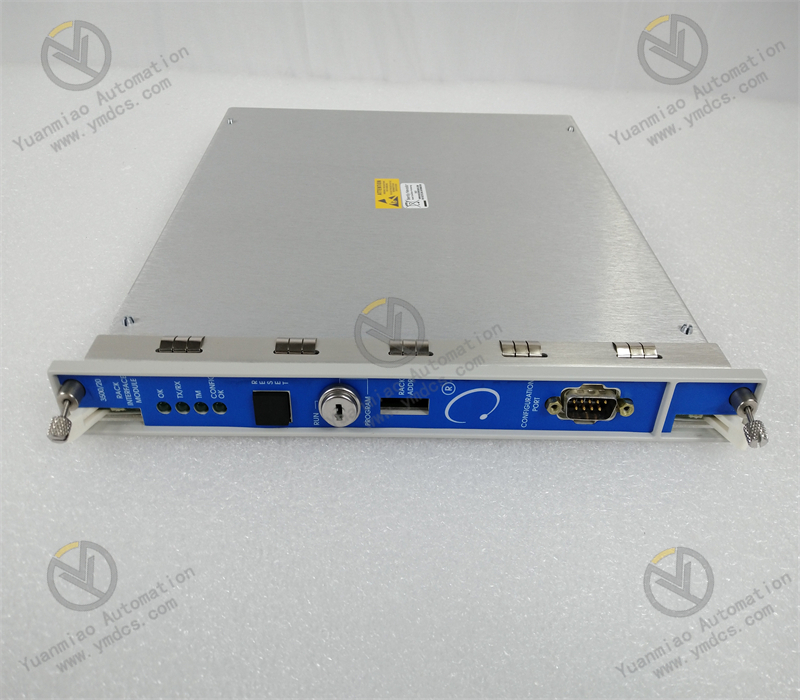
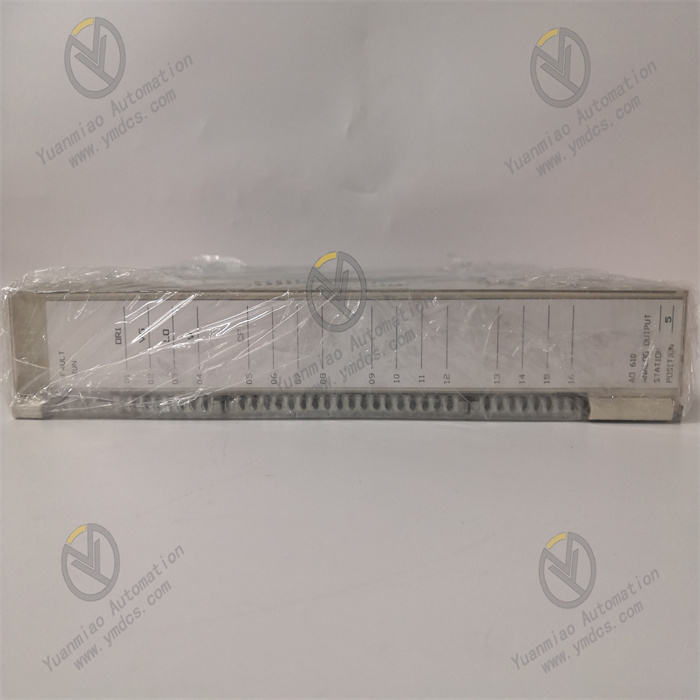
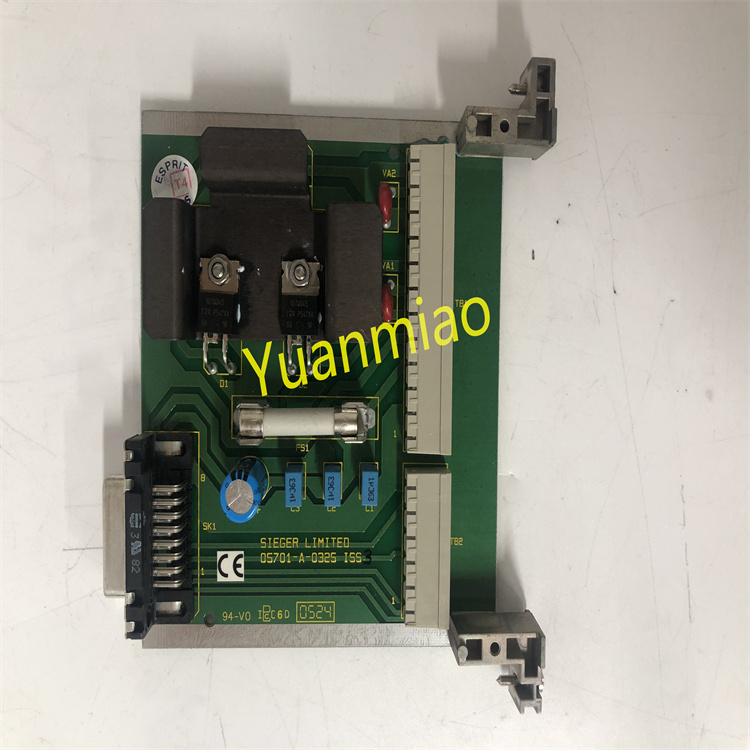
Description
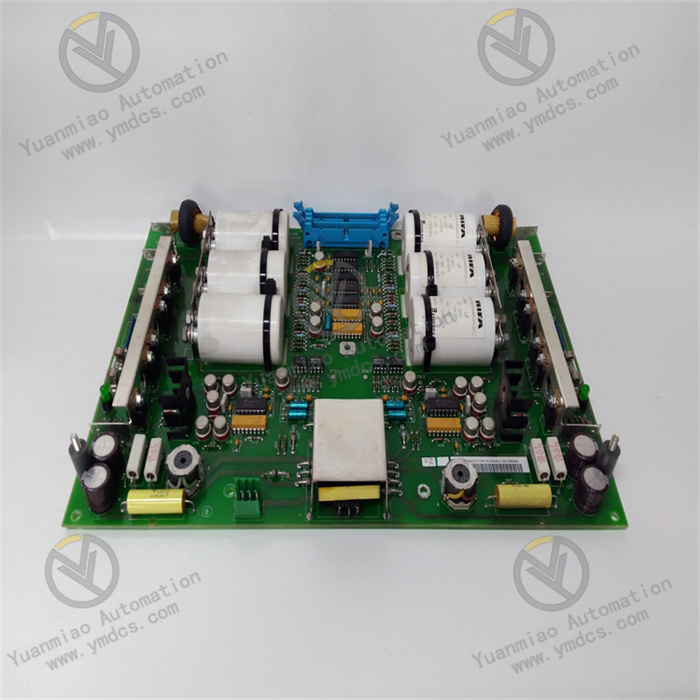
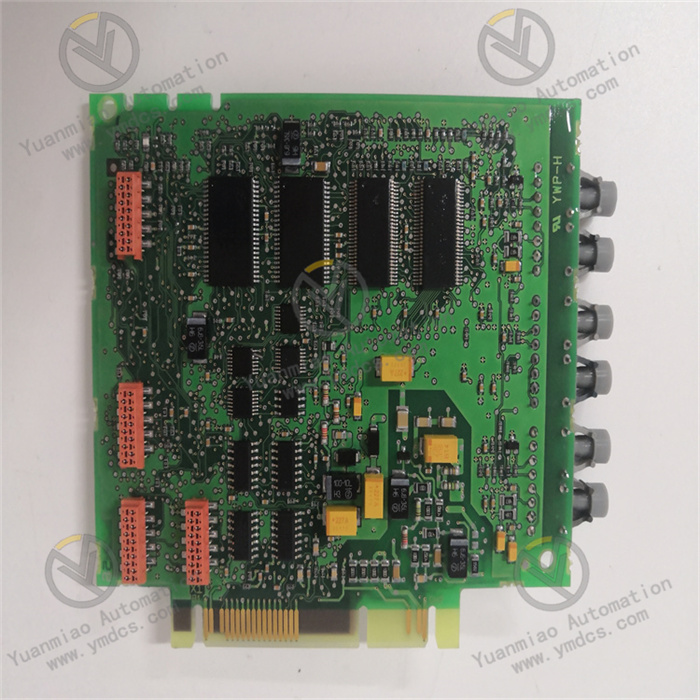
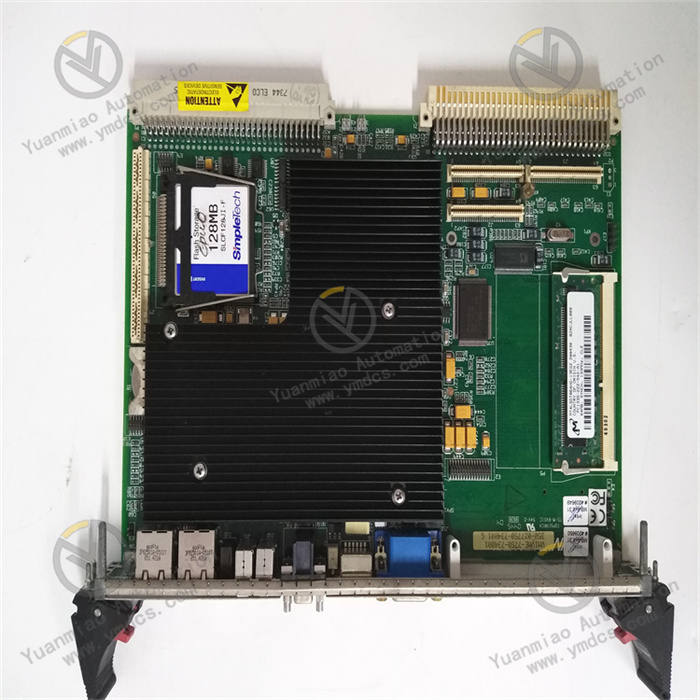
ABB SNAT7261INT
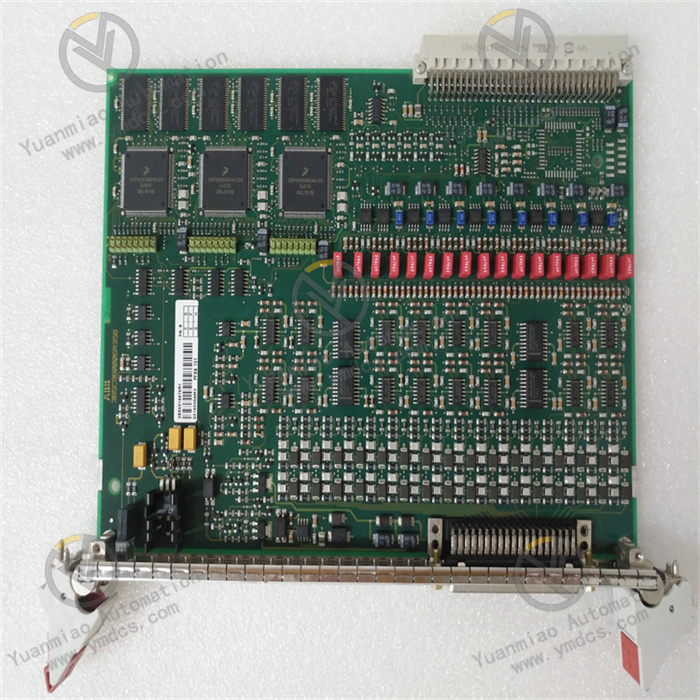
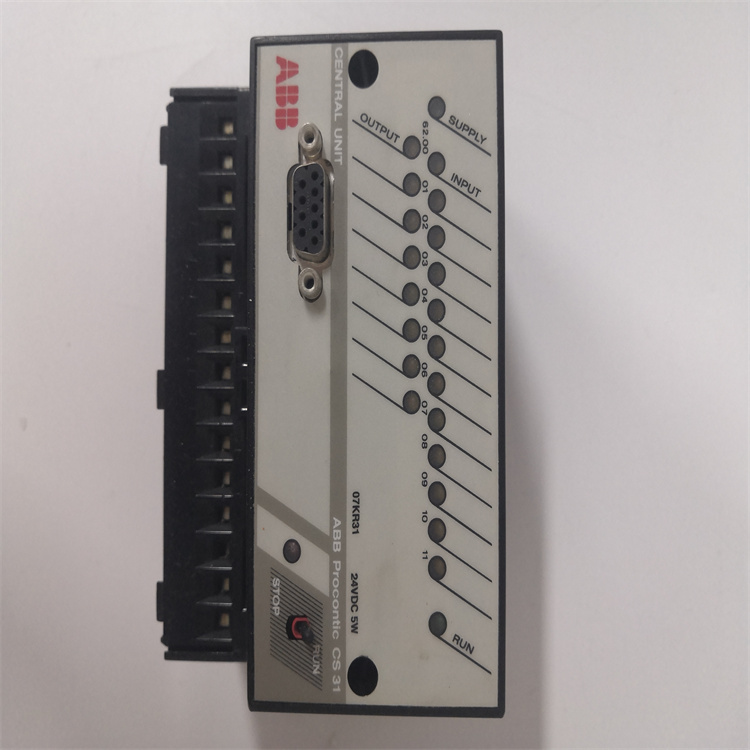
ABB SNAT7261INT is a high-performance industrial automation interface conversion module, mainly compatible with ABB AC 800M series controllers, System 800xA Distributed Control System (DCS), and S800 I/O system. As a “bridge” between field devices and the control system, its core function is to realize efficient conversion among different industrial bus protocols, serial communication, and Ethernet. It supports hot-swappable design and is a key component for device interconnection and protocol compatibility in industrial automation systems.
The module adopts an industrial-grade reinforced architecture, integrated with high-speed signal processing chips and advanced electromagnetic compatibility (EMC) protection technology, providing excellent anti-interference capability and environmental stability. It can seamlessly connect with the full range of ABB automation equipment and mainstream third-party industrial devices. It is widely used in petrochemical, power generation, metallurgy, intelligent manufacturing, rail transit, and other fields, providing highly reliable solutions for system integration, equipment expansion, and spare part replacement in complex industrial environments, meeting the core requirements of modern industry for flexibility, scalability, and security of automation systems.
I. Functions and Technical Advantages
1. Core Functions
Multi-protocol Interface Conversion: As its core capability, it supports bidirectional conversion of mainstream fieldbus and communication protocols, including but not limited to Profibus-DP/V1, Modbus RTU/TCP, CANopen, DeviceNet, and Ethernet/IP. It can map and connect sensors, actuators, inverters, PLCs, and other devices from different manufacturers with different protocols to the ABB AC 800M controller or System 800xA system, breaking protocol barriers and realizing unified data collection, processing, and monitoring.
High-speed Data Transmission and Buffering: Built with a high-performance processor and large-capacity data buffering mechanism, it supports an Ethernet transmission rate of up to 100 Mbps, ensuring low-latency, lossless transmission of large volumes of real-time control data (such as GOOSE messages and process variables). It is suitable for high-speed closed-loop control scenarios, avoiding control lag caused by data transmission bottlenecks and ensuring safe and stable production.
Signal Isolation and Anti-interference: It uses optoelectronic and magnetic isolation technology to electrically isolate input/output signals, effectively suppressing strong electromagnetic interference, ground loop currents, and surge impacts in industrial fields. The protection level meets industrial standards, ensuring pure and accurate signal transmission in high-temperature, high-humidity, and high-interference environments, and preventing malfunctions or safety accidents caused by signal interference.
Hot-swap and Easy Maintenance: It supports live hot-swap, allowing direct replacement of faulty modules without system shutdown. The modular design separates field wiring from the core processing unit, so external wiring does not need to be modified when replacing spare parts, greatly reducing system downtime and maintenance costs while improving the continuity of industrial production.
2. Key Advantages
Genuine Original, 100% Compatible: Designed and manufactured by ABB, strictly complying with ISO 9001 quality system standards and industrial installation specifications. It is 100% compatible with ABB AC 800M controllers, S800 I/O, and System 800xA systems, with precise dimensions, pin definitions, and fully matched communication protocols. It eliminates system crashes or data errors caused by incompatible protocols or mismatched signals from third-party modules, making it the preferred original spare part for system upgrades and replacements.
Industrial-grade High Reliability: Uses military-grade high-quality components and has passed strict international certifications such as CE, UL, and C-Tick. The operating temperature range is -40℃ ~ +75℃, enabling stable operation under extreme conditions including high/low temperatures, dust, vibration, and corrosion in petrochemical, metallurgical, mining, and other harsh environments. It features an extra-long mean time between failures (MTBF), far exceeding the industry average, providing solid support for 24/7 uninterrupted operation of core industrial systems.
Flexible Expansion and System Integration: The modular structure supports flexible expansion and upgrade of automation systems. Users can add SNAT7261INT modules to connect new third-party devices or expand communication networks according to on-site requirements, without extensive modification of the existing control system. It optimizes cabinet wiring, saves space and costs, and helps legacy systems achieve digital upgrading and intelligent transformation.
Advanced Fault Diagnosis and Self-protection: Built-in intelligent fault diagnosis system monitors module status, communication link quality, and signal health in real time via LED indicators, system logs, and web interfaces. It can quickly locate faults such as communication interruptions, protocol conflicts, and signal overloads, and trigger self-protection mechanisms (e.g., automatically cutting off faulty channels) to prevent fault propagation to the entire control system and improve overall system safety redundancy.
II. Technical Data
| Category | Item | Specification |
|---|
| Basic | Model | SNAT7261INT |
| Type | Industrial Automation Interface Module |
| Compatible Systems | ABB AC 800M, System 800xA DCS, S800 I/O |
| Main Applications | Protocol conversion, interface interconnection, data isolation, hot-swap maintenance |
| Environment & Mechanical | Operating Temp | -40℃ ~ +75℃ (industrial wide temp) |
| Storage Temp | -40℃ ~ +85℃ |
| Relative Humidity | 5% ~ 95% non-condensing |
| Protection Class | IP20 (module), to be installed in IP54 cabinet |
| Dimensions | Standard industrial module for 35 mm DIN rail |
| Communication & Power | Input Interfaces | Profibus-DP/V1, Modbus RTU/TCP, CANopen, DeviceNet, Ethernet (RJ45) |
| Output Interfaces | Ethernet (RJ45), industrial terminals |
| Communication Speed | Ethernet: 10/100 Mbps auto-negotiation; Fieldbus: up to 12 Mbps |
| Power Supply | 24 V DC (wide range, redundant support) |
| Power Consumption | Typical < 15 W |
| Performance | Isolation Voltage | 1500 V DC between I/O |
| Features | Hot-swap, watchdog, online diagnosis |
III. Application Areas
Petrochemical and Process Industry: In DCS systems of refineries and chemical plants, it connects Profibus-DP field devices (e.g., valve positioners, flow meters) distributed in various units to the AC 800M controller in the main control room, achieving accurate collection and interlock control of process parameters and ensuring production safety in flammable and explosive environments.
Power and Energy Systems: Used in auxiliary control systems and turbine control in power plants and substations. It converts signals from Modbus-based fans, pumps, and other auxiliary equipment into signals recognizable by DCS, enabling unified monitoring and scheduling of the entire power production process.
Steel and Metallurgy: In automation systems of steel production lines, it connects PLCs, inverters, and servo drives of different brands. The SNAT7261INT module enables real-time communication between heterogeneous devices, coordinating the operation of core equipment such as continuous casters and rolling mills to ensure efficient and coordinated production.
Intelligent Manufacturing and Robotics: As an interface module between industrial robot control systems (e.g., ABB robots) and external vision systems or conveyor PLCs, it is responsible for high-speed data exchange and command transmission, achieving precise positioning and complex operations of robots.
Rail Transit and Infrastructure: In signaling and environmental monitoring systems of subways and high-speed railways, it performs protocol conversion and data exchange between different subsystems, ensuring stable and safe operation of train operation control, passenger information services, and other systems.
IV. Common Problems and Solutions
| Symptom | Possible Causes | Solutions |
|---|
| Module fails to power up (Power LED off) | 1. 24V power not connected or reversed2. Low supply voltage3. Damaged power interface | 1. Check power output with multimeter, confirm correct polarity2. Verify voltage within 24VDC±10%3. Inspect physical damage; replace if necessary |
| Communication lost, device not detected | 1. Wrong protocol settings (baud rate, IP conflict)2. Missing bus terminator3. Un grounded shield | 1. Recheck and correct protocol parameters in configuration software2. Install 120Ω terminator at both ends3. Ensure proper grounding of shielded cables |
| Data fluctuation or signal error | 1. Strong electromagnetic interference2. Loose wiring3. Incompatible module/device | 1. Optimize wiring away from power cables; check interference sources2. Retighten all terminals3. Confirm model and protocol match |
| Hot-swap failure, system alarm | 1. Improper hot-swap operation2. Damaged slot | 1. Operate only when system supports hot-swap; avoid forced plug-in2. Check slot for foreign matter or deformation; contact service |
![]()