Description
ABB SNAT602TAC
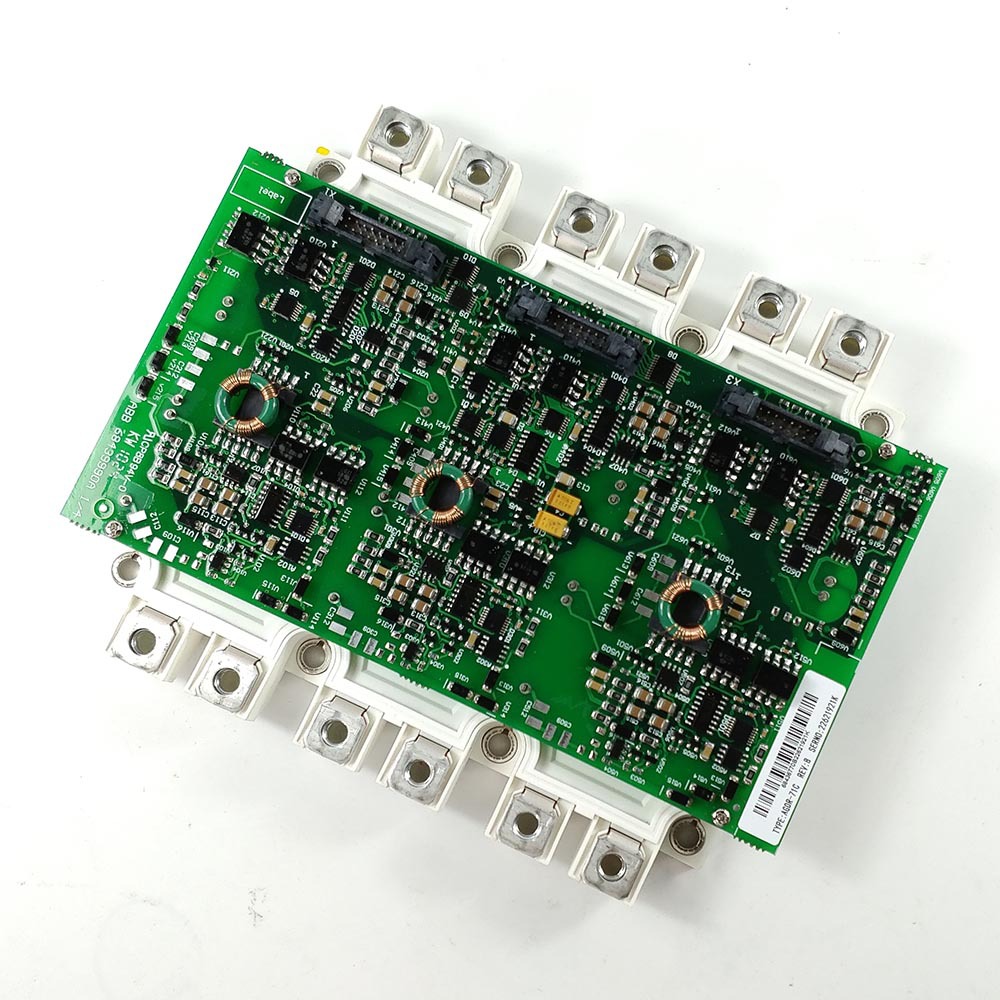
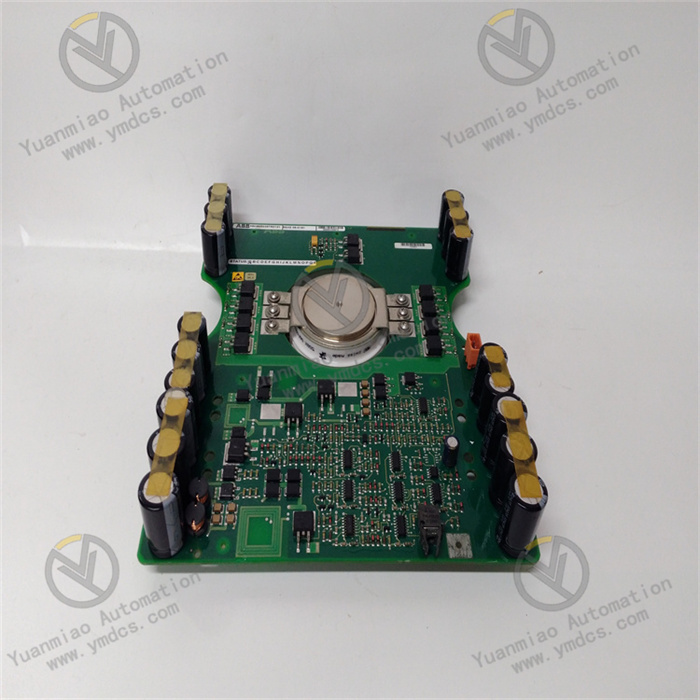
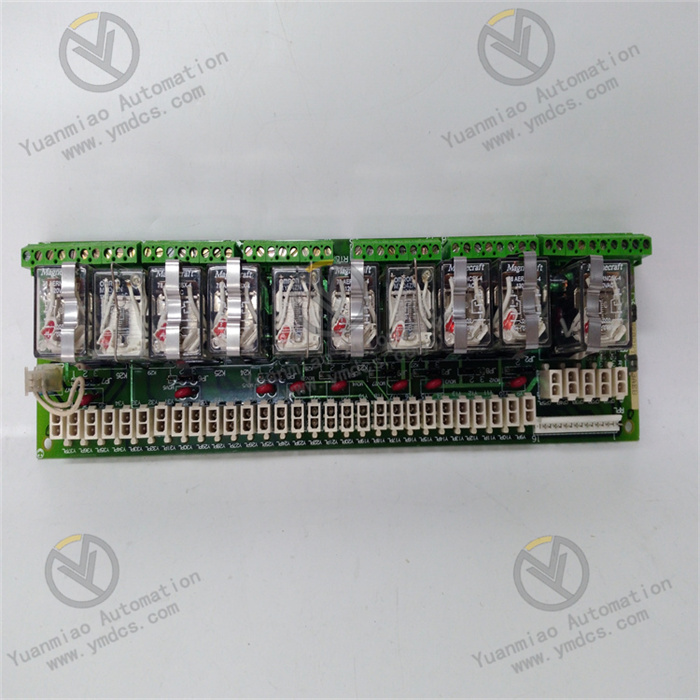
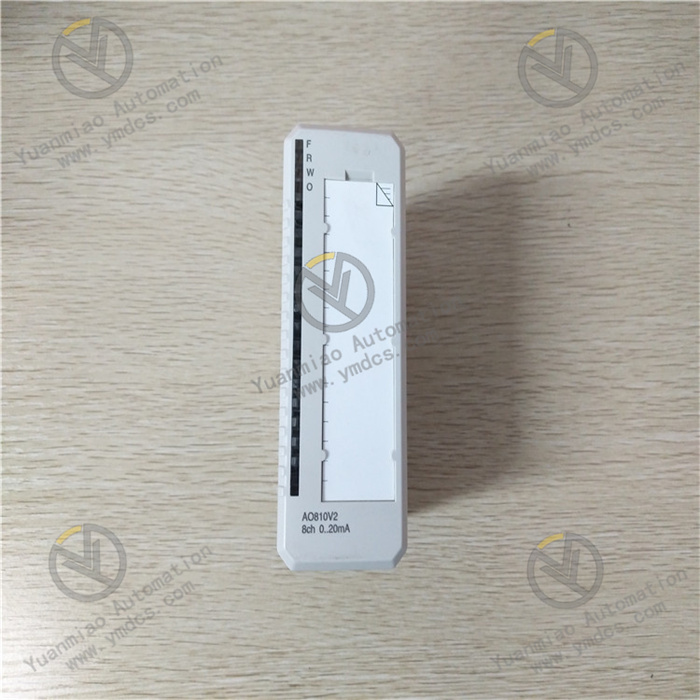
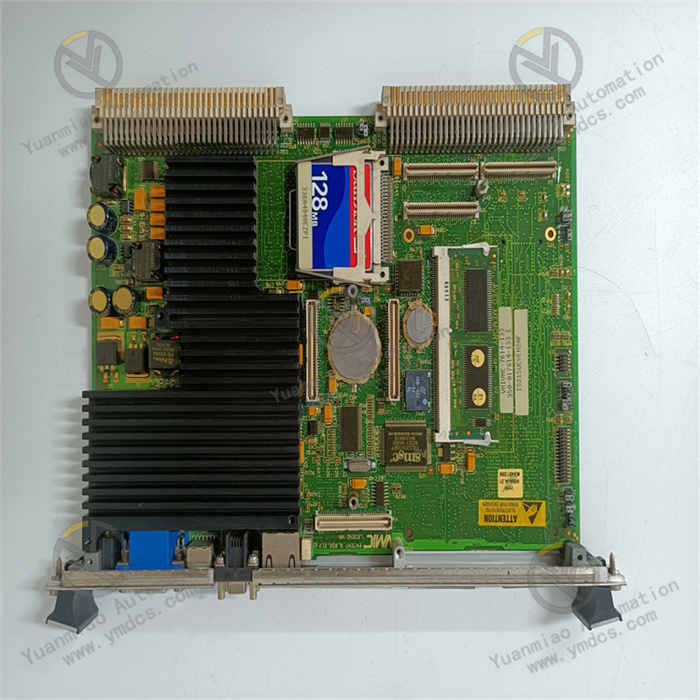
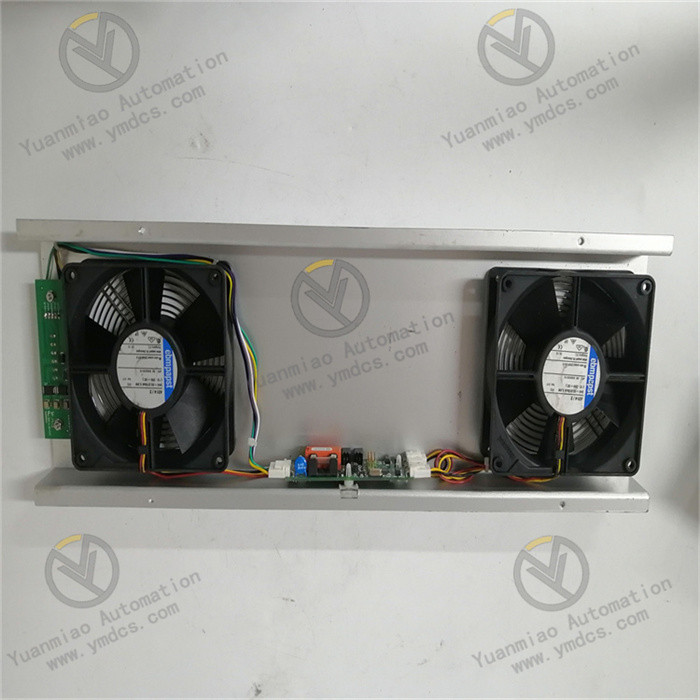
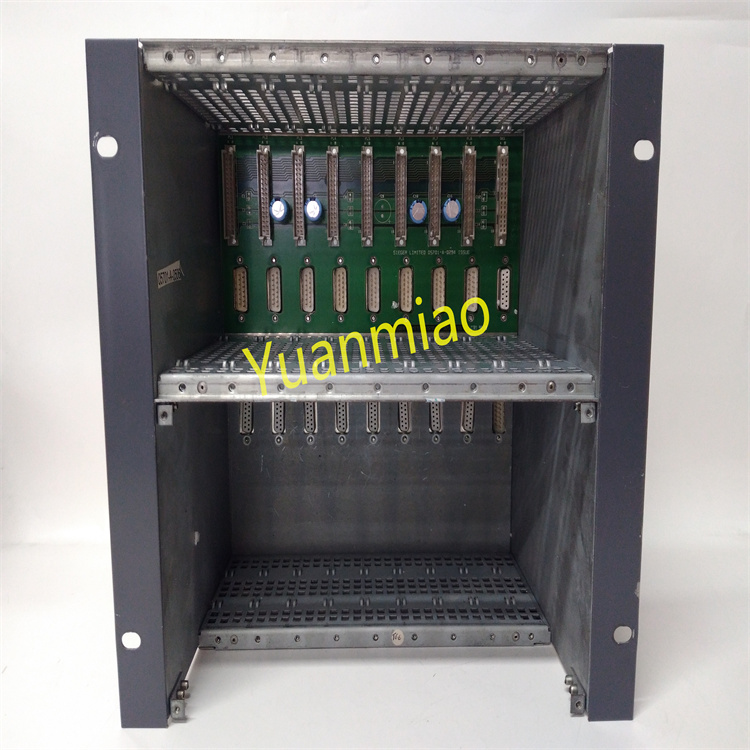
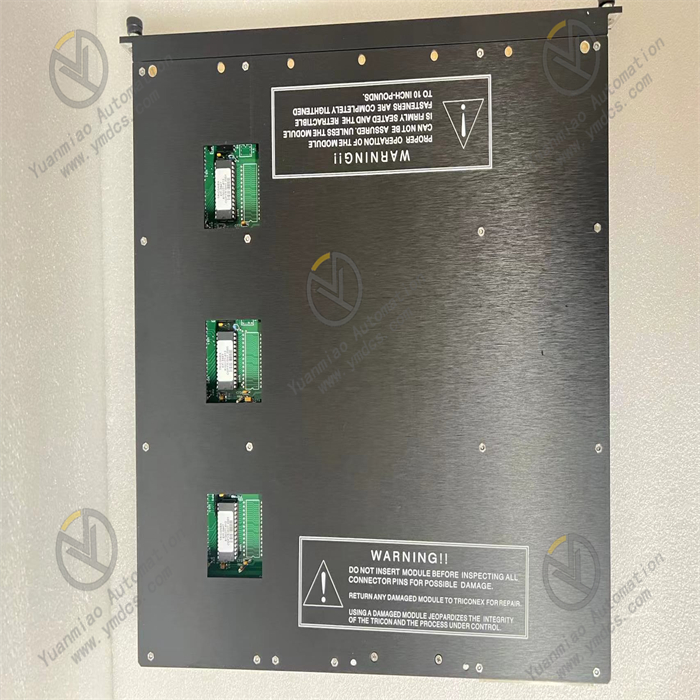
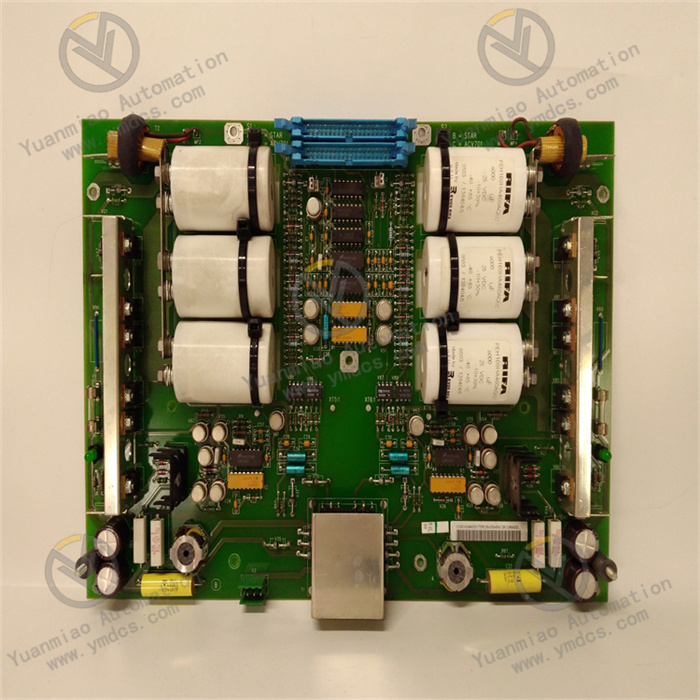
ABB SNAT602TAC is an original industrial communication interface module (also known as TAC interface board and protocol conversion module) designed by ABB specifically for industrial automation systems. Its core function is to realize the conversion and communication bridging between different industrial network protocols, and it also has auxiliary relay control functions. It is a key supporting component for solving data exchange between heterogeneous automation systems and realizing seamless equipment integration. This module adopts a compact structural design, equipped with a hardware protocol processing chip and a dedicated software protocol stack, supports a variety of mainstream industrial Ethernet and fieldbus protocols, can accurately realize lossless conversion of data frames between different protocols, and adapts to the integration and upgrading needs of old and new automation systems. Its industrial-grade reinforced design can adapt to harsh industrial environments, and it is widely used in intelligent manufacturing, water treatment, shipping, mining and other fields. It can seamlessly connect with PLC, DCS, robot workstations, drives and other equipment, providing reliable communication support for the coordinated operation of industrial automation systems. It also supports maintenance services and global supply, with outstanding cost performance and guaranteed after-sales service.
I. Functions and Technical Advantages
1. Core Functions
- Multi-Protocol Transparent Conversion: Combining a hardware protocol processing chip with a software protocol stack, it supports a variety of mainstream industrial protocols such as PROFIBUS-DP and Modbus TCP, realizes lossless conversion of data frames between different protocols, supports periodic and aperiodic data exchange, solves the problem of data intercommunication between heterogeneous automation systems, and realizes system integration without replacing existing equipment.
- Communication Bridging and Data Transmission: As an industrial communication gateway, it can connect to the fieldbus (such as PROFIBUS network) at one end and the industrial Ethernet at the other end, forward control commands and equipment operation data in real time, realize two-way communication between PLC, robots, MES systems, drives and other equipment, and ensure accurate, stable and efficient data transmission.
- Auxiliary Relay Control: Integrating relay functions, it can cooperate with communication conversion functions to realize linkage control of equipment, assist in completing signal switching, fault linkage and other operations, adapt to the diverse control needs of industrial sites, and improve the flexibility and reliability of system control.
- Flexible Configuration and Adaptation: Adopting a modular design, it supports custom configuration according to specific application scenarios, adapts to various scenarios such as new system installation and old system transformation, can seamlessly connect with ABB Mark VI series and other industry-standard products, has strong compatibility, and is flexible and convenient to deploy.
2. Key Advantages
- Genuine Original Quality: Designed and manufactured by ABB, originating from Sweden, produced with 100% new high-quality materials, and delivered after strict testing. It has a complete quality guarantee and a one-year warranty service, and can provide maintenance services. The standard maintenance cycle is 2-4 weeks, and urgent maintenance is also supported, eliminating compatibility and quality hidden dangers of third-party modules.
- Industrial-grade Stable Performance: Adopts high-quality industrial-grade components, has excellent anti-electromagnetic interference, anti-vibration and anti-temperature fluctuation capabilities, adapts to complex industrial environments such as strong electromagnetic interference, dust, and high-low temperature alternation on industrial sites, has a strong and durable structure, can operate continuously and stably for a long time, reduces downtime, and improves system uptime.
- Convenient and Efficient Installation: Adopts DIN rail installation method, the installation process is simple and convenient, which is convenient for centralized installation and layout in the control cabinet, and can complete installation and disassembly without complex tools, greatly improving project deployment efficiency and reducing labor costs.
- Cost-saving Advantage: As a protocol conversion gateway, it can realize seamless integration of old and new automation systems without fully replacing existing equipment. Compared with overall system replacement, it can save more than 60% of the transformation cost, and at the same time simplify the system upgrade process, shorten the data integration cycle, and have both economy and practicality.
II. Technical Specifications
Category | Item | Value |
|---|---|---|
Basic Specifications | Model | SNAT602TAC |
Product Type | Industrial Communication Interface Module, Protocol Conversion Module, TAC Interface Board (with relay function) | |
Compatible Equipment | ABB Mark VI series, PLC, DCS, robot workstations, drives, MES systems, etc. | |
Core Purpose | Industrial protocol conversion, communication bridging, data transmission, auxiliary relay control | |
Environmental & Mechanical | Operating Temperature | -25℃~+70℃ (adapts to harsh industrial on-site environments) |
Protection Degree | IP20 (module itself, must be installed in IP54 or higher control cabinet) | |
Installation Method | DIN rail installation, convenient for centralized layout and maintenance | |
Communication & Power Supply | Communication Protocol | Supports mainstream industrial Ethernet and fieldbus protocols such as PROFIBUS-DP and Modbus TCP |
Power Input | 220V (standard input, adapts to industrial on-site power supply needs) | |
Communication Interface | Supports fieldbus interface and industrial Ethernet interface, adapting to different equipment connection needs | |
Other Parameters | Output Frequency | 50kHz (standard output frequency) |
Warranty Period | 1-year original factory warranty, supports maintenance services (standard maintenance 2-4 weeks) |
III. Application Areas
- Intelligent Manufacturing Factory Transformation: In the digital transformation of intelligent manufacturing factories, as a protocol conversion gateway, it connects the original PROFIBUS-DP protocol PLC system with the new Modbus TCP protocol ABB robot workstation, realizes the issuance of control commands and the upload of production line status data, completes the seamless integration of old and new systems, shortens the transformation cycle and saves costs.
- Water Treatment Industry Automation: In water treatment scenarios such as municipal water plants, it is deployed in process units such as filter tanks and pump stations to convert the communication protocols of equipment from different manufacturers, integrate multiple independent control systems into a unified monitoring platform, allowing operation and maintenance personnel to view real-time data of the entire plant in the central control room, and shorten the data integration cycle from 3 months to 2 weeks.
- Ship and Mining Fields: Adapts to the motor control systems of complex industrial scenarios such as shipping and mining, connects ABB drives with other automation equipment, realizes precise control and communication of equipment, improves the overall performance and reliability of the system, and adapts to the harsh operating environment on site.
- Industrial Automation System Expansion and Upgrade: During the expansion and equipment upgrade of industrial automation systems, it is used for the communication adaptation of new and old equipment, realizes data intercommunication of equipment with different protocols, maintains the coordinated operation of the entire system, does not need to replace existing equipment, reduces transformation costs, and adapts to various retrofit scenarios.
IV. Installation and Use Guide
1. Pre-Installation Preparation
- Model Verification: Confirm that the SNAT602TAC module is compatible with the used automation system, equipment model and communication protocol, check that the module has no external damage, no loose components, and no damaged interfaces, confirm that the module is in the original factory sealed package with complete accessories, and can be used normally.
- Environment and Safety: Disconnect the power of the control cabinet and wait for the capacitors to discharge for ≥ 5 minutes; wear an anti-static wristband to avoid static damage to the module and related equipment; the installation environment must be dry, free of condensation and conductive dust, away from strong electromagnetic interference sources, ensure the installation surface is flat and well-ventilated, in line with industrial installation specifications, and the ambient temperature does not exceed 40℃ (derating is required if exceeding).
- Tools and Materials: Prepare DIN rails, screwdrivers, cleaning brushes, and suitable communication cables (such as PROFIBUS cables, Ethernet cables); clean the installation position in the control cabinet and the module interface to ensure the interface is clean and free of foreign objects, and prepare relevant protocol configuration parameter files at the same time.
2. Installation and Use Operation
- Module Installation: Install the SNAT602TAC module on the DIN rail, fix it firmly without looseness; reasonably arrange the module position to avoid blocking the interface and heat dissipation area, which is convenient for wiring, heat dissipation and later maintenance, keep an appropriate distance from other equipment to reduce electromagnetic interference.
- Wiring Operation: According to the communication needs, connect the module to the communication interfaces of PLC, robots, drives and other equipment, ensure the communication cable wiring is standardized and in good contact, and select suitable shielded cables to improve anti-interference ability; connect 220V power supply, check the positive and negative poles of the power supply to avoid reverse connection leading to module damage; sort out the cables after wiring, fix them with cable ties to avoid cable extrusion and pulling, and prevent metal debris from falling into the module interior.
- Protocol and Parameter Configuration: Start the module and related equipment, configure the module's communication protocol (such as PROFIBUS-DP, Modbus TCP) according to on-site communication needs, set communication parameters (IP address, port number, protocol conversion rules, etc.), save and back up the configuration, ensure accurate protocol conversion and smooth data transmission, and adapt to on-site equipment communication needs.
- Debugging and Confirmation: Start the system, test the module's protocol conversion function and data transmission stability, verify whether the control command issuance and equipment status data upload are normal; simulate communication abnormal scenarios, check the module's fault response and recovery ability; after completing the debugging, generate a debugging report for filing and future reference to ensure the module can be put into normal use.
3. Maintenance and Replacement
- During daily maintenance, regularly check the module operation status, interface connection and heat dissipation, clean the module surface and interface dust to avoid poor contact or poor heat dissipation caused by dust accumulation; regularly back up configuration parameters and operation logs to facilitate later fault recovery and system upgrading, and regularly check the tightness of communication cable connections to avoid faults caused by looseness.
- When the module fails (such as protocol conversion failure, communication interruption, relay inaction), first check whether the wiring, power supply and protocol configuration parameters are normal; if the module failure is confirmed, contact the manufacturer for maintenance (standard maintenance cycle 2-4 weeks), or disconnect the power supply and wiring, gently disassemble the module, replace it with a new SNAT602TAC module, rewire, configure and debug, and prohibit violent disassembly to avoid damaging the module and other equipment.
- Avoid using corrosive cleaning agents to wipe the module to prevent component aging and damage; when storing the module, place it in a dry, cool and electromagnetic interference-free environment to avoid module damage caused by humidity and high temperature; during transportation and storage, do a good job in dust and shock protection to ensure the module is intact