Description
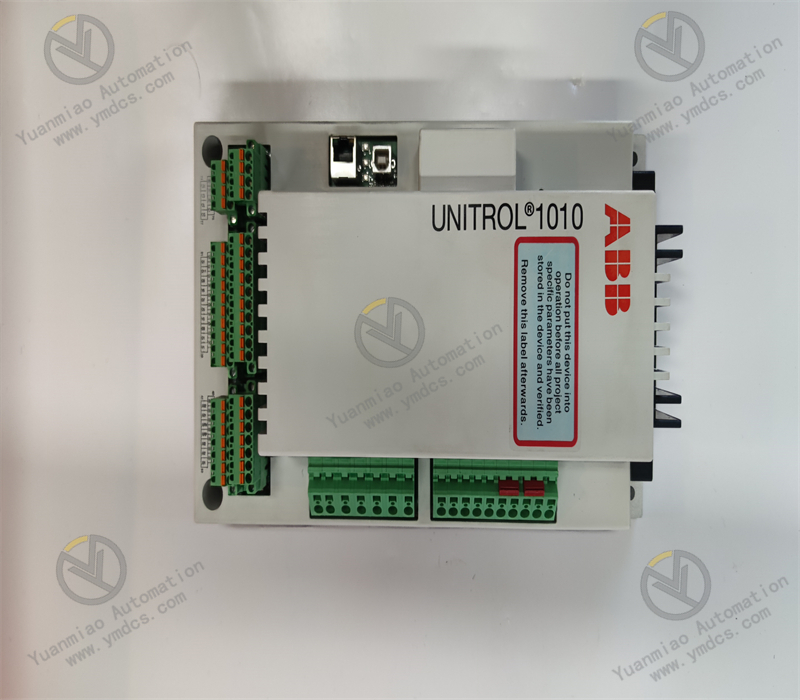
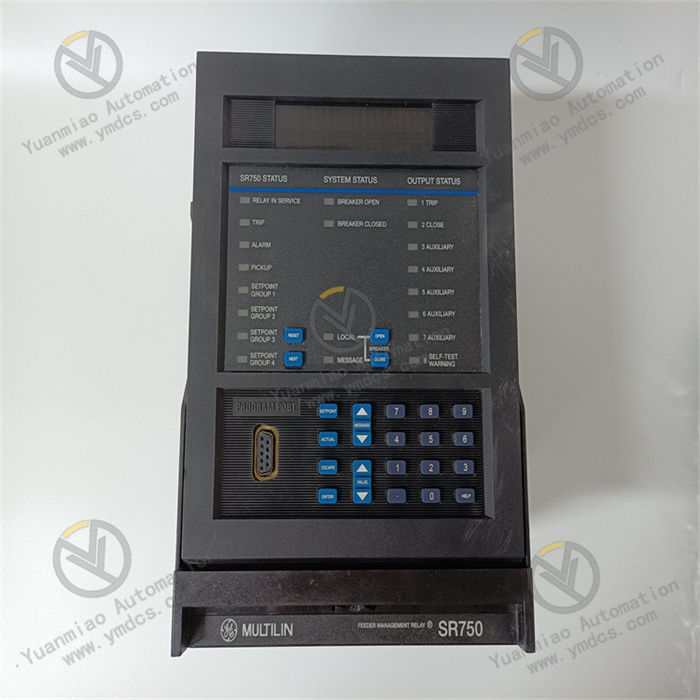
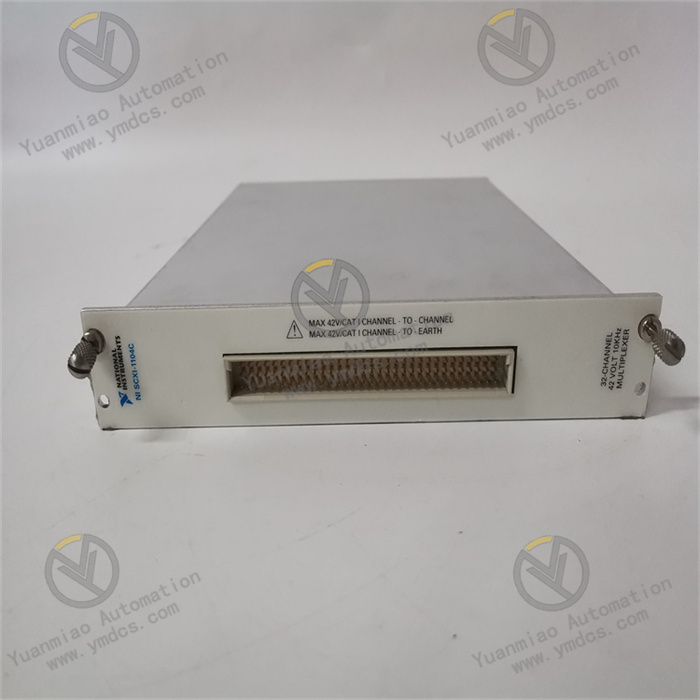
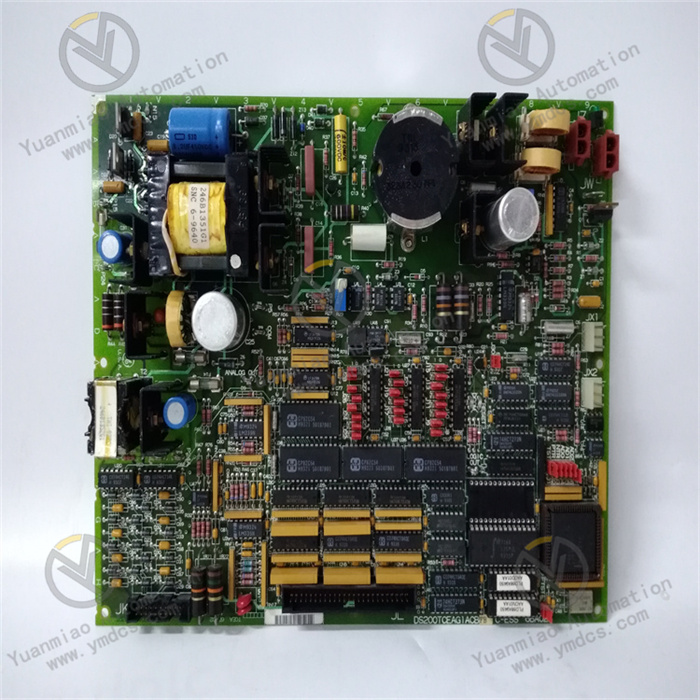
ABB INIET800
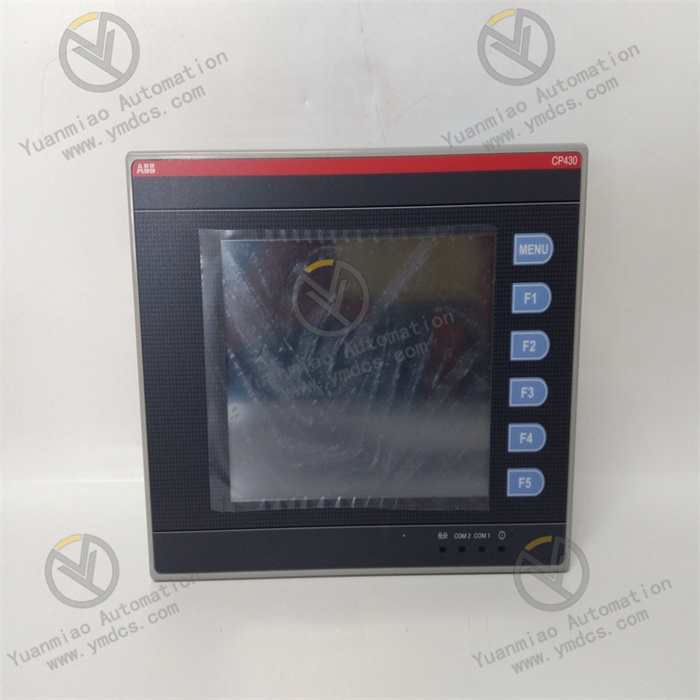
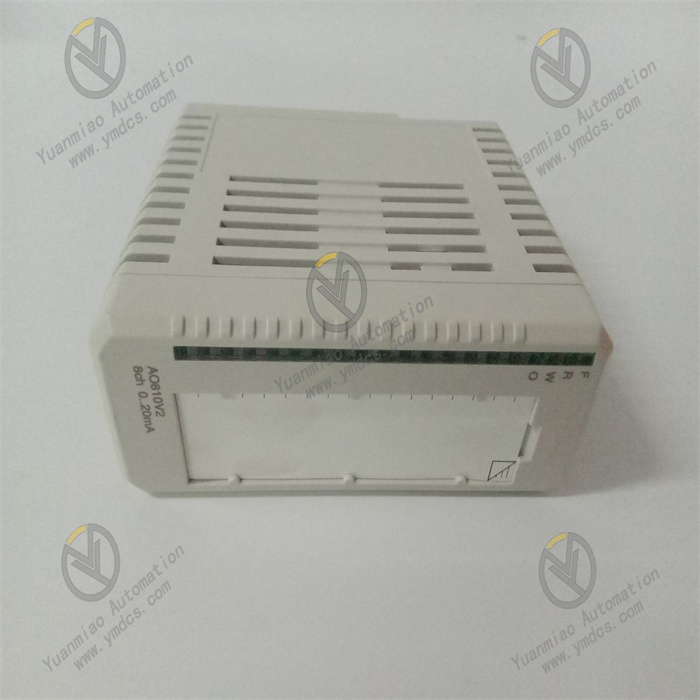
ABB INIET800 is a high-performance distributed I/O module. It is positioned as a core terminal component for field signal acquisition and control command execution in large-scale DCS systems, integrating five core capabilities: high-density channels, multi-signal compatibility, redundant design, comprehensive self-diagnostics, and strong environmental adaptability. It serves as a critical node connecting field devices and the control center in ABB’s industrial process control solutions.
This module is mainly responsible for the accurate acquisition of analog and digital signals in industrial fields, as well as the execution and feedback of control commands. It is widely used in harsh industrial scenarios such as thermal power, nuclear power, hydropower, petrochemical, and metallurgy. Compatible with ABB Symphony Plus DCS, Harmony Rack cabinets, and legacy Bailey Infi 90 systems, it often works with SPNIS21 (Network Interface Slave) and SPNPM22 (Network Processor Module) to provide reliable field data support and command execution guarantee for the continuous and stable operation of industrial processes.
The module undertakes three core tasks: field signal acquisition, command execution, and status feedback. Its main function is to receive analog/digital signals from field sensors (e.g., temperature, pressure, level sensors) and actuators (e.g., valves, relays). After isolation, filtering, and digital processing, the signals are uploaded to the main controller via the Cnet network and I/O expansion bus. Meanwhile, it receives control commands issued by the controller, drives field actuators, and feeds back execution status in real time to form closed-loop control.
It features electrical isolation between channel groups, which effectively suppresses common-mode interference, high-frequency noise from inverters, and crosstalk between channels on the industrial site, ensuring the accuracy of signal acquisition and command execution. It is equipped with comprehensive self-diagnostic functions that can detect internal module faults, power abnormalities, channel failures, and field signal disconnections in real time. Fault information is reported to the DCS operator station via the system bus, supporting predictive maintenance and avoiding production interruptions caused by abnormal signal acquisition or command execution.
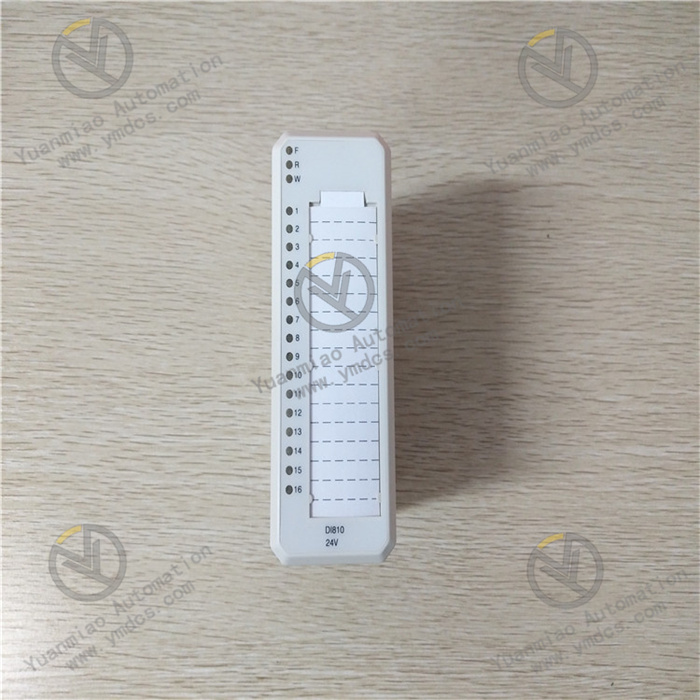
It adopts a compact industrial card-type design for installation in standard MMU (Module Mounting Unit) cabinet slots, matching the Harmony Rack cabinet layout. The panel is equipped with clear LED status indicators that intuitively display module power, operation, faults, and channel statuses. Preliminary fault location can be completed without specialized tools.
The housing is made of industrial-grade shielding material with excellent dustproof, moisture-proof, and anti-electromagnetic interference properties, reaching an IP20 protection rating (cabinet installation). It supports online hot-swapping (in accordance with system safety procedures); replacing the module does not affect the normal operation of other modules and control loops in the same cabinet, meeting the strict requirements of minimum downtime in continuous process industries such as power generation and chemicals. The modular structure facilitates later disassembly, replacement, and system expansion, adapting to different field signal acquisition and control requirements.
1. Technical Specifications
- Power SpecificationsPowered by standard +5 VDC cabinet backplane (compatible with Harmony Rack power system), suitable for centralized power supply in industrial cabinets.Equipped with over-voltage, over-current, and reverse-polarity protection to effectively prevent module damage from power abnormalities and improve operational safety.Low power consumption; typical power consumption of a single module supports long-term continuous operation without extra energy burden.Electrical isolation between power circuit and signal/control circuits to suppress power-side interference from intruding into the signal link and ensure signal acquisition accuracy.
- Signal Acquisition and Execution ParametersSupports multi-type signal acquisition and execution, compatible with analog input (AI), analog output (AO), digital input (DI), and digital output (DO) channels (specific channel quantity varies by model).Analog input supports standard signals such as 4–20 mA and 0–10 VDC with high acquisition accuracy (error ≤ ±0.1% of full scale).Analog output supports 4–20 mA and 0–10 VDC with high output resolution and excellent linearity.Digital input supports dry and passive contacts, suitable for 24 VDC level detection.Digital output supports relay or transistor output, which can directly drive small actuators.Optocoupler isolation between channel groups with industrial-standard isolation voltage to effectively block interference.
- Communication and Compatibility ParametersCooperates with SPNIS21 and SPNPM22 modules via a dedicated I/O expansion bus, connects to the Cnet network, and realizes data interaction with the main controller.Supports configuration via Symphony Plus DCS software for parameter setting, channel calibration, and fault query.Fully compatible with Bailey Infi 90 systems; can directly replace legacy I/O modules without modifying cabinet structure or wiring.Supports cooperative work with NTCL01 terminal units and SPN series network modules to achieve seamless expansion of distributed I/O networks.
- Environmental Adaptation ParametersOperating temperature: -20°C to +60°C. The wide-temperature design withstands temperature fluctuations on industrial sites without additional temperature control equipment.Operating humidity: 5% to 95% (non-condensing), suitable for humid industrial environments.Protection class: IP20 (cabinet installation), with excellent dustproof and moisture-proof performance to resist dust, humidity, and oil mist on industrial sites.Anti-electromagnetic interference complies with IEC 61000-4 series; vibration and shock resistance comply with IEC 60068-2.Stable long-term operation in strong-interference, high-vibration environments such as turbine buildings and refinery workshops.Natural cooling design, no mechanical fans, maintenance-free, extending module service life.
- Physical and Installation ParametersSingle-slot card design, net weight approx. 0.35 kg, compact size for dense installation and narrow-space deployment.Panel with dual locking screws for firm fixation to prevent loosening caused by vibration.Supports online hot-swapping; standardized wiring interfaces enable fast electrical connection with field devices and cabinet buses.Fits standard MMU cabinet slots without additional adapters, easy to install.
2. Features
- Multi-signal compatibility, integrated acquisition and executionIntegrates analog and digital signal acquisition and output functions, compatible with various standard industrial signals. It can directly connect to field sensors and actuators without additional signal conversion modules, realizing integrated field signal acquisition and control command execution, simplifying system deployment and reducing integration costs.
- High-precision acquisition, strong anti-interference abilityAdopts advanced signal filtering, amplification, and digital processing technologies combined with optocoupler isolation between channel groups to ensure high precision and stability of analog and digital signal acquisition. Effectively suppresses common-mode interference and high-frequency noise in industrial fields, avoiding signal distortion and malfunction, adapting to complex electromagnetic environments.
- Comprehensive self-diagnostics, convenient and efficient maintenanceFull-range self-diagnostic functions monitor module power, channel status, signal links, and operating status in real time. When an abnormality is detected, fault information is displayed via panel LEDs and reported to the DCS via the bus, allowing maintenance personnel to quickly locate and troubleshoot problems. Supports online channel calibration without shutdown, greatly reducing maintenance workload and downtime.
- Hot-swappable design, high system availabilitySupports online hot-swapping; module replacement does not require shutdown and does not affect other control loops in the cabinet, meeting the minimum downtime requirements of continuous process industries. The card-type modular design enables easy disassembly and replacement without specialized tools, improving maintenance efficiency.
- Seamless compatibility, easy upgrade and retrofitNatively adapted to ABB Symphony Plus DCS and Harmony Rack cabinets, and can directly replace legacy I/O modules in Bailey Infi 90 systems without modifying cabinet structure, wiring, or system configuration, greatly shortening upgrade cycles and reducing costs. Supports system expansion by adding modules according to site requirements, adapting to control scenarios of different scales.
3. Operating Principle
- Initialization and link establishmentAfter power-on, the module completes self-test, establishes communication with SPNPM22 (Network Processor Module) and SPNIS21 (Network Interface Slave) via the I/O expansion bus, and obtains its own address and configuration parameters. It initializes signal channels and communication links to ensure normal connection with field devices and the main controller, entering standby operation.
- Field signal acquisition and processingReceives analog/digital signals from field sensors (temperature, pressure, level, etc.), isolates interference via channel-group isolation circuits, processes signals through built-in filtering and amplification circuits to remove on-site noise, and converts analog signals to digital signals via the analog-to-digital conversion module to complete signal preprocessing.
- Data upload and command receptionTransmits preprocessed field data to SPNPM22 via the I/O expansion bus. SPNPM22 completes data routing and uploads data to the main controller via the Cnet network, providing accurate field data for control logic execution. Meanwhile, it receives control commands from the main controller, parses the commands, and distributes them to corresponding output channels.
- Control command execution and status feedbackDrives digital output channels (relay/transistor) or analog output channels according to parsed control commands to control field actuators (valves, relays, regulating valves, etc.) to complete corresponding operations. It simultaneously collects feedback signals from actuators in real time, processes them, and uploads them to the main controller to form closed-loop control and ensure proper command execution.
- Fault monitoring and alarmMonitors module power, signal channels, communication links, and operating status in real time during operation. If power abnormality, channel failure, signal disconnection, or communication interruption is detected, it immediately triggers a fault alarm, displays the corresponding fault code via panel LEDs, uploads fault information to the DCS operator station, and activates corresponding fault protection mechanisms to prevent fault escalation.
4. Applications and Case Examples
- DCS systems in thermal / nuclear power plantsUsed as a distributed I/O terminal in the Symphony Plus DEH/DCS systems of large thermal and nuclear power plants, installed in local cabinets of steam turbines, boilers, generators, and other equipment. It collects field parameters such as temperature, pressure, and vibration, executes commands such as valve regulation and pump unit start/stop issued by the controller. Cooperates with SPNIS21 and SPNPM22 modules to achieve high-speed data transmission and ensure stable unit operation.
- Petrochemical industryUsed in process control of refineries and chemical plants to collect process parameters such as reactor temperature, pressure, and flow, and control actuators such as regulating valves and shut-off valves. Adapts to high-temperature, high-humidity, highly corrosive, and strongly interfering field environments, ensuring stability and safety of chemical production processes. Also supports legacy Infi 90 system upgrades to improve signal acquisition accuracy and system reliability.
- Hydropower turbine control in hydropower plantsUsed in the turbine governing system of hydropower plants, installed in powerhouse cabinets. It collects parameters such as guide vane opening, turbine speed, and oil pressure, executes commands such as guide vane adjustment and unit start/stop issued by the main controller. Connects LVDT position feedback modules and servo drive modules to ensure accurate control and stable operation of hydraulic turbines.
- Metallurgy and general industryUsed in blast furnace and converter control systems in the metallurgy industry to collect parameters such as furnace temperature, liquid level, and current, and control the operation of cooling water pumps, fans, and other equipment. Adapts to high-temperature, dusty, and high-vibration environments. In general industrial scenarios, it is used for signal acquisition and equipment control in automated production lines, adapting to various field devices to realize automatic regulation of the production process.