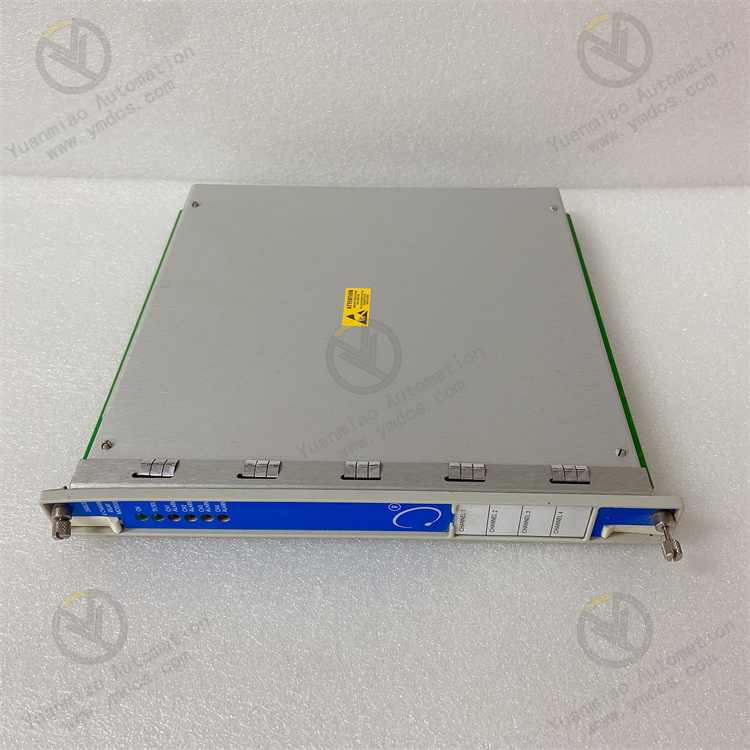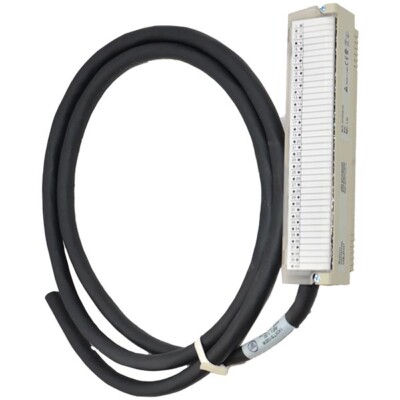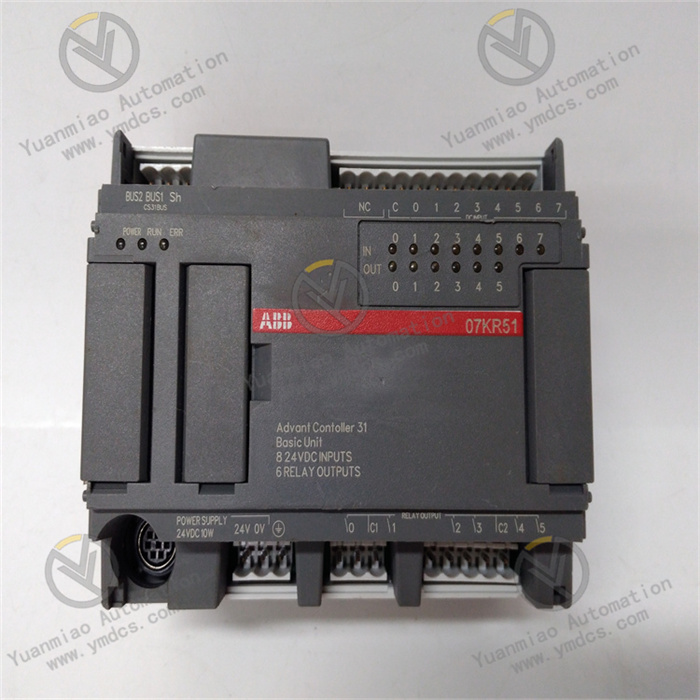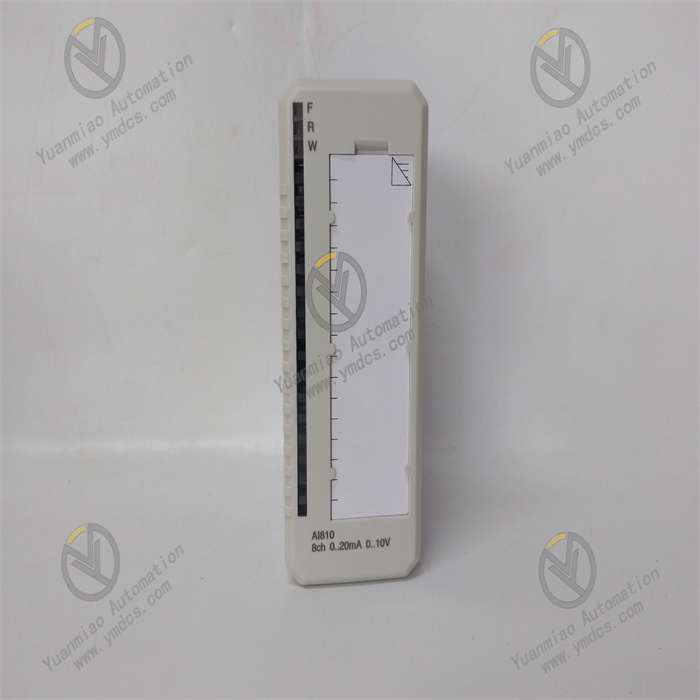
Description
ABB 3BHE030579R0003 UNS0119A-Z,V1
1. Product Description
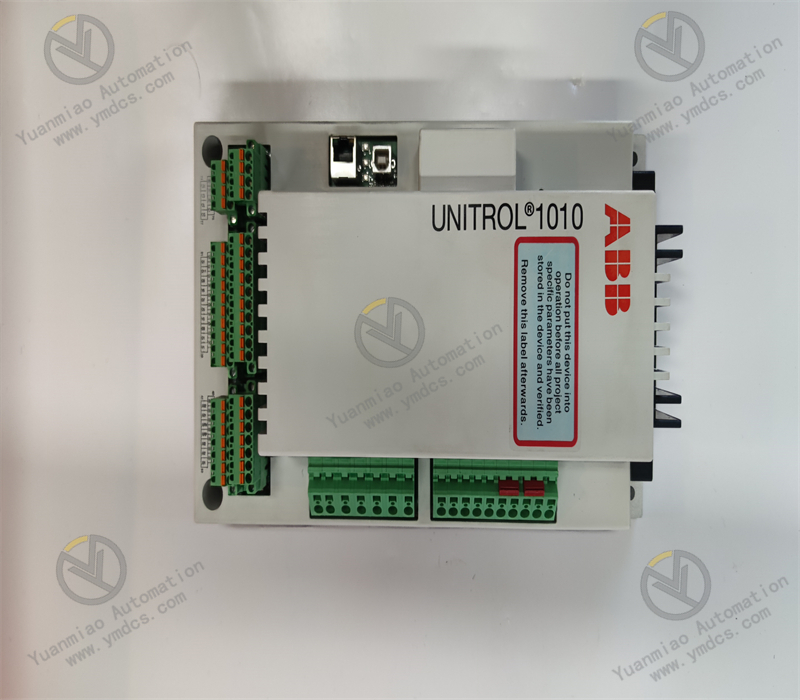
ABB 3BHE030579R0003 (Type: UNS0119A-Z, V1) is an industrial‑grade, compact digital Automatic Voltage Regulator (AVR). As the basic excitation control unit of its series and an upgraded version of the UNITROL 1010, it is mainly used for excitation control and voltage regulation of small and medium‑sized synchronous generators and industrial motors, suitable for indirect excitation systems.It can accurately stabilize generator terminal voltage, suppress voltage fluctuations, and ensure synchronous operation of the unit. With complete protection and communication functions, it serves as a core excitation control device in power generation, marine, rail transit, wind power and other fields. It is widely applied in power generation, transmission and distribution, providing reliable support for voltage stability and load distribution in power systems.
2. Technical Specifications
| Parameter Category | Details |
|---|---|
| Model | 3BHE030579R0003 (Type: UNS0119A-Z, V1), belonging to the UNITROL 1020 series, basic excitation control unit of the series. Order number: 3BHE030579R0003, type designation: UNS0119A-Z, V1 |
| Manufacturer | ABB |
| Product Type | Industrial‑grade compact digital Automatic Voltage Regulator (AVR), UNITROL 1020 series, excitation control equipment, suitable for indirect excitation systems. Full‑featured, fully digital static excitation system for small and medium‑sized synchronous machines and generators, used in power generation, transmission and distribution. |
| Core Purpose | 1) Voltage regulation: accurately stabilize generator terminal voltage, suppress fluctuations, ensure stable voltage and reasonable load distribution in the power system;2) Excitation control: IGBT power conversion, continuous excitation current up to 20 A, precise and fast control of terminal voltage, reactive power, power factor and grid stability by regulating DC current in the rotor winding;3) System adaptation: compatible with various unit types, suitable for indirect excitation systems, compliant with global grid codes, DNV and UL standards;4) Communication & monitoring: multi‑type communication for remote monitoring, parameter configuration and data logging;5) Fault protection: complete fault diagnosis and protection to ensure equipment safety under grid fault conditions;6) Additional functions: built‑in dual‑channel support, parallel unit load sharing, rotating diode monitoring, automatic synchronization, automatic voltage fluctuation detection and excitation current adjustment via internal control algorithms. |
| Electrical Parameters | Power input: wide‑range, 12.5–48 VDC; three‑phase 0–250 VAC (sinusoidal); max peak non‑sinusoidal input: 420 Vp;Excitation current output: max. 20 A continuous;Continuous power current: 3 A without heat sink, 6 A with heat sink;Regulation accuracy: ±0.5% (typical);Fast response to grid voltage changes;Control modes: position, speed and current control; position/speed loop: 4 kHz; current loop: 16 kHz;Protections: over‑excitation, under‑excitation, overvoltage, undervoltage, overcurrent, loss‑of‑field, etc.;Compliant with IEC 60146, CE, UL, RoHS, DNV and major global grid codes. |
| Communication Parameters | Interfaces: 1×RS‑485, 1×Ethernet, 1×USB; also supports RS232 and CAN bus;Protocols: Modbus RTU and other mainstream industrial protocols;Networking: up to 8 drives via RS232, up to 110 drives via CAN; default baud rate: 115200 bps (RS232), 1 Mbps (CAN);Functions: remote parameter configuration, status monitoring, fault diagnosis, seamless integration into power plant or factory automation systems;Ethernet‑synchronized time stamping for events and data logs for traceability and analysis. |
| Physical Dimensions | Compact modular package for panel or standard industrial cabinet mounting;Dimensions: approx. 130×90×65 mm (W×H×D); Weight: approx. 0.6 kg;Screw mounting, easy installation without special tools, fast integration into excitation systems; modular design for easy maintenance;Industrial corrosion‑resistant polymer housing for robust internal circuit protection. |
| Protection Degree | IP20 (cabinet or panel mounting), basic dust protection;Separated power and I/O connectors for enhanced EMC performance;Industrial corrosion‑resistant polymer housing, anti‑EMI circuit design for high‑interference industrial environments. |
| Environmental Rating | Operating temperature: standard ‑40°C to 55°C, optional ‑55°C to 85°C; wide temperature rating for extreme environments; air or water cooling supported;Storage temperature: ‑40°C to +85°C;Relative humidity: 5%–95% (non‑condensing);Vibration: compliant with IEC industrial standards;Shock: compliant with IEC 60068‑2‑27;Suitable for marine salt spray, high‑interference rail transit and other harsh environments. |
| Other Features | Separate communication and control processors for improved stability;Configurable measurement and I/O interfaces: 4×DI, 2×DO, 1×±10 VDC AI;Online firmware upgrade without unit shutdown;User‑friendly PC tool (CMT 1000) for commissioning, remote monitoring and fault diagnosis;Built‑in non‑volatile flash memory for event and data logging;MTBF > 200,000 hours; high‑grade components, rugged modular construction, long service life, low maintenance cost;CE, RoHS, UL, DNV certified;LED status indicators for clear operation monitoring;Designed for long‑term continuous operation. |
3. Functions & Features
(1) Precise Voltage Regulation & Stable Excitation Control
- High accuracy: Typical voltage regulation accuracy ±0.5%, using advanced control algorithms to stabilize generator terminal voltage, suppress deviations caused by grid and load changes, meet global grid requirements, and support precise control of reactive power and power factor.
- High‑efficiency excitation: Up to 20 A continuous excitation current with professional IGBT power conversion; automatic adjustment according to operating conditions, suitable for various small and medium‑sized synchronous generators.
- Fault‑ride capability: Excellent dynamic response, ensuring stable control under severe grid faults and meeting Fault Ride Through (FRT) requirements; built‑in fault recording for traceability and analysis.
(2) Rich Communication & Flexible System Integration
- Multi‑interface communication: RS‑485, Ethernet, USB, plus RS232 and CAN bus; supports Modbus RTU for remote configuration, monitoring and diagnosis; USB power supply for offline file download and setup.
- Flexible I/O configuration: 4×DI, 2×DO, 1×AI, freely configurable for various units and applications; compatible with multiple fieldbuses and seamless connection to PLC, DCS and upper systems.
- Separate processor design: Independent control and communication tasks avoid interference, improving accuracy and stability; separated power and I/O connectors further enhance EMC performance.
(3) High Reliability & Comprehensive Protection
- Harsh environment rated: Wide temperature, high humidity, vibration and salt spray resistance; optional air/water cooling; corrosion‑resistant polymer housing for reliable operation in demanding environments.
- Multi‑level electrical protection: Over‑excitation, under‑excitation, overvoltage, undervoltage, overcurrent, loss‑of‑field and other protections; automatic fault isolation; clear LED and panel indication for quick troubleshooting.
- Long‑life stable operation: High MTBF, industrial components, rugged modular structure, low maintenance; non‑volatile memory retains logs after power failure.
(4) Easy Commissioning & Maintenance
- Intuitive commissioning tools: PC‑based CMT 1000 software for fast on‑site setup and parameter configuration; USB‑based debugging without field power.
- Online maintenance: Remote firmware update without shutdown; built‑in self‑diagnosis with real‑time alarms and fault codes; clear panel symbols for alarms and limits.
- Simple installation & service: Compact size, screw mounting for panel or cabinet; ideal for new installations and retrofits; modular structure for easy maintenance and replacement.
4. Applications
- Power plants: Core excitation control for land‑based power plants driven by diesel engines, gas turbines, steam turbines and hydro turbines; stabilizes generator voltage and ensures reliable power supply.
- Transformer substations: Monitors and regulates grid voltage, improves power quality and supports stable power transmission.
- Marine: Excitation control for marine propulsion and auxiliary power systems; adapted to shipboard environments (temperature, salt spray, vibration) and marine standards.
- Rail transit: Excitation control for diesel locomotives; stabilizes power supply under complex EMI conditions.
- Renewable energy: Direct‑drive synchronous wind turbines; ensures stable grid‑connected voltage and compliance with grid codes.
- General industry: Factories, mines, metallurgy, chemicals and other sites; excitation control for synchronous motors (pumps, fans); upgrade of legacy excitation systems to improve accuracy and stability.
5. FAQs & Troubleshooting
1. Insufficient voltage regulation accuracy, excessive fluctuation
- Check input voltage (12.5–48 VDC, three‑phase 0–250 VAC) and frequency stability.
- Verify and recalibrate voltage regulation parameters and control mode via CMT 1000.
- Check excitation current output, field circuit connections and IGBT module operation.
- Reduce frequent load fluctuations; contact ABB authorized service if problem persists.
2. Communication lost, unable to monitor or configure remotely
- Check cables, terminals and connections for RS‑485, Ethernet, USB, RS232 or CAN.
- Verify protocol, IP address, baud rate and networking parameters match the upper system.
- Test communication interfaces for hardware damage.
- Check firewall/network isolation; open required ports; contact ABB support for assistance.
3. Regulator alarm, unit cannot excite normally
- Read fault code to identify fault type (overcurrent, overvoltage, overtemperature, loss‑of‑field, etc.).
- Inspect relevant loops: short circuit, overcurrent, overvoltage, input power or wiring issues.
- Ensure proper heat dissipation and heat sink installation.
- Update firmware to latest version; replace faulty hardware via ABB authorized service.
4. Abnormal synchronous operation, unstable excitation current
- Adjust excitation control parameters and response speed to match unit requirements.
- Check synchronization signal acquisition, wiring and rotating diode monitoring.
- Verify separate processor operation and EMC measures.
- Stabilize grid frequency and voltage; use parallel load sharing if needed to improve synchronization.