Description
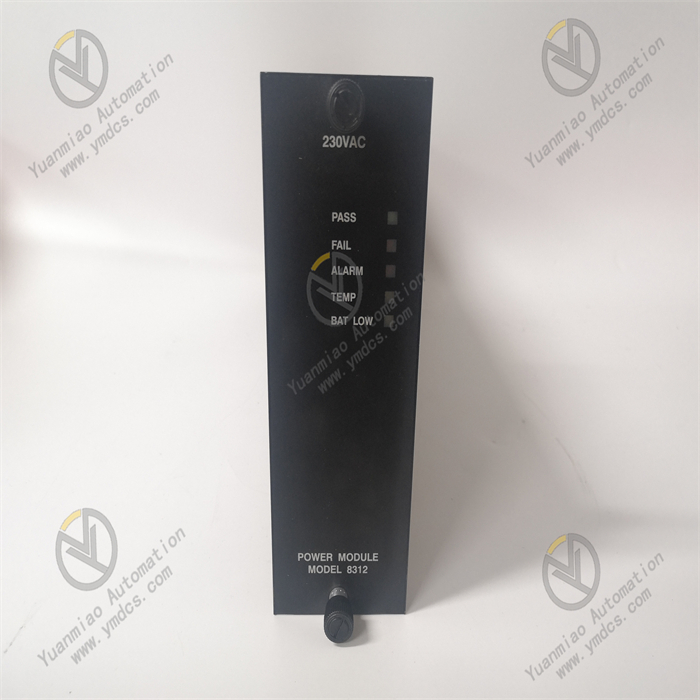
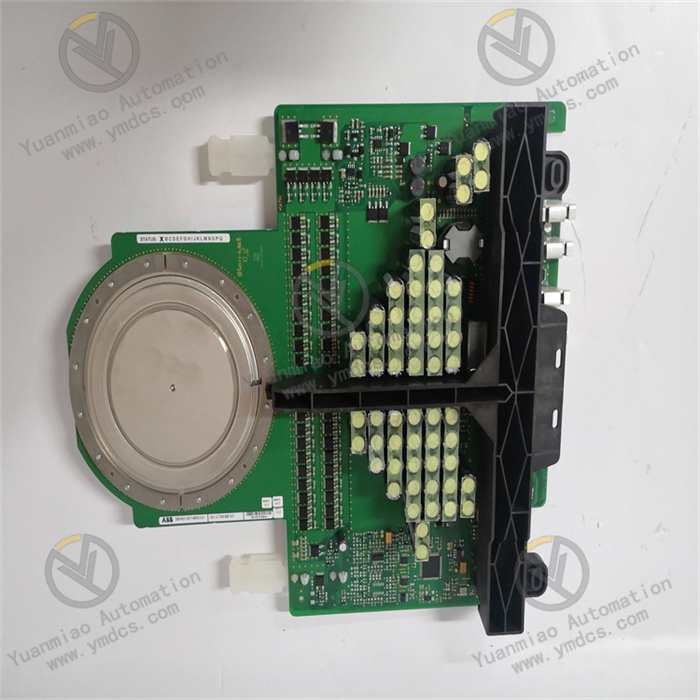
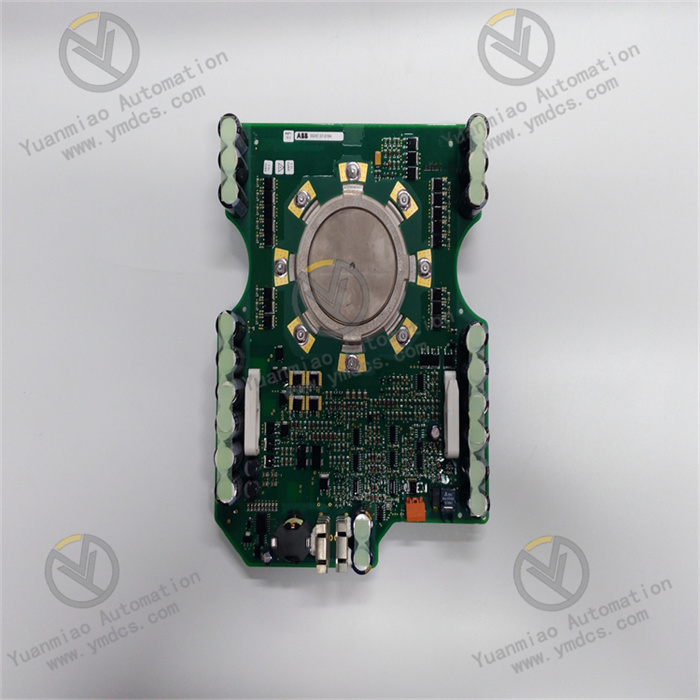
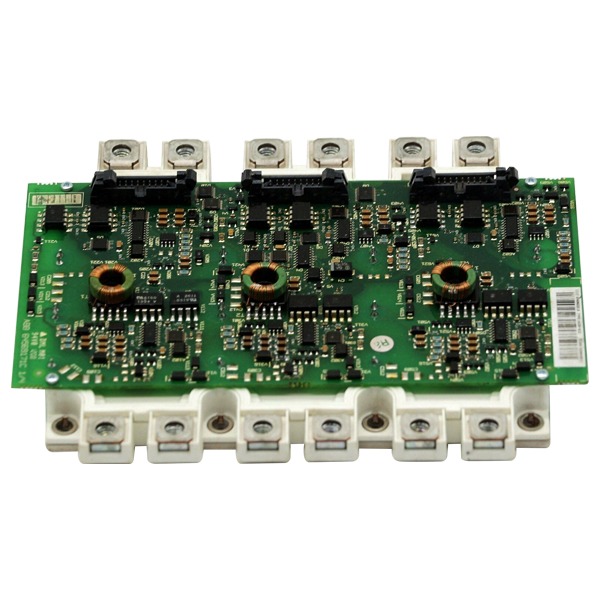
ABB PFSK130 3BSE002616R1
I. Overview
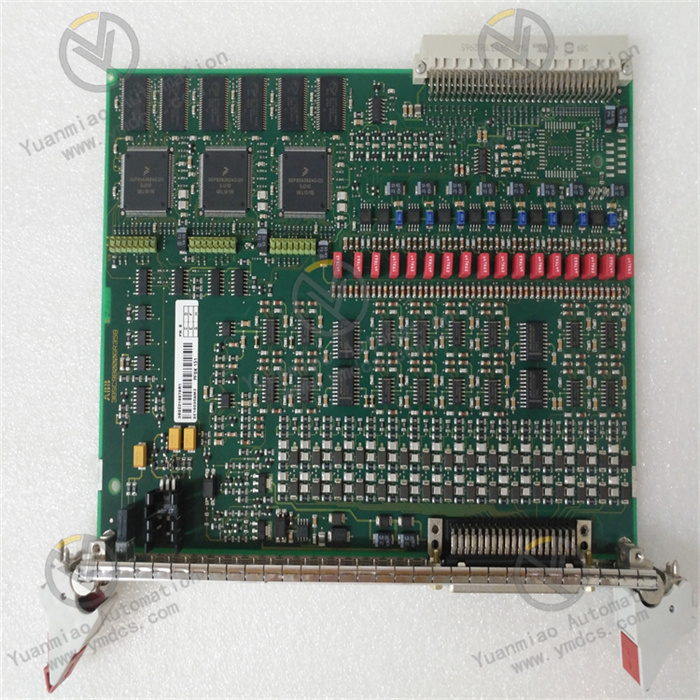
ABB PFSK130 3BSE002616R1 is a digital input module, positioned as a "digital signal acquisition and transmission unit for industrial field applications". Its core function is to accurately collect digital signals output by field devices such as buttons, limit switches, proximity switches, and photoelectric sensors. After undergoing signal isolation, filtering and conditioning, these signals are transmitted to upper-level control systems like PLC and DCS, providing reliable field signal support for automation control logic judgment. It is widely used in diverse industrial scenarios including manufacturing production lines, energy stations, building automation, and rail transit.
II. Core Features
Highly Reliable Signal Acquisition and Conditioning: It supports 16 digital input channels and is compatible with both PNP and NPN signal types, enabling flexible adaptation to different types of field sensors. Built-in filter circuits and signal shaping modules can effectively filter out interference noise on-site, with a signal response time as low as 1ms, ensuring accurate acquisition of weak digital signals without distortion or delay.
Industrial-grade Anti-interference and Environmental Adaptability: It adopts photoelectric isolation technology, with an isolation voltage of up to 2500VAC between channels, which can effectively block interference from on-site electrical circuits and avoid acquisition failure caused by signal crosstalk. With an operating temperature range of -20℃~60℃, it can withstand harsh conditions such as vibration and voltage fluctuations in industrial sites, meeting the requirements of 24/7 continuous and stable operation.
Easy Integration and System Compatibility: It supports the high-speed Profibus DP communication protocol with a data transmission rate of up to 12Mbps, enabling real-time signal interaction with PLC and DCS systems. It adopts a standardized DIN rail mounting design, compatible with the layout of mainstream industrial control cabinets. The wiring uses spring terminals, allowing tool-free and fast wiring with high efficiency in installation and commissioning.
Redundant Power Supply and Safety Assurance: It supports 24VDC redundant power supply design. When one power supply path fails, the other path can switch seamlessly, ensuring uninterrupted operation of the module and preventing signal acquisition interruption from affecting the entire control system. Built-in reverse power connection protection and overvoltage protection functions prevent module damage caused by wiring errors or abnormal voltage.
- Modular Design and Convenient Operation & Maintenance: It features an independent modular structure. When a single module fails, it can be disassembled and replaced individually without shutting down the entire system, greatly reducing operation and maintenance downtime losses. Equipped with clear channel status indicator lights, the on/off status of each input signal is intuitively visible, facilitating maintenance personnel to quickly troubleshoot faults of on-site sensors and lines.
III. Technical Parameters
| Parameter Name | Specification |
|---|---|
| Product Model | ABB PFSK130 3BSE002616R1 |
| Product Type | Digital input module, dedicated for industrial field signal acquisition |
| Product Attributes | Modular design, photoelectric isolation, redundant power supply |
| Power Supply Parameters | Operating Voltage: 24VDC (redundant power supply); Rated Power Consumption: ≤5W |
| Input Parameters | Input Channels: 16 channels; Signal Type: PNP/NPN compatible; Response Time: ≤1ms; Isolation Voltage: 2500VAC (between channels) |
| Communication Method | Communication Protocol: Profibus DP; Transmission Rate: Up to 12Mbps; Interface Type: DB9 pin interface |
| Physical Parameters | Dimensions: 100mm×160mm×60mm; Net Weight: Approx. 200g; Mounting Method: 35mm standard DIN rail mounting |
| Environmental Adaptability | Operating Temperature: -20℃~60℃; Protection Rating: IP20; EMC Resistance (IEC 61000-4); Vibration Resistance (IEC 60068-2-6) |
| Compatibility & Adaptation | Compatible with ABB AC800M, S400 control systems and various PLC/DCS; Suitable for digital sensors such as buttons and proximity switches |
| Additional Information | Warranty Period: 12 months; Protection Functions: Reverse power connection protection, overvoltage protection, photoelectric isolation protection |
IV. Working Principle and Application Logic
The ABB PFSK130 3BSE002616R1 module realizes accurate acquisition and upload of digital signals in industrial field based on the core working logic of "field signal acquisition - signal conditioning and isolation - data transmission - status feedback". Its core working process is as follows:
After being connected to the 24VDC redundant power supply, the module completes self-diagnosis, confirms that the internal circuits and input channels are working normally, and enters the ready state. At the same time, it accesses field sensor signals through spring terminals, compatible with both PNP and NPN types, and can adapt to signal input without additional configuration.
The digital signals collected on-site are filtered to remove interference noise by the built-in filter circuit, and then the signal waveform is optimized by the shaping circuit to ensure signal stability. Photoelectric isolation modules achieve electrical isolation between channels, blocking the impact of external high-voltage and interference signals on the module's core circuits and upper-level systems, thus ensuring the safety of signal transmission.
The conditioned digital signals are transmitted to upper-level control systems such as PLC and DCS at high speed via the Profibus DP communication bus, providing real-time field data for control logic operation. The upper-level system issues corresponding control commands based on the received signals to realize automated closed-loop control.