Description
1. Product Overview
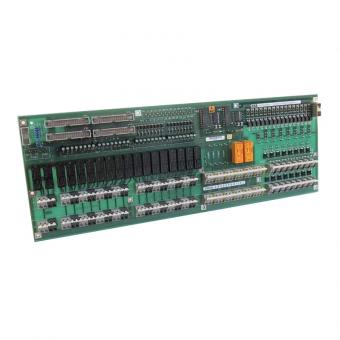
IS400TCATH1ACB is a dedicated TCA thermocouple signal terminal board for General Electric (GE) Speedtronic Mark VIe control system. It acts as the matching terminal base for system thermocouple temperature‑acquisition modules, and serves as the core signal‑access unit for temperature monitoring, furnace temperature measurement and equipment thermal‑condition monitoring systems of gas turbines, steam turbines and large compressor units.
Designed for high‑temperature, high‑risk continuous‑duty conditions in power, chemical and oil‑gas industries, this terminal board focuses on isolated access, cold‑junction compensation, hardware filtering, surge protection and signal conditioning for various field thermocouple sensing signals. It precisely matches temperature‑channel specifications of GE OEM TCA thermocouple acquisition modules and PCAA composite analog modules, and realizes standardized, high‑precision and highly‑stable signal interconnection between field temperature‑measurement sensors and system main‑control I/O modules.
Adopting an industrial fully‑passive architecture with no external power supply required, the board integrates dedicated thermocouple cold‑junction compensation circuits, high‑precision RC filter networks, ESD electrostatic‑protection and surge‑suppression components. Its signal‑processing logic is optimized for weak millivolt‑level thermocouple signals, effectively mitigating common industry pain points including interference susceptibility, drift, attenuation and distortion of weak signals. High‑voltage galvanic isolation on channels blocks field ground‑potential offset, common‑mode crosstalk, high‑frequency noise and transient surge shocks to ensure long‑term accurate acquisition of unit temperature parameters. Certified for Class 1 Division 2 hazardous‑area explosion‑proof compliance, it is suitable for harsh conditions in thermal‑power plants, cogeneration plants, gas‑fired power generation and refining‑chemical processes. It is the preferred component for non‑intrusive in‑situ replacement of legacy Mark VIe systems suffering from thermocouple terminal oxidation, signal drift, inaccurate temperature reading and line‑interference faults.
2. Functional Features
2.1 Dedicated Thermocouple Signal Adaptation with Accurate Cold‑Junction Temperature Compensation
This terminal board is a dedicated mating unit for thermocouple measurement loops of Mark VIe systems. It fully supports millivolt‑level weak signals from standard industrial thermocouples such as K, J, T and E types. Port definitions, channel characteristics and electrical parameters are fully consistent with OEM TCA temperature‑acquisition modules and PCAA temperature‑measurement channels. The on‑board high‑precision integrated cold‑junction compensation circuit acquires terminal‑board ambient temperature in real time and automatically corrects measurement errors. It thoroughly eliminates temperature‑reading deviation caused by cold‑junction drift on conventional terminal boards, greatly improves temperature‑acquisition accuracy at critical points including unit furnaces, cylinder bodies, pipelines and bearings, and guarantees precise and controllable thermal‑operation parameters of power‑generation units.
2.2 Special Filtering & Protection for Weak Signals to Prevent Temperature‑measurement Interference and Distortion
Targeting ultra‑low‑voltage millivolt‑level weak thermocouple signals, a customized RC low‑frequency hardware‑filter network filters high‑frequency electromagnetic noise and power‑supply interference generated by frequency converters, high‑voltage power cables, contactors and high‑power equipment. Combined with the triple‑protection system consisting of channel high‑voltage isolation, ESD electrostatic protection and transient‑surge suppression, it effectively avoids temperature‑signal jumping, drift, attenuation and fluctuation. It resolves prevalent field‑site faults such as inaccurate readings, data jitter and false alarms, and delivers accurate and reliable raw data for unit temperature interlocks, over‑temperature protection and load regulation.
2.3 Fully‑passive Power‑free Architecture for 7×24‑Hour Long‑term Stable Operation
Built around a fully‑passive industrial‑circuit design with no on‑board power‑supply chips, no heat‑generating active components and no circuit power consumption. Signal transmission and loop matching are completed via the system backplane bus without independent external power supplies. It fundamentally prevents terminal‑board failures induced by power‑supply damage, chip aging, over‑heating and voltage fluctuation. Extremely low heat generation eliminates thermal‑aging risks. It adapts to high‑intensity unattended year‑round continuous production in power stations, and greatly reduces failure rates and routine‑maintenance workload of temperature‑measurement‑and‑control loops.
2.4 High‑density Standardized Terminals for Neat and Standard Thermocouple‑loop Wiring
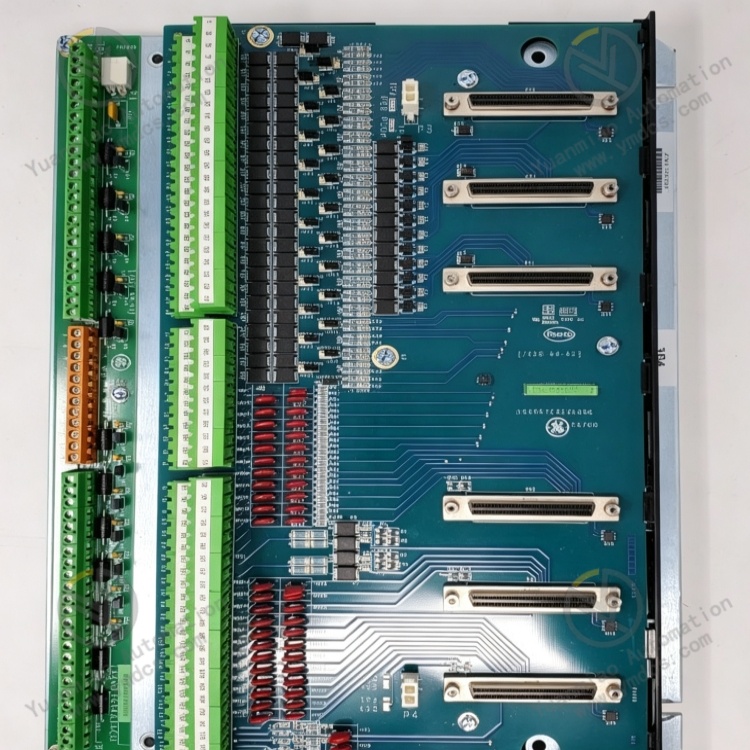
Multi‑channel high‑density industrial barrier‑type terminal blocks are compatible with special industrial shielded temperature‑measurement cables. Screw‑clamp connections provide robust performance with vibration resistance, anti‑loosening capability and oxidation resistance. Clearly partitioned terminals arrange positive and negative thermocouple loops independently to mitigate risks of reversed polarity, poor contact, crosstalk and short‑circuit. Standardized layout optimizes cabinet wiring with clear fault points. It significantly boosts efficiency for subsequent loop calibration, troubleshooting, maintenance and capacity expansion, and fully complies with standardized construction specifications for large power‑unit control cabinets.
2.5 Explosion‑proof‑compliant Industrial‑grade Protection for Harsh High‑risk Conditions
Certified for Class 1 Division 2 explosion‑proof hazardous locations. Constructed with high‑flame‑retardant PCB substrate, thickened insulated traces and full‑range dust‑proof, corrosion‑proof and moisture‑proof treatment. It withstands harsh on‑site conditions including high temperature‑humidity, dust accumulation, temperature cycling, continuous mechanical vibration and mild corrosion in power plants. Stable insulation resists breakdown and aging, and terminals deliver excellent anti‑corrosion and anti‑oxidation performance. It enables long‑term stable operation in high‑risk production sites such as oil‑gas refining, chemical explosion‑prone areas, thermal‑power and cogeneration plants, and meets industrial functional‑safety and explosion‑proof compliance requirements.
2.6 Full OEM‑protocol Compatibility for Non‑intrusive In‑situ Replacement of Legacy Systems
Equipped with OEM‑standard backplane connectors. Bus timing, channel mapping, signal definitions and electrical protocols are fully compatible with the complete GE Mark VIe / VIeS control‑system family, supporting plug‑and‑play interoperability with TCA and PCAA temperature‑measurement modules. Overall installation dimensions, hole positions, wiring logic and loop definitions are fully backward‑compatible with legacy terminal‑board variants. Aged, oxidized, poorly‑contacted, temperature‑drift‑prone, interference‑sensitive or frequently‑faulted legacy terminal boards can be directly replaced on‑site without cabinet modification, temperature‑cable rewiring or re‑configuration and calibration. Retrofit downtime is short, modification cost is low, and stability of the temperature‑measurement system is greatly improved.
3. Technical Specifications
3.1 Basic Specifications
Product Model: IS400TCATH1ACB Manufacturer: General Electric (GE) Product Series: Speedtronic Mark VIe Gas‑ & Steam‑Turbine Control System Product Type: TCA‑Dedicated Thermocouple‑signal Terminal Board Matched Modules: GE TCA thermocouple acquisition module, IS230PCAAH1B composite analog I/O pack Interface: OEM dedicated high‑density backplane connector Supported Signals: Millivolt‑level temperature signals of all standard industrial thermocouples Supported Cables: Special industrial shielded temperature‑measurement cables Core Purpose: Terminal unit for isolated access, cold‑junction compensation and filtering‑protection of thermocouple temperature signals at all measuring points of power‑generation units Key Features: Dedicated cold‑junction temperature compensation, high‑precision protection for weak signals, high‑voltage isolation, passive low‑maintenance design, explosion‑proof compliance, non‑intrusive in‑situ replacement
3.2 Signal‑adaptation & Accuracy Parameters
Supported Thermocouple Types: K, J, T, E, R, S, B and other standard industrial thermocouples Signal Type: Millivolt‑level weak analog temperature signals Core Functions: Real‑time automatic cold‑junction compensation, hardware filtering, signal isolation, surge & electrostatic protection Isolation Performance: High‑voltage galvanic isolation between channels and backplane to block common‑mode interference and ground‑loop currents Signal Performance: Zero attenuation, zero phase offset and zero jitter‑drift for weak signals; stable temperature‑measurement accuracy Protection Mechanism: Custom RC low‑frequency filtering, ESD electrostatic protection, transient‑surge suppression
3.3 Operating and Electrical Parameters
Power‑supply Mode: Fully‑passive design; no external power supply required Operation Mode: 7×24‑hour year‑round non‑stop continuous operation Loop Characteristics: Precisely matched thermocouple measurement loops; no signal distortion or loop deviation Insulation Performance: High‑flame‑retardant high‑insulation substrate; high‑voltage withstand, breakdown resistance and anti‑aging System Compatibility: Full‑series GE Mark VIe / VIeS power‑generation control systems Safety Certification: Class 1 Division 2 hazardous‑area explosion‑proof compliance certification
3.4 Environmental and Mechanical Parameters
Operating Temperature: -30 ℃ ~ +65 ℃ Storage Temperature: -40 ℃ ~ +85 ℃ Relative Humidity: 5 % ~ 95 % non‑condensing Ingress‑protection Rating: IP20 industrial rating Construction Material: High‑flame‑retardant industrial PCB, gold‑plated corrosion‑resistant anti‑oxidation terminals Shock‑vibration Performance: Tolerates unit start‑stop shocks, sustained micro‑vibration and workshop structural vibration Mounting: Embedded fixed installation inside standard control cabinet Applicable Conditions: High‑temperature, high‑humidity, heavy‑interference and explosion‑risk hazardous‑area conditions for thermal‑power, cogeneration, gas‑fired power‑generation, oil‑gas and chemical industries
4. Hardware Configuration & Structural Advantages
4.1 Dedicated Cold‑junction Compensation Technology for Hardware‑guaranteed Temperature‑measurement Accuracy
Different from general‑purpose terminal boards, this board is optimized for thermocouple measurement loops. Built‑in high‑precision ambient‑temperature acquisition and cold‑junction‑compensation circuits correct temperature‑reading errors induced by ambient‑temperature variation at terminals in real time, and thoroughly eliminate acquisition deviation caused by on‑site ambient‑temperature fluctuation. It precisely matches millivolt‑signal characteristics of various thermocouples with perfect loop‑impedance matching to restore real field‑site temperature data to the maximum extent, and supplies high‑precision data support for unit thermal‑efficiency analysis, over‑temperature protection and accurate load regulation.
4.2 Special‑purpose Protection for Weak Signals with Interference Resistance Optimized for Temperature‑measurement Scenarios
Thermocouple signals are ultra‑weak millivolt‑level signals highly susceptible to distortion from industrial electromagnetic interference. This terminal board integrates dedicated low‑frequency filter circuits to target high‑frequency noise, while high‑voltage isolation cuts ground‑potential crosstalk and surge shocks. The multi‑layer hardware‑protection system resolves difficult field‑site problems common in power plants and chemical facilities including temperature jumping, value drift, inaccurate readings and false alarms, and ensures long‑term reliability of temperature‑measurement‑and‑control loops.
4.3 Passive Minimal‑complexity Architecture for Ultra‑low‑fault‑rate Low‑maintenance Operation
Free of active chips, heat‑generating components and hidden power‑supply‑failure risks. Minimal‑complexity and stable circuitry avoids typical faults of active terminal boards such as aging, over‑heating and power‑supply abnormality. Continuous year‑round operation requires no manual calibration, periodic maintenance or spare‑part replacement, greatly cutting O&M costs for unit temperature‑measurement systems and adapting to unattended continuous‑production conditions.
4.4 Standardized Thermocouple‑loop Wiring for Convenient Maintenance and Low Fault Rate
Independently partitioned terminals for thermocouple positive and negative poles eliminate risks of wiring confusion and loop short‑circuit. Gold‑plated corrosion‑resistant terminals resist oxidation with constant contact resistance, and remain tight under sustained vibration to prevent signal loss, data abnormality and spurious interlock trips caused by poor contact. Neat wiring greatly simplifies subsequent loop calibration, troubleshooting and reworking, and improves system O&M efficiency.
4.5 Industrial Environmental Hardening plus Explosion‑proof Design for Long‑term Service under Harsh Conditions
Flame‑retardant, dust‑proof, moisture‑proof and corrosion‑resistant construction passes strict OEM temperature‑cycle, vibration and EMC compatibility tests, and withstands harsh workshop conditions such as high temperature‑humidity, dust accumulation, vibration and electromagnetic interference. Explosion‑proof‑compliant qualification allows direct deployment in high‑risk explosion‑prone oil‑gas and chemical areas. Long‑term operation brings no performance degradation, circuit aging or terminal oxidation, delivering long service life.
4.6 Non‑intrusive In‑situ Replacement for High Cost‑performance of Legacy‑system Retrofit
Fully backward‑compatible with original installation geometry, back‑plane protocols and thermocouple‑loop logic of Mark VIe systems. Faulty legacy terminal boards can be swapped directly without cabinet modification, re‑laying of temperature‑measurement cables or re‑calibration of temperature parameters. System hardware upgrade can be completed within short‑duration shutdown, thoroughly resolving pain points of legacy temperature‑measurement systems such as heavy interference, low accuracy and high failure rate, and improving stability and precision of unit temperature monitoring at low modification cost.
5. Application Scenarios
Temperature‑measurement‑and‑control Systems for Large Power‑generation Units: Widely deployed in Mark VIe main‑control systems for thermal‑power, cogeneration, gas‑turbine and steam‑turbine units. It performs isolated access, compensation‑filtering and accurate transmission for thermocouple temperature signals from critical measuring points such as unit cylinder bodies, bearings, furnaces, flue‑gas outlets and pipelines, and ensures stable operation of unit over‑temperature protection, temperature interlocks, load regulation and thermal‑efficiency monitoring.
High‑risk Explosion‑proof Temperature‑measurement Systems for Oil‑gas & Chemical Industries: Applied to temperature‑measurement systems of large compressors, heating furnaces and reaction units for oil‑gas production and refining‑chemical processes. Supported by Class 1 Division 2 explosion‑proof compliance, it fulfills signal‑acquisition requirements for high‑risk hazardous‑area locations and realizes real‑time temperature monitoring and safety‑interlock protection for process equipment.
- Temperature‑monitoring Systems for Industrial Auxiliary Power Equipment: Deployed in temperature‑measurement loops of waste‑heat power generation, large HVAC power equipment, process auxiliaries and heat‑exchange equipment. It completes signal conditioning, filtering and isolated transmission of field thermocouple signals, and guarantees controllable temperature and reliable operation of auxiliary equipment.