Description
1. Product Overview
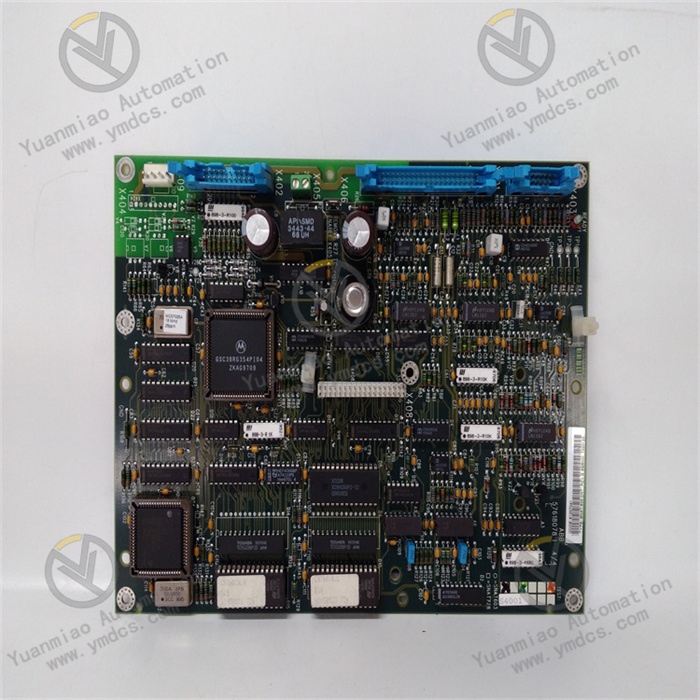
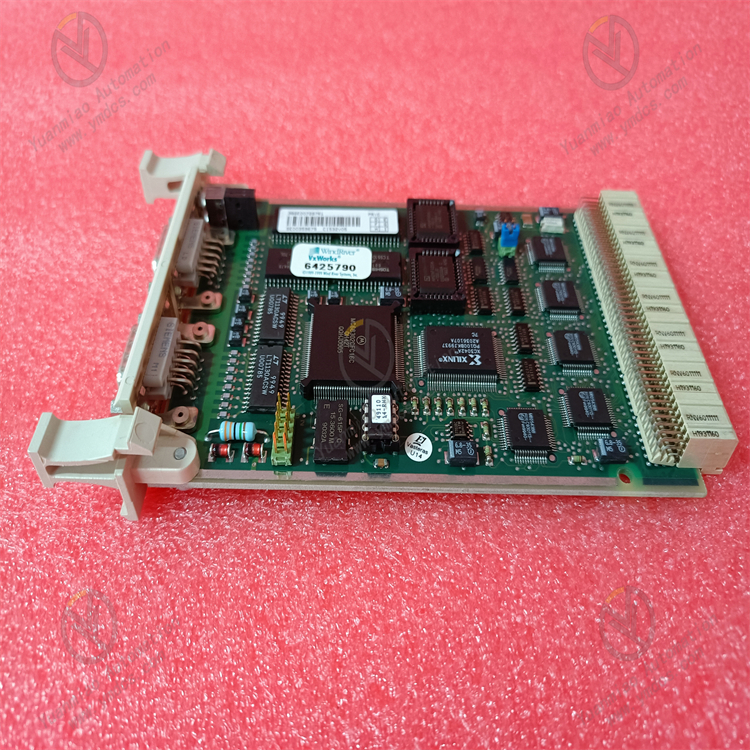
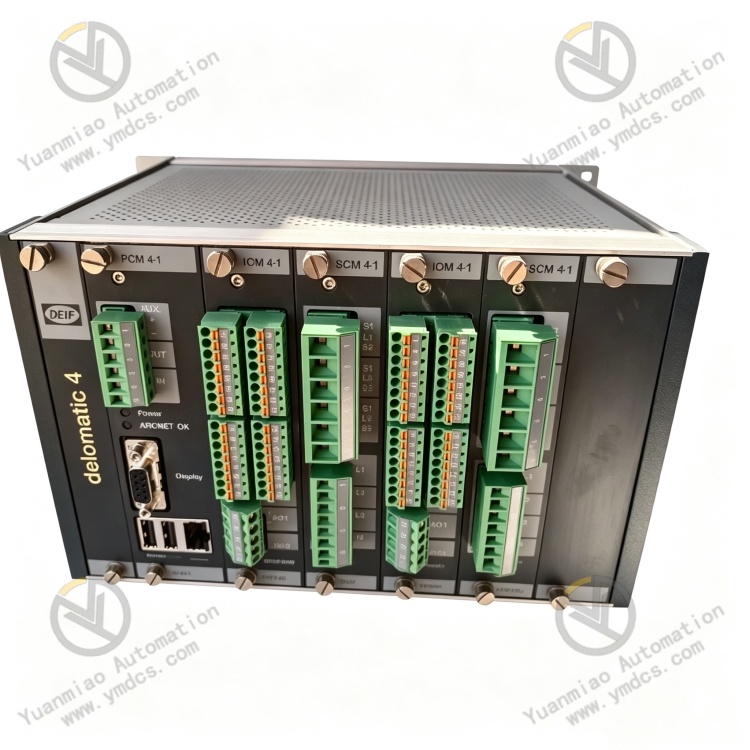
DEIF PCM4.1 is an original integrated power‑supply and main processor control module manufactured by DEIF of Denmark. It belongs to the hardware portfolio of the Delomatic 4 (DM‑4) series power station control system and serves as the core central unit for complete genset control, protection and grid‑management systems. As an essential core module of the DM‑4 system, the PCM4.1 undertakes key functions including regulated power supply for the whole system, program execution, logic scheduling, bus‑based data exchange and system sequence management, acting as the “central brain” of the power‑station control system.
Integrated with an industrial‑grade regulated power supply, high‑performance DSP processing core, multi‑protocol communication interfaces, system fault self‑diagnosis and hardware protection circuits, this module delivers clean and stable operating power to all I/O modules, measurement modules and communication units within the control‑system rack. Meanwhile, it runs genset control programs and implements grid‑connection logic, load regulation, protection criteria execution, data acquisition and remote interaction functions. Designed for harsh operating conditions of land‑based / marine generator‑sets, combined heat‑and‑power (CHP) stations, distributed grid‑tied power stations and standby power clusters, it features fast computation, clean power output, strong anti‑interference performance and high system stability for long‑term maintenance‑free operation. Widely deployed in offshore oil‑gas platforms, marine power systems, on‑site industrial power plants and municipal standby power supply scenarios, it acts as a key original OEM component for faulty‑unit replacement, hardware technical retrofitting and system capacity expansion of legacy DEIF DM‑4 systems.
2. Functional Features
2.1 Integrated Power‑Supply for Stable Full‑Rack Operation
The PCM4.1 incorporates a high‑power industrial regulated power circuit, providing centralized regulated power supply for the complete DM‑4 control‑system rack. It supports wide‑range industrial DC input and outputs low‑ripple, highly‑stable clean DC power for SCM measurement modules, I/O input‑output modules, communication modules and display units. Built‑in multi‑stage filtering, surge suppression and voltage shaping circuits effectively filter power‑grid fluctuations, voltage glitches and transient surge disturbances. It eliminates system reboot, data drift, module error reporting and logic disorder caused by poor power quality, ensuring stable operation of the entire power‑station control system.
2.2 High‑Performance DSP Main‑Controller for Accurate Genset Logic Scheduling
Equipped with a dedicated industrial DSP digital‑processing core, the module executes program operation and logic computation for the complete power‑station control system. Core functions cover automatic generator paralleling and disconnection, active/reactive load sharing, constant‑frequency & constant‑voltage regulation, genset start‑stop interlock and fault‑protection criteria. It delivers fast computational response, high‑precision logic execution and strong time‑sequence synchronization. Control strategies are dynamically adjusted in real‑time following genset operating conditions to guarantee balanced parallel operation of multiple gensets and stable standalone‑unit performance, avoiding technical problems such as grid‑connection oscillation, load offset and frequency‑voltage fluctuation.
2.3 Multi‑Bus Converged Communication for Digital Networking Adaptation
Fitted with multiple high‑speed communication interfaces: ARC‑net high‑speed bus, 10/100 Mbps adaptive Ethernet, TTL serial port and USB debug port. It supports intra‑system bus linkage, host‑computer networking, remote debugging and SMS alarm expansion. It realizes high‑speed inter‑module data exchange, upload of genset operating data, remote parameter configuration, program upgrade and fault‑message push. Well‑suited for digital monitoring, unattended operation and remote‑maintenance management of smart power stations, it is compatible with both new and legacy power‑station automation network architectures.
2.4 Comprehensive System‑Level Fault Diagnosis and Protection
Dual hardware‑and‑software self‑diagnosis and protection mechanisms monitor internal power‑supply status, core‑chip operation, bus‑communication links and load conditions of downstream modules, as well as abnormal status across the whole system. Multiple self‑check and latch‑up protections are enabled for over‑voltage, under‑voltage, over‑current, short‑circuit, over‑temperature, bus errors and program exceptions. Upon fault occurrence, fault codes are accurately recorded, status is latched, and local & remote alarms are triggered. It protects the complete control‑system hardware and prevents fault escalation leading to genset shutdown, equipment damage and grid‑connection accidents.
2.5 Programmable Flexible Configuration for Broad Condition Adaptability
Programmable configuration is supported via dedicated DEIF host‑computer software. Control logics and operating parameters can be customized according to genset capacity, fuel type, grid‑connection mode, load process and protection setpoints. Compatible with diesel‑engine, gas‑engine and hydro‑turbine generating units, it supports island‑mode operation, grid‑tied operation, multi‑unit parallel running and standby switching. It flexibly meets power‑station control requirements across diverse industries and working conditions, outperforming conventional general‑purpose modules in functional expandability and scenario adaptability.
2.6 Industrial‑Grade Rugged Design for Long‑Term Operation under Harsh Conditions
Optimized for severe environments on ships, offshore platforms and heavy‑industry power stations featuring high vibration, high humidity‑heat, heavy salt spray and strong electromagnetic interference. The unit has passed EMC compliance, temperature cycling, mechanical shock‑vibration and salt‑spray aging tests. It exhibits excellent dust‑proof, moisture‑proof, vibration‑resistant and anti‑interference capability. 24‑7 non‑stop continuous operation is supported without performance degradation, program drift or hardware aging faults, complying with high‑reliability standards for both industrial and marine applications.
2.7 Standardized Rack‑Mount Design for Non‑Intrusive Replacement and Easy Maintenance
Adopting standardized slot‑in installation for the dedicated DM‑4 rack. Pin‑out definitions, bus protocols, physical dimensions and program configuration are fully compatible with older‑generation PCM modules of the same series. Faulty, aged modules with computation anomalies or power‑supply failure can be directly replaced on‑site in‑situ. No rack modification, rewiring or control‑logic reconstruction is required; commissioning is completed simply by importing and calibrating parameters. This significantly shortens power‑station downtime for maintenance and reduces retrofitting and operational costs.
3. Technical Specifications
3.1 Basic Specifications
Product Model: PCM4.1 Manufacturer: DEIF (Denmark) Product Series: Delomatic 4 (DM‑4) Power Station Control System Product Type: Integrated Power‑Supply and Main‑Processor Control Module Core Role: Central unit of DM‑4 system; responsible for system power supply, computation, logic scheduling and communication networking Compatible Hardware: SCM4.1 measurement module, IOM4.1 / IOM4.2 I/O modules, DU‑2 display unit, AOP‑1 operator panel Applicable Equipment: Diesel / gas / hydro‑turbine generator‑sets, land‑based captive power plants, marine power stations, CHP units Product Features: DSP‑based main‑controller computation, centralized regulated power supply, multi‑protocol communication, intelligent self‑diagnosis, programmable configuration, high anti‑interference performance, non‑intrusive replacement
3.2 Electrical Power‑Supply Parameters
Input Supply Voltage: Wide‑range industrial DC input Output Mode: Centralized rack‑mount regulated power supply for all downstream sub‑modules Output Characteristics: Low ripple, high‑precision voltage regulation, load‑adaptive capability, power‑grid fluctuation resistance Circuit Protection: Multi‑stage hardware protection including over‑voltage, under‑voltage, over‑current, short‑circuit, over‑temperature and surge protection Power‑Supply Stability: Minimal full‑range voltage error, no momentary voltage drop and no noise interference Load Capacity: Matches full‑load demand of fully populated DM‑4 rack for continuous stable output
3.3 Computation & Control Parameters
Core Chip: Industrial high‑speed DSP digital‑signal processor Operating System: Embedded real‑time control system, low computation latency, high time‑sequence precision Control Functions: Automatic paralleling / disconnection, load sharing, frequency / voltage regulation, genset interlock, fault protection Configuration Method: Online configuration, parameter backup and program upgrade via dedicated DEIF host‑computer software Response Speed: Millisecond‑level logic computation and condition response for dynamic genset‑load variations Operational Stability: Free of program crash and logic disorder; zero parameter drift over long‑term operation
3.4 Communication Interface Parameters
Internal High‑Speed Bus: ARC‑net bus, 2.5 MBaud, for inter‑module linkage communication Ethernet Port: 10/100 Mbps adaptive, for host‑computer monitoring and remote networking Serial Port: TTL serial port, baud‑rate 9600–38400 Baud adaptive; supports GSM‑based SMS alarm expansion Debug Port: Standard USB interface for local program download, parameter commissioning and fault reading Communication Performance: Low latency, high synchronization, anti‑interference; supports multi‑device linkage and real‑time data upload
3.5 Environmental & Mechanical Parameters
Operating Temperature: ‑20 ℃ ~ +60 ℃ Storage Temperature: ‑40 ℃ ~ +85 ℃ Relative Humidity: 5 % ~ 95 % non‑condensing Ingress Protection: High‑grade industrial protection for enclosed cabinet deployment Shock‑Vibration Resistance: Qualified for both marine and industrial vibration tests; withstands sustained vibration and transient shock Environmental Compatibility: Moisture‑resistant, dust‑resistant, salt‑spray resistant, EMI‑resistant, tolerant of temperature cycling Installation: Slot‑in mounting for standard DM‑4 rack; precise alignment and secure locking Operation Profile: Supports 24‑7 year‑round continuous operation with long maintenance‑free intervals
4. Hardware Configuration & Structural Advantages
4.1 Integrated Control‑and‑Power Architecture for Simplified and Stabilized System Design
Combining main‑processor computation and centralized system power‑supply within one module, it replaces the traditional split‑scheme of separate power supply plus separate main controller. Rack‑mount hardware complexity is greatly reduced with fewer wiring interfaces and potential fault points. The integrated design achieves precise timing matching between power supply and computation, eliminating compatibility risks of split‑equipment such as timing mismatch, power‑supply delay and communication asynchronism, and fundamentally improving stability and synchronization of the overall power‑station control system.
4.2 High‑Speed DSP Core for Precise and Efficient Control Logic
Built‑in dedicated industrial DSP processor implements optimized algorithms for genset operating conditions including non‑linear load fluctuation, transient paralleling events and multi‑unit parallel coupling. It responds rapidly to changing conditions and accurately executes load‑sharing, voltage‑frequency trimming and fault‑protection interlock logic. The real‑time embedded system brings negligible redundant latency and high timing accuracy, solving common industry pain points such as uneven multi‑genset parallel performance, paralleling inrush and steady‑state offset, so as to enhance economy and reliability of power‑station operation.
4.3 Multi‑Interface Universal Networking Enabling Smart‑Power‑Station Upgrade
The combination of ARC‑net internal bus, Ethernet, serial port and USB satisfies multiple requirements: high‑speed intra‑system linkage, external remote networking, local commissioning & maintenance, and SMS‑alarm expansion. It covers both conventional local control and modern remote intelligent management scenarios. Communication links are electrically isolated from one another without mutual interference; data transmission is stable with zero packet loss. It perfectly fits digital‑retrofit projects and unattended power‑station construction for new and legacy facilities.
4.4 Marine‑Grade Rugged Construction for Demanding Operating Conditions
The whole unit is ruggedized specifically for harsh environments of ships, offshore platforms and heavy‑industry power plants. Core components pass strict screening for salt‑spray, humidity‑heat, vibration and temperature cycling. Printed circuit boards adopt moisture‑proof and anti‑corrosion conformal coating; connectors are gold‑plated for anti‑oxidation. It sustains long‑term exposure to high humidity, salt‑spray corrosion, continuous vibration and heavy electromagnetic interference, delivering far lower hardware failure rate than ordinary industrial control modules.
4.5 Standard Rack‑Mount Hot‑Swap‑Capable Design for Low‑Cost Maintenance
Designed for slots of the standard DM‑4 rack with easy alignment and convenient installation‑removal. Hot‑swap debugging is permitted under qualified conditions. Legacy installations support direct in‑situ replacement without rack rewiring or control‑logic reconstruction. Visible LED status indicators clearly display running, fault and communication status for easy on‑site troubleshooting, effectively reducing power‑station maintenance downtime and labour costs.
5. Application Scenarios
- Marine and Offshore‑Platform Power‑Station Systems: Widely deployed in genset control systems for vessels and offshore oil‑gas platforms. Withstands harsh marine conditions of salt‑spray, humidity‑heat and vibration to perform genset paralleling, load management, fault protection and automatic power‑station dispatching, guaranteeing continuous and reliable offshore power supply.
- Land‑Based Industrial Captive Power Plants: Applied to diesel‑engine / gas‑engine captive power stations for factories, industrial parks and data centres. Realizes multi‑genset parallel operation, automatic load sharing, paralleling‑disconnection control and standby source automatic switching to secure continuity and stability of power supply for industrial production.
- Combined Heat‑and‑Power (CHP) Genset Systems: Used for CHP and waste‑heat‑recovery generating units. It implements coordinated regulation of thermal load and electrical load for high‑efficiency economic unit operation, suitable for automatic‑control scenarios of comprehensive energy‑utilization projects.
- Hydropower and Distributed Power Stations: Suitable for small‑scale hydro‑turbine generating units and grid‑tied distributed power stations. High‑precision speed and voltage stabilization together with paralleling‑control functions stabilize unit output parameters and improve grid‑connection safety and reliability for new‑energy supporting power stations.