Description
1. Product Overview
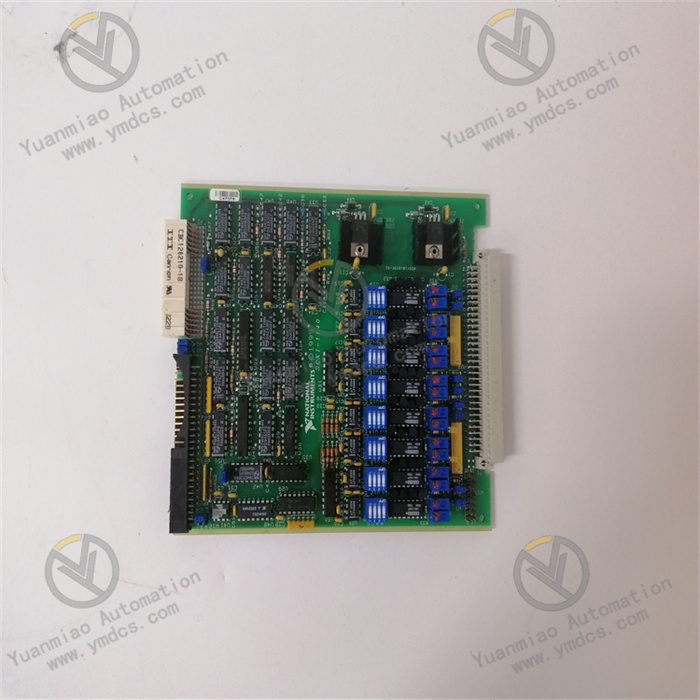
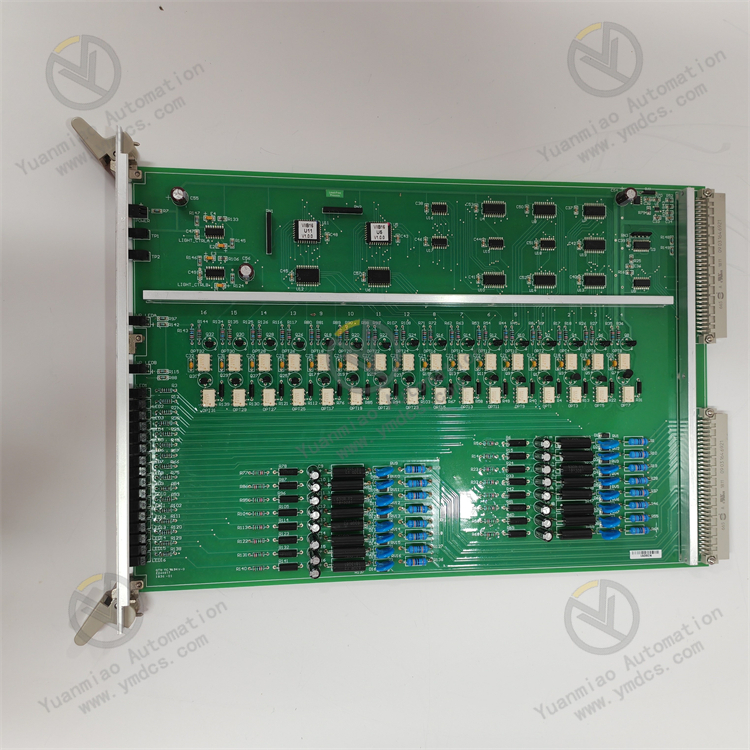
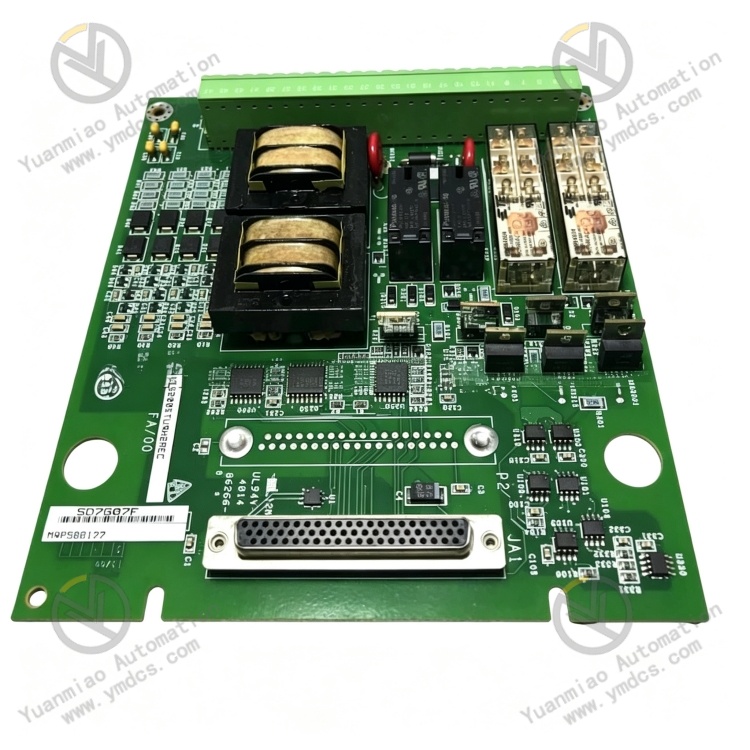
IS200STURH2AEC is a turbine‑specific terminal interface board of the Speedtronic Mark VI series manufactured by General Electric (GE). It functions as a core signal‑transfer and loop‑conditioning unit for the TCS turbine control system of gas turbines, steam turbines and combined‑cycle generator units in power plants. Designed for operating‑condition monitoring, isolated signal conversion, control‑loop matching and terminal‑signal distribution of large‑scale power units, the board mainly performs front‑end acquisition, isolated filtering, terminal transfer and loop matching for various analog and digital signals inside the turbine control system. It is an essential underlying hardware that guarantees stable transmission of turbine‑control signals, accurate interlock logic and steady‑state operation of generating units.
As an original standardized turbine‑control board from GE, the IS200STURH2AEC adopts military‑grade PCB substrate and integrates signal‑conditioning circuits, multi‑stage EMI filtering, electrical‑isolation protection and surge‑suppression design. It effectively solves common‑industry problems of traditional turbine‑control systems, such as signal interference, coupled noise on cables, signal attenuation, unstable terminal contact, loop‑matching deviation and false interlock triggered by operating‑condition fluctuations. Optimized to withstand harsh conditions in power‑plant cabinets, including high temperature, heavy vibration, strong electromagnetic interference and 24‑hour continuous heavy‑duty operation, the board features low temperature‑drift coefficient, excellent ageing resistance, high stability and extremely low failure rate. It is widely deployed in new‑build supporting projects, ageing‑board replacement, troubleshooting of abnormal‑signal faults, turbine‑control‑accuracy upgrading and interlock‑stability‑optimization retrofits for Mark VI control systems in thermal‑power plants, gas‑fired combined‑cycle power stations, cogeneration facilities and large industrial turbine power stations.
2. Core Functions
Multi‑channel terminal transfer and distribution for turbine signals: Equipped with standardized multi‑point signal terminals, the board centrally receives various process signals of the turbine system, including temperature, pressure, rotating speed, vibration, valve position and start‑stop interlock signals. It realizes concentrated signal transfer, loop distribution and cable arrangement between field sensors, actuators and the main‑control system, and resolves difficulties caused by complicated wiring, dispersed signals and high maintenance workload of turbine‑control systems.
Front‑end signal conditioning and noise filtering: Built‑in precision‑signal amplification, impedance‑matching and multi‑stage high‑frequency‑filter circuits shape, denoise and calibrate weak analog signals and interference‑prone digital signals from the field. Electromagnetic noise and coupled interference generated by variable‑frequency equipment, high‑power units and power cables in power plants are suppressed, eliminating signal drift, value jumping and transmission distortion to ensure that process data sent to the main controller is authentic and accurate.
Full‑loop electrical isolation and anti‑interference protection: Channel‑level electrical‑isolation design keeps individual signal loops independent and free from crosstalk. It isolates ground‑loop currents, common‑mode interference and instantaneous‑voltage surges, preventing single‑point signal faults from spreading and triggering board‑wide signal anomalies, false interlock actions and false unit alarms, and greatly improving the anti‑interference capability and operational fault tolerance of the turbine‑control system.
Precise loop matching for steady‑state operation guarantee: Custom‑tailored impedance and loop adaptation are implemented for dynamic operating characteristics of gas and steam turbines. The board accurately matches signal‑transmission properties under high‑frequency load fluctuations of turbine units and ensures continuous and stable signals during load change, start‑stop switching and dynamic regulation without transient disconnection or sudden‑parameter jumps, supporting precise speed, pressure and load regulation of generating units.
Hardware self‑diagnosis and fault‑location support: On‑board hardware‑monitoring circuits cooperate with the Mark VI main‑control system to complete board self‑inspection, channel‑abnormality detection and circuit‑fault judgement. Loose terminals, broken wires, abnormal signals and damaged channels can be rapidly identified, providing hardware support for maintenance personnel to pinpoint problems and perform quick repairs, and significantly shortening unit downtime caused by faults.
- Original‑equipment non‑destructive replacement and long‑term stable operation: Fully compliant with GE Mark VI hardware standards in board dimensions, terminal definitions, electrical parameters and communication‑matching logic, the board supports plug‑and‑play non‑destructive replacement. No control‑program modification, recalibration of interlock thresholds or on‑site‑wiring alteration is required. Featuring outstanding high‑temperature resistance, vibration resistance and anti‑ageing performance, it has a long maintenance‑free service life and can sustain 7×24‑hour continuous steady‑state operation of generating units, effectively reducing power‑plant maintenance costs and risks of unplanned shutdown.
3. Technical Specifications
| Parameter Item | Technical Specification |
|---|---|
| Model No. | IS200STURH2AEC |
| Brand | GE (General Electric) |
| Product Series | Speedtronic Mark VI turbine‑control‑system board series |
| Product Type | Turbine terminal‑interface board, signal‑conditioning transfer board, process‑loop adaptation board |
| Compatible System | GE Speedtronic Mark VI gas / steam turbine control system |
| Primary Purpose | Turbine‑process‑signal transfer, signal filtering & conditioning, loop‑isolation protection, interlock‑signal transmission, terminal‑point distribution |
| Signal‑Processing Features | Multi‑channel centralized‑signal processing, precise impedance matching, multi‑stage noise‑reduction filtering, distortion‑free signal transmission |
| Isolation Characteristics | Channel‑level electrical isolation, common‑mode‑interference suppression, independent loop anti‑crosstalk design |
| Protection Mechanism | Surge suppression, over‑voltage protection, high‑frequency‑noise filtering, faulty‑loop isolation |
| Operating Temperature | ‑30 ℃ ~ +70 ℃, suitable for wide‑temperature harsh conditions in power plants |
| Storage Temperature | ‑40 ℃ ~ +85 ℃ |
| Ambient Humidity | 5 %‑95 % RH, non‑condensing, suitable for constant‑temperature & constant‑humidity cabinet environments in power plants |
| Hardware Technology | Military‑grade PCB substrate, high‑temperature‑resistant SMD components, anti‑oxidation terminals, reinforced multi‑layer board structure |
| Operational Performance | Low temperature drift, low distortion, vibration resistance, electromagnetic‑interference immunity, no‑performance degradation after long‑term operation |
| Mounting Method | Standard embedded slot‑mounting inside control cabinet |
| Compatible Units | F‑class / H‑class gas turbines, steam turbines, combined‑cycle generator units, industrial turbine power units |
| Key Advantages | 100 % original‑equipment system compatibility, accurate and stable‑signal transmission, strong anti‑interference capability, safe loop isolation, excellent process‑condition adaptability, zero‑deviation replacement, long‑term anti‑ageing performance, substantial improvement of turbine‑unit operational stability |
4. Working Principle
The IS200STURH2AEC turbine terminal‑interface board operates under a closed‑loop workflow: field‑signal reception → centralized terminal distribution → multi‑stage filtering & purification → impedance‑loop matching → electrical‑isolation protection → accurate‑signal upload. After slot installation, terminal wiring and power‑on initialization inside the cabinet, the board completes hardware self‑test and enters steady‑state signal‑transfer and conditioning operation.
During unit operation, raw‑process signals output by on‑site sensors, valve‑position feedback units and interlock contacts are first connected to the board terminals for centralized signal collection and cable organization. The signals then pass through front‑end filtering and noise‑reduction circuits to remove high‑frequency noise, coupled interference and instantaneous‑voltage fluctuations generated in the strong‑electromagnetic environment of power plants, completing primary‑signal purification. The built‑in impedance‑matching and signal‑conditioning unit precisely calibrates and adapts signal amplitude, waveform and load impedance to correct transmission attenuation and process‑condition drift, ensuring regular waveforms and accurate numerical values.
Conditioned and isolated standard‑process signals are stably uploaded to the Mark VI main‑control system for arithmetic analysis, logic judgement, load regulation and interlock protection. Meanwhile, the board monitors real‑time signal status and loop conditions of every channel. Once circuit anomalies, signal distortion or channel faults are detected, fault information is reported synchronously via hardware self‑diagnosis circuits to help the system quickly locate faulty points. This effectively prevents control inaccuracy, false interlock actions and unplanned shutdown caused by abnormal signals, and maintains a stable, reliable and accurate signal‑transmission link throughout the turbine‑control system.
5. System‑Architecture Compatibility
The IS200STURH2AEC is an original‑equipment dedicated terminal‑signal‑interface board for the GE Speedtronic Mark VI turbine‑control system. Its physical installation dimensions, terminal‑pin definitions, electrical‑loop parameters, signal‑transmission timing and hardware‑communication‑adaptation logic are fully compatible with the full Mark VI turbine‑control architecture. Natively matching the TCS control topology and signal‑interaction logic of gas turbines, steam turbines and combined‑cycle units, it supports plug‑and‑play non‑destructive replacement without unit‑control‑program modification, recalibration of interlock thresholds or additional adapter hardware, achieving 100 % seamless compatibility.
This board seamlessly interfaces with field‑mounted turbine sensors, actuators, interlock loops, main‑control CPU units and system‑data‑acquisition modules. It delivers precise transfer timing, zero loop‑matching deviation and distortion‑free data transmission, fully meeting operational requirements of large‑scale power units for closed‑loop control, load regulation, safety interlock and condition monitoring. Its standardized slot‑mounting structure and electrical interfaces comply with power‑plant control‑cabinet layout specifications. Typical deployment scenarios include complete system integration for new‑build Mark VI power plants, replacement of ageing interface boards in legacy units, troubleshooting of turbine‑signal fluctuation and distortion faults, and retrofits to improve control stability and interlock reliability. No modification to existing wiring, control architecture or interlock logic is required during renovation, delivering convenient replacement and low upgrade costs. After installation, the unit’s signal anti‑interference performance, process‑monitoring precision and interlock‑action reliability are greatly enhanced, and overall system‑operation stability is significantly optimized.
6. Application Scenarios
Developed to resolve common‑industry problems of large‑scale turbine‑control systems such as severe‑signal interference, transmission distortion, loop crosstalk, disordered terminal signals, false‑interlock triggering and inaccurate‑process monitoring, the IS200STURH2AEC leverages its core capabilities of multi‑channel centralized‑signal transfer, precision signal conditioning, full‑loop electrical isolation, strong anti‑interference performance and long‑term stable operation for signal‑transmission and process‑monitoring assurance of large turbine‑control systems in power stations.
It is widely applied in thermal‑power generation, gas‑fired combined‑cycle power plants, cogeneration facilities, petrochemical turbine‑power installations and large industrial self‑supply power stations, and compatible with all gas turbines, steam turbines and combined‑cycle generating units equipped with the GE Mark VI system. Its primary tasks include transfer, filtering, isolation, conditioning and upload of critical‑process signals such as temperature, pressure, rotating speed, vibration, valve‑position and start‑stop interlock signals. It is suitable for a wide range of engineering projects, including complete supporting packages for new‑build turbine‑control systems, maintenance replacement of ageing boards, troubleshooting of abnormal turbine signals, turbine‑control‑accuracy upgrading and construction of predictive‑maintenance systems for power‑plant equipment. The board effectively mitigates turbine‑signal drift, value jumping, false‑interlock triggering, wiring‑interference chaos and monitoring‑data distortion. It improves control precision, running smoothness and safety‑interlock reliability of large‑scale power units, and ensures long‑term, low‑fault, high‑precision, steady‑state heavy‑duty continuous operation of core power‑plant generating equipment.