Description
1. Overview
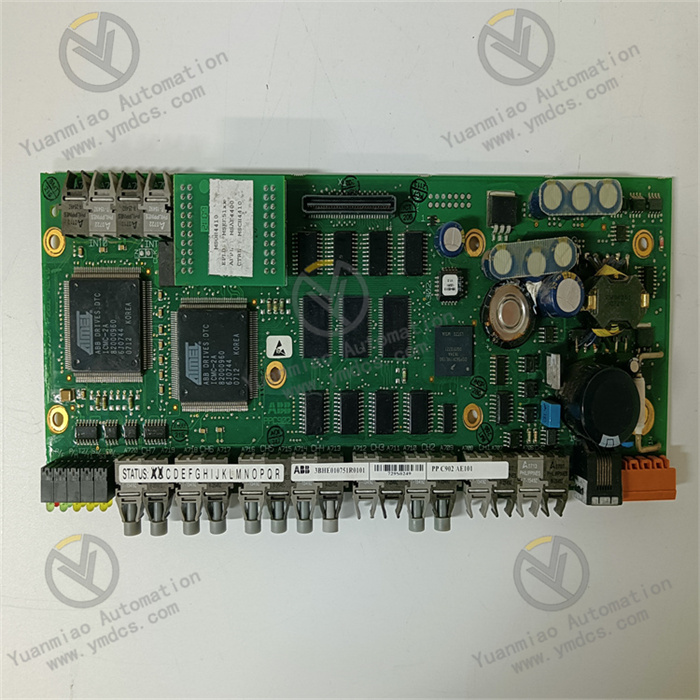
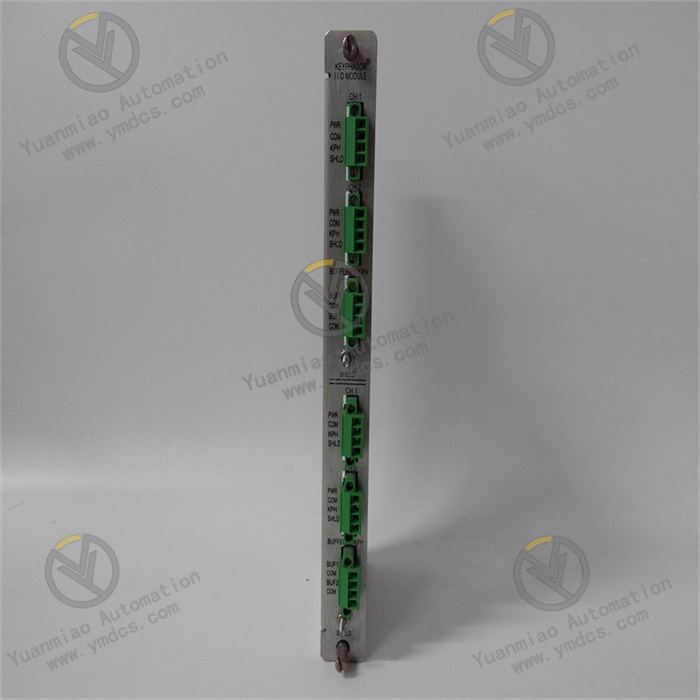
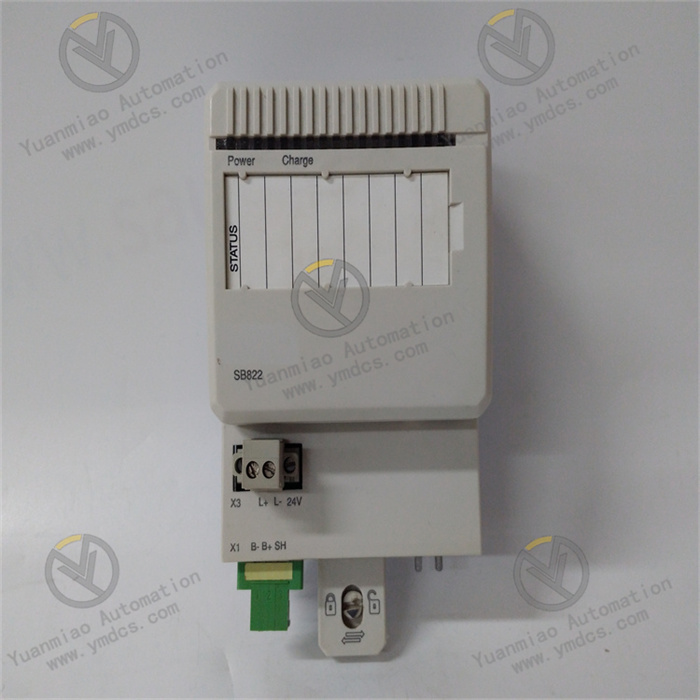
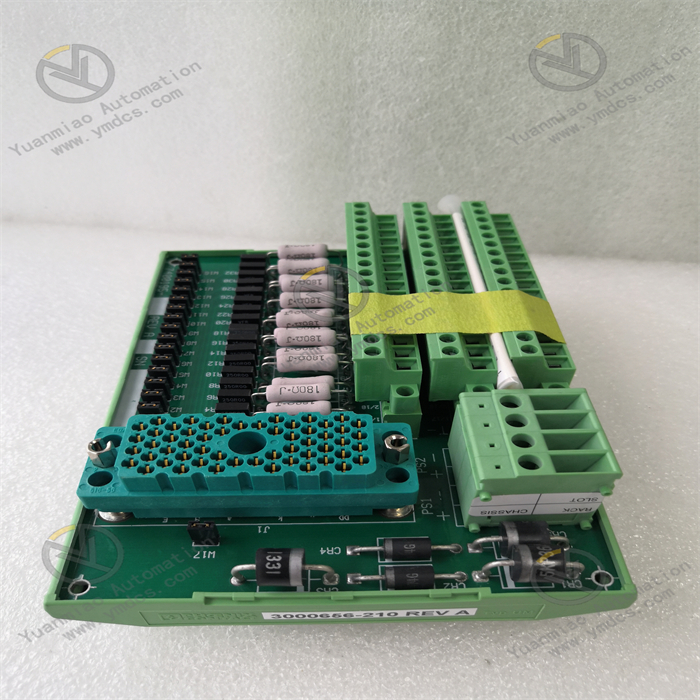
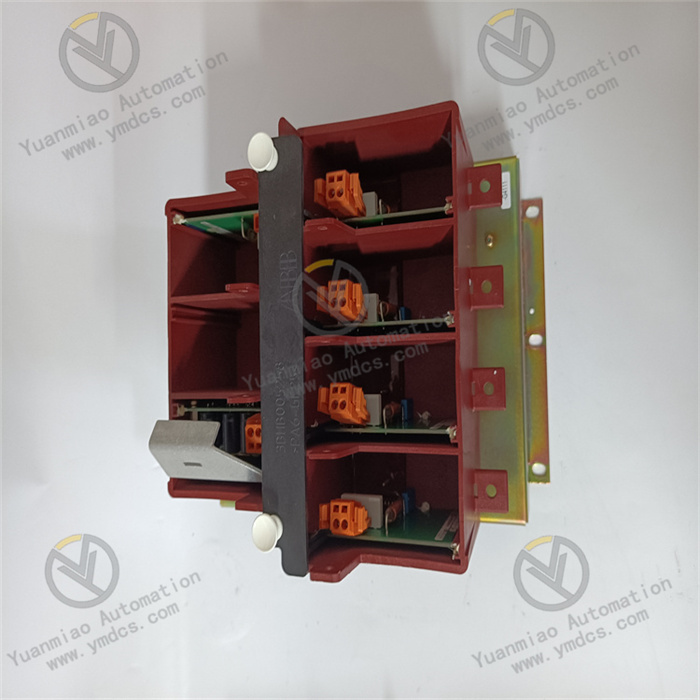
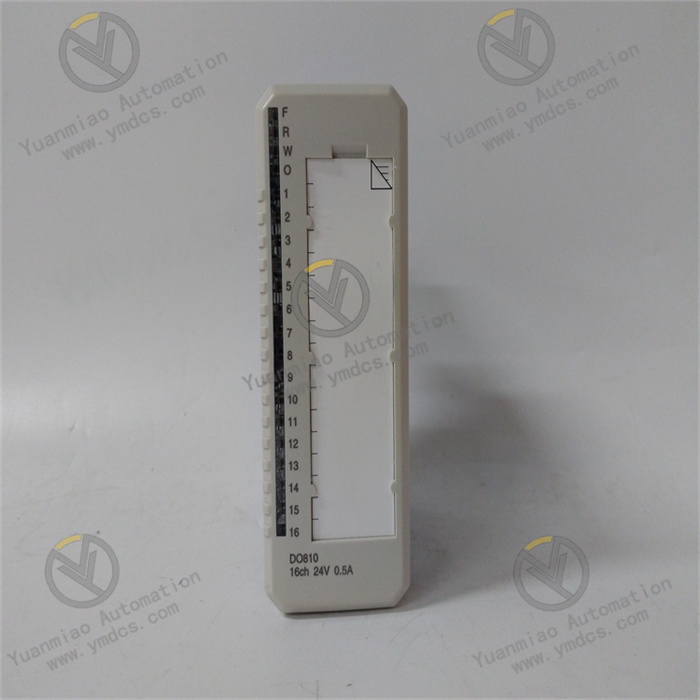
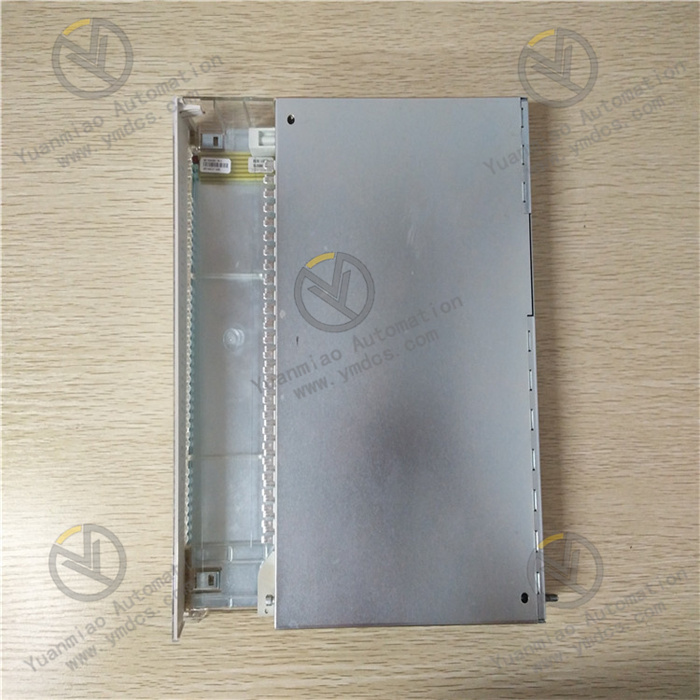
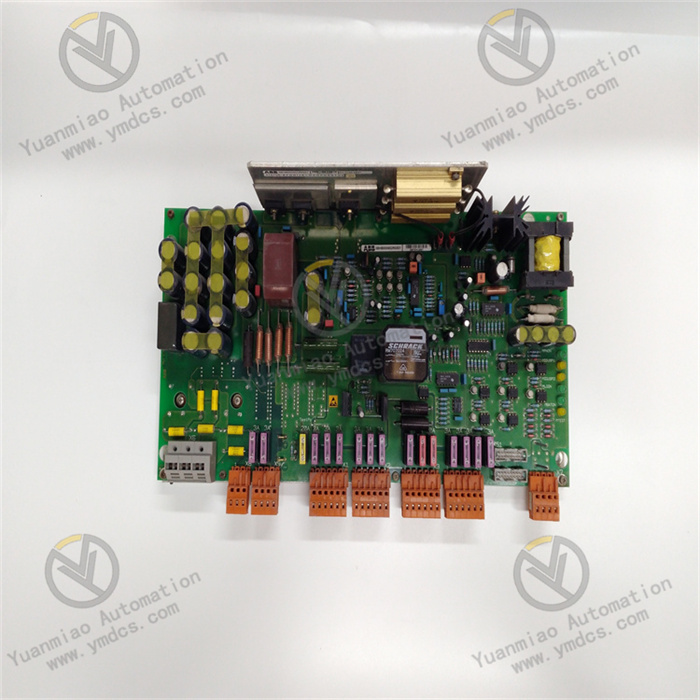
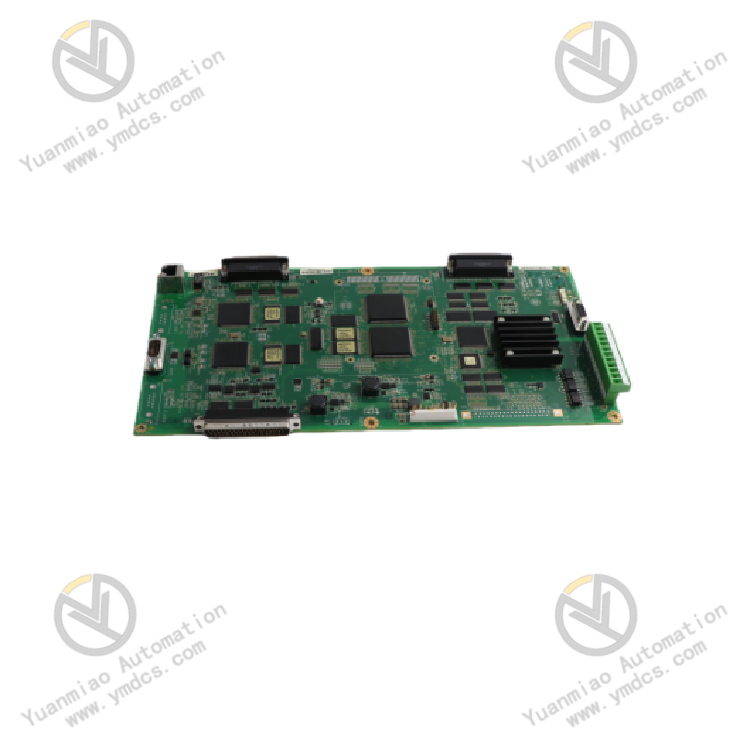
GE IS210MACCH2AEF is a dedicated multi-function control conversion module for the GE Speedtronic Mark VIe distributed control system, a core functional unit of the 210MAC series widely deployed in main control systems of gas turbines, steam turbines, combined cycle and combined heat and power (CHP) generating units.
Integrating signal conversion, data conditioning, bus communication, auxiliary control calculation and channel monitoring, this module serves as a key intermediate unit bridging Mark VIe main controllers with field I/O modules, actuators and sensing devices. It performs core tasks including matching and conversion of unit process signals, shaping and output of control commands, and relay interaction of system data, ensuring intact signal links, precise parameter matching and reliable command transmission within the control system.
Built on an industrial high-integration hardware architecture optimized for power turbine environments featuring heavy electromagnetic interference, long-cycle and non-stop operation, the IS210MACCH2AEF delivers high-precision signal conversion, robust electrical isolation, real-time hardware self-test and operating condition adaptability.
Different from pure computing master control modules, this unit focuses on signal adaptation and system link scheduling. It standardizes and adapts various types of process signals and control commands to resolve field issues such as signal mismatch, transmission interference and parameter drift.
Natively compatible with all Mark VIe racks, backplanes and configuration programs, it supports replacement and upgrade of both new and legacy systems with plug-and-play performance and superior compatibility. It is a universal core module for routine maintenance, fault replacement and hardware iteration of Mark VIe systems in power plants.
2.1 High-Precision Signal Conversion with Excellent Process Adaptability
Onboard high-precision signal conditioning and conversion circuits support standardized matching and conversion of all conventional process signals and control commands for turbine systems. Raw field signals are processed with noise reduction, waveform shaping, amplification and calibration to rectify signal drift, waveform distortion and numerical deviation.
Boasting superior conversion linearity, minimal error and fast response speed, it fully meets signal transmission requirements of gas and steam turbines under dynamic load variation and frequent operating condition fluctuations, guaranteeing consistent and accurate transmission of critical unit parameters including temperature, pressure, flow, valve position and rotational speed.
2.2 Multi-Layer Electrical Isolation with Outstanding Anti-Interference Performance
A triple protection architecture consisting of independent channel isolation, module bus isolation and power supply isolation is adopted, featuring high isolation voltage between channels and between the module and ground. It effectively suppresses adverse impacts from severe on-site electromagnetic interference, voltage surges, ground potential differences and signal crosstalk.
Optimized for harsh interference conditions in power plants such as frequency converter startup/shutdown and high-power auxiliary equipment operation with high-frequency electromagnetic radiation, it completely eliminates signal jitter, value drift, command distortion and channel anomalies, maintaining stable and reliable signal links under complex industrial electromagnetic environments.
2.3 Native Mark VIe System Compatibility with High Versatility & Interchangeability
It strictly complies with original GE Mark VIe hardware specifications and bus protocols. Mounting dimensions, backplane interfaces, communication logic and data interaction formats are fully matched with the entire Mark VIe control system architecture.
It can directly replace outdated, faulty, performance-degraded and end-of-life modules of the same series without revisions to system configurations, control logic, field wiring or program parameters. Secondary calibration and commissioning are unnecessary to enable rapid replacement and commissioning, significantly cutting costs for system maintenance and renovation upgrades.
2.4 Comprehensive Hardware Self-Test for Visible & Controllable Fault Management
Full-range power-on self-test and real-time runtime diagnosis are supported. Upon power-up, the module automatically verifies hardware circuits, signal channels, power supply status and bus communication links. During operation, it continuously monitors hidden risks including channel open circuits, signal anomalies, conversion failures, communication interruptions, power faults and hardware damage.
Faulty channels and error types can be pinpointed accurately, with fault logs automatically recorded and uploaded to the main control system for traceable root cause analysis. It shortens troubleshooting and downtime maintenance periods and improves overall operation & maintenance efficiency of the control system.
2.5 Industrial Rugged Construction for Long-Term Continuous Operation
Core components undergo wide-temperature screening and industrial aging testing. The printed circuit board is coated with three-proof conformal coating for dust, moisture, corrosion, oxidation, vibration and shock resistance.
Free of wearable mechanical moving parts, it features high integration, stable operation and ultra-low failure rate. It withstands temperature & humidity fluctuations in power plant control rooms, mechanical vibration and long-term electromagnetic radiation erosion, supporting 24/7 multi-year uninterrupted operation and fully meeting long-service-life and unattended operation demands of power generation equipment.
2.6 Lightweight Integrated Architecture Simplifying System Hardware Links
Multiple functions including signal conversion, conditioning & filtering, electrical isolation, bus data relay and channel monitoring are consolidated into one unit, eliminating the need for external signal converters, isolators and conditioning units and simplifying the hardware architecture and cabinet wiring layout of the control system.
Onboard dedicated high-speed bus interfaces enable seamless high-speed data exchange with Mark VIe master controllers and all types of I/O modules. It coordinates input signal adaptation and output command conversion to elevate system signal transmission efficiency and collaborative control stability.
3. Specification Parameters
3.1 Basic Model Information
- Part Number: IS210MACCH2AEF
- Manufacturer: GE General Electric
- Device Type: Multi-Function Control Conversion Module for Mark VIe System
- Product Line: Speedtronic Mark VIe Turbine Distributed Control System
- Core Functions: Industrial process signal conditioning, standardized conversion of multi-type signals, electrical isolation protection, bus data relay interaction, channel status monitoring, hardware fault self-diagnosis, shaping and output of control commands
- Applicable Equipment: Industrial gas turbines, steam turbines, gas-steam combined cycle units, CHP generator sets, auxiliary control systems of power plants
- Application Scenarios: Matching for new control systems, replacement of faulty modules on legacy units, Mark VIe system hardware upgrade, signal link optimization, maintenance and renovation of turbine control systems
3.2 Electrical & Signal Parameters
- Supply Voltage: Standard 24 VDC industrial power supply, compliant with Mark VIe rack power specifications and tolerant of voltage fluctuation
- Signal Processing Capacity: Multi-channel synchronous signal acquisition, conditioning and conversion, compatible with standard analog and discrete signals used in power plants
- Sampling Response Rate: Industrial high-speed sampling configurable via software to meet dynamic response demands of unit operating conditions
- Isolation Performance: High-grade channel and bus isolation to effectively suppress signal crosstalk and electromagnetic interference
- Signal Precision: High conversion accuracy, excellent linearity, low temperature drift and time drift with no parameter offset during long-term operation
- Electrical Protection: Built-in multi-layer protection against overvoltage, overcurrent, ESD, surge and short circuit to resist electrical surges
3.3 Communication & Operating Parameters
- Communication Bus: Natively supports dedicated high-speed Mark VIe system bus for high-speed data exchange between all rack modules
- Communication Protocol: Compatible with GE proprietary industrial control protocols to support system configuration recognition, data upload and remote diagnosis
- Operation Mode: 24/7 non-stop operation adapted to long-term steady-state and variable-load continuous working conditions of generating units
- Data Processing: Real-time signal parsing, data calibration and command shaping to guarantee consistency of uplink and downlink data
- System Coordination: Operates in tandem with master controllers, I/O modules and communication modules to support unit closed-loop control and interlock protection
3.4 Diagnosis & Protection Parameters
- Power-On Self-Test: Comprehensive verification of full-board hardware, signal channels, power supply circuits and bus communication
- Runtime Monitoring: Real-time detection of channel abnormalities, signal failure, conversion fault, communication interruption and power supply anomaly
- Fault Functions: Fault state locking, log storage, status traceability and system alarm upload to support targeted maintenance troubleshooting
- Fault Tolerance: Single-channel abnormality will not disrupt operation of the whole module, avoiding full signal link failure caused by single-point faults
- EMC Rating: Complies with industrial EMC anti-interference standards for power plants to resist intensive electromagnetic radiation and mechanical vibration interference
3.5 Environmental Operating Parameters
- Operating Temperature: -20 ℃ ~ +70 ℃, suitable for wide temperature fluctuation in power plant control rooms
- Storage Temperature: -40 ℃ ~ +85 ℃
- Operating Humidity: 5% ~ 95% RH (non-condensing), adapted to constant temperature & humidity enclosed cabinet environments
- Protection Process: Military-grade three-proof PCB coating with dust, moisture, corrosion, oxidation and mold resistance
- Environmental Adaptability: Tolerates unit operational vibration, electromagnetic interference, temperature & humidity fluctuation and long-term energized operation
- Reliability Grade: High industrial MTBF rating suitable for multi-year unattended continuous operation of power plants
3.6 Mechanical & Maintenance Parameters
- Mounting Method: Standard embedded rack installation compatible with dedicated backplane slots of Mark VIe system cabinets
- Structural Features: Highly integrated compact modular design with no moving mechanical parts, stable operation and low failure rate
- System Compatibility: Fully compatible with the complete architecture and configuration software of GE Speedtronic Mark VIe control system
- Maintenance Characteristics: No frequent routine calibration required; intuitive fault diagnosis for simple maintenance and low upkeep costs
After power-on, the GE IS210MACCH2AEF control conversion module initiates full-board hardware self-test, power supply circuit inspection, signal channel integrity verification and bus communication link initialization. Upon successful self-check, it enters normal standby mode and stands by in real time to process system signal interaction tasks.
During system operation, the module undertakes the core bidirectional signal matching and conversion function:
On the uplink, it receives raw process signals (temperature, pressure, flow, vibration, valve position, etc.) collected by field sensors and transmitters. The built-in isolation circuits, filter units and high-precision signal conditioning circuits perform noise reduction, voltage regulation, waveform shaping and calibration, converting non-standard, fluctuating and distorted raw signals into standardized signals accurately recognizable by Mark VIe master controllers. These signals are uploaded to the master unit via the high-speed bus for logic computation and closed-loop regulation.
On the downlink, it receives control commands issued by the master control system. After signal shaping, level matching and power matching conversion, standard control signals are output to drive on-site actuators.
The module monitors signal status, conversion precision and communication link conditions of all channels in real time throughout operation. Once channel open circuit, signal out-of-tolerance, conversion failure, communication anomaly, power fault or other risks are detected, it immediately locks the fault state, records fault codes and event logs, and uploads alerts to the master control system for accurate fault localization. It maintains stable signal links, precise data and controllable faults for the control system, delivering reliable signal adaptation support for safe and stable unit operation.
5.1 Core Signal Link Adaptation Unit for Mark VIe Systems
As the core signal relay and adaptation unit of Mark VIe control systems for gas and steam turbines, it resolves issues such as disordered field signals, parameter mismatch and transmission interference under complex operating conditions. It enables precise matching between field sensing signals and master controllers as well as effective coordination between control commands and actuators, ensuring reliable signal transmission throughout unit load regulation, startup/shutdown control, parameter monitoring and interlock protection.
5.2 System Supporting for Combined Cycle & CHP Units
Adapted to coordinated multi-equipment operation scenarios of gas-steam combined cycle and CHP plants, it coordinates conversion and adaptation of multi-channel signals from turbine systems, thermal systems and auxiliary systems. It eliminates mutual interference and inconsistent parameters caused by intertwined multi-equipment signals, guaranteeing accuracy and stability during unit load shifting, peak shaving, steady-state operation and fault protection to meet continuous, high-efficiency production demands of large power stations.
5.3 Signal Optimization & Renovation of Legacy Control Systems
For legacy Mark VIe systems suffering severe signal drift, heavy interference, high channel failure rate and inaccurate data, replacing outdated conversion modules improves system signal conversion precision and anti-interference performance and optimizes the overall signal transmission links. No cabinet, wiring or program modification is needed to realize low-cost system performance upgrade and enhance overall stability of the control system.
5.4 Universal Maintenance & Replacement Unit for Power Plant Industrial Control Systems
As a universal standard functional module for Mark VIe systems, it is widely used for daily fault maintenance, aging module replacement and spare part stockpiling in power plants. It meets routine operation & maintenance demands of all types of turbine control systems, rapidly repairing signal link faults and resolving system parameter anomalies and unstable communication to ensure long-term reliable operation of unit control systems.
![]()