Description
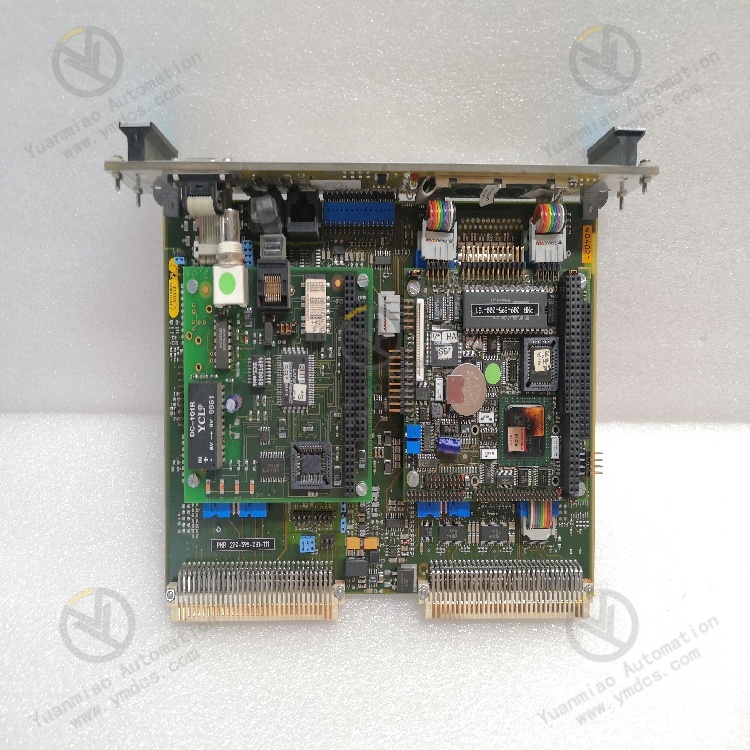
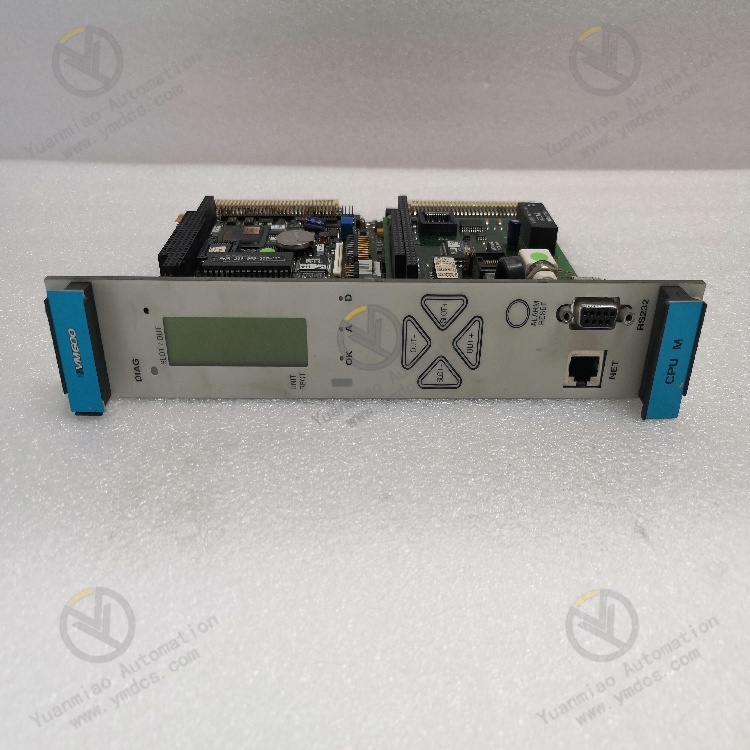
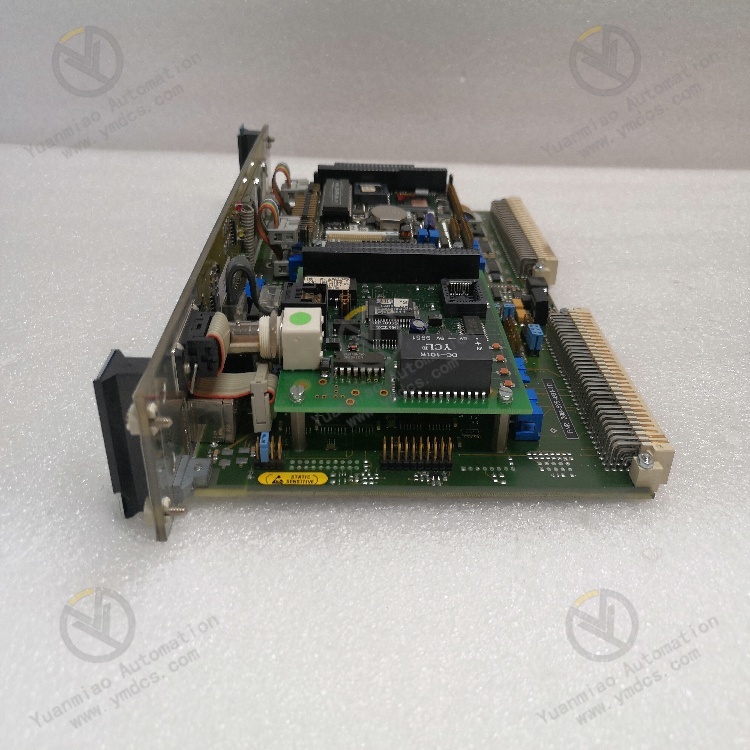
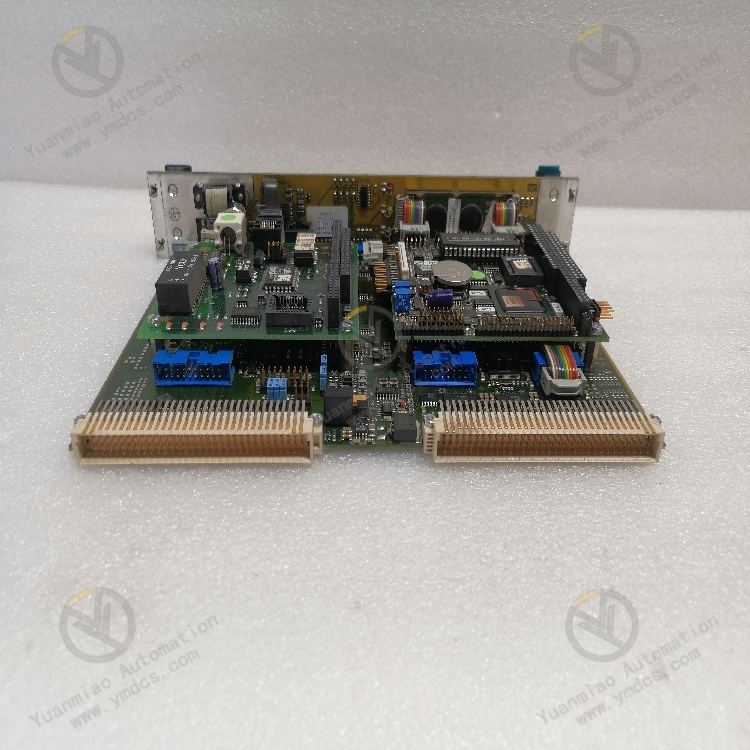
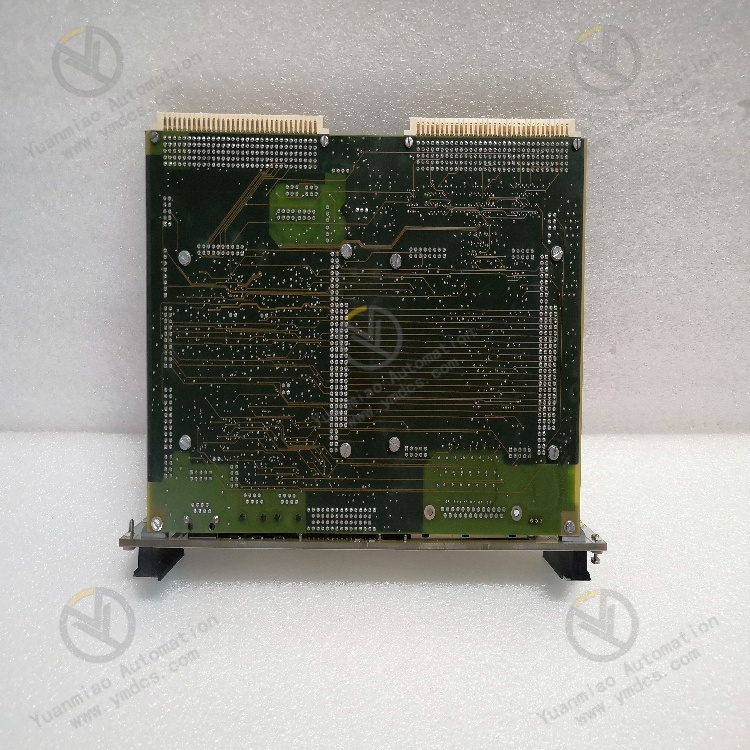
Vibro-meter 200-595-031-111 VM600 CPUM
1. Basic Information
Vibro-meter VM600 is a high-precision Machinery Protection System (MPS). It is specially designed for vibration monitoring and intelligent protection of large-scale critical rotating machinery. Adopting a modular structure, it supports flexible combination and expansion of various functional modules.
Model 200-595-031-111 stands for CPUM (CPU Module), the core control unit of the VM600 system. Serving as the core brain of the entire VM600 system, it undertakes core functions including data processing, communication management, system control and monitoring output. It works cooperatively with internal protection cards such as MPC4 and I/O cards such as IOCN to form a complete condition monitoring and protection system for rotating machinery, delivering comprehensive and reliable condition management services for core industrial equipment.
200-595-031-111 VM600 CPUM is a high-performance modular CPU board. Equipped with advanced processor architecture, it features high-speed data processing capability and sufficient storage space. It can efficiently process monitoring data collected by various sensors and subordinate modules, and supports multi-protocol communication to realize seamless integration with upper computer software and factory control systems.
2. Technical Specifications
2.1 General Core Specifications
- Power Supply: Rated input voltage 220V. It features stable power input design, provides auxiliary power supply for other system modules including MPC4, and is built-in with over-current and over-voltage protection to ensure steady power supply and normal system operation.
Environmental Adaptability: Operating temperature: -20°C ~ 60°C; Storage temperature: -40°C ~ 85°C. Operating humidity: 0~90% non-condensing; Storage humidity: 0~95% non-condensing. It meets industrial protection standards and adapts to complex industrial sites with high temperature, heavy dust and strong electromagnetic interference.
- Dimension & Weight: Compact structure with overall size approx. 15cm×10cm×5cm and weight approx. 0.6kg. It fits standard 19-inch rack structure of VM600 system. Modular installation enables easy assembly with MPC4, IOCN and other modules to save installation space.
Certification: Approved with CE and UL international certifications, compliant with industrial safety and EMC standards. It can be legally applied in various industrial scenarios worldwide to guarantee equipment safety and operational reliability.
2.2 Core Technical Parameters of CPUM
- Processor & Storage: Built-in high-performance CPU realizes real-time processing of vibration, rotating speed, phase and other monitoring data. Large-capacity storage supports long-term data recording, saving equipment operating parameters, alarm logs and monitoring trend data to support fault tracing and predictive maintenance.
Communication Interfaces & Protocols: Compatible with multiple communication modes including Modbus RTU/TCP, PROFINET and CAN bus. It realizes seamless data interaction with VibroSight, VM600 MPSx software as well as factory DCS, PLC and SCADA systems. Acting as a communication gateway, it uploads monitoring data and distributes control commands, and supports one-click module configuration.
- Data Processing Performance: Adopts independent real-time operating system to ensure high-efficiency data processing and instant response. It receives vibration signals including acceleration, velocity and displacement collected by subordinate protection cards such as MPC4, and executes advanced algorithms including digital filtering and order tracking to eliminate noise interference and improve data accuracy. It also integrates, analyzes and summarizes data to extract key equipment operating characteristic parameters.
Monitoring & Operation Functions: Integrated front panel display shows real-time key operating parameters such as bearing vibration amplitude (μm), vibration velocity (mm/s), shaft rotating speed (RPM), preset alarm thresholds conforming to ISO 10816 and current alarm status. Equipped with alarm reset (AR) button for manual alarm reset after fault elimination. Hot-swap support allows module maintenance and upgrade without interrupting monitoring work.
- Compatibility & Expandability: Exclusively developed for VM600 system, fully compatible with all internal protection cards and IOCN modular I/O cards. Module combinations can be flexibly configured according to actual monitoring demands. Configurable channels match different types of sensors such as IEPE accelerometers and eddy current displacement probes to meet diversified monitoring requirements.
Sampling & Frequency Range: Supports adjustable sampling rate for accurate capture of various vibration signals. Wide frequency coverage adapts to low-frequency, medium-frequency and high-frequency vibration monitoring, ensuring precise identification of equipment fault characteristic signals.
2.3 Exclusive Matching Specifications for 200-595-031-111
System Matching: Only applicable to Vibro-meter VM600 series machinery protection system, perfectly compatible with ABE04X series system racks. It can be directly installed inside racks without extra adaptation, and forms a complete monitoring and protection system together with other modules.
- Module Matching: Seamlessly connected with core VM600 modules including MPC4 machinery protection cards and IOCN I/O cards to realize fast data transmission and accurate command distribution for coordinated system operation. It supports parameter configuration and status monitoring of subordinate modules, and real-time diagnosis of subordinate module faults.
- Signal Matching: Compatible with signals from various vibration and speed sensors. It supports access and processing of physical quantities such as vibration displacement, velocity and acceleration, and flexibly configures signal parameters according to sensor types to ensure accurate and real-time monitoring data.
3. Working Principle
- Data Receiving Phase: The CPUM module connects with system protection cards such as MPC4 and I/O cards such as IOCN via internal interfaces. It collects original monitoring signals from accelerometers, velocity sensors, displacement sensors, speed sensors and other devices, as well as operating status data of subordinate modules, ensuring lossless real-time data transmission to CPUM for centralized processing.
- Data Processing & Analysis Phase: Relying on built-in high-performance processor and real-time operating system, CPUM processes original signals through digital filtering, integration, differentiation and order tracking to remove high-frequency noise and extract key parameters including vibration amplitude, phase, frequency and rotating speed. It compares processed data with user-defined alarm thresholds such as ISO 10816 standards in real time to judge equipment operating conditions and identify faults including rotor unbalance, shaft misalignment and bearing wear, meanwhile recording operating data and logs.
- Control & Output Phase: When monitored parameters exceed preset limits or module faults are detected, CPUM activates the alarm system immediately. It displays alarm prompts including red indicator lights on the front panel, and outputs alarm signals and control instructions via IOCN cards to drive external devices such as emergency trip units and audible & visual alarms to prevent fault escalation. Operators can reset alarms manually via the front panel reset button after troubleshooting to restore normal system operation.
- Communication & Interaction Phase: Via Modbus RTU/TCP, PROFINET and other protocols, CPUM transmits processed monitoring data, alarm information and equipment operating status to upper computer software including VibroSight, VM600 MPSx and factory DCS/PLC systems for remote monitoring, data analysis, trend analysis and fault diagnosis. Meanwhile, it receives configuration commands from upper systems to complete parameter setting and function debugging of itself and subordinate modules, realizing one-click module configuration and improving overall operation and maintenance efficiency.
4. Application Scenarios
4.1 Power Industry
4.2 Petrochemical Industry
4.3 Metallurgy & Mining Industry
4.4 General Machinery Manufacturing Industry
4.5 Other Core Industrial Fields