Description
1. Overview
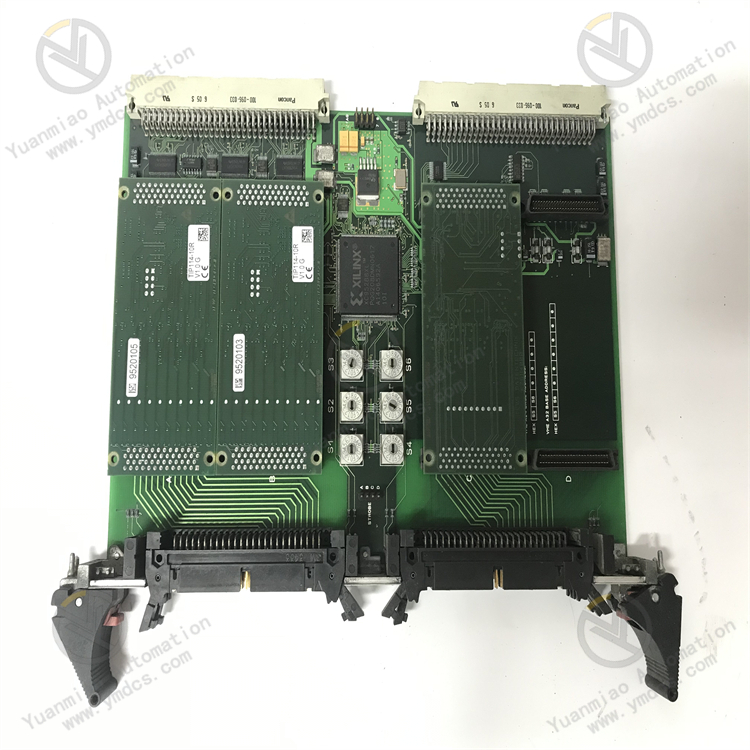
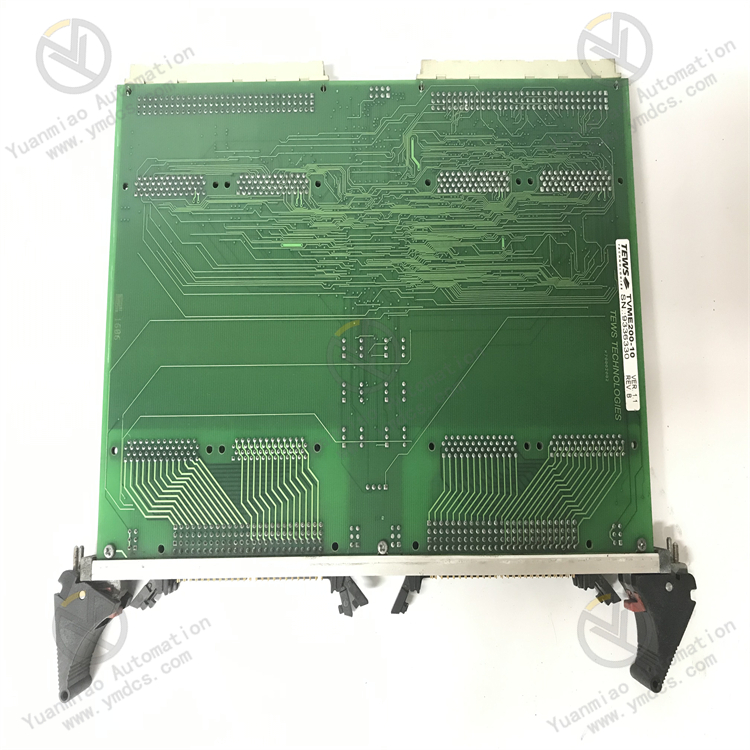
The TEWS TVME200-10 is a standard 6U VMEbus 4-slot Industry Pack (IP) carrier board developed by TEWS Technologies. As the core expansion substrate of industrial VME control systems, it is designed for legacy VME industrial computers, embedded measurement and control systems, industrial automatic test platforms, and aerospace measurement equipment. Serving as an expansion carrier for IP daughter cards, it supports functional expansions such as analog acquisition, digital I/O, serial communication and bus conversion, solving the pain points of insufficient scalability, low hardware integration and limited function expansion of traditional VME systems.
2. Technical Features
2.1 Standard 6U VME Architecture with Native Bus Compatibility
2.2 4-Slot IP Modular Expansion with Flexible Configuration
2.3 Independent Clock & Address Configuration for Precise Bus Scheduling
2.4 Intelligent Interrupt Routing for Efficient System Response
2.5 Multi-Level Hardware Protection for Operational Safety
2.6 Industrial Wide-Temperature Design for Harsh Condition Operation
2.7 Low-Cost Upgrading for Legacy System Expansion
3. Detailed Specifications
3.1 Basic Hardware Parameters
- Model: TVME200-10
- Manufacturer: TEWS Technologies (Germany)
- Type: 6U VMEbus Industry Pack (IP) Carrier Board
- Board Size: Standard 6U VME Industrial Board Dimension
- Expansion Slots: 4 Independent Standard IP Slots (4 Single / 2 Dual Mixed Installation)
- Mounting Method: Embedded Installation in Standard VME Chassis Backplane Slot
- Core Functions: IP Module Carrier Expansion, VME Bus Protocol Adaptation, Multi-Module Interrupt Routing, Address Space Mapping, Hardware Overload Protection, Industrial Signal Filtering
- Compatible Systems: Full-Series Standard 6U VMEbus Industrial Control Systems, Embedded Measurement & Control Platforms, Industrial Test Equipment
- Compatible Modules: Full-Series Standard Industry Pack (IP) Functional Daughter Cards
3.2 Bus & Communication Parameters
- Bus Standard: VMEbus ANSI/VITA 1-1994 Specification, VME Slave Interface
- I/O Address Space: VME A16, D08/16, Address Modifier 29/2D, 1KB Per IP (256 Bytes/IP)
- Memory Address Space: Switchable VME A24/A32, D08/16, Address Modifier 39/3A
- Slot Clock: Independently Selectable 8MHz / 32MHz Per Slot
- Addressing Mode: 16-Bit Linear Addressing with Independent Storage Mapping Per IP
- Interrupt Function: Programmable Interrupt Routing, Multi-Interrupt Priority Configuration, Directional Interrupt Forwarding
- External Interface: 50-Pin Flat Cable Connector, Integrates All IP I/O Lines and 14 User-Defined IP C4 Lines
3.3 Electrical Parameters
- Power Supply: Standard VME Backplane +5V / +12V DC Power Supply
- Power Protection: Independent Self-Healing Fuse Overload & Short-Circuit Protection Per IP Slot
- Anti-Interference Design: Built-In RF Filter Circuit & Power Ripple Suppression Circuit
- Electrical Isolation: Isolation Between Bus Port and IP Expansion Ports to Prevent Signal Crosstalk
- Operating Characteristics: Low-Power Stable Operation, No Overheating or Bus Stuttering Under Full Load
3.4 Environmental & Mechanical Parameters
- Operating Temperature: -40℃~+85℃, Ultra-Wide Temperature Continuous Operation
- Storage & Transit Temperature: -45℃~+90℃, Qualified for Long-Distance Transportation & Storage
- Operating Humidity: 5%~95% RH (Non-Condensing), Moisture & Corrosion Resistant
- Mechanical Performance: Reinforced 6U Board Structure, Vibration-Proof & Anti-Loose
- Protection Grade: IP30, Dust & Foreign Object Intrusion Resistant
- EMC Performance: Industrial EMC Certified, Anti-RF, Anti-Harmonic, Anti-Static & Anti-Surge
3.5 Configuration & Maintenance Parameters
- Configuration Mode: Onboard DIP Switch for Address Space, Clock Frequency and Interrupt Mode Setting
- Status Monitoring: Bus Link Status, Slot Power Status, IP Module Presence Detection
- Fault Tolerance: Single-Slot Module Fault Isolated Independently, No Impact on Other Slots and Bus Operation
- Maintenance Features: IP Module Plug-And-Play Replacement Under Power-Off Condition, Long-Term Maintenance-Free Stable Operation
4. Operating Principle
After power-on, the TEWS TVME200-10 carrier board automatically completes VME bus initialization, port self-test, clock configuration and address space loading, and enters IP carrier working mode after verification. As the core transfer carrier between the VME main control CPU and IP functional daughter cards, it builds a data interaction channel between the VME bus and each IP expansion module, realizing bus protocol parsing, address mapping, clock allocation and interrupt scheduling.
During operation, the carrier board independently allocates 8MHz/32MHz working clock and exclusive addressing space for each IP slot according to preset DIP switch configurations. It real-timely collects measurement and control data, status signals and fault information of each IP module, filters, verifies and sorts the data, and uploads it to the VME main control system. Meanwhile, it accurately forwards control commands, parameter configurations and scheduling instructions issued by the main control CPU to drive each IP module to complete data acquisition, signal output and bus communication functions.