Description
1. Product Overview
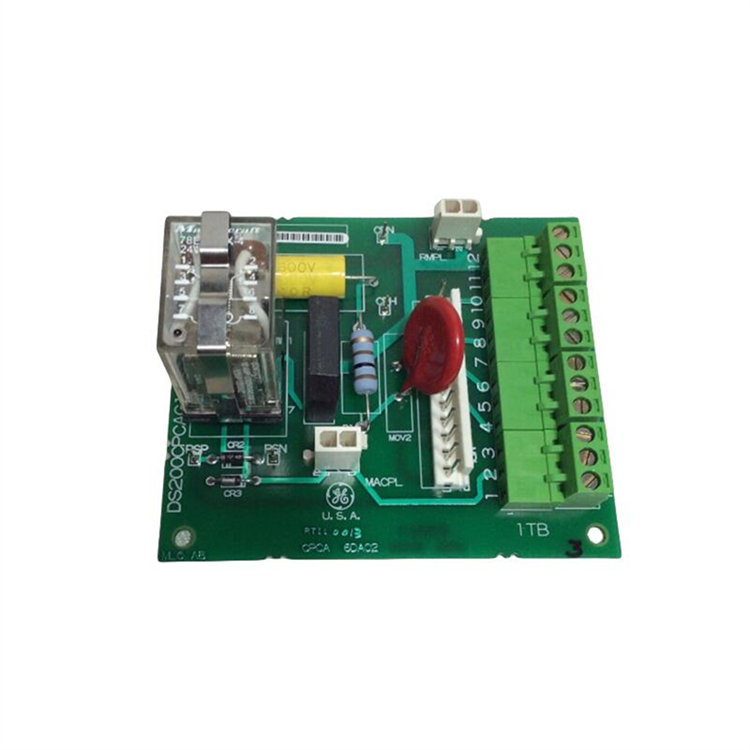
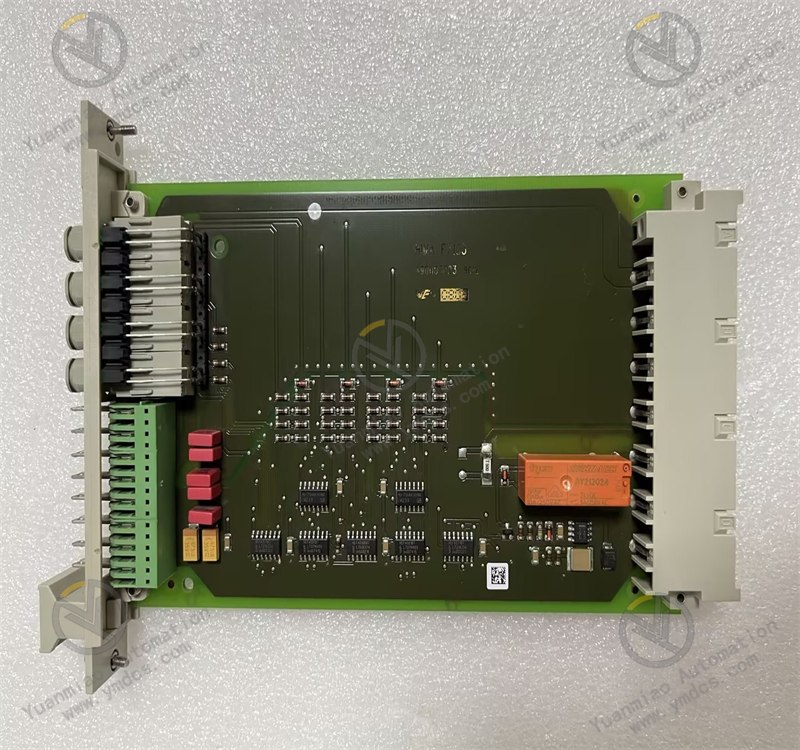
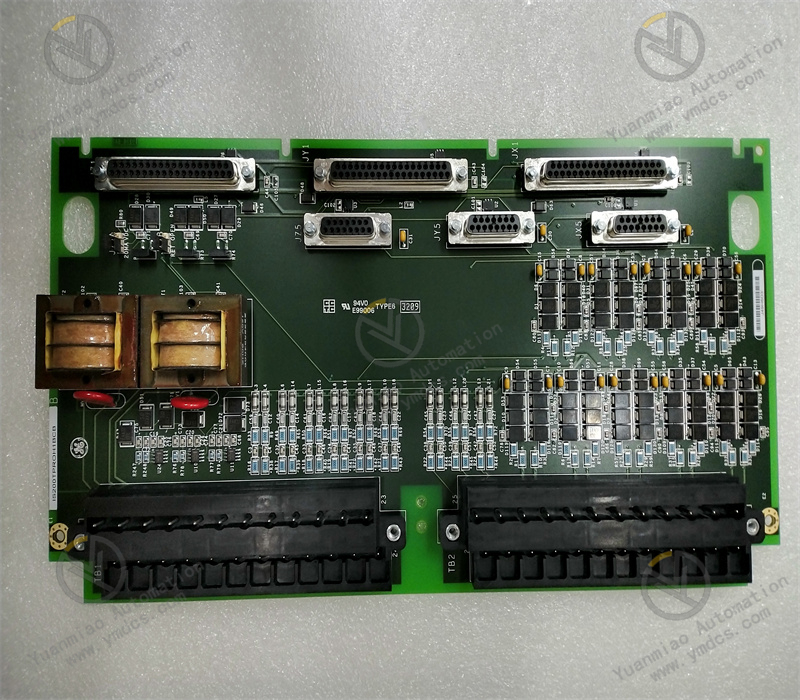
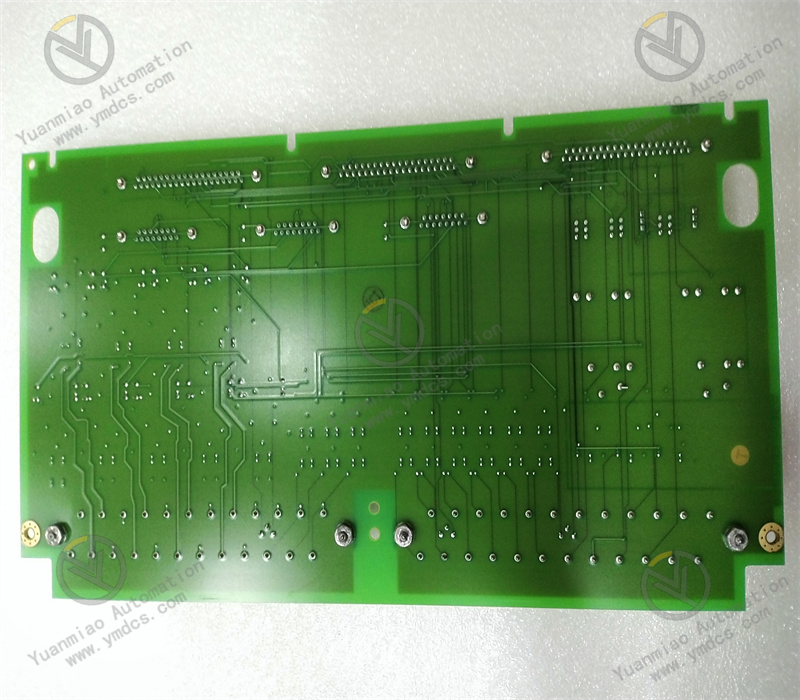
IS200TPROH1C is a dedicated turbine‑protection relay‑output terminal board for GE (General Electric, USA) Speedtronic Mark VI / VIe series. It functions as a core execution module within the safety‑protection system of gas‑turbine and steam‑turbine generator units, developed for emergency trip, safety interlock and redundant‑protection output applications.
As the terminal execution unit of the turbine safety‑protection system, this board receives fault‑protection, emergency‑shutdown and interlock‑trip commands issued by the main‑control system. It outputs hard‑contact protection signals through independent relay loops to directly drive critical actuators such as unit trip circuits, safety solenoid valves and interlock switches. It is the essential hardware that provides final‑fail‑safe protection, emergency safe shutdown and prevention of major equipment accidents for turbine units. Constructed with industrial‑grade high‑reliability SPDT electromechanical relays, full‑channel electrical isolation and physically‑separated redundant‑loop design, the board is fitted with EMI filtering and surge‑suppression circuits. Its key advantages include ultra‑fast protection response, high‑capacity contacts, powerful fault‑tolerant redundancy, reliable actuation and excellent anti‑interference performance. Natively compatible with the full GE Mark VI / VIe turbine‑control‑system family, it is precisely engineered for the TMR (Triple Modular Redundancy) architecture and also supports simplex operation mode. Manufactured with industrial conformal coating and reinforced PCB technology, it can withstand harsh power‑plant conditions including high temperature, intensive electromagnetic interference, high‑frequency mechanical vibration and 24‑hour non‑stop heavy‑duty operation. Featuring plug‑and‑play installation and excellent interchangeability, it is widely deployed in safety‑protection control systems of thermal‑power plants, gas‑turbine stations and combined‑cycle power plants.
2. Core Functions
Triple‑redundant independent protection‑relay outputThe board is equipped with 3 fully‑independent SPDT (Single‑Pole Double‑Throw) electromechanical relay output channels, corresponding respectively to the R / S / T redundant controller channels of the TMR system. The three loops are physically isolated from one another and deliver synchronous redundant hard‑contact protection signals. A 2‑out‑of‑3 fault‑tolerant voting scheme is implemented for protection‑logic output, which fundamentally eliminates protection failure or spurious tripping caused by single‑point‑of‑loop faults and establishes a solid final‑safety barrier for the generating unit.
Execution of unit emergency trip and safety interlockServing as the core terminal actuator for unit protection, it undertakes critical actions including turbine emergency shutdown, fault trip, interlock shutdown and trip‑circuit drive. It responds accurately to protection commands from the main‑control system and instantly outputs reliable switch‑contact signals to directly control fuel‑valve cut‑off, air‑intake system shutdown, lube‑oil‑pump interlock and emergency‑trip solenoid‑valve actuation. It rapidly interrupts unit operation and prevents fault escalation and equipment damage.
High‑capacity contact load‑driving capabilityIndustrial‑grade high‑reliability electromechanical relay contacts are adopted. Each single channel supports high‑capacity load driving rated at 250 VAC / 30 VDC. It can directly connect to typical high‑voltage and low‑voltage protection loops in power plants without intermediate relay adapters, simplifying field‑wiring layouts, reducing potential intermediate‑point failures and improving the overall reliability of protection circuits.
Full‑scope electrical isolation and anti‑interference protectionFull‑channel independent electrical‑isolation design is combined with on‑board EMI/RFI high‑frequency filtering and TVS surge‑suppression architecture. It effectively isolates field electromagnetic noise, voltage transients, ground‑potential differences and induced‑line interference, preventing unintended relay pickup, spurious protection trips and signal distortion triggered by strong industrial interference and enabling stable operation under severe electromagnetic conditions inside power stations.
Real‑time loop monitoring and fault self‑diagnosisA dedicated loop‑condition‑monitoring unit continuously inspects relay operating status, channel continuity, contact anomalies, open‑circuit faults and load failures. Problems such as single‑channel outage, contact welding and wiring faults can be accurately located. Fault codes and operational status are uploaded to the upper monitoring system in real‑time, drastically shortening troubleshooting cycles and improving maintenance efficiency of the unit safety‑protection system.
- Industrial‑reinforced long‑term fault‑tolerant operationLong‑life industrial electromechanical relays, reinforced PCB structures and conformal‑coating technology deliver dust‑proof, moisture‑proof, vibration‑resistant, anti‑ageing and corrosion‑resistant performance. The relays provide precise contact actuation with long mechanical service life, ultra‑low temperature drift and zero performance degradation during prolonged heavy‑load operation. Natively designed for year‑round 7×24‑hour continuous operation, it leverages the TMR redundant architecture to permit continued protection‑system functionality even with one faulty channel, achieving outstanding maintenance‑free reliability.
3. Technical Specifications
| Parameter Item | Technical Specification |
|---|---|
| Model No. | IS200TPROH1C |
| Brand | GE (General Electric, USA) |
| Product Series | GE Speedtronic Mark VI / VIe Turbine‑Control System |
| Product Type | Turbine‑protection relay‑output terminal board, unit emergency‑trip execution board |
| Channel Configuration | 3 independent SPDT electromechanical relay‑output channels (compatible with TMR triple‑redundant channels) |
| Relay Type | High‑reliability SPDT (Form‑C) electromechanical relay |
| Contact Rated Load | 250 VAC / 30 VDC, high‑capacity industrial contact drive |
| Core Functions | Unit emergency‑trip output, safety‑interlock drive, TMR redundant‑protection execution, loop‑status monitoring, fault diagnosis |
| Electrical Characteristics | Full‑channel electrical isolation, high‑frequency filtering, surge suppression, electromagnetic‑interference resistance |
| Supported Architectures | TMR (Triple Modular Redundancy, primary), Simplex |
| Response Characteristic | Microsecond‑level protection response, zero‑delay relay actuation output |
| Operating Supply Voltage | 24 VDC, standard system power supply |
| Operating Temperature | -40 ℃ ~ +70 ℃, wide industrial operating temperature range |
| Storage Temperature | -55 ℃ ~ +85 ℃, wide storage‑temperature range |
| Ambient Conditions | 0%‑95% non‑condensing humidity, vibration‑resistant, dust‑resistant, corrosion‑resistant |
| Protection Process | Industrial conformal coating, reinforced PCB, full‑loop shielding, long‑term anti‑ageing performance |
| Key Features | Triple‑redundant independent output, high‑capacity contact drive, ultra‑fast protection response, high fault tolerance & anti‑interference capability, long‑term maintenance‑free stability |
4. Working Principle
The IS200TPROH1C turbine‑protection relay terminal board implements a safety‑execution workflow: redundant‑command reception → isolation, filtering & signal conditioning → three‑channel logic comparison → relay‑actuation output → status self‑check feedback → closed‑loop fault‑tolerant protection.
Three sets of protection commands originating from the R / S / T controllers of the TMR triple‑redundant control system are transmitted independently to the three isolated channels on the board. After electromagnetic filtering, surge suppression and signal conditioning, interference‑induced signal anomalies are eliminated to guarantee valid and accurate protection commands.
Using native TMR protection logic, the board performs real‑time comparison of the three‑channel commands and executes a 2‑out‑of‑3 fault‑tolerant voting algorithm to avoid spurious tripping or failure‑to‑trip caused by single‑command anomalies or single‑channel faults. Once a valid protection command is confirmed, the corresponding SPDT electromechanical relay is energized instantly, outputting hard‑contact switch signals to trigger safety actions including emergency unit trip, fuel cut‑off and interlock shutdown for rapid fault mitigation. Meanwhile, the board continuously monitors relay‑contact status, loop continuity and load conditions for every channel, uploading operational data and fault information to the host system. If one channel fails, the faulty path is automatically isolated while the remaining healthy channels sustain full protection functionality. This ensures comprehensive, fail‑safe and highly‑reliable operation of the turbine‑protection system.
5. System‑Architecture Compatibility
This original‑GE turbine‑protection relay‑output board for Mark VI / VIe control systems features hardware dimensions, channel definitions, relay‑output logic, bus‑communication protocols and electrical parameters fully natively compatible with GE Speedtronic Mark VI / VIe gas‑ and steam‑turbine control systems. It can operate seamlessly together with EX2100/EX2100E generator excitation‑control systems, provides deep support for the TMR triple‑redundant safety architecture and also runs under simplex mode. No hardware modification, program configuration, signal conversion or parameter calibration is required. Plug‑and‑play replacement is available for aged, defective or worn‑out boards of the same model, making it suitable for power‑plant protection‑system maintenance, redundancy‑architecture optimization, emergency‑trip‑loop retrofits and protection‑accuracy upgrade projects.
It directly interfaces with field equipment such as emergency‑trip solenoid valves, fuel‑cut‑off circuits, auxiliary‑equipment interlock loops and trip‑signal acquisition devices, and is fully compatible with the complete control‑logic chain for safety protection, emergency shutdown and fault interlock, without modifying existing main‑control programs, protection setpoints, interlock‑logic rules or wiring specifications. Its standardized industrial hardware footprint fits conventional power‑plant control‑cabinet layouts. It can be rapidly integrated into new‑build control‑system projects and safety‑system retrofits for legacy turbine‑generator units, delivering excellent adaptability, interchangeability and functional scalability.
6. Application Scenarios
Benefiting from triple‑redundant fault‑tolerant output, high‑capacity contact driving, ultra‑fast protection response, strong anti‑interference capability and long‑term stable operation, this board is designed for high‑safety‑grade, non‑stop operation of turbine‑generator units in harsh industrial environments characterized by wide temperature swings, intensive electromagnetic interference, high‑frequency mechanical vibration and frequent‑load fluctuations. It is widely deployed in GE Mark VI / VIe turbine‑control systems and core safety‑protection systems for large‑scale thermal‑power plants, gas‑turbine power stations and combined‑cycle power plants.
It undertakes critical safety‑execution functions such as fault‑triggered emergency turbine trip, emergency shutdown under abnormal operating‑conditions, fuel‑system interlock cut‑off, auxiliary‑equipment safety interlock and trip‑circuit drive. As the final‑stage actuator within the unit safety‑protection system, it fulfils the vital fail‑safe role during fault events. Common‑use cases include routine power‑plant maintenance, safety‑system upgrades for legacy units, redundant‑protection‑architecture retrofits, trip‑loop‑reliability optimization and faulty‑board replacement. It resolves well‑known drawbacks of traditional protection‑execution loops such as poor fault tolerance, insufficient contact ratings, susceptibility to spurious‑trips or failure‑to‑trip events and weak noise immunity. It significantly improves execution precision, fault‑tolerance capacity and operational reliability of the turbine safety‑protection system, and guarantees long‑term safe, stable and efficient grid‑connected power generation of generator units at the hardware level.