Description
1. Product Overview
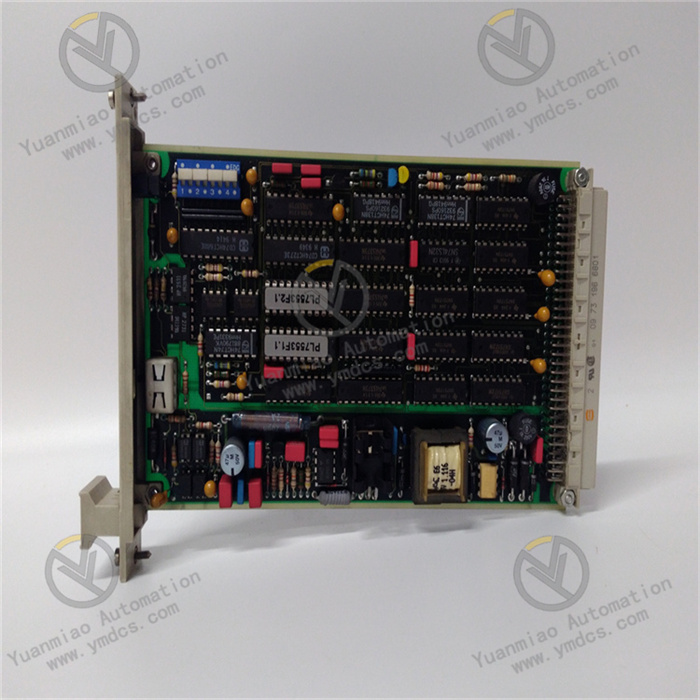
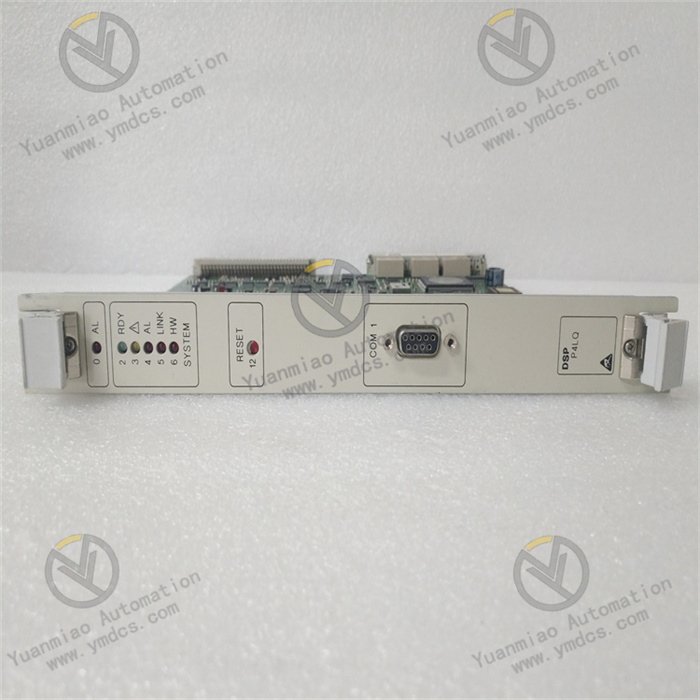
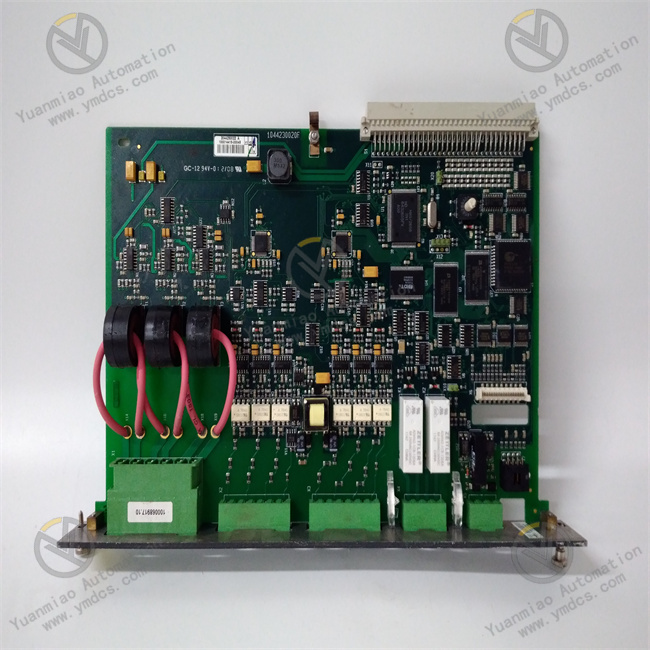
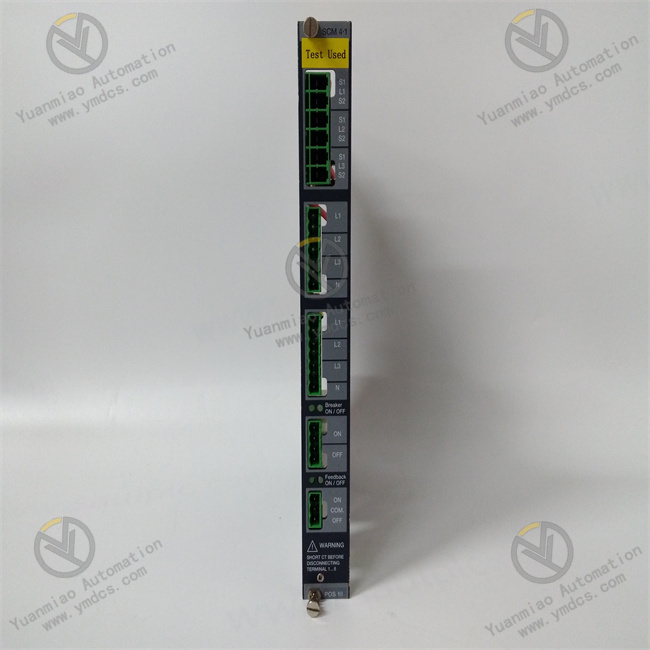
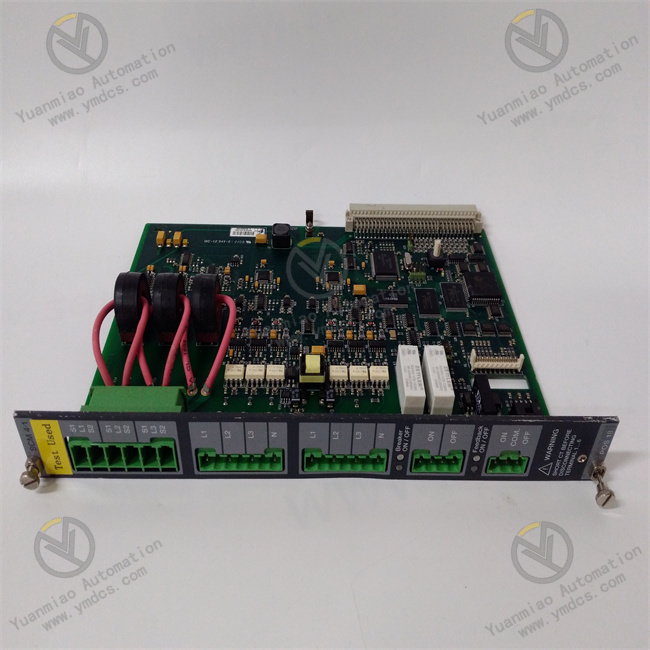
The DEIF SCM4.1 is an industrial‑grade intelligent start‑up sequence control module originally manufactured by DEIF, Denmark. It is specially designed for automatic start‑stop logic management of diesel and gas generator‑sets, serving as a core supporting unit for sequence control, equipment protection and condition monitoring of the generator‑set starting system.
Integrated with full‑automatic start‑up sequence management functions including pre‑lubrication, pre‑heating, engine cranking, cranking cut‑off and shutdown sequence control, this module can precisely manage the complete start‑stop process of the unit and replace complicated traditional relay‑based sequence control circuits. Built‑in logic judgement for key operating conditions such as speed monitoring, oil pressure and temperature enables effective protection of the starter motor and engine body, and prevents damages caused by frequent false starts, dragging cranking and hot‑loading start‑ups.
Adopting a highly‑integrated modular design with outstanding environmental adaptability and anti‑interference performance, the module supports 24/7 non‑stop stable operation. It is widely applied to industrial standby generator‑sets, offshore platform units, unattended power stations in oil‑gas fields, marine power units and self‑contained power supply systems for industrial and mining enterprises. It acts as a standardized preferred device for automation upgrade of generator‑sets, renovation of old start‑up control loops and simplification of secondary wiring inside control cabinets.
2. Core Technical Parameters
2.1 Basic Specifications
- Product Model: SCM4.1
- Product Series: DEIF Generator‑set Start‑up Control Module Series
- Product Type: Automatic engine start‑stop sequence control and protection module
- Core Functions: Unit pre‑lubrication, pre‑heating, automatic start‑stop sequence management, start‑failure protection, speed monitoring, starter overload protection
- Applicable Equipment: Diesel generator‑sets, gas generator‑sets, industrial standby power units
- Ordering Codes: 2044230022A / 2044230020D (standard models)
- Mounting Method: Standard cabinet wall‑mount / DIN‑rail mounting, compatible with standardized layout of generator‑set control panels
- Structural Feature: Compact integrated modular structure; no complicated external relay circuits required, greatly simplifying cabinet wiring
2.2 Electrical and Control Parameters
- Rated Supply Voltage: DC 24 V industrial power supply, compatible with generator‑set battery power supply system
- Rated Operating Current: 2 A rated load current, meeting driving requirements of the starting circuit
- Speed Monitoring Range: Suitable for speed sampling of conventional generator‑sets; accurately judge unit cranking, rated speed and shutdown status
- Sequence Logic: Programmable delays for pre‑lubrication, pre‑heating, cranking duration, retry interval and shutdown delay
- Start‑up Protection Logic: Protection functions against start‑up timeout, repeated start‑up failures, abnormal speed and dragging cranking
- Output Drive: Built‑in power drive circuit, capable of directly controlling starter motor, pre‑heating device and lubrication device
2.3 Interface and Status Parameters
- Signal Inputs: Multi‑channel programmable digital inputs for connection of oil pressure, water temperature, speed and external start‑stop command signals
- Control Outputs: Multi‑channel sequence‑logic outputs to control pre‑lubrication, pre‑heating, start‑up, shutdown and fault alarm circuits respectively
- Status Indication: On‑board high‑brightness LED indicators showing power supply, standby, start‑up‑running and fault‑alarm status intuitively
- Logic Configuration: On‑site customizable parameter setting to adapt to start‑stop sequence requirements of generator‑sets with different power ratings and brands
- Fault Memory: Latched fault status recording function, facilitating fault tracing and maintenance troubleshooting
2.4 Environmental and Protection Parameters
- Operating Temperature: ‑20 ℃ ~ +60 ℃, wide industrial temperature range, suitable for high‑temperature machine rooms, low‑temperature outdoor sites and enclosed panel conditions
- Storage Temperature: ‑40 ℃ ~ +85 ℃, satisfying requirements for long‑distance transportation and long‑term idle storage
- Operating Humidity: 5%‑95%RH, non‑condensing, resistant to humid, dusty and oily industrial‑site environments
- Protection Class: IP67 high‑level protection, dust‑proof, water‑proof and oil‑proof, suitable for harsh cabin conditions of generator‑sets
- Anti‑interference Performance: Compliant with industrial EMC standards, resisting electromagnetic interference from unit frequency converters and high‑power equipment
- Mechanical Characteristics: Reinforced industrial housing with vibration‑resistance and shock‑resistance, adapted to high‑frequency vibration operating environments of generator‑sets
3. Product Functions and Core Advantages
3.1 Core Product Functions
Full‑automatic intelligent start‑stop sequence controlIt integrates a complete start‑stop logic chain for the generator‑set, automatically performing the whole sequence workflow: pre‑lubrication, pre‑heating boost, motor cranking, speed judgement, cranking de‑energization and shutdown delay. No manual step‑by‑step intervention is required to realize one‑click automatic start‑stop of the unit, supporting unattended power‑station operation modes.
Multi‑level start‑up protection and anti‑damage controlAbnormal operating conditions such as start‑up timeout, failed start‑ups, failure of speed rise and dragging cranking can be accurately identified. The starting circuit will be cut‑off automatically and the fault latched to prevent long‑time idling of the starter motor, mechanical burnout and battery power loss caused by repeated cranking, thus fully protecting the engine and starting‑system equipment.
Condition‑linked interlock protectionKey parameters including engine oil pressure, water temperature and rotating speed are collected in real‑time to establish start‑stop interlock logic. Forced cranking under low‑temperature, low‑pressure or fault conditions is prohibited, effectively avoiding wear and equipment damage caused by starting the unit with hidden faults and extending the service life of the engine.
Customizable sequence‑parameter adaptationField adjustment of parameters such as pre‑lubrication duration, pre‑heating time, cranking attempt times, start‑up timeout threshold and shutdown delay is supported, meeting start‑stop process requirements of small‑power emergency units and large‑power industrial prime units.
Fault latching and condition diagnosisUpon abnormal operation, fault status will be latched and alarm output triggered, retaining fault‑condition records. Maintenance personnel can rapidly locate problems such as failed start‑ups, circuit anomalies and signal faults, greatly improving troubleshooting efficiency.
Simplified secondary control circuitAll start‑stop sequence logic is integrated into one single module, which can completely replace the traditional combined circuit of multiple intermediate relays and time relays. Secondary wiring inside the control cabinet is significantly simplified, circuit fault points are reduced and control‑system stability is enhanced.
3.2 Core Product Advantages
Highly‑integrated all‑in‑one design with excellent system stabilityThe complicated discrete relay‑based control loop is eliminated, and mature sequence logic is solidified in one integrated unit. Common faults including relay contact oxidation, adhesion and sequence disorder are avoided, delivering highly accurate and consistent start‑stop actions.
Comprehensive equipment protection to reduce unit wear‑and‑tearScientific start‑stop sequences together with multi‑level anomaly protection effectively reduce mechanical impact on the engine, wear of the starter motor and frequent high‑current discharge loss of the battery, remarkably cutting down maintenance costs and failure rates of the generator‑set.
Wide‑condition adaptability for reliable operation under harsh environmentsThe IP67 high‑grade protection, wide‑temperature‑range operation, vibration‑resistant and anti‑interference design enables reliable performance under severe industrial scenarios such as high‑temperature oily cabins, humid low‑temperature outdoor locations and strong electromagnetic interference, suitable for both land and marine applications.
High universality and convenient renovation adaptationCompatible with most diesel and gas generator‑sets on the market with wide adjustable‑parameter range, it works well for both new and old units. Renovation of legacy relay‑based control loops can be completed without modifying main‑control logic, featuring fast replacement implementation and low reconstruction cost.
Low‑maintenance & maintenance‑free designWithout moving mechanical parts or contact‑wear components, the hardware is highly durable. Long‑term operation requires no calibration or commissioning; only routine inspection is needed for continuous stable performance, greatly reducing maintenance workload of power stations.
Standardized industrial‑compliant qualityOriginal industrial‑grade quality from DEIF, complying with control standards for power, marine and oil‑gas industries and meeting acceptance specifications of various industrial projects. Its reliability has been verified by numerous generator‑set projects worldwide.
4. Typical Application Scenarios
‑ Industrial & mining self‑contained power stations: Automatic start‑stop control and starting‑system protection for factory standby generator‑sets and self‑supply power‑station units
‑ Oil‑gas and chemical industries: Start‑stop sequence management and fault protection for unattended field power stations in oil fields, gas fields and refining installations
‑ Marine & offshore industries: Automatic start‑stop and harsh‑condition‑resistant control for main‑/auxiliary generator‑sets on vessels and power units on offshore platforms
‑ Emergency backup power supply: Intelligent start‑stop control for municipal emergency power stations, data‑center standby units and generator‑sets supporting UPS systems
‑ New‑energy supporting power stations: Automatic start‑stop and grid‑connection auxiliary control of backup diesel / gas generator‑sets for wind‑solar‑storage projects
‑ Legacy‑system renovation projects: Upgrade of traditional relay‑based start‑stop loops, automation‑control optimization of generator‑sets and replacement of frequently‑faulted circuits
5. Installation, Commissioning and Maintenance Guidelines
Disconnect the generator‑set control power supply and battery power before installation. Securely mount the module by DIN‑rail or wall‑mounting to guarantee firm fixation, free of loosening or displacement caused by long‑term unit vibration and ensure reliable wiring connections.
Distinguish terminals for power‑supply input, signal inputs and control outputs strictly according to original drawings and implement standardized wiring. Separate routing for strong‑current and weak‑current cables shall be adopted to avoid logic anomalies caused by circuit crosstalk, short‑circuits or loose connections.
Connect to a stable DC 24 V battery or industrial regulated power supply. Prevent module restart, sequence disorder and false start‑stop actions induced by voltage fluctuation or poor power‑supply contact, so as to ensure continuous and stable operation of the control circuit.
During initial commissioning, accurately set core parameters including pre‑lubrication duration, pre‑heating time, cranking length, retry times and fault thresholds according to unit power rating and engine characteristics. Multiple start‑stop tests shall be performed to verify smooth sequences and accurate protection logic.
During routine maintenance, periodically inspect indicator‑lamp status and wiring tightness. Troubleshoot hidden faults such as start‑up timeout, failed start‑ups and latched alarms by checking generator‑set operation records, and optimize sequence parameters in a timely manner.
Regularly remove dust and oil contaminants on the module surface, keep the device well‑ventilated and dry, and avoid insulation degradation and signal anomalies caused by dampness or dust accumulation to extend service life.
For equipment replacement, use an original DEIF SCM4.1 module. Re‑set parameters matching the generator‑set after replacement and carry out full‑process start‑stop tests to ensure the start‑stop logic and protection functions are completely consistent with the original system.