Description
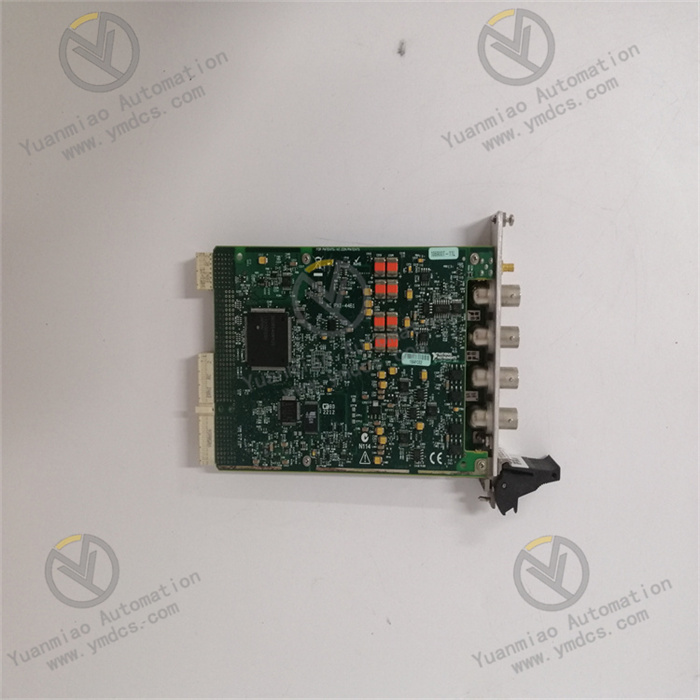
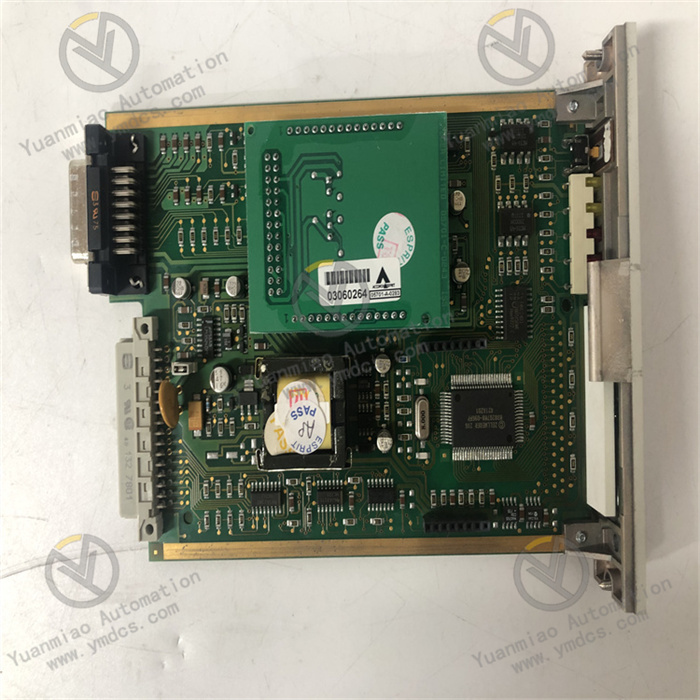
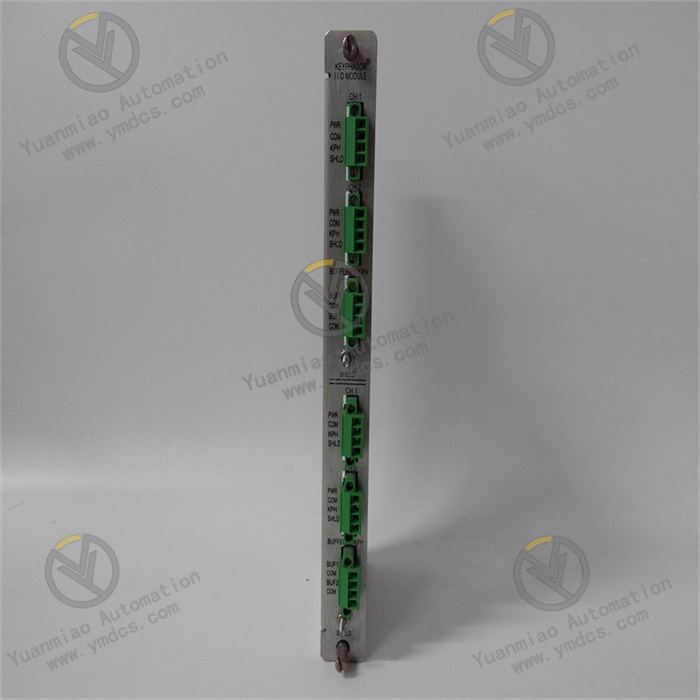
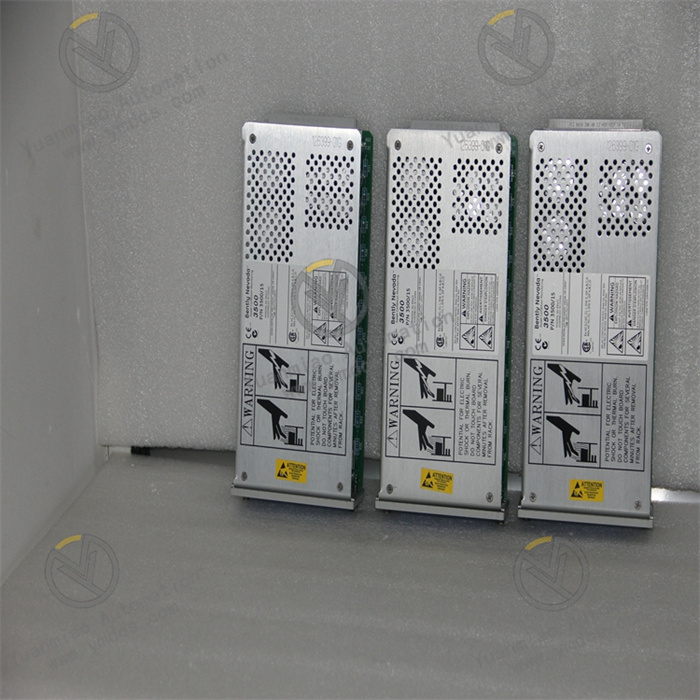
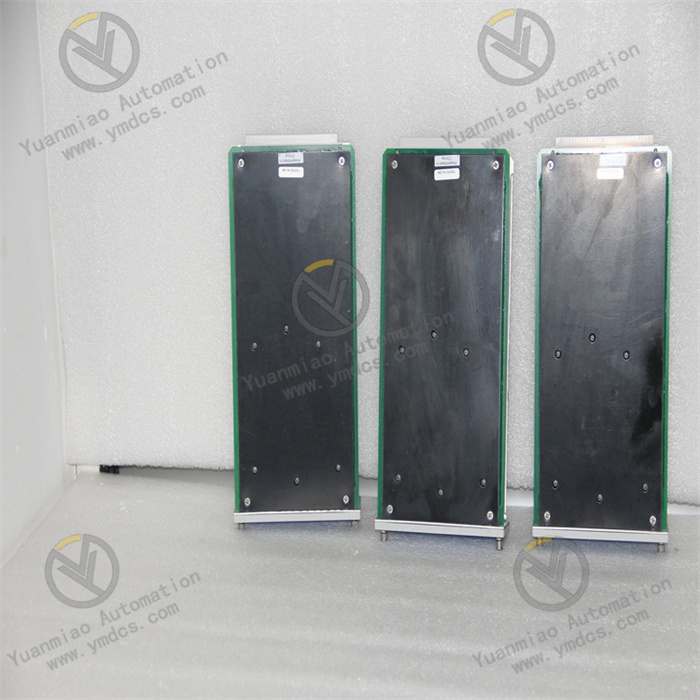
Bently Nevada 3500/64M 176449-05
1 Product Positioning and System Compatibility
1.1 Core Positioning
The module is suitable for high‑temperature, high‑pressure, and high‑vibration industrial environments. Different from the 3500/61 temperature module and 3500/62 process variable module, it features dedicated dynamic pressure filtering algorithms and high‑temperature signal adaptability, making it a core dedicated unit for dynamic pressure monitoring in the 3500 system.
1.2 System Compatibility
- Rack Compatibility: Fully compatible with 3500 full‑size 19‑inch (14‑slot) and compact 12‑inch (7‑slot) racks. It can be installed in any non‑power‑supply and non‑RIM dedicated slot, enabling high‑speed data exchange via the rack backplane without additional adapters.
- Module Compatibility: Works seamlessly with the 3500/20 Rack Interface Module, 3500/32 Relay Module, 3500/92 Communication Gateway Module, and 3500/50 Speed Module. It supports integration with TMR triple modular redundant systems and meets SIL 2 safety integrity requirements.
- Software Compatibility: Supports 3500 rack configuration software for setting channel ranges, filter frequencies, alarm thresholds, and action logic. When used with System 1 diagnostic software, it enables pressure pulsation trend analysis, spectrum analysis, and fault diagnosis.
External Compatibility: Supports 4–20 mA analog outputs and Modbus RTU/TCP communication for connection to PLC, DCS, and SCADA systems. It is compatible with industrial‑grade high‑temperature pressure sensors, supports intrinsic safety explosion‑proof wiring, and complies with CE and RoHS certifications.
1.3 Environmental and Physical Characteristics
1.3.1 Environmental Adaptability
- Operating temperature: -40°C ~ +85°C, with wide temperature adaptability for high‑temperature on‑site environments and low‑temperature startup scenarios.
- Relative humidity: 5% ~ 95% (non‑condensing), resistant to high humidity, dust, and oil and gas pollution.
- Immunity: Complies with IEC 61000‑6‑4 EMC standards, providing strong resistance to electromagnetic and radio‑frequency interference from variable frequency drives and motors.
- Vibration and shock resistance: Withstands 10 g peak vibration and 15 g shock, suitable for high‑vibration conditions during equipment operation.
- Reliability: Uses industrial‑grade components with MTBF > 100,000 hours, meeting long‑term continuous operation requirements.
1.3.2 Physical Specifications
- Module type: Full‑height 4‑channel dynamic pressure monitoring module dedicated to the 3500 system.
- Physical dimensions: Approx. 233mm × 109mm × 28mm, weight approx. 0.8kg.
- Interface: 4 independent sensor input channels, supporting high‑temperature pressure sensors (piezoelectric and piezoresistive compatible), with built‑in terminal blocks and single‑ended / differential input.
- Status indication: Front panel equipped with OK (power), TX/RX (communication), and CH1–CH4 (channel alarm) LED indicators for intuitive display of module and channel status.
2 Core Functions
2.1 4‑Channel Simultaneous Dynamic Pressure Monitoring
- Dynamic pressure measurement: Supports multiple ranges including 0~10kPa, 0~100kPa, and 0~1MPa to meet pressure monitoring requirements of different equipment.
- High‑temperature signal adaptability: Compatible with signals from high‑temperature pressure sensors operating at -50°C ~ +300°C, accurately capturing pressure pulsations in high‑temperature media.
- Wideband response: Frequency response of 0.5Hz ~ 10kHz, covering low‑frequency pressure fluctuations to high‑frequency impact signals.
- Signal conditioning: Built‑in amplification, filtering, and noise reduction circuits to eliminate power‑frequency interference and noise while retaining dynamic pressure characteristic signals.
2.2 High‑Precision Signal Processing and Specialized Algorithms
- High‑resolution sampling: 24‑bit ADC sampling with a sampling rate up to 10kHz, precisely capturing minor pressure pulsations and transient impacts.
- Dynamic analysis algorithms: Built‑in algorithms for pressure pulsation analysis, peak detection, and RMS calculation to identify characteristics such as surge, aerodynamic excitation, and impeller faults.
- Multi‑threshold configuration: Each channel supports independent Alert and Danger alarm thresholds, with dynamic adjustment based on equipment load.
- Transient capture: Records transient pressure changes during startup, shutdown, and load changes, storing peak values and durations to support fault tracing.
2.3 Multi‑Level Alarm and Interlock Protection
- Independent alarms: Each channel supports two‑level alarms with configurable AND/OR logic and 0~60 second delay to prevent false tripping from transient interference.
- First‑out alarm: Logs the first channel and parameter to trigger an alarm for quick fault source identification.
- Interlock output: Alarm signals are directly transmitted to 3500/32/34 relay modules to trigger emergency shutdown and audible‑visual alarms.
- Fault diagnosis: Continuously monitors sensor short‑circuit, open‑circuit, and module hardware faults, and outputs fault alarms.
2.4 Data Acquisition and Remote Monitoring
- Data output: 4–20 mA analog and Modbus communication for real‑time transmission of pressure data to upper‑level control systems.
- Historical storage: Stores up to 1000 recent alarms and 400 system events, supporting trend curves and spectrum analysis.
- Remote maintenance: Enables remote configuration, calibration, and fault diagnosis via the 3500/92 gateway without on‑site shutdown.
2.5 Easy Maintenance and Hot‑Swap
- Hot‑swap capability: The module can be safely inserted or removed while the rack is powered, without affecting other modules, reducing maintenance downtime.
- Online calibration: Supports online zero and span calibration of sensors without sensor removal.
- Status diagnosis: LED indicators enable quick channel fault localization, with channel verification supported via software.
3 Technical Advantages
- Dynamic pressure dedicated: Compatible with high‑temperature pressure sensors, featuring wideband response and specialized algorithms for accurate pressure pulsation monitoring, distinguishing it from general process monitoring modules.
- High temperature and high reliability: Wide temperature range, strong anti‑interference, and high anti‑vibration design, suitable for harsh high‑temperature and high‑pressure environments in power and oil‑gas industries, with MTBF > 100,000 hours.
4 independent channels: 4‑channel simultaneous monitoring per module, with independent configuration and alarming for improved monitoring efficiency.
- Flexible configuration: Full software‑based parameter setup, supporting multi‑thresholds, dynamic logic, and delay functions to meet protection requirements of various equipment.
- Full compatibility: Seamless integration with 3500 system and external control systems, supporting TMR redundancy and complying with API 670 and SIL 2 standards.
4 Typical Applications
4.1 Power Generation Industry
4.2 Oil, Gas and Chemical Industry
4.3 Metallurgical and Manufacturing Industry
4.4 Offshore Platforms and High‑Temperature Environments
5 Technical Specifications
| Item | Details |
|---|---|
| Model | Bently Nevada 3500/64M, Order No. 176449-05 |
| Product Type | 4‑channel dynamic pressure monitoring module |
| System | 3500 Machinery Health Monitoring and Protection System |
| Number of Channels | 4 independent channels |
| Supported Sensors | High‑temperature piezoelectric and piezoresistive pressure sensors |
| Frequency Response | 0.5Hz ~ 10kHz (-3dB) |
| Measuring Range | 0~10kPa / 0~100kPa / 0~1MPa (optional) |
| Measuring Accuracy | ±0.5% F.S. |
| Alarm Levels | Two independent levels (Alert / Danger) per channel |
| Sampling | 24‑bit ADC, 10kHz sampling rate |
| Signal Outputs | 4–20 mA analog, Modbus RTU/TCP |
| Operating Temperature | -40°C ~ +85°C |
| Relative Humidity | 5% ~ 95% (non‑condensing) |
| Vibration Resistance | 10 g peak (5~2000Hz) |
| Shock Resistance | 15 g (11ms, half‑sine wave) |