Description
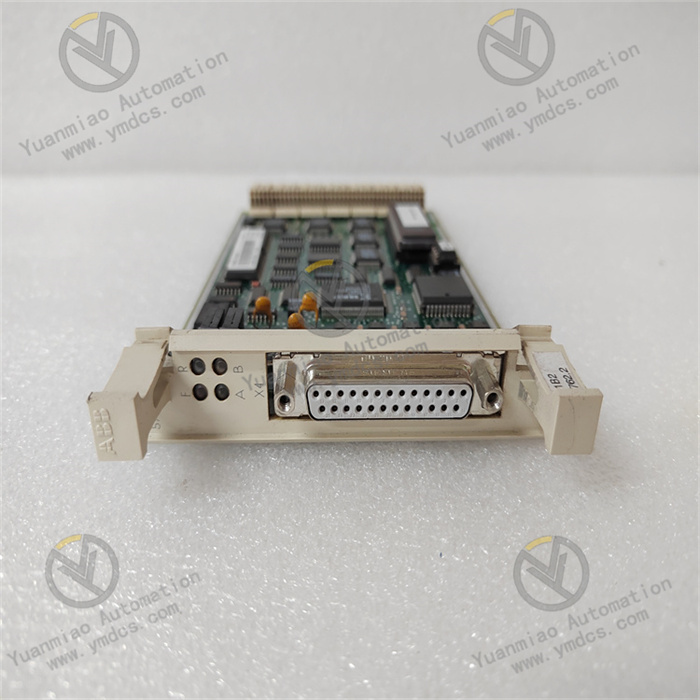
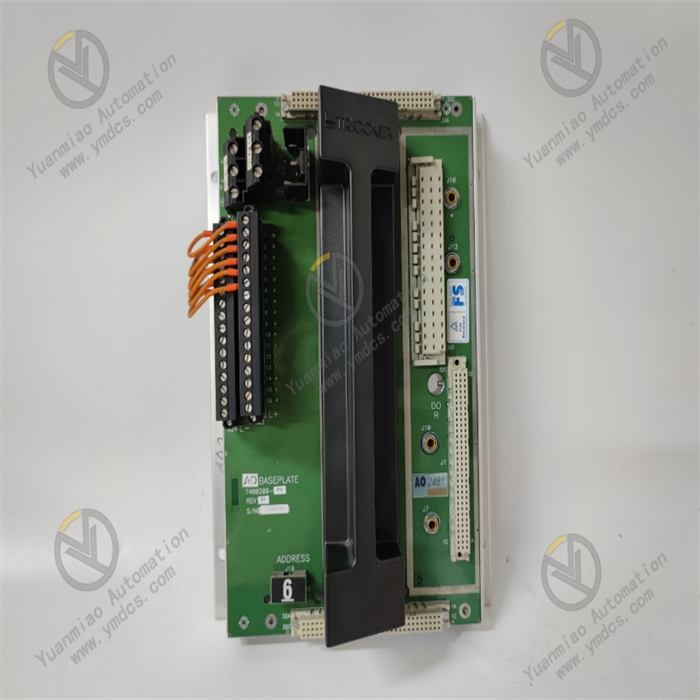
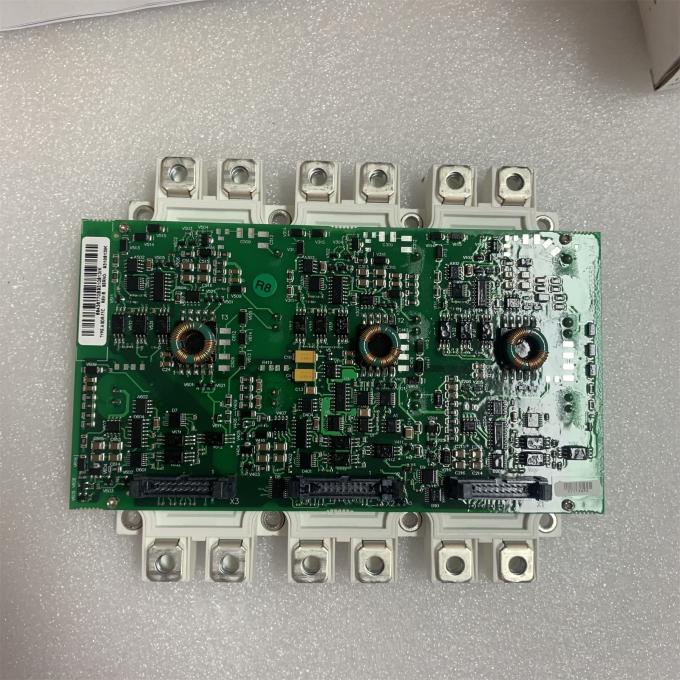
ABB HIEE300900R1 PPC322BE
I. Specifications and Core Parameters
(I) Product Basics and Authorization Parameters
- Model / Order Number: ABB PPC322BE, HIEE300900R1
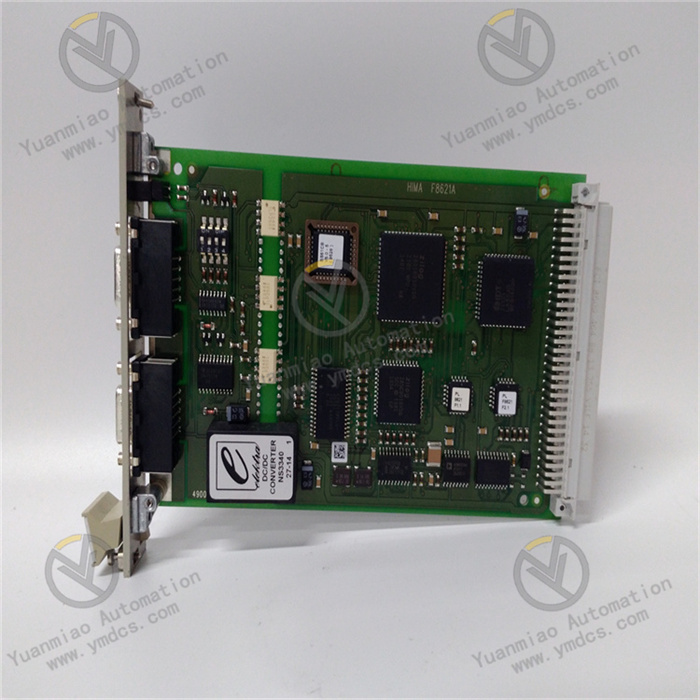
Product Type: Integrated control motherboard with processor and fieldbus, combining control computing, data acquisition, fieldbus communication, fault diagnosis and protection alarming. It can replace traditional separate CPU modules and bus interface cards, simplifying system architecture and reducing cabinet wiring and installation space.
- Authorization Type: System-matched authorization. Must be used with ABB 800xA/AC 800M platforms or designated I/O systems. Unauthorized disassembly, modification or use with non-original power/communication modules is strictly prohibited.
Compatible Systems: Suitable for ABB System 800xA, AC 800M DCS and S800 I/O systems. Compatible with mainstream industrial communication protocols including PROFIBUS DP/PA, Modbus RTU/TCP, Ethernet/IP and IEC 61850.
- Ingress Protection: IP20, fully enclosed metal chassis, ultra-thin board-level design, dust and debris resistant, suitable for dense installation in cabinets.
Language Support: Supporting commissioning software (Control Builder M, SILworX) provides multilingual interfaces in Chinese and English, which can be switched flexibly to facilitate quick configuration, parameter setting and troubleshooting by operation and maintenance personnel.
(II) Hardware and Functional Parameters
- Physical Specifications: Standard industrial board, suitable for 19-inch standard cabinets, supports DIN rail / panel mounting (IEC compliant); net weight approx. 1.15 kg, sized for space-constrained applications such as excitation cabinets and DCS control cabinets.
- Power Supply: Dual redundant 24 VDC power supply, tolerant of ±10% voltage fluctuations, with overvoltage, overcurrent, reverse polarity protection and surge suppression. Low power consumption prevents core circuit damage from abnormal power supply.
Processor and Memory: Equipped with a dedicated industrial PSR-2 processor (clock speed 166 MHz), response time < 1 ms, supporting complex PID, feedforward control and interlocking logic. Configured with 32 MB RAM (for real-time data processing) + 8 MB Flash (for program and parameter storage), supporting data backup and power-off protection.
- Communication Interfaces: Dual redundant Ethernet ports, 1×RS232, 1×RS485 (Modbus RTU), PROFIBUS DP master/slave interface. Supports automatic bumpless switching of redundant links to ensure continuous data transmission.
I/O Expansion Capability: Expandable via S800 I/O modules, supporting multi-channel analog input (4–20 mA / 0–10 V) and digital input/output, suitable for process parameter monitoring and equipment control. Analog acquisition accuracy ≤ ±0.1% FS, digital response time ≤ 10 ms.
- Protection Functions: Multiple protections including overvoltage, overcurrent, undervoltage, communication interruption, module overheating and redundant power loss. In case of failure, local LED indicators provide graded alarms and upload fault information to DCS/SCADA, executing preset safety shutdown/switching logic.
- Temperature Range: Operating temperature -20℃ ~ +60℃, storage temperature -40℃ ~ +70℃.
- Electrical Isolation: 2500 Vrms electrical isolation. EMC complies with IEC 61000-6-2/6-4 standards, capable of withstanding high-voltage and strong electromagnetic interference in power generation/chemical sites.
MTBF: Mean Time Between Failures ≥ 100,000 hours. Maintenance-free design with core components subjected to strict aging tests.
(III) Operating Environment Parameters
Hardware Compatibility: Seamlessly interfaces with ABB S800 I/O modules, fixing holes comply with IEC standards, supporting quick DIN rail mounting.
- Environmental Requirements: To be installed in clean, dry, ventilated cabinets or control rooms; relative humidity ≤ 95% (non-condensing); normal operation below 1000 m altitude, with 1% derating per 100 m between 1000–2000 m; no corrosive gases such as H₂S and Cl₂, kept away from strong interference sources such as high-voltage busbars and frequency converters.
Installation Requirements: Install in the direction specified in the manual with sufficient heat dissipation space; natural cooling, strict prohibition of stacking with high-power heating modules. Use shielded twisted-pair cables for communication; 120Ω termination resistors must be installed on RS485 buses. Tighten terminals to specified torque values.
- Software Compatibility: Supports offline configuration, online downloading, firmware upgrade and parameter backup/restore. Compatible with Control Builder M and SILworX for program development and diagnosis.
- Maintenance Interval: Maintenance-free design. Functional testing and communication link inspection are recommended every 6 months. Annual comprehensive inspection includes cleaning the module surface, checking terminals for looseness/oxidation, and verifying protection settings and control logic.

II. Functions and Features
- High-Speed Control Computing: PSR-2 processor with optimized algorithms, response time < 1 ms, enabling precise closed-loop control of voltage, current, flow and other parameters to meet dynamic control requirements such as unit excitation and chemical processes.
Redundant Bus and Communication: Dual Ethernet + multi-serial port redundancy, supporting protocol conversion to realize seamless data exchange between DCS, I/O devices and smart instruments without additional gateways.
- Comprehensive Protection and Diagnosis: Multiple electrical protections + module self-test, with fault localization down to port/component level. Local LED and remote system alarms greatly shorten troubleshooting time.
Strong Immunity and High Reliability: 2500 Vrms isolation, full-metal chassis, EMC compliance and redundant power supply, adapting to harsh industrial environments with strong electromagnetic interference and extreme temperatures.
- Flexible Expansion: Analog/digital channels can be flexibly expanded via S800 I/O modules, supporting smooth bumpless switching between automatic, manual and remote control modes.
- Convenient Operation and Maintenance: Multilingual software interface supports offline configuration and batch parameter import. LED indicators clearly display running, alarm and fault statuses, reducing on-site commissioning and maintenance costs.
III. Application Scenarios
- Electric Power Industry: Excitation system control for thermal/hydro/nuclear turbo-generator sets, AGC/AVC command execution, core control unit for substation automation systems.
Petrochemical Industry: Process control and interlock protection for large compressors and pump sets, parameter regulation and safety logic for refining/chemical plants.
- Metallurgical Industry: Main drive control system for rolling mills, precise control of furnace temperature/level, realizing production process automation in coordination with DCS.
- Industrial Automation Upgrade: Digital modernization of legacy DCS systems, direct replacement of traditional CPU and bus modules without major cabinet or wiring modifications, reducing retrofit costs and downtime.
- New Energy and Captive Power Plants: Inverter control for wind/solar power stations, auxiliary system control for oil and gas field captive power plants, ensuring stable grid connection and power supply.
IV. Operating Notes
Pre-Installation Preparation: Verify model and order number, confirm compatibility with system firmware version; inspect module for physical damage and deformed terminals; measure 24 VDC power to ensure it is within ±10% range; prepare anti-static wrist straps, insulated tools and shielded communication cables.
- Electrostatic Protection: Grounded anti-static wrist straps must be worn during installation, removal and maintenance. Idle modules should be stored in anti-static packaging; direct contact with PCB gold fingers and core chips is strictly prohibited.
- Unauthorized Modification Prohibited: Replacement of non-original components, firmware modification or protection setting adjustment are forbidden, which will immediately void the warranty and may cause equipment damage or safety incidents.
Cabling Specifications: Maintain a spacing of ≥30 cm between analog signal cables and power cables; use shielded twisted-pair cables for communication, with 120Ω termination resistors strictly installed at both ends of RS485 buses.
- Fault Troubleshooting: When the module alarms, first stop relevant control processes and disconnect power. Prioritize checking external factors such as power supply, communication links and wiring. Hot-plugging is strictly prohibited. Contact ABB official technical support immediately if issues cannot be resolved.
- Environmental Control: Avoid moisture, condensation, corrosive gases and strong electromagnetic interference. Strictly maintain operating temperature between -20℃ and +60℃; derate as required when altitude exceeds 1000 m.