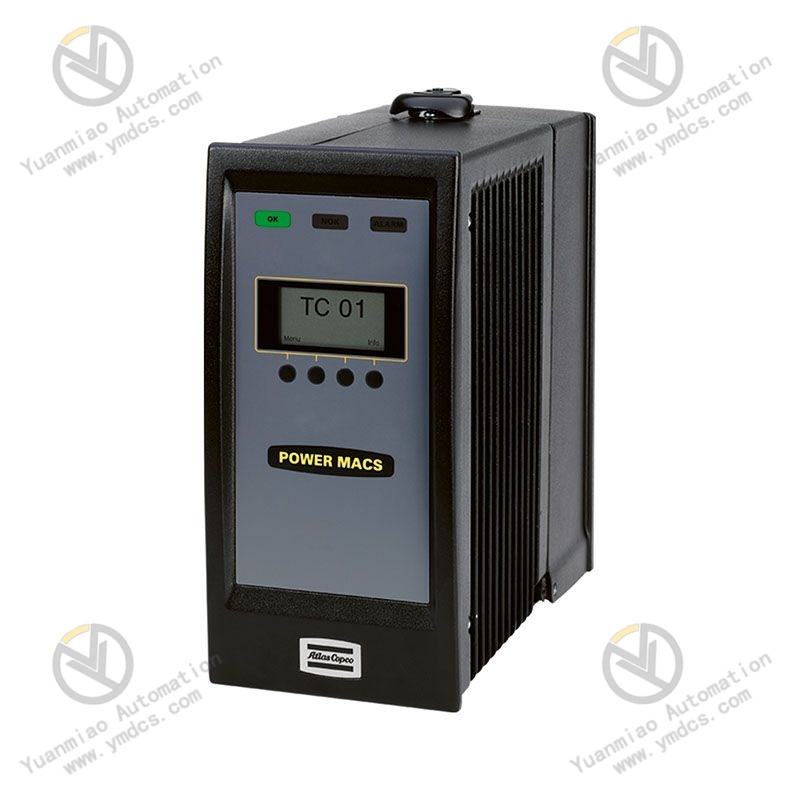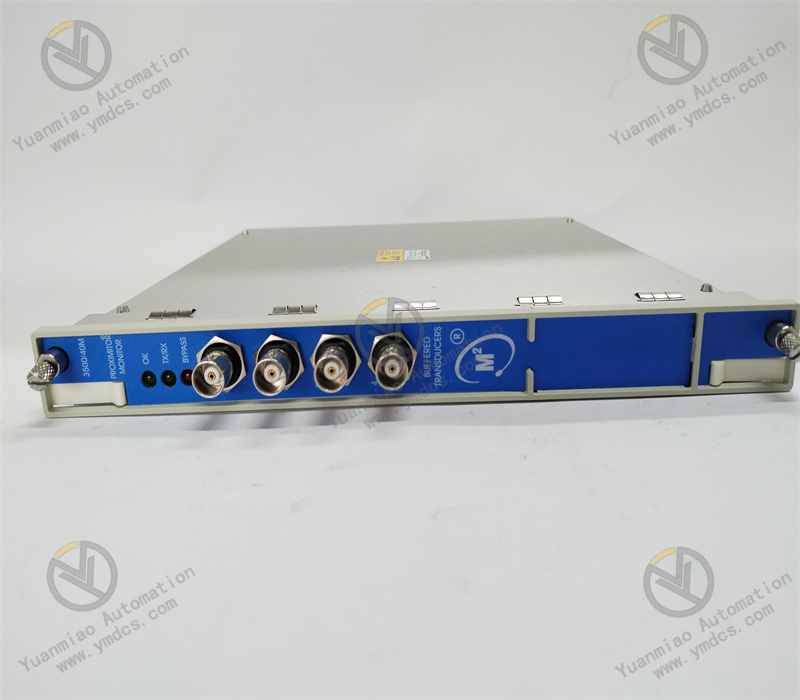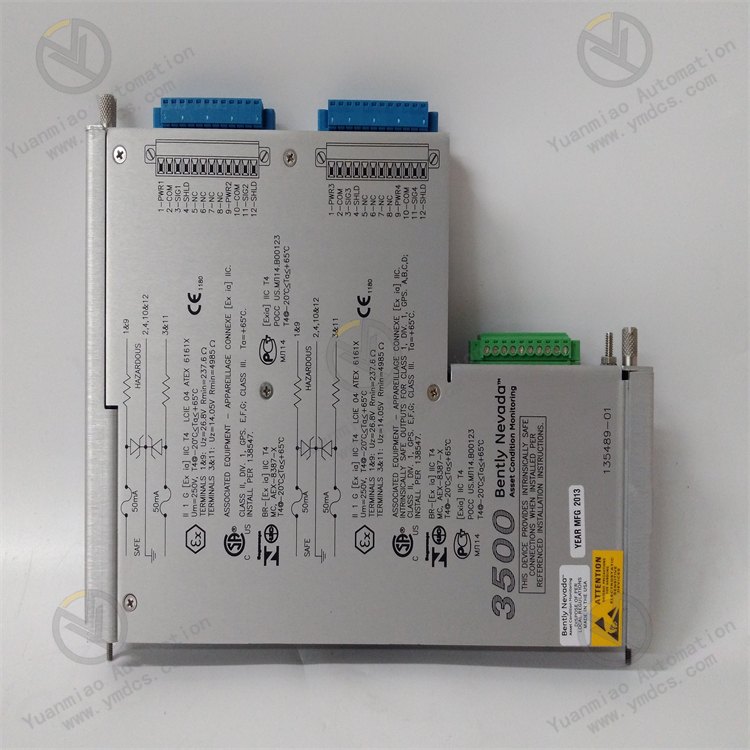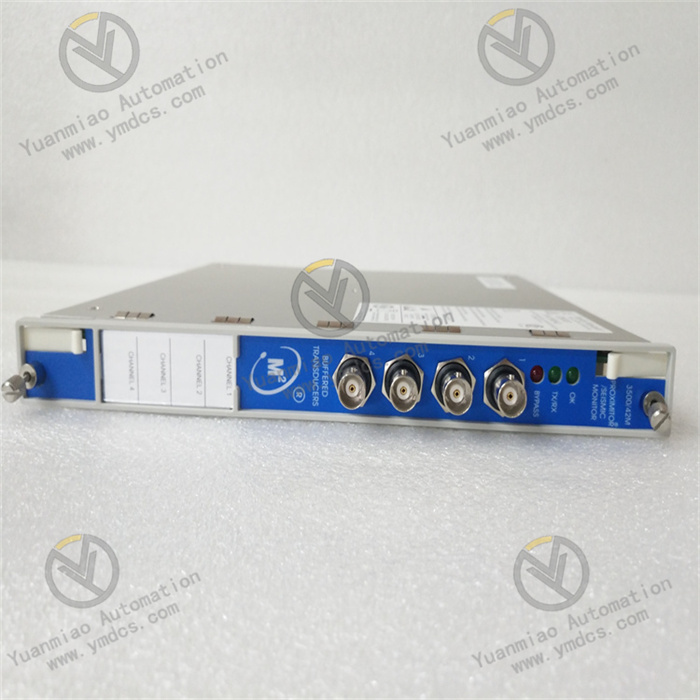
Description
ABB 3BSE028144R65
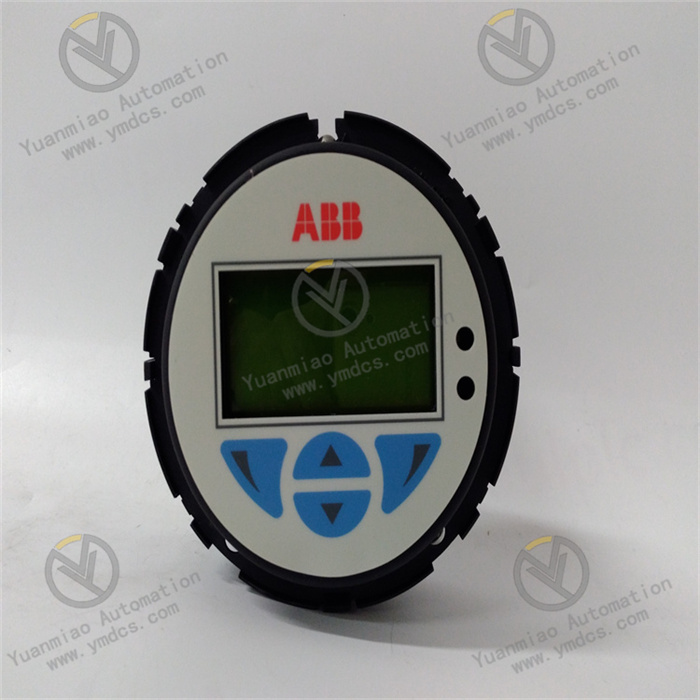
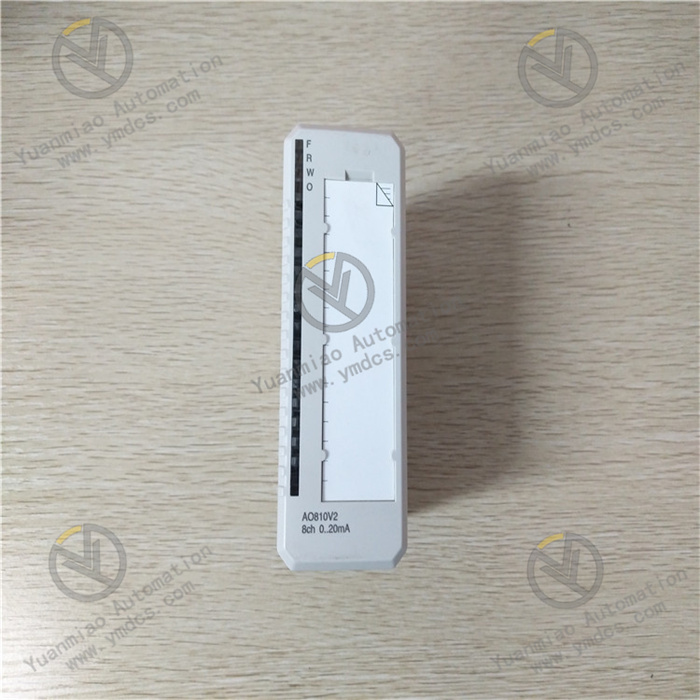
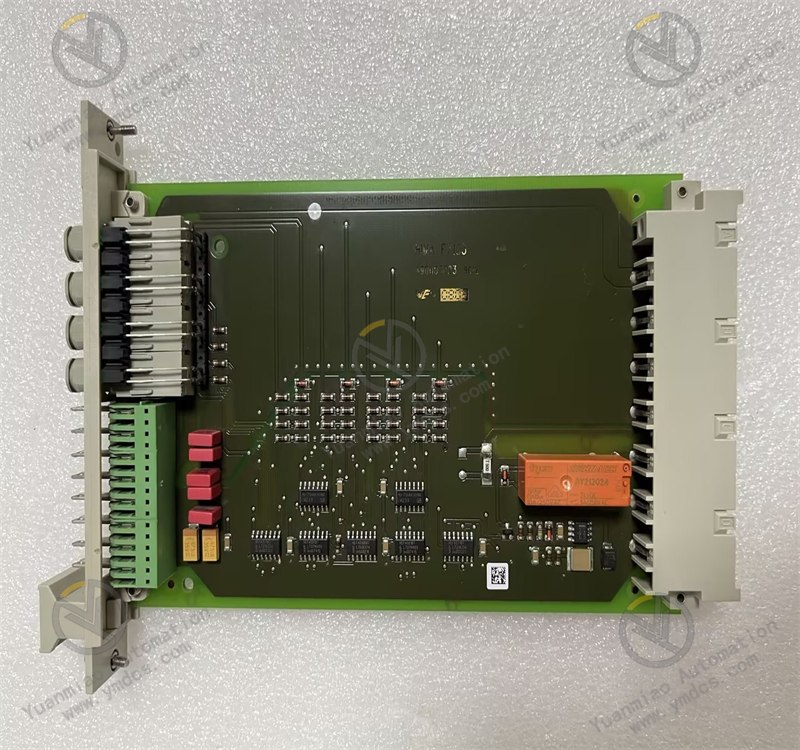
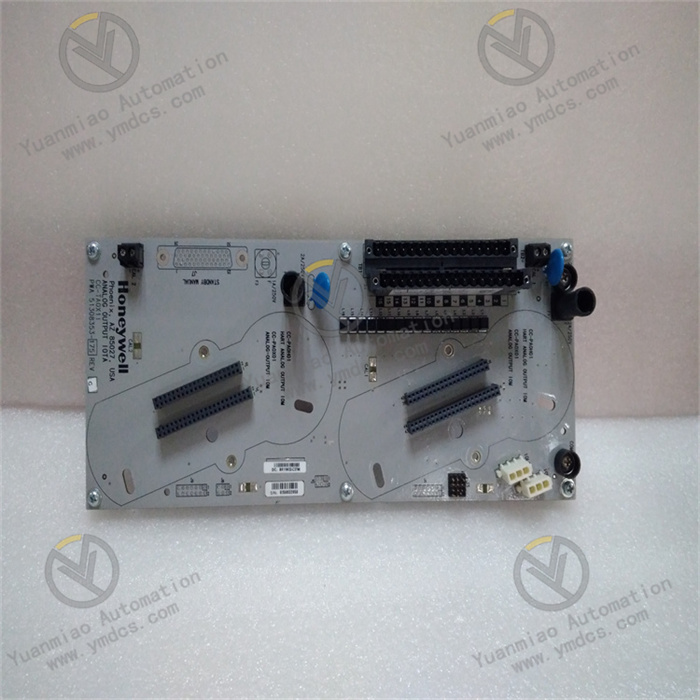
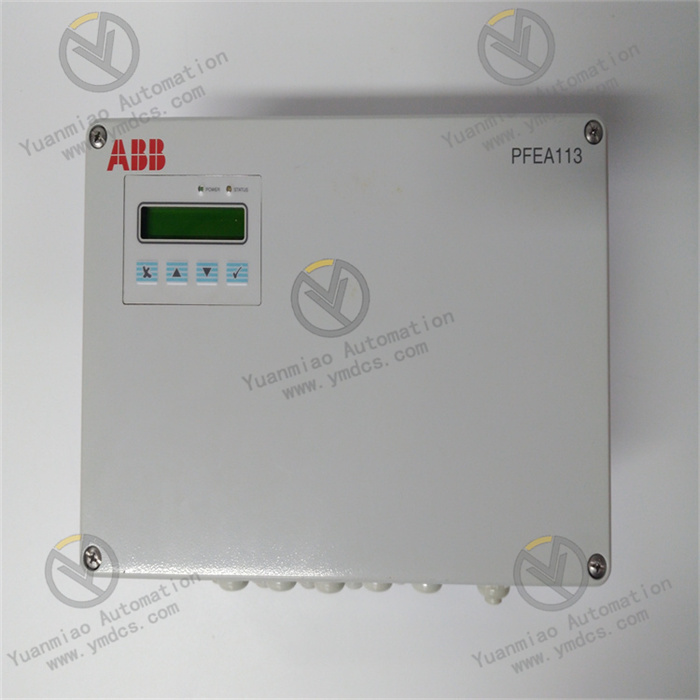
ABB 3BSE028144R65 (corresponding model PFEA113-65) is an industrial-grade high-precision tension controller, belonging to the core component series of ABB tension control. It is positioned as a key equipment for precise detection and closed-loop control of tension of strip and linear materials in industrial production. Integrating four core functions: tension detection, signal conditioning, PID closed-loop control, and multi-channel expansion, it has advantages such as high precision, high stability, flexible adaptation, and convenient operation and maintenance. As a core component in ABB automation systems to achieve precise control of material tension, it is widely applicable to harsh industrial scenarios in wire and cable, optical fiber cable, papermaking, printing, textile and other industries that require precise tension control. It can effectively avoid problems such as wrinkling of materials due to insufficient tension and breakage due to excessive tension, ensuring production quality and efficiency.
This module mainly undertakes five core tasks: tension signal acquisition, precise tension control, signal conditioning, fault monitoring, and data interaction. It focuses on tension control of various strip and linear materials in industrial production, and can directly connect to 4 weighing sensors to collect tension feedback signals (millivolt level). Through the built-in PID controller for deviation processing, it outputs control signals to drive peripheral actuators (such as magnetic powder brakes and clutches) to realize full-automatic closed-loop control of tension. Relying on engineering-grade high-precision circuit design and signal isolation technology, the measurement accuracy reaches ±0.1% full scale, and the response time is <10ms, which effectively suppresses electromagnetic interference in industrial sites and avoids signal drift and measurement errors. It supports multi-unit display (N, kg, lbs, etc.), adapts to tension measurement needs of different industries, and can realize signal integration and multi-module cascading through Profibus-DP, Modbus TCP and other protocols. Up to 3 controllers can be connected in series to realize collaborative control of 12 sensors without additional conversion modules, effectively solving problems such as low on-site tension control precision, slow response, and difficulty in multi-equipment collaboration. It is widely used in production links such as material slitting, rewinding, and traction, providing reliable tension control support for the continuous, stable and high-quality operation of industrial production.
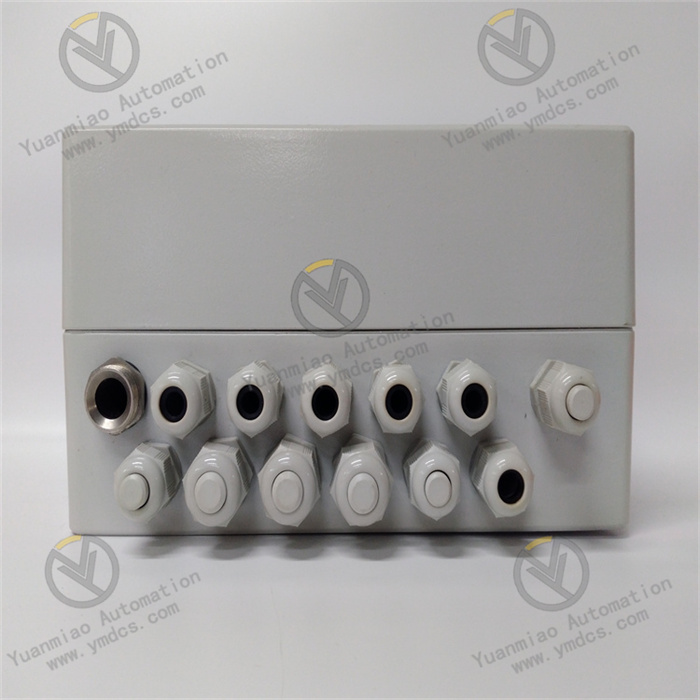
It adopts an industrial-grade modular design, providing two versions (DIN rail mounting version / IP65 sealed protection version). The surface is coated with a corrosion-resistant high-strength resin coating. The DIN rail version is suitable for 35mm DIN rail installation, and the IP65 sealed version can be directly installed in harsh on-site environments, dust-proof and splash-proof, facilitating dense deployment in control cabinets and flexible on-site installation, adapting to different installation scenario needs. Equipped with high-density pluggable terminals and dedicated module connectors, it can quickly complete the wiring of power, sensor signals, control signals and module replacement, greatly improving installation, commissioning and maintenance efficiency. The enclosure and circuit design comply with relevant industrial electromagnetic compatibility standards, with excellent anti-electromagnetic interference performance, which can withstand high-frequency noise from inverters in industrial sites, electromagnetic fields from high-power equipment, and harsh environments such as humidity and dust. It supports hot-swappable function, allowing module replacement without shutdown during maintenance, and supports online configuration, parameter setting and fault diagnosis through ABB special configuration software. The tension control logic can be customized according to different production process needs, making operation and maintenance convenient and efficient.
1. Technical Specifications
1.1 Power Specifications
- Power Supply Voltage: Standard 24VDC (compatible with 18-36V DC wide voltage range), meeting the needs of voltage fluctuations on industrial sites, no additional independent power supply required;
- Power Protection: Equipped with overvoltage, overcurrent, reverse polarity, overload and short-circuit protection functions; electrical isolation between power circuit and signal circuit, effectively suppressing ground loop interference and preventing damage to modules, connected sensors and actuators;
- Typical Power Consumption: High-efficiency and low-power consumption design, rated power consumption ≤7.5W, suitable for long-term continuous operation without additional heat dissipation burden, no need to install heat dissipation devices;
- Power Indication: The panel is equipped with a power LED indicator (green) to intuitively display the module's power supply status, facilitating quick troubleshooting of power supply faults;
- Power Compatibility: Seamlessly compatible with the power architecture of ABB automation systems, can operate synchronously with the system power supply, simplifying system wiring and deployment.
1.2 Computing & Signal Processing Parameters
- Processor Type: Industrial-grade embedded microprocessor, with fast tension signal processing, PID closed-loop control and logic judgment capabilities, with rapid and stable response;
- Response Speed: Tension signal response time <10ms, control command output response time ≤5ms, ensuring the real-time performance of tension acquisition and control, avoiding material tension fluctuations;
- Measurement Accuracy: The measurement range covers 0-200% full scale, and the measurement accuracy reaches ±0.1% full scale, effectively ensuring the accuracy of tension control and meeting high-precision production needs;
- Signal Filtering: Built-in high-precision digital filtering circuit, which can effectively filter out high-frequency interference in industrial sites, amplify and condition weak signals collected by sensors, and ensure the accuracy of signal acquisition;
- Self-test Function: Built-in hardware self-test and software watchdog function, which can real-time monitor the status of internal components, signal channels and communication links of the module, and trigger an alarm and record fault information in case of abnormalities.
1.3 Tension Detection & Control Parameters
- Sensor Support: Can directly connect to 4 weighing sensors, and can be expanded to 12 sensors for collaborative control through multi-module cascading, adapting to multi-sensor joint tension detection scenarios;
- Input Signal: Supports millivolt-level tension feedback signal input, perfectly matching ABB weighing sensors, and can accurately collect material tension status;
- Output Signal: Provides 6 configurable analog outputs (4-20mA, 0-10V, etc.), which can directly drive peripheral actuators such as magnetic powder brakes and clutches to realize tension closed-loop control;
- Control Function: Built-in PID closed-loop controller, supporting three control modes: manual control, semi-automatic control and full-automatic control, which can be flexibly switched according to production needs, with roll diameter calculation and taper adjustment functions, adapting to unwinding and winding tension control of winding equipment;
- Alarm Function: Supports multiple types of alarms such as abnormal tension (too high/too low), sensor failure, and communication interruption, can preset alarm thresholds, and upload alarm information and light up the panel alarm indicator when an alarm is triggered, facilitating timely fault handling.
1.4 Communication & Compatibility Parameters
- Communication Interface: Integrates various communication interfaces such as Profibus-DP, RS-485, Modbus TCP, and RS232, supports redundant communication configuration, and can flexibly connect to different types of communication links;
- Communication Protocols: Native support for mainstream industrial protocols such as Profibus-DP, Modbus RTU, and Modbus TCP, which can be seamlessly connected with ABB automation systems and third-party automation equipment, facilitating system integration;
- Data Transmission: The data transmission rate can be flexibly adjusted according to the protocol, and the parameter refresh cycle ≤1s, ensuring real-time interaction of tension signals, control commands and fault information without packet loss;
- System Compatibility: Deeply compatible with ABB automation control systems, can be directly connected to the existing automation network, and supports seamless linkage with ABB drives and inverters to achieve integrated tension control;
- Expansion Capacity: Supports multi-module cascading deployment, up to 3 controllers can be connected in series to realize collaborative control of 12 sensors, which can be flexibly expanded according to on-site production scale, adapting to different production capacity needs.
1.5 Environmental Parameters
- Operating Temperature: 0℃ to +55℃, wide-temperature design adapts to temperature fluctuations in industrial sites, and can start and operate stably in conventional industrial environments;
- Operating Humidity: 5%–95% (non-condensing), capable of stable operation in humid industrial environments, adapting to humid scenarios such as papermaking and textile;
- Anti-Interference Level: Complies with relevant industrial electromagnetic compatibility standards, has excellent anti-electromagnetic interference performance, can resist strong electromagnetic interference on site, and avoid signal drift and measurement errors;
- Reliability: Certified by CE and UL, mean time between failures (MTBF) >50,000 hours, natural heat dissipation, maintenance-free operation, adapting to long-term continuous production needs, and can achieve long-term stable operation;
- Protection Performance: Dual protection versions, IP20 (DIN rail version, must be installed in the electrical cabinet), IP65 (sealed version, can be directly installed on site), with excellent dustproof and waterproof capabilities, adapting to high-dust and high-humidity industrial environments.
1.6 Physical & Installation Parameters
- Overall Dimensions: Compact modular design, specific dimensions are subject to the actual product, adapting to dense installation needs, saving control cabinet and on-site installation space;
- Installation Method: Supports 35mm DIN rail installation (rail version) or direct on-site installation (IP65 sealed version), can be connected to the system through a dedicated connector, with convenient installation;
- Wiring Terminals: Pluggable high-density wiring terminals, reliable wiring, plug-in life >1000 times, facilitating quick wiring and module replacement, improving operation and maintenance efficiency;
- Status Indication: The panel is equipped with multi-color LED indicators, which respectively display power supply, operation, communication, fault and tension status, facilitating quick location of faults and tension abnormality causes;
- Weight: Net weight of a single module is about 0.3kg, lightweight and easy to install, convenient for spare part management and on-site replacement, reducing operation and maintenance workload.
2. Features
- High-Precision Tension Control, Ensuring Production Quality: Engineering-grade precision design, measurement accuracy up to ±0.1% full scale, response time <10ms, which can accurately collect tension signals and realize PID closed-loop control, effectively avoiding problems such as wrinkling of materials due to insufficient tension and breakage due to excessive tension, greatly improving the qualification rate of products in slitting, rewinding and other links, and adapting to high-precision production needs.
- Multi-Mode Control and Flexible Adaptation: Supports three tension control modes: manual, semi-automatic and full-automatic, with roll diameter calculation and taper adjustment functions, adapting to different process needs such as unwinding and winding of winding equipment; can directly connect to 4 weighing sensors, and supports multi-module cascading expansion to 12 sensors for collaborative control, adapting to different production scales and scenario needs.
- Strong Anti-Interference and High Stability: Industrial-grade circuit design, electrical isolation between power and signal circuits, with comprehensive power protection functions; complies with relevant industrial electromagnetic compatibility standards, can effectively resist strong electromagnetic interference on site, avoiding signal drift and measurement errors; dual protection version design, adapting to different harsh industrial environments, stable and reliable for long-term operation, and can achieve zero-fault operation.
- Seamless Integration and Multi-Protocol Compatibility: As a native module of the ABB tension control series, it can be seamlessly connected to ABB automation systems, drives and inverters without additional conversion modules; supports multiple mainstream industrial protocols and communication interfaces, compatible with third-party automation equipment, simplifying system integration difficulty, shortening project delivery cycle, and improving system synergy efficiency.
- Convenient Operation and Maintenance, Efficient Management and Control: Supports hot-swappable function, allowing maintenance without shutdown, reducing production losses; the panel LED indicators can intuitively display the module's operation, fault and tension status, facilitating quick location of faults and tension abnormalities; supports online configuration, parameter setting and fault diagnosis through ABB special configuration software, built-in fault log storage function, supports log export, providing support for fault tracing and predictive maintenance, and significantly reducing operation and maintenance costs.
3. Operating Principle
- Initialization and Link Establishment: After power-on, the module completes a full self-test, initializes the processor, tension detection channel, PID controller, communication interface and internal control circuit, and loads the built-in firmware and pre-configured configuration parameters (such as tension threshold, control mode, filtering parameters, etc.); establishes a connection with the ABB automation main control system, on-site weighing sensors, and peripheral actuators (magnetic powder brakes, clutches) through the communication interface, and after parameter calibration and state synchronization, it is connected to the automation control system and enters the normal working state.
- Tension Signal Acquisition and Conditioning: Through 4 sensor interfaces, it collects millivolt-level tension signals fed back by on-site weighing sensors, filters out high-frequency interference in industrial sites through the built-in high-precision digital filtering circuit, and then amplifies and converts the weak signals through the signal conditioning circuit to convert them into digital signals recognizable by the processor; at the same time, it real-time monitors the change of tension signals, and transmits the collected tension data to the main control system and PID controller in real time to provide a basis for tension control decisions.
- Tension Closed-Loop Control and Command Execution: The PID controller calculates the deviation according to the preset tension target value and the collected actual tension value, and after processing through the PID algorithm, issues a control command to the module output channel; the module drives the action of peripheral actuators such as magnetic powder brakes and clutches through 6 configurable analog output signals, adjusts the output torque of the actuator, thereby changing the material tension, making the actual tension value approach the target value, and realizing full-automatic closed-loop control of tension; it also supports manual and semi-automatic mode switching, which can flexibly adjust the control mode according to production needs.
- Fault Monitoring and Alarm Handling: The module real-time monitors its own operation status, tension detection channel status, sensor status, communication link and power supply status, and detects component abnormalities, signal drift, sensor faults, abnormal tension (too high/too low), communication interruption and other faults through the self-test circuit; if an abnormality is detected, it immediately triggers an alarm, lights up the panel alarm indicator, records fault information (fault type, fault channel, abnormal tension value) and uploads it to the main control system through the bus, facilitating operation and maintenance personnel to quickly troubleshoot and handle, avoiding production interruption caused by fault expansion.
- Maintenance Management and Configuration Update: Supports online modification of module parameters, configuration of tension control mode, setting of alarm thresholds, and adjustment of PID parameters through ABB special configuration software without disassembling the module; supports hot-swappable maintenance, and can replace the module online to reduce downtime; built-in fault log storage function, supports log export, providing support for fault tracing and predictive maintenance, and supports online firmware upgrade to improve module performance and compatibility.
4. Applications and Case Examples
- Wire and Cable, Optical Fiber Cable Industry: In the production process of wire and cable, optical fiber cable, it is used for tension control in cable traction, slitting and rewinding links, precisely controlling cable tension, avoiding excessive stretching and breaking of cables or wrinkling due to insufficient tension, ensuring uniform cable diameter and flat surface, improving product quality, and adapting to high-speed production needs.
- Papermaking and Printing Industry: In the paper roll traction and slitting links of papermaking production lines, and in the web conveying and printing processes of the printing industry, it precisely controls the tension of paper and printing webs, avoids paper wrinkling and tearing, ensures printing registration accuracy, improves the quality of printed products, and at the same time reduces raw material waste and production costs.
- Textile Industry: In the yarn traction, weaving, winding and other links of textile production, it precisely controls the tension of yarn and cloth, avoids yarn breakage and cloth wrinkling, ensures the flatness and tensile strength of textile products, adapts to the tension control needs of different materials (cotton, chemical fiber, silk, etc.), and improves the qualification rate of textile products.
- Other Tension Control Scenarios: In industries such as film production, metal foil slitting, and tape production, it is used for precise tension control of various strip and linear materials, adapting to different production links such as slitting, rewinding, and traction, solving problems such as low tension control precision and large fluctuations, ensuring continuous and stable production, and improving production efficiency and product quality.