Description
1. Overview
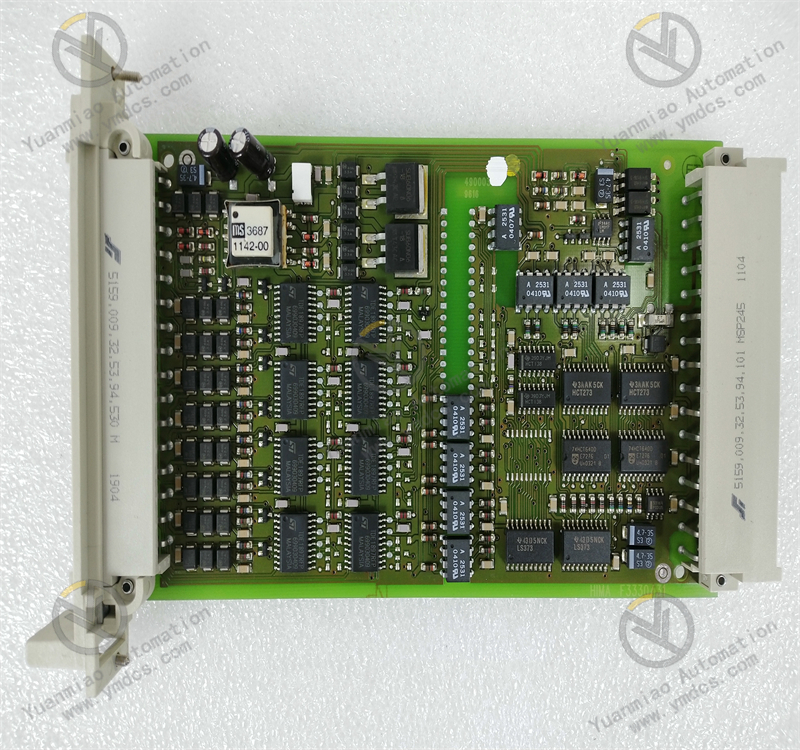
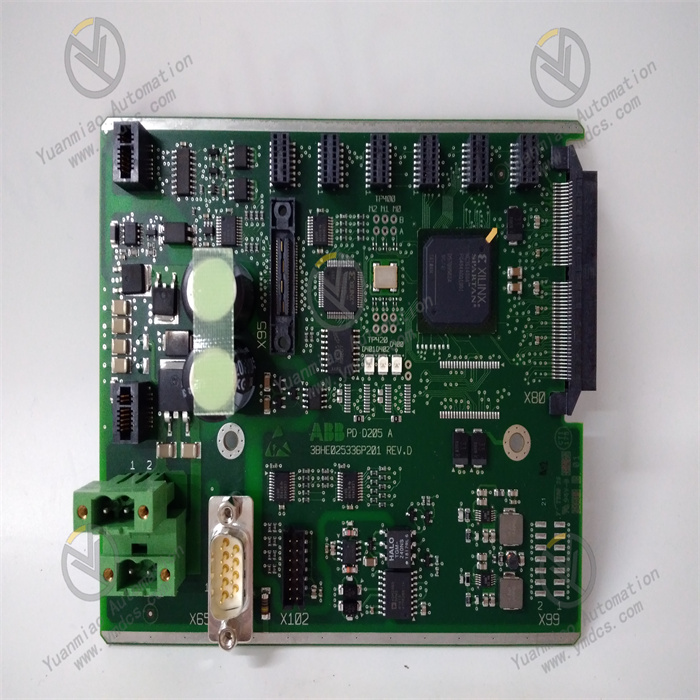
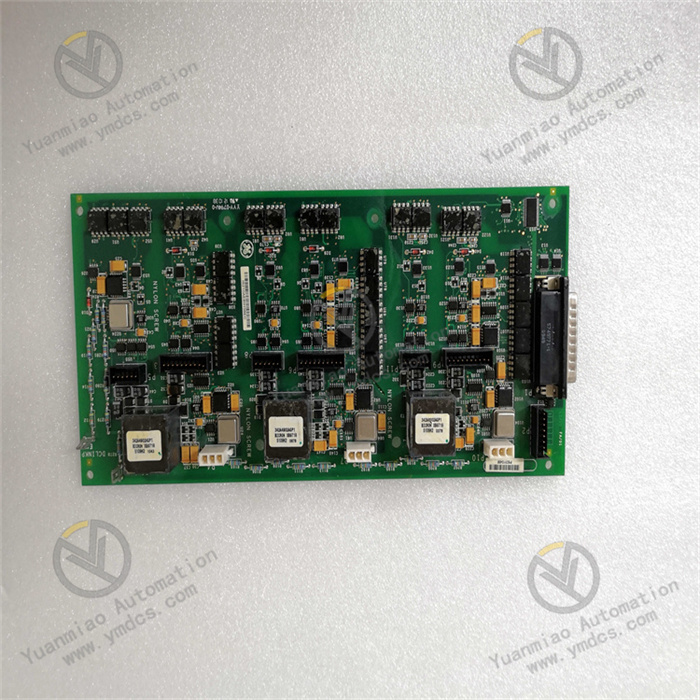
GE IS210MACC1ACC is a dedicated RST analog I/O card developed by Mark V control systems of gas turbines, steam turbines and combined heat and power units. Serving as core hardware for signal acquisition and output of turbine control systems, it is widely applied to industrial gas turbines, auxiliary control systems of large thermal power plants and automatic control of generator sets.
As a standard matched analog module within the Mark V control architecture, the card is mainly responsible for acquisition, isolation, signal conditioning, data conversion of on-site analog process signals and signal interaction with the main control system. It acts as a critical board to ensure accurate collection and stable regulation of process parameters including turbine rotating speed, temperature, pressure and flow rate.
Adopting industrial ruggedized design, the IS210MACC1ACC integrates high-precision signal conditioning circuits, electrical isolation modules and bus communication units with outstanding anti-interference capability and signal stability. It is capable of accurately adapting to various standard analog signals from industrial sites, uploading real-time field operating data and outputting analog control commands, perfectly meeting the requirements of turbine control systems for high precision, high reliability and long-cycle operation.In addition, it supports hardware replacement and system upgrade & renovation of legacy Mark V systems with superior compatibility. No major revision to system programs and wiring is required, and the acquisition and control functions of the control system can be rapidly restored, making it a highly versatile core I/O component for industrial control systems of power generation equipment.
2.1 High-Precision Analog Signal Acquisition with Strong Process Adaptability
Onboard high-precision signal sampling and conditioning circuits are optimized for key analog signals of power generation turbine systems such as temperature, pressure, vibration, flow and valve position. It delivers high sampling accuracy, excellent linearity and extremely low temperature drift error.Tiny operating fluctuations of the unit can be captured precisely, effectively eliminating unit regulation deviation and parameter misjudgment caused by signal distortion and data drift. It fully satisfies data acquisition demands for precision process control of gas turbines and steam turbines, guaranteeing accuracy and continuity in monitoring unit operating parameters.
2.2 Full Electrical Isolation Design with Excellent Anti-Interference Performance
A dual protection architecture of channel-level electrical isolation and power supply isolation is adopted to completely eliminate impacts from strong on-site electromagnetic interference, voltage surge, signal crosstalk and ground potential difference.It effectively resists electromagnetic disturbance induced by frequency converters, startup/shutdown of high-power equipment and radio frequency radiation at turbine sites, avoiding abnormal conditions such as analog signal jitter, value drift and acquisition failure. Stable and reliable signal transmission is ensured under complex industrial electromagnetic environments, fitting harsh high-interference working conditions in power plants.
2.3 Native Compatibility with Mark V System and Excellent Interchangeability
It strictly complies with original hardware design specifications of GE Mark V turbine control systems. The bus protocol, pin definition, data interaction logic and installation dimensions are fully matched with racks and main control programs of the entire Mark V control system series.The card supports plug-and-play and can directly replace outdated, faulty and aging I/O cards of the same series without modifying system configuration, control programs and on-site wiring. It greatly reduces costs for system upgrade, maintenance and renovation, and is applicable to routine hardware replacement of in-service units.
2.4 Industrial Rugged Construction for Long-Term Stable Operation
Core components of the card are screened for wide-temperature operation and subjected to industrial aging tests. The circuit board is reinforced with three-proof conformal coating with dustproof, moisture-proof, anti-corrosion, anti-vibration and shock-resistant properties.Free of vulnerable mechanical parts, it features high integration and ultra-low failure rate. It supports 24/7 non-stop long-duration continuous operation in power plants, meeting unattended, high-load and long-service-life operation requirements of generator sets.
2.5 Built-In Hardware Self-Test and Fault Diagnosis for Convenient Maintenance
Embedded functions include hardware self-check, channel fault monitoring and bus communication diagnosis. A comprehensive verification of board hardware, sampling channels and communication loops is automatically executed upon power-on. During operation, hidden hazards such as channel abnormality, signal open circuit, bus fault and module anomaly are monitored in real time.Faulty channels and error types can be pinpointed accurately with traceable fault records, significantly shortening troubleshooting and equipment downtime and improving operation and maintenance efficiency of the control system.
2.6 Standardized Industrial Signals with Wide System Adaptability
It conforms to industrial standard analog input and output specifications, seamlessly interfacing with signals from various on-site sensors, transmitters and actuators. Meanwhile, it is compatible with the full lineup of GE turbine main control systems and DCS distributed control systems.The output signal features stable linearity and fast response, feeding back real-time unit operating conditions accurately and providing reliable underlying signal support for unit logic regulation, interlock protection, parameter tracing and data monitoring.
3. Specification Parameters
3.1 Basic Model Information
- Part Number: IS210MACC1ACC
- Manufacturer: GE General Electric
- Device Type: RST Analog I/O Card for Mark V System
- Product Line: Speedtronic Mark V Gas Turbine Control System
- Core Functions: Industrial analog signal acquisition, signal isolation & conditioning, analog-to-digital conversion, bus data interaction, analog control command output, channel fault monitoring
- Applicable Equipment: Gas turbines, steam turbines, combined heat and power units, auxiliary automatic control systems of thermal power plants
- Application Scenarios: Matching for new control systems, replacement of I/O cards for legacy units, hardware upgrade of Mark V systems, maintenance and renovation of turbine industrial control systems
3.2 Electrical Performance Parameters
- Supply Voltage: Standard industrial 24 VDC power supply complying with rack power specifications of turbine control systems
- Signal Type: Standard industrial analog input & output signals compatible with conventional sensing and execution equipment in power plants
- Sampling Precision: High-accuracy linear sampling with low temperature drift and time drift, no parameter offset during long-term operation
- Isolation Performance: Inter-channel electrical isolation and power isolation to suppress electromagnetic interference and signal crosstalk
- Response Speed: High-speed signal acquisition and data conversion for real-time synchronous uploading of process parameters
- Bus Protocol: Natively supports dedicated bus communication protocol of Mark V system for stable and efficient data exchange
3.3 Diagnosis & Protection Parameters
- Power-On Self-Test: Full board hardware inspection, channel integrity verification and bus communication detection
- Runtime Monitoring: Real-time detection of channel open circuit, signal abnormality, bus fault and module overload
- Fault Traceability: Fault state locking and abnormal log recording to support targeted troubleshooting
- Electrical Protection: Multi-layer protection including overvoltage protection, overcurrent limiting, ESD protection and surge suppression
- EMC Grade: Complies with industrial EMC anti-interference standards for power plants to withstand intensive electromagnetic radiation and mechanical vibration interference
3.4 Environmental Parameters
- Operating Temperature: -40 ℃ ~ +70 ℃, adaptable to wide temperature fluctuation in power plant equipment rooms
- Storage Temperature: -55 ℃ ~ +125 ℃
- Operating Humidity: 5% ~ 95% RH (non-condensing), suitable for sealed cabinets and constant temperature & humidity equipment rooms
- Protection Process: Three-proof coating on PCB for dust, moisture, corrosion and oxidation resistance
- Environmental Adaptability: Tolerates unit operational vibration, electromagnetic interference and temperature & humidity fluctuation in equipment rooms
- Operation Mode: 24-hour uninterrupted continuous operation to satisfy long-term service demands of units
3.5 Mechanical & Maintenance Parameters
- Mounting Method: Standard embedded rack installation compatible with dedicated backplanes of Mark V system cabinets
- Structural Features: Highly integrated PCB design with no moving mechanical parts, stable operation and extremely low failure rate
- System Compatibility: Fully compatible with the complete architecture and configuration programs of GE Speedtronic Mark V control system
- Maintenance Characteristics: No routine calibration required with intuitive fault self-diagnosis, simple maintenance and low upkeep cost
After power-on, the GE IS210MACC1ACC analog I/O card initiates a full hardware self-test procedure, comprehensively verifying the power supply loop, onboard chips, signal sampling channels and bus communication interfaces. Upon successful self-check, hardware and communication protocols are initialized and the board enters normal I/O operating mode.
During operation, multiple analog acquisition channels receive analog signals output by on-site sensors and transmitters measuring temperature, pressure, flow, vibration, valve position and other variables. The signals undergo noise reduction, voltage regulation and amplification calibration via built-in isolation circuits, filter circuits and high-precision signal conditioning modules. High-speed analog-to-digital conversion then converts analog signals into digital data, which is uploaded to the Mark V main controller through the dedicated bus to deliver accurate data for unit condition monitoring, logic computation and closed-loop regulation.
Meanwhile, the card receives analog control commands issued by the main control system. After digital-to-analog conversion and signal conditioning, standard analog signals are output to drive on-site actuators to perform valve adjustment, load regulation and other actions.
The working status of each channel is monitored in real time throughout operation. Once channel open circuit, signal anomaly, communication fault or electrical overload is detected, the fault state is locked, error information is logged and uploaded to the main control system to trigger corresponding alarms and protection logic, ensuring stable operation, precise regulation and controllable faults of the turbine control system.
5. Application Scenarios
5.1 Signal Acquisition for Main Control System of Mark V Gas Turbines
As the core analog I/O unit of GE Mark V gas turbine control systems, it collects and transmits key process parameters including combustion temperature, inlet pressure, exhaust temperature, bearing vibration and fuel valve position of the unit. It provides solid support for core control logic such as load adjustment, startup & shutdown control, steady-state operation and fault monitoring, serving as fundamental hardware for automatic regulation of gas turbines.
5.2 Industrial Control Supporting for Steam Turbines and Cogeneration Units
It is applied to automatic control systems of large steam turbines and combined heat and power units to acquire and output various analog process signals of thermal systems and auxiliary equipment. Stable regulation of thermal parameters and coordinated operation of auxiliary machinery are guaranteed, meeting demands for continuous, large-scale and high-precision production in power plants.
5.3 Upgrade and Renovation of Legacy Industrial Control Systems in Power Plants
It can directly replace aging, invalid and high-failure analog I/O cards of the same type within Mark V systems without replacing cabinet backplanes or revising system configuration and field wiring. Low-cost hardware iteration of legacy control systems is realized, signal acquisition accuracy and control stability are restored, and the overall service life of the unit control system is effectively extended.
5.4 Automatic Monitoring System for Industrial Power Generation Equipment
It is widely deployed in automatic monitoring systems for various industrial power generation, waste heat power generation and combined cycle units. Adapted to power plant conditions with strong electromagnetic interference and long-cycle operation, it realizes precise collection, isolated transmission and stable regulation of on-site analog signals to ensure safe, stable and efficient operation of power generation facilities.
![]()