Description
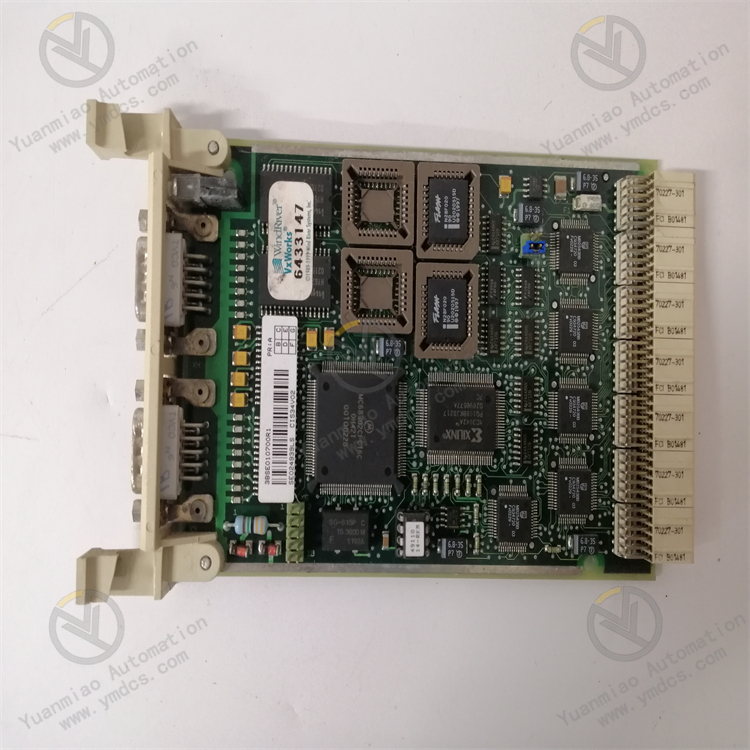
Triconex MP3009C1
I. Basic Information
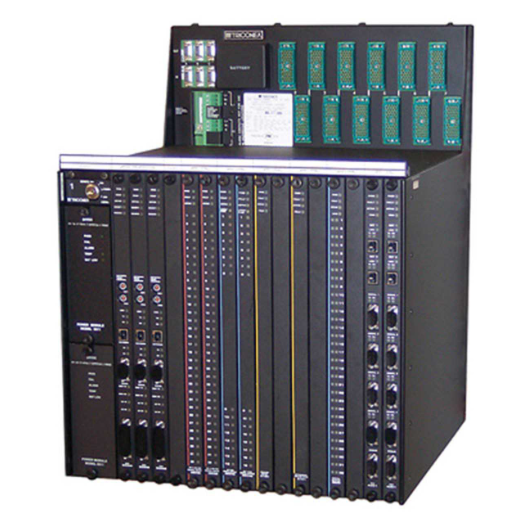
Model: MP3009C1Brand: TRICONEXProduct Line: High-performance Triple Modular Redundant (TMR) main processor module for Tricon V10/V11 safety control systems, deployed in slots 1-3 of 8110/8120E main chassis. Three identical MP modules run in parallel, implementing hardware 2-out-of-3 voting via the TriBus high-speed bus, responsible for safety logic calculation, I/O fault-tolerant verification, millisecond SOE recording and multi-system communication, widely used in high-risk process safety scenarios such as petrochemical, power and oil & gas industries.
Product Positioning
MP3009C1 is an upgraded controller of the 3009 series, adopting a fully independent TMR hardware fault-tolerant architecture without shared clock and power circuits. Single-point hardware faults can be isolated seamlessly without system downtime, achieving an availability rate of 99.999%. Equipped with large-capacity memory, dual debug serial ports and industrial Ethernet, it supports online program download, remote DCS data interaction and global self-diagnosis, expanding up to 15 racks and 118 I/O modules, fully complying with IEC 61508 SIL3 functional safety requirements, and can be used for the upgrade and replacement of legacy MP3006/3007/3008 controllers.
Hardware Architecture
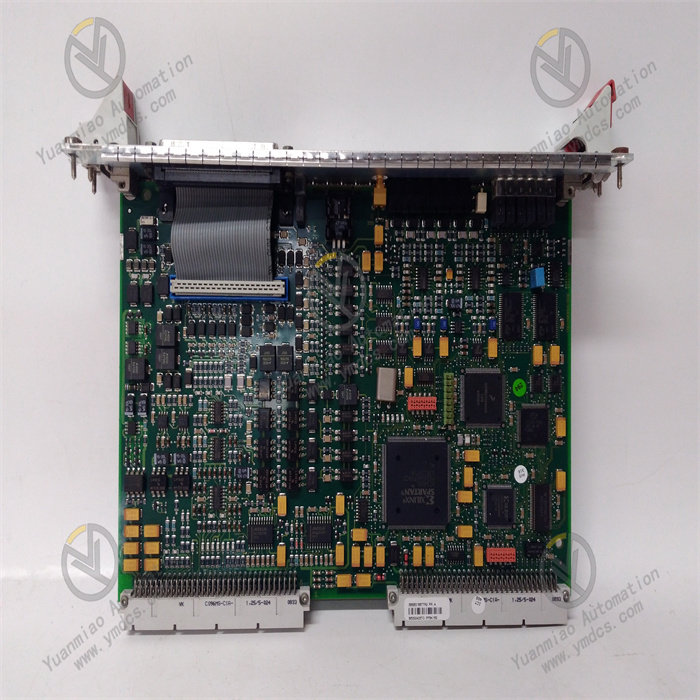
Flame-retardant PCB with full conformal three-proof coating, each processor consists of five independent functional units:
- TMR Independent Computing Unit: 32-bit RISC processor with independent power supply and clock circuit for each MP module; three modules synchronize data via TriBus for hardware majority voting to avoid common-cause failures.
- Multi-Stage Storage Unit: DRAM for program and real-time data caching; non-volatile SRAM permanently retains process parameters and fault logs, with periodic memory data verification via the backplane bus.
- TriBus Redundant Backplane Bus Unit: 25Mbps for 8110 chassis, 1000Mbps for 8120E enhanced chassis; isolated serial transmission with independent DMA data synchronization and error correction to guarantee deterministic scan cycles.
- Front Communication & Indication Unit: Dual RS232 debug ports, 1×10/100M Ethernet, multi-status LEDs for run, fault, active and bus alarm signals.
- Power & Protection Unit: Powered by chassis 5VDC redundant backplane, equipped with EMI filter, ESD/EFT surge protection and over-current/over-voltage hardware lockout.
Mounting Specification
Vertical slot installation in Tricon main chassis, three MP3009C1 modules must be deployed together to realize TMR redundancy; supports hot-swap maintenance under authorized system mode, compliant with IEC vibration and humidity cycling reliability standards for direct spare replacement.Dimension: 228mm×160mm×75mm, net weight: 1.6kg.
Compatible Systems
- Hardware: 8110/8120E main chassis, redundant power modules, analog/digital I/O cards, remote expansion racks, TriBus shielded cables and optical fiber modules;
- Software: Trident, Triconex Workbench for programming, firmware upgrade, online diagnosis and SOE analysis;
- Upper Platforms: DCS, SCADA, OPC server and fault management systems;
- Application Industries: Petrochemical ESD systems, thermal power SIS protection, oil & gas compressor interlock, metallurgical safety control and nuclear auxiliary safety monitoring.
Product Characteristics
- Pure hardware TMR architecture avoids software common-cause failures, meeting SIL3 safety certification with seamless fault isolation and bumpless system downgrade operation.
- Deterministic 10~100ms configurable scan cycle ensures fast and reliable emergency safety trip response via independent hardware bus voting.
- Large-scale expansion supports up to 15 racks and 118 I/O modules, covering thousands of process points for large centralized safety control systems.
- Millisecond SOE timestamp recording supports plant-wide time synchronization for accident traceability and safety compliance audit.
- Multi-industrial protocol communication enables seamless interconnection with third-party automation systems for local commissioning and remote centralized monitoring.
- Full-range online self-diagnosis accurately locates hardware faults with local LED and remote active alarm functions to reduce maintenance workload.
II. Technical Specifications
2.1 Electrical Parameters
- Power Supply: Chassis backplane +5VDC, typical power consumption 15W, rated operating current 625mA.
- Dielectric Withstand Voltage: 1500VAC 1min for all communication ports, ±4kV ESD, ±2kV EFT surge protection.
- Protection: Over-current, over-voltage, reverse connection and under-voltage hardware lockout.
2.2 Computing & Storage Parameters
- Processor: 32-bit RISC, 100MIPS deterministic cyclic scan execution.
- Memory: 8MB Flash, 4MB DRAM, non-volatile SRAM for offline data retention.
- TriBus Speed: 25Mbps (8110 chassis), 1000Mbps (8120E chassis), DMA hardware data voting and error correction.
- SOE Timestamp Accuracy: ≤1ms, supports SNTP network time synchronization.
2.3 Communication Parameters
- Serial Ports: 2×RS232, max baud rate 115200bps for programming and local debugging.
- Ethernet: 10/100Mbps RJ45, supports Modbus TCP, OPC, DNP3 industrial protocols.
- Remote Expansion: Single-mode optical fiber supports up to 12km remote I/O rack deployment.
2.4 Environmental Specifications
- Operating Temperature: 0℃ ~ +60℃; Storage Temperature: -40℃ ~ +85℃.
- Relative Humidity: 5%~95%RH, non-condensing, no corrosive gas or heavy dust.
- Vibration Standard: IEC 60068-2-6, 0.7g continuous horizontal & vertical vibration.
- Protection Class: Bare board IP20, IP30 in sealed metal control cabinet.
2.5 Mechanical Parameters
- Dimension: 228mm×160mm×75mm, net weight: 1.6kg.
- Mounting: 19-inch Tricon rack slot installation with anti-loose front locking lever.
- PCB: FR4 V0 flame-retardant material with full-area three-proof conformal coating.
- Interfaces: Front debug/network ports and status LEDs, rear gold-plated TriBus backplane connector.
III. Key Features
3.1 TMR Triple Hardware Redundant Fault-Tolerant Safety Computing
Three MP modules execute identical control logic synchronously, adopting 2-out-of-3 hardware voting. Faulty modules are isolated automatically, and the system operates in 3-2-1-0 downgrade mode to eliminate single-point failure safety risks.
3.2 Deterministic Cyclic Control & Global Hardware Self-Diagnosis
Configurable millisecond scan cycle guarantees predictable interlock response; comprehensive power-on and runtime self-test realizes precise fault location with local and remote dual alarm mechanisms, supporting online point forcing, logic simulation and fault troubleshooting.
3.3 Mass Millisecond SOE Fault Event Traceability
Non-volatile storage retains timestamped interlock trip, status change and hardware fault records, supporting accident analysis, safety audit and relay protection timing verification to meet industrial regulatory compliance requirements.
3.4 Large-Scale Distributed I/O Expansion & Multi-Dimensional Redundancy
Local and remote racks can be extended via TriBus and optical fiber, with full TMR fault tolerance for all I/O loops; redundant power, bus and communication designs maximize system continuous operation reliability.
3.5 Online Maintenance & Cross-System Data Interconnection
Supports bumpless online logic modification and program download without plant shutdown; multi-protocol communication realizes two-way data interaction with DCS and OPC platforms to balance on-site commissioning and remote centralized monitoring demands.
IV. Working Principle
After chassis power-on, three MP3009C1 modules complete independent self-test and firmware initialization, synchronize clock, program and memory via the TriBus bus and enter synchronous cyclic scan mode. The three processors collect field I/O signals, run safety logic respectively, and adopt hardware majority voting to output reliable control commands. Faulty modules are isolated automatically with fault codes latched for troubleshooting; all event records with millisecond timestamps are stored permanently, and front communication interfaces realize program debugging and upper computer data interaction. Backup SRAM ensures no loss of parameters and logs after power failure.
V. Application Scenarios
- Petrochemical Industry: ESD emergency shutdown systems for reaction units, SIL3 safety instrumented interlock control for high-risk processes.
- Thermal & Combined Cycle Power Plants: Turbine/boiler SIS safety protection, ETS trip interlock and millisecond SOE fault sequence recording.
- Oil & Gas Pipeline Compressor Stations: Anti-surge, overspeed and pressure safety interlock control for compressor units.
- Metallurgical High-Pressure Equipment: Furnace emergency shutdown and toxic medium leakage isolation safety control.
- Legacy Tricon System Renovation: Direct replacement of old-generation MP controllers with full compatibility for existing chassis, I/O modules and control configuration to shorten outage transformation duration.