Description
1. Overview
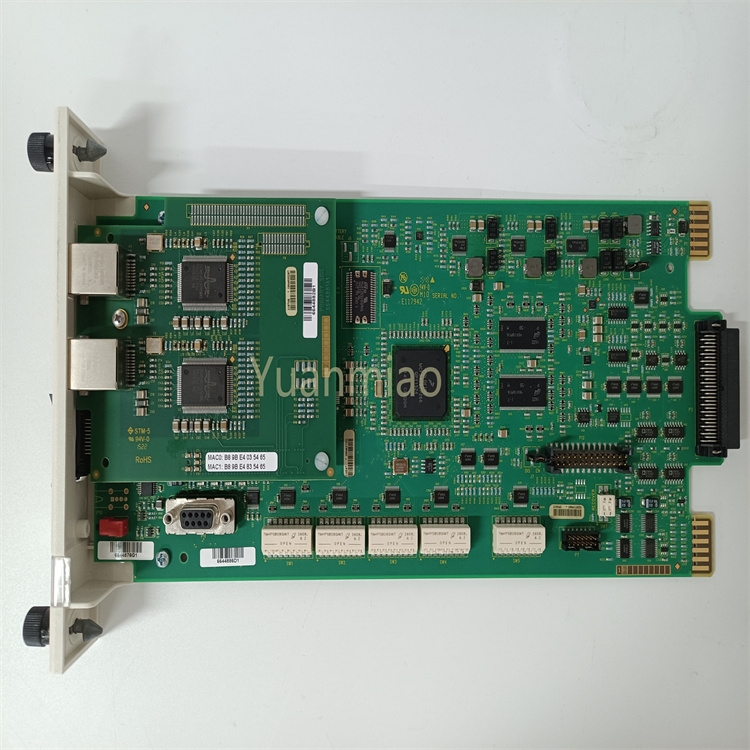
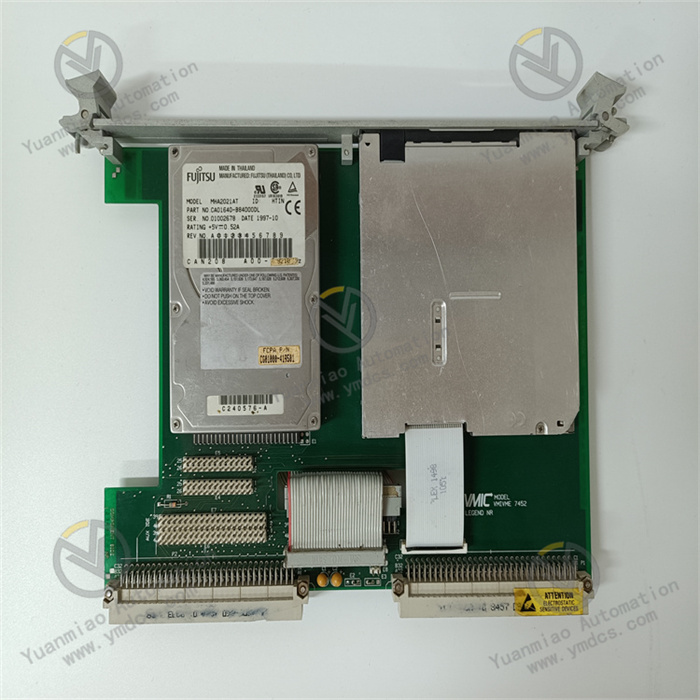
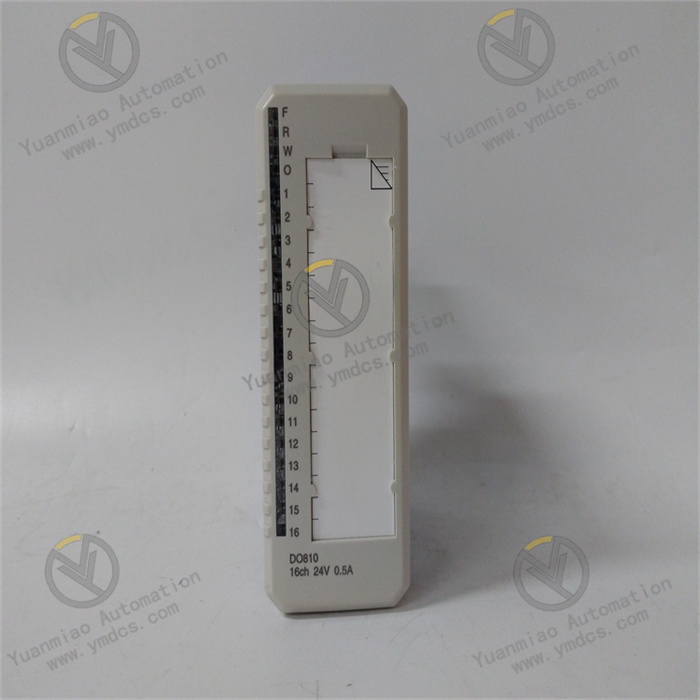
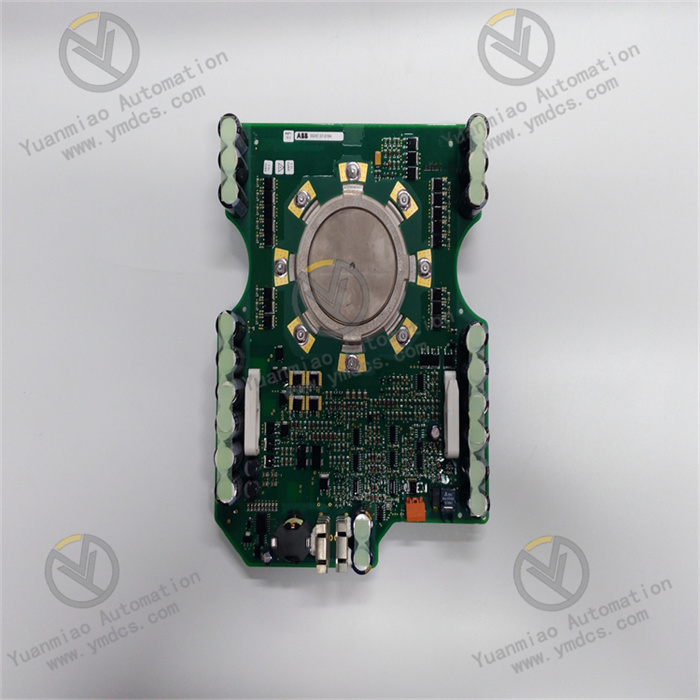
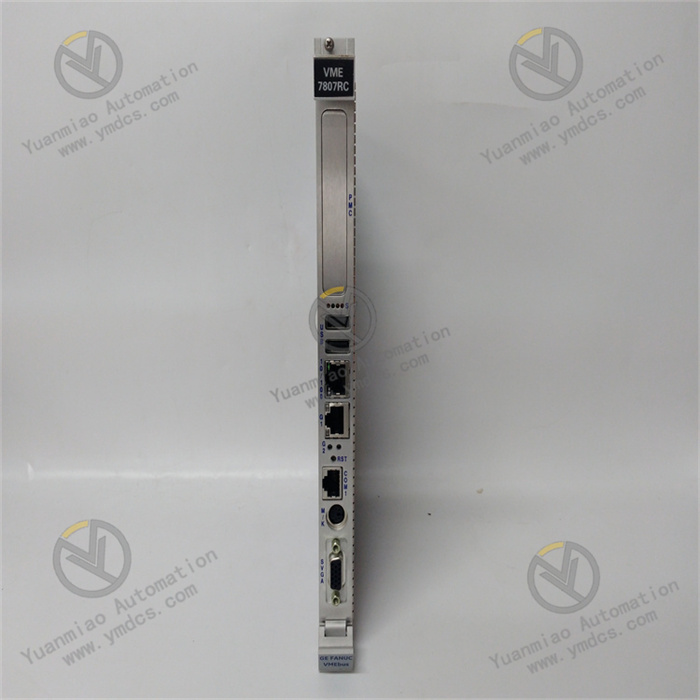
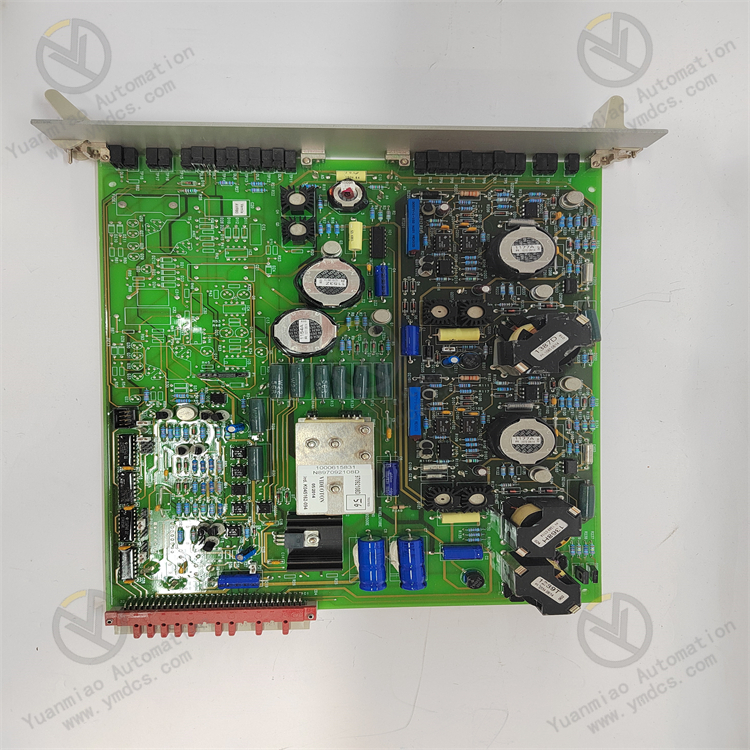
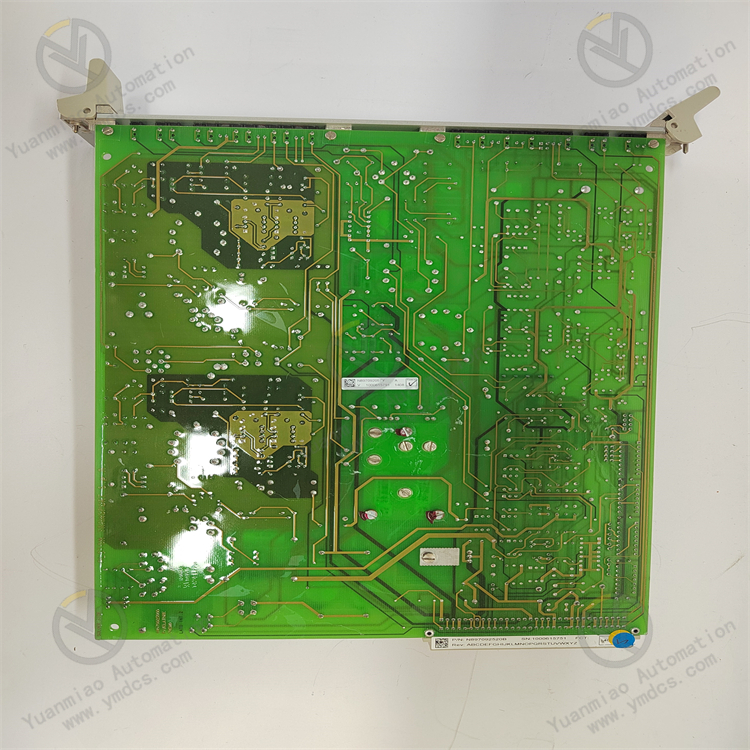
ALSTOM N897092520B, N897092057Y and N897092500E constitute a complete set of industrial TRENO redundant ring communication interface modules. They serve as the core bus communication and data interaction units for ALSTOM turbine control systems, combined-cycle power unit control systems of power plants, and dedicated TRENO control systems for rail transit.
Adopting an integrated three-board coordinated architecture, the module assembly is designed for redundant ring networking across the system, cross-board data transmission, bus protocol conversion, and fault-tolerant backup of communication links. It undertakes key communication functions including command transparent transmission, operating condition data uploading, equipment status interaction, and ring self-healing fault tolerance for the entire control system, acting as the central communication hub that guarantees universal data interconnection, time sequence synchronization and link redundancy within the industrial control system.
The TRENO series is ALSTOM’s dedicated high-end redundant communication module suite. Unlike ordinary single-channel communication boards, it adopts a dual-ring redundant communication architecture, equipped with capabilities such as link fault self-recovery, data error correction & retransmission, bus timing calibration and interference filtering & noise reduction. It thoroughly resolves common industrial communication issues including data packet loss, timing misalignment, link disconnection and data disorder.
The entire module set has passed stringent industrial tests covering high & low temperature cycling, vibration shock, electromagnetic compatibility (EMC) and long-term energized aging for both power and rail transit industries. It can operate stably under harsh conditions such as intense electromagnetic interference, high temperature & humidity inside cabinets, dust accumulation and 24/7 uninterrupted continuous operation in power plants.
2. Technical Features
2.1 Dual Redundant Ring Communication with Ultra-High Fault Tolerance & Reliability
2.2 High-Speed Stable Data Transmission with Precise Timing Synchronization
2.3 Full-Link Signal Isolation & Noise Reduction with Excellent Anti-Interference Performance
2.4 Intelligent Data Error Correction & Retransmission for Superior Transmission Accuracy
2.5 Native System Compatibility Enabling Non-Destructive In-Situ Replacement
2.6 Real-Time Link Self-Diagnosis for Accurate Fault Localization
2.7 Rugged Industrial Construction for Long-Term Maintenance-Free Operation
3. Specification Parameters
3.1 Basic Complete Set Parameters
- Full Set Model: N897092520B + N897092057Y + N897092500E (TRENO Redundant Ring Communication Three-Piece Kit)
- Manufacturer: ALSTOM
- Device Type: TRENO Industrial Redundant Ring Bus Communication Interface Module Assembly
- Core Functions: TRENO ring bus networking, high-speed data transmission, redundant link self-recovery, communication signal conditioning & isolation, data verification & error correction, timing synchronous calibration, communication fault diagnosis & alarming, universal data interaction between all field devices
- Compatible Systems: ALSTOM gas/steam turbine control systems, combined-cycle unit control systems, industrial control systems built on TRENO architecture, power plant DCS systems, rail transit control systems
- Application Scenarios: Maintenance of unit redundant communication systems, replacement of legacy TRENO communication modules, stability upgrading of bus communication, rectification of ring link faults, optimization of data interaction precision for industrial control systems
3.2 Electrical & Communication Performance Parameters
- Operating Power Supply: 24VDC wide-range industrial power supply, compliant with standard power specifications for power plant cabinets, low power consumption for stable operation
- Communication Architecture: Dual TRENO hot standby redundant rings with millisecond-level automatic switching upon link faults
- Transmission Characteristics: High-speed bus transmission with low latency, ultra-low bit error rate and packet loss rate, supporting continuous transmission of large data volumes
- Synchronization Mechanism: System-wide hardware clock synchronization with precise timing calibration to eliminate timing misalignment
- Signal Processing: Multi-stage filtering, electrical isolation, impedance matching and signal shaping with powerful anti-interference capability
- Verification Mechanism: Dual hardware & software packet verification, automatic error correction and retransmission for abnormal data
- Electrical Protection: Multi-level built-in protection against overvoltage, overcurrent, short circuit, surge, electrostatic discharge and high-frequency interference
- Operation Mode: Supports 24-hour continuous communication covering steady-state, start-stop and fault conditions of power units
3.3 Environmental Operating Parameters
- Operating Temperature: 0℃ ~ +65℃, suitable for long-term enclosed high-temperature cabinet operation
- Storage Temperature: -40℃ ~ +85℃
- Operating Humidity: 5% ~ 95%RH (non-condensing), moisture resistant to prevent short circuits caused by dew formation
- Environmental Resistance: Dust-proof, moisture-proof, anti-corrosion, vibration-resistant, anti-aging, anti-electromagnetic interference
- EMC Compliance: Meets high-grade EMC standards for power and rail transit industries, applicable to complex environments with intense electromagnetic fields
3.4 Structural & Maintenance Parameters
- Structure Form: Standard ALSTOM plug-in modular card, installed as a complete matched set for original factory cabinet slots
- Mounting Method: Hot-swappable plug-in installation with precise alignment, reliable contact and excellent vibration resistance
- Version Compatibility: Fully interchangeable with legacy TRENO communication modules of the same series for in-situ upgraded replacement
- Maintenance Features: Full-link self-check upon power-up, real-time communication status monitoring, automatic fault archiving, no routine calibration required
- Operational Advantages: Dual-ring fault tolerance, no single point of failure, stable communication without drift, long-cycle maintenance-free service
4. Working Principle
After the entire ALSTOM TRENO ring communication module set is powered on, the three boards sequentially complete hardware initialization, communication chip self-inspection, ring link verification, bus handshake synchronization and signal parameter calibration. Upon successful self-checks, a dual redundant TRENO communication ring is automatically established, and the assembly enters steady universal data interaction mode.
Various operating condition data, control commands and equipment status signals generated by all I/O modules, acquisition units, execution modules and main ECPU controllers across the system are firstly fed into the N897092057Y signal conditioning & isolation board. It implements signal filtering, noise elimination, waveform shaping, electrical isolation and amplitude calibration to remove abnormal signals induced by line interference and voltage fluctuations, outputting standardized pure communication signals and avoiding communication bit errors and data distortion at the source.
The conditioned standardized signals are transmitted to the N897092520B main communication processing board. Based on exclusive TRENO communication algorithms, it executes packet parsing, classified packaging, timing sorting, data verification and forwarding scheduling, coordinates uplink and downlink data interaction of the whole system, and implements clock synchronous calibration, data error correction and abnormal retransmission logic to guarantee accurate transmitted data, unified timing and orderly commands.
Finally, standardized data and control commands are universally forwarded and transmitted in closed loops via the dual redundant ring topology constructed by the N897092500E bus interface backplane, realizing real-time data exchange between the main control system, all field modules and upper monitoring platforms. The two rings operate in hot standby mode all the time and monitor each other’s link status; automatic switching will be triggered within milliseconds once one ring fails, with no communication interruption or data loss.
5. Application Scenarios
5.1 TRENO Redundant Communication Networking for Turbine Units
5.2 Stability Optimization of Bus Communication for Power Plant DCS Systems
5.3 Communication Assurance for Rail Transit TRENO Control Systems
5.4 Complete Set Maintenance & Upgrade of Legacy Communication Modules