Description
1. Overview
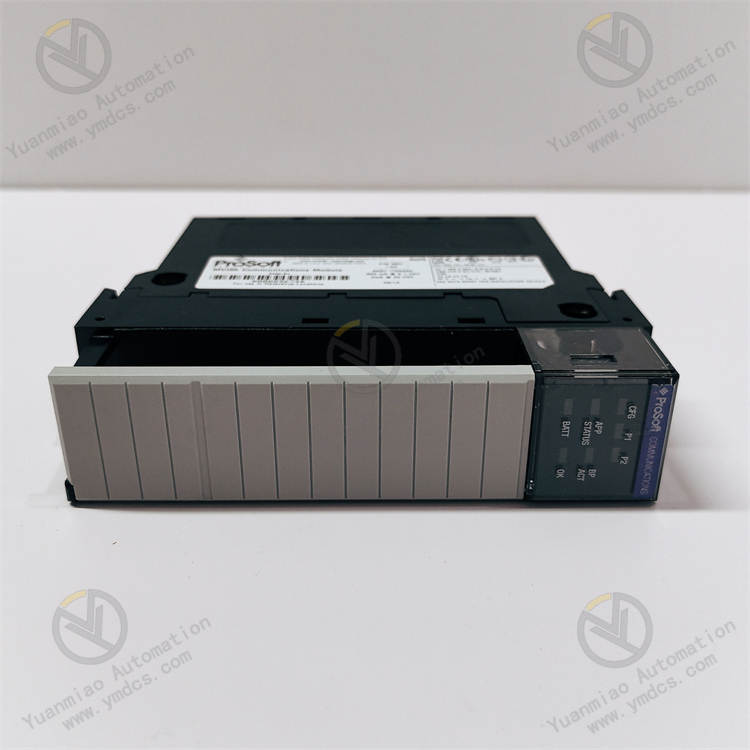
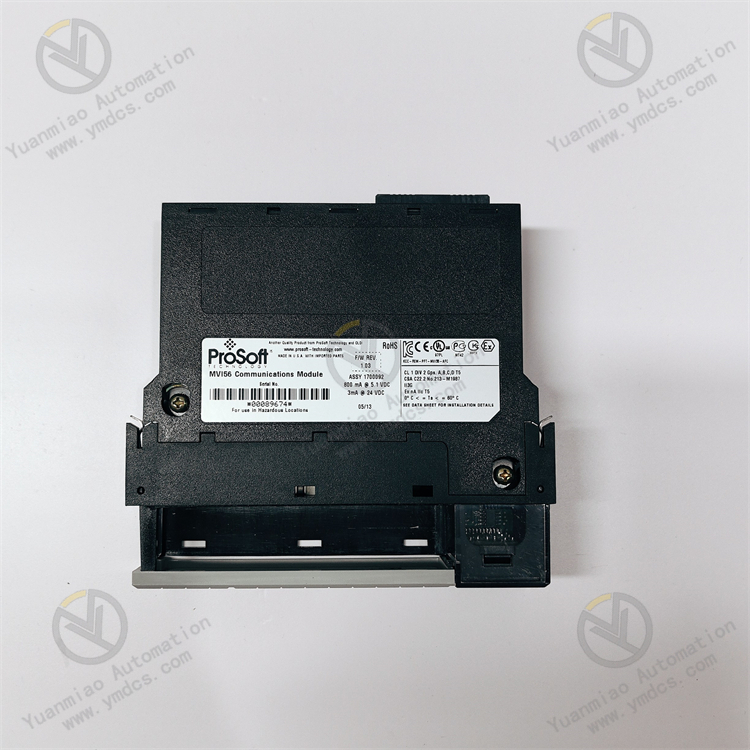
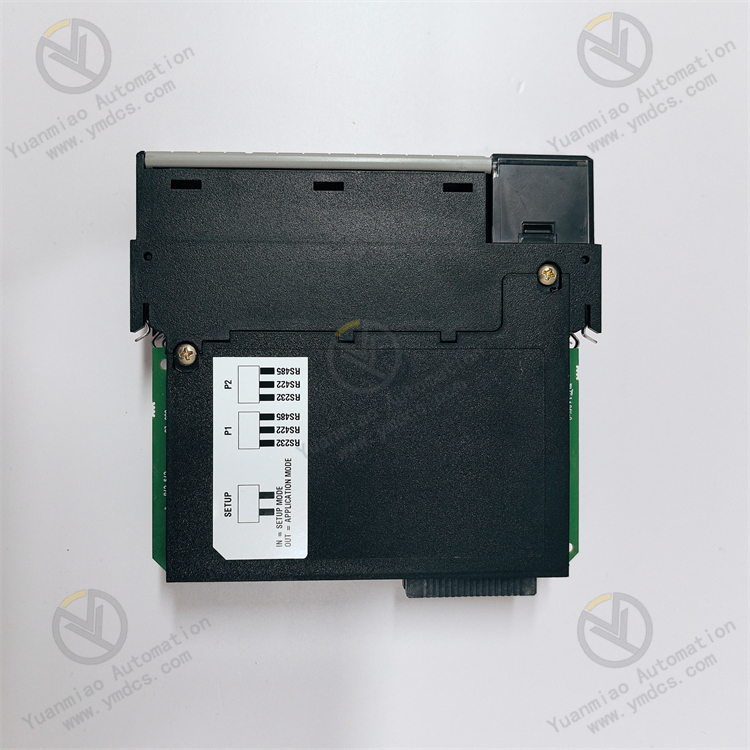
The Prosoft MVI56-LTQ is a dedicated Limitorque valve actuator master communication module developed for Rockwell Allen‑Bradley ControlLogix platforms. It serves as a professional gateway for intelligent management of electric valve groups in thermal power, water treatment, petrochemical and oil-gas industries. Installed directly in the ControlLogix rack, it realizes bus communication docking between PLC systems and full-series Limitorque electric valve actuators, completing remote valve control, status acquisition, fault diagnosis and parameter reading/writing. It effectively solves the disadvantages of traditional hard-wiring modes such as complicated construction, serious signal interference and limited expansion capacity.
2. Technical Features
2.1 Dedicated Protocol Adaptation for Limitorque Valves
2.2 High-Capacity Centralized Equipment Management
2.3 Native ControlLogix Platform Compatibility
2.4 Full-Dimensional Bus Self-Diagnosis & Fault Location
2.5 Hot-Swap Maintenance for Non-Stop Operation
2.6 Industrial-Grade Design for Harsh Working Conditions
2.7 Cost-Effective Replacement for Traditional Hard-Wiring
3. Detailed Specifications
3.1 Basic Hardware Parameters
- Model: MVI56-LTQ
- Manufacturer: ProSoft Technology (USA)
- Series: ControlLogix Platform Dedicated Communication Module
- Device Type: Limitorque Valve Actuator Master Communication Module
- Mounting Method: Standard ControlLogix Rack Slot Installation
- Rack Power Consumption: 800mA Operating Current
- Core Functions: Limitorque Valve Bus Communication, Multi-Device Centralized Management, Remote Valve Control, Status Data Acquisition, Fault Diagnosis & Alarm, Online Configuration, Hot-Swap Maintenance
- Compatible Systems: Full-Series Allen‑Bradley ControlLogix PLC, RSLogix 5000 / Studio 5000 Software
- Compatible Equipment: Full-Series Limitorque Electric Valve Actuators & Industrial Pipeline Valve Groups
3.2 Communication Performance Parameters
- Communication Protocol: Dedicated Limitorque Valve Control Bus Protocol
- Device Capacity: Max 150 Limitorque Valve Actuators Managed Per Module
- Data Mapping: 1500-Word Independent Register Data Interaction Area
- Transmission Mechanism: Asynchronous Transmission of PLC Logic and Bus Communication, Independent & Stable
- Control Functions: Remote Valve Opening/Closing/Stopping, Emergency Reset, Parameter Reading & Writing, Status Monitoring
- Fault Tolerance: Isolated Single-Device Communication Fault, No Impact on Other Equipment Operation
3.3 Software Compatibility Parameters
- Compatible Software: RSLogix 5000 (V2.51+), Studio 5000
- Configuration Mode: Standard Configuration File Import & Ladder Logic Programming
- Data Interaction: Active Upload of Valve Status/Fault/Position Data, Passive Receipt of PLC Control Commands
- Log Function: Storage of Communication Events, Equipment Actions and Fault Records for Operation Traceability
3.4 Electrical Parameters
- Power Supply: Unified ControlLogix Rack Backplane Power Supply
- Rated Operating Current: 800mA
- Built-In Protection: Over-Current Protection, ESD Protection, Surge Suppression, Bus Short-Circuit Protection
- Electrical Isolation: Isolation Between Bus Port and Rack Backplane to Block Interference
- Operating Characteristics: Low-Power Stable Operation, No Overheating or Communication Stuttering Under Full Load
3.5 Environmental & Mechanical Parameters
- Operating Temperature: -25℃~+60℃ for Long-Term Cabinet Continuous Operation
- Storage & Transit Temperature: -40℃~+85℃ for Transportation & Storage
- Operating Humidity: 5%~95% RH (Non-Condensing), Moisture & Corrosion Resistant
- Mechanical Performance: Standard Modular Rack Structure, Vibration-Proof & Anti-Loose
- EMC Performance: Industrial-Grade EMC Certification, Anti-RF, Anti-Harmonic & Anti-Surge Interference
3.6 Diagnosis & Maintenance Parameters
- Self-Diagnosis: Power-On Self-Test, Bus Link Detection, Device Communication Diagnosis, Hardware Fault Alarm
- Fault Isolation: Independent Locking of Single-Device Abnormality, No Impact on Overall System Operation
- Maintenance Features: Rack Hot-Swap Supported, Online Parameter Configuration, Non-Stop Debugging & Expansion
- Status Feedback: Real-Time Upload of Valve Position, Limit Status, Motor Fault, Overload & Communication Timeout Information
4. Operating Principle
After being inserted into the ControlLogix rack and powered on, the Prosoft MVI56-LTQ completes hardware initialization, backplane bus handshake, protocol loading and self-test, and enters the Limitorque valve master communication mode after verification. As the core communication transfer unit between PLC and field valve actuators, it establishes polling communication links with all on-site Limitorque electric valves through a dedicated bus. It periodically collects key data including valve switch status, position feedback, limit signals, motor operating current and fault codes, verifies and sorts the data, maps it to internal module registers, and synchronously uploads it to the ControlLogix controller and upper monitoring system to realize real-time visual monitoring of valve status.
Meanwhile, the module receives control commands such as valve opening, closing, emergency stop and fault reset issued by the PLC, verifies and encapsulates the commands through dedicated protocols, and issues them to corresponding valve actuators to drive on-site valve group actions accurately. Adopting an asynchronous transmission architecture, PLC logic operation and field bus communication are independent, effectively avoiding system stuttering and command delay caused by large-volume data interaction. During operation, it continuously monitors bus link quality and single-device communication status. Once communication timeout, device offline or bus abnormality is detected, it isolates faulty nodes and uploads alarms immediately to ensure stable operation of remaining valve groups.