Description
1. Overview
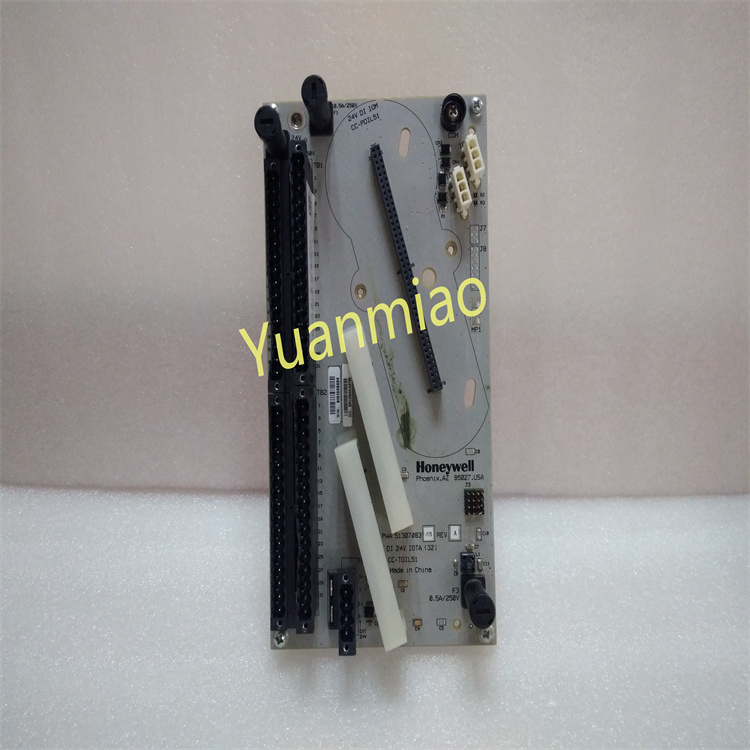
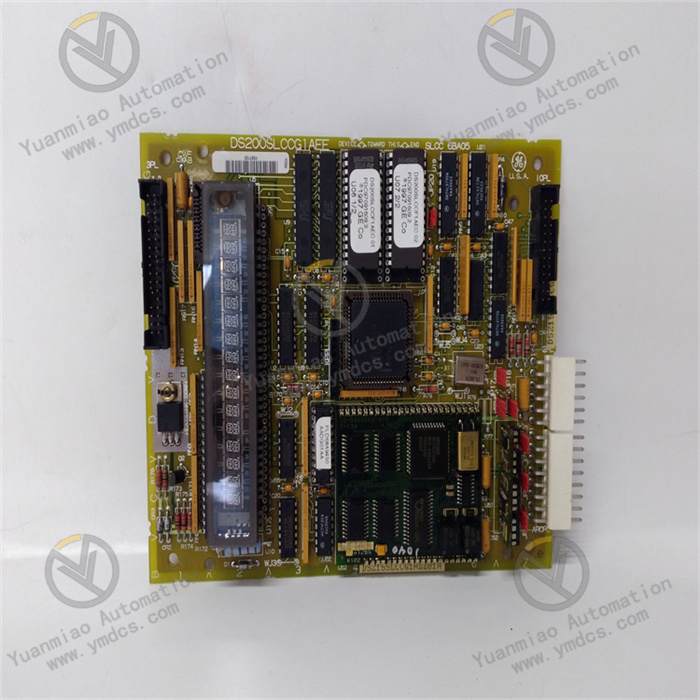
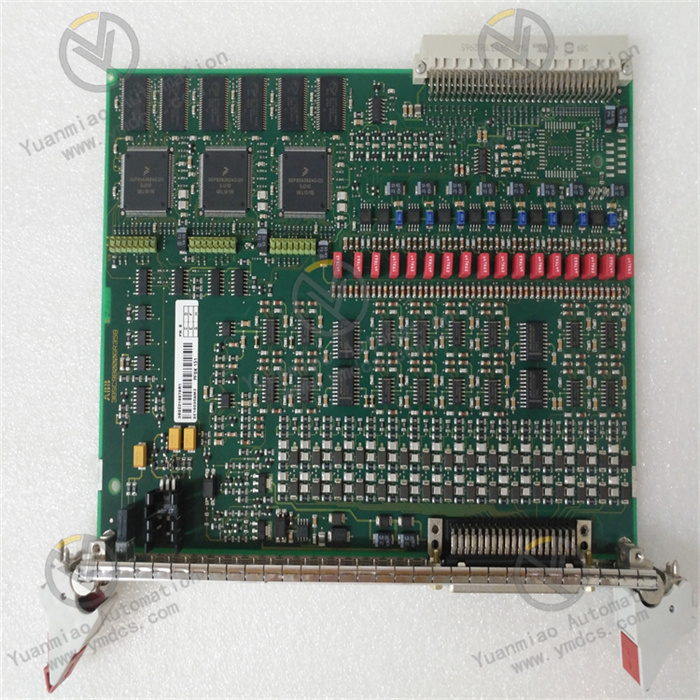
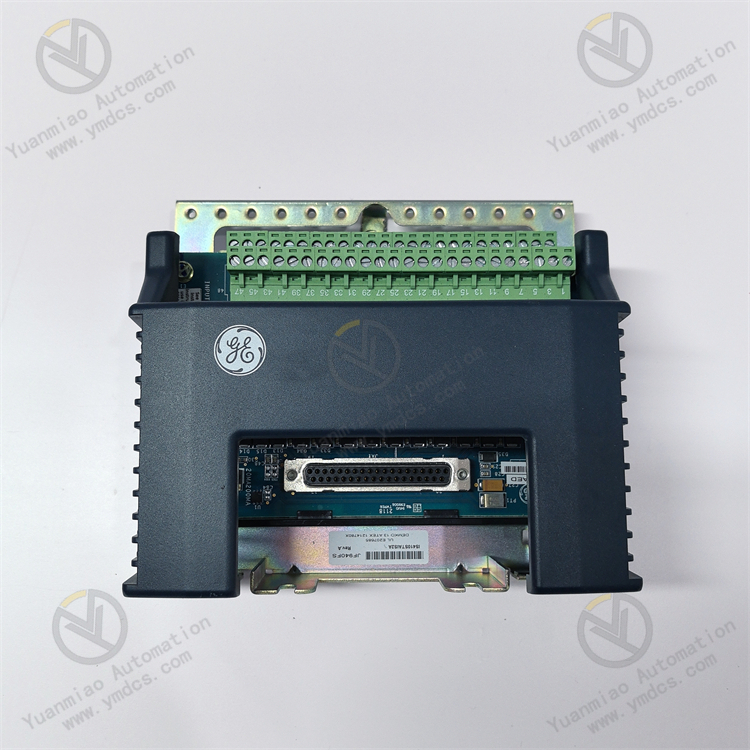
IS400STAIS2AED is a high-performance mixed analog input and output I/O module of GE Vernova IS400 series. Custom-developed for GE Mark VI / Mark VIe gas turbine and steam turbine turbine control systems, it serves as the integrated core unit for process signal acquisition and regulation control in power plant generating units. Different from single acquisition modules, this module integrates dual functions of analog input acquisition and analog output regulation. It can simultaneously complete precise collection of on-site process parameters and closed-loop regulation drive of local actuators, undertaking both data monitoring and process control tasks. It is widely deployed in refined automatic control loops of generating units.
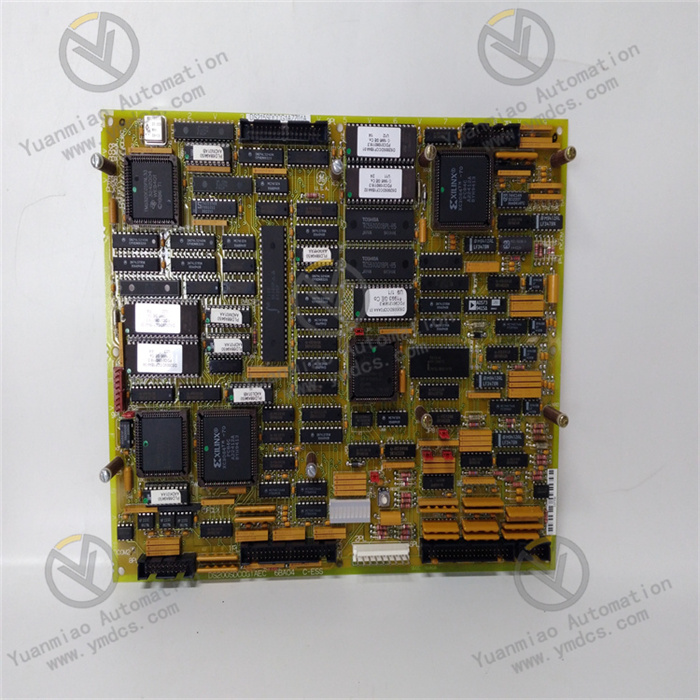
The module adopts an industrial ruggedized PCB architecture with conformal coating. It is equipped with high-precision multi-type signal processing chips and independent AD/DA conversion units, supporting compatible acquisition of current, voltage, thermocouple and RTD signals, while providing standard analog output driving capability. The circuit board integrates multi-stage galvanic isolation, surge suppression, hardware filtering and software noise reduction circuits, delivering excellent anti-interference performance to cope with harsh operating conditions in power plants characterized by strong electromagnetic fields, high temperature & humidity, vibration and shock. Natively compatible with Mark VIe system bus and configuration software, it supports online configuration parameter switching, loop calibration and fault self-diagnosis. It is applicable for complete set matching of new units, replacement of I/O modules in legacy units, expansion of analog regulation loops and refined technical upgrading of automatic control systems.
2.1 Integrated Input and Output with High Integration and Comprehensive Functions
Adopting hybrid AI+AO integrated design, a single module realizes both analog signal acquisition and analog regulation output. A complete closed-loop control loop can be constructed without separate input and output modules, significantly saving cabinet installation space and wiring costs. It can be used for monitoring process parameters such as temperature, pressure and flow, and directly drive local equipment including control valves, actuators and variable frequency devices. It meets the demand for independent precise single-loop control of generating units and enables simpler and more efficient system networking.
2.2 Multi-Signal Configurable Compatibility for Wide Application Scenarios
It supports online switching of multiple industrial signals via software configuration. On the input side, it supports mainstream industrial signals including 4~20mA current, 0~10V/1~5V voltage, J/K/T/E/R/S type thermocouples, Pt100/Pt1000/Cu50 RTDs, fully covering acquisition requirements of various process parameters such as temperature, pressure, flow, liquid level and valve position in power plants. The output side supports standard 0~20mA analog output signals, compatible with most local regulating actuators in power plants. No additional signal conversion modules are required, offering outstanding on-site adaptability.
2.3 High-Precision Conversion for Stable and Accurate Regulation Control
Equipped with dedicated high-resolution AD/DA conversion chips, the acquisition accuracy reaches ±0.2%FS and output regulation accuracy reaches ±0.1%FS, featuring low temperature drift coefficient and excellent signal linearity. It can accurately capture tiny fluctuations of process parameters, and achieve deviation-free, lag-free and jitter-free output regulation. It fully satisfies high-precision closed-loop control requirements including fine load adjustment of gas and steam turbine units, steady-state pressure/flow stabilization and precise temperature management, and guarantees stable execution of unit regulation logic.
2.4 Full-Channel Isolation Protection with Superior Anti-Interference Performance
All input and output channels are equipped with independent galvanic isolation structures, thoroughly separating interference loops of on-site primary equipment from the core bus of the control system. It effectively resists various interference signals such as strong electromagnetic radiation, voltage surges, electrostatic interference, ground circulation and high-frequency clutter in power plants. Combined with dual noise reduction mechanism of multi-stage hardware filtering and software algorithms, it completely eliminates working-condition jitter and signal distortion. It avoids faults such as inaccurate acquisition, regulation drift and accidental actuator actions caused by interference, and improves system operation stability under complex working conditions.
2.5 Industrial Rugged Design with Excellent Environmental Adaptability
Adopting industrial conformal coating reinforcement technology, together with carefully selected high-temperature resistant, anti-aging and high-stability industrial components. The whole module has passed a full set of industrial reliability tests including high-low temperature cycling, temperature-humidity aging, vibration shock and EMC electromagnetic compatibility. It supports stable operation over a wide temperature range and features dust-proof, moisture-proof, anti-corrosion, vibration-resistant, shock-resistant and humidity aging resistant properties. It enables long-term 24-hour uninterrupted operation in harsh industrial sites such as gas turbine workshops and local control cabinets with low failure rate and long service life.
2.6 Intelligent Configuration and Self-Diagnosis for Convenient and Efficient Maintenance
Fully compatible with ControlST configuration software for Mark VIe systems, supporting online signal type switching, channel parameter configuration, loop calibration and real-time data monitoring. Equipped with on-board hardware self-diagnosis mechanism, it monitors module operating status, channel wire breakage, over-range, signal abnormality, output fault, bus communication abnormality and other issues around the clock to accurately locate fault points. It simplifies on-site commissioning, loop verification, daily inspection and troubleshooting procedures, greatly reducing unit maintenance costs and downtime risks.
3. Technical Specifications
3.1 Basic Parameters
Model: IS400STAIS2AED; Brand: GE Vernova / GE Fanuc; Series: IS400 Series I/O Modules Dedicated for Mark VI/VIe Systems; Type: Integrated Mixed Analog Input and Output Module; Compatible Systems: GE Mark VI, Mark VIe Gas Turbine & Steam Turbine Turbine Control Systems; Core Functions: Multi-type analog signal acquisition, high-precision analog-to-digital conversion, analog regulation output, closed-loop process control, channel fault self-diagnosis; Application Scenarios: Process monitoring, precise regulation and automatic control systems for units in thermal power, cogeneration, gas-fired power and combined-cycle power plants.
3.2 Electrical Parameters
Channel Configuration: Integrated multi-channel analog input (AI) + analog output (AO); Input Signals: 4~20mA DC current, 0~10V/1~5V DC voltage, multiple types of thermocouples, multiple types of RTDs; Output Signal: 0~20mA DC standard analog regulation signal; Acquisition Accuracy: ±0.2%FS; Output Accuracy: ±0.1%FS; Conversion Characteristics: High linearity, low temperature drift, zero offset free; Signal Processing: Multi-stage hardware filtering + software algorithm filtering to suppress high-frequency interference and signal jitter; Protection Mechanism: Full-channel galvanic isolation, surge suppression, overvoltage & overcurrent protection, reverse voltage protection; Response Characteristics: Fast signal response, lag-free regulation, stable values without fluctuation.
3.3 Structural and Installation Parameters
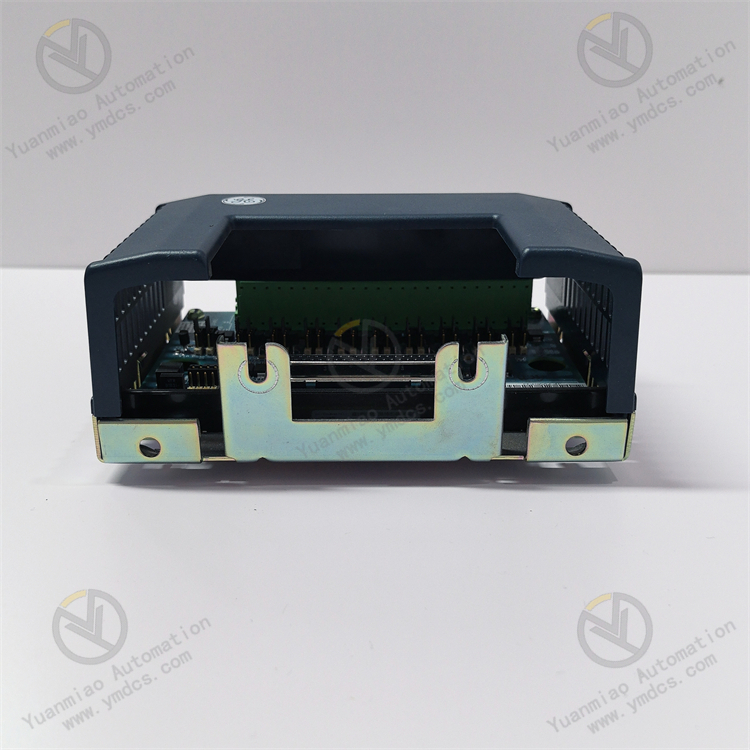
Structure: Standard Mark VI/VIe rack-mounted ruggedized PCB board with industrial conformal coating protection; Installation Method: Embedded rail installation in system racks with precise docking via standard backplane bus; Status Indication: On-board LED indicators to visually display module operation, communication and channel fault status; Wiring Mode: Standard wiring terminals for neat wiring, reliable contact and convenient maintenance; Hardware Technology: Industrial-grade reinforcement technology with anti-aging, moisture-proof, anti-corrosion, anti-electromagnetic interference and vibration-resistant capability.
3.4 Environmental Parameters
Operating Temperature: -40℃ ~ +85℃; Storage & Transportation Temperature: -40℃ ~ +85℃; Operating Humidity: 5%~95%RH (Non-Condensing, No Corrosive Gas); Environmental Resistance: Vibration resistance, shock resistance, anti-electromagnetic interference, humidity aging resistance, dust-proof and moisture-proof; Applicable Scenarios: Harsh industrial sites including main control rooms of power plants, local control cabinets for gas/steam turbines and automatic control cabinets of cogeneration plants.
The IS400STAIS2AED module follows an integrated workflow: Isolated acquisition of multi-type signals → Filtering and conditioning → High-precision AD conversion → Data upload and calculation → Main control logic operation → Precise DA output → Closed-loop loop verification + online self-diagnosis. After analog signals such as temperature, pressure, flow and liquid level are connected to the AI channels of the module, they go through galvanic isolation and multi-stage filtering noise reduction to eliminate on-site electromagnetic interference and working noise. The signals are converted into digital signals via high-precision AD conversion and uploaded to the Mark VIe main control system.
Combined with preset unit process logic, load commands and deviations of collected parameters, the main control system calculates and outputs precise regulation commands and sends them to the DA conversion unit of the module. The commands are converted into standard analog output signals to drive local control valves, actuators and other equipment to complete closed-loop correction regulation of opening, flow, pressure and temperature, realizing steady-state precise control of unit process parameters. The module conducts real-time self-inspection of input/output channel status, bus communication conditions and hardware operation throughout the whole process. Once signal disconnection, over-range, output abnormality, communication fault and other issues are detected, system alarms will be triggered immediately to assist maintenance personnel in rapid troubleshooting and ensure stable, precise and reliable operation of unit regulation loops.
5.1 Acquisition of Unit Process Parameters and Precise Closed-Loop Regulation
As the core integrated I/O hardware, it synchronously completes collection of key process parameters such as unit temperature, pressure, flow and liquid level and closed-loop regulation of local actuators. It adapts to core automatic control loops including gas turbine intake regulation, steam turbine fine load adjustment, steady pressure/flow stabilization of process media and precise temperature management. Supported by high-precision acquisition and regulation performance, it ensures accurate and controllable steady-state operating parameters of units and improves power generation efficiency and operation stability.
5.2 Centralized Monitoring of Complex Multi-Type Signals
Benefiting from multi-signal compatibility, it can simultaneously receive various on-site signals including current, voltage, thermocouple and RTD signals. It meets the centralized acquisition requirements of different measuring points and various process parameters of units. Multiple modules with different functions are no longer required, simplifying the system I/O architecture and adapting to complex measuring point layout and diversified signal acquisition scenarios in power plants.
5.3 Module Replacement and Technical Transformation of Legacy Control Systems
Fully compatible with racks, backplane buses and configuration logic of all Mark VI and Mark VIe systems. It can directly replace aging split-type I/O modules with single functions, degraded precision and frequent failures on site. A single module can replace the traditional combination of independent input and output modules. No modification to original wiring and control programs is needed, enabling low-cost optimization and upgrading of legacy loops, simplifying cabinet equipment and improving loop stability.
5.4 Capacity Expansion and Intelligent Upgrading of Refined Automatic Control Systems
Applicable to technical transformation scenarios such as process optimization, intelligent upgrading and addition of refined regulation loops for power station units. Supported by integrated design, high precision and strong anti-interference capability, it can flexibly expand system acquisition and regulation capacity, rapidly improve the refined automatic control system of units, and meet high-standard control demands including deep peak regulation, steady-state process optimization, energy conservation and efficiency improvement of power plants.
![]()