Description
1. Overview
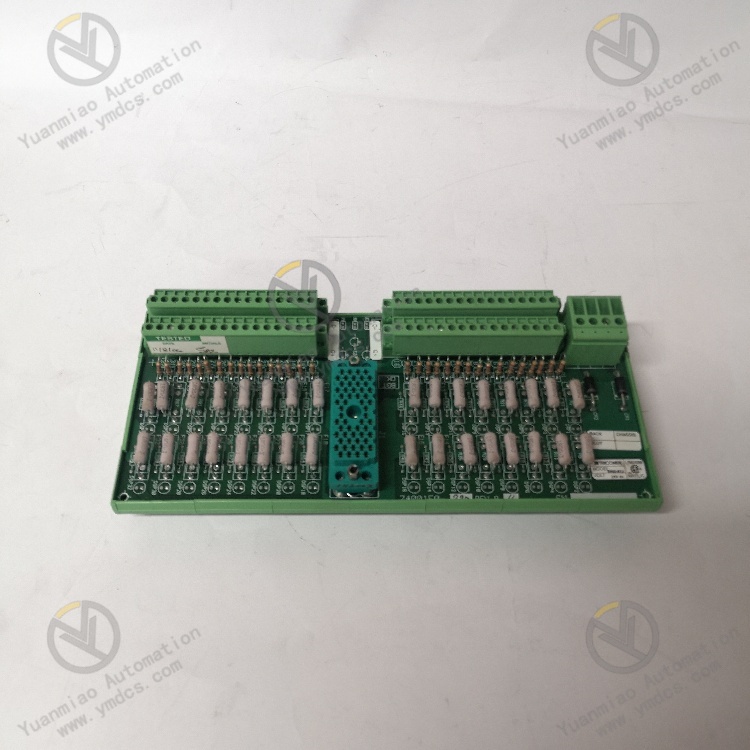
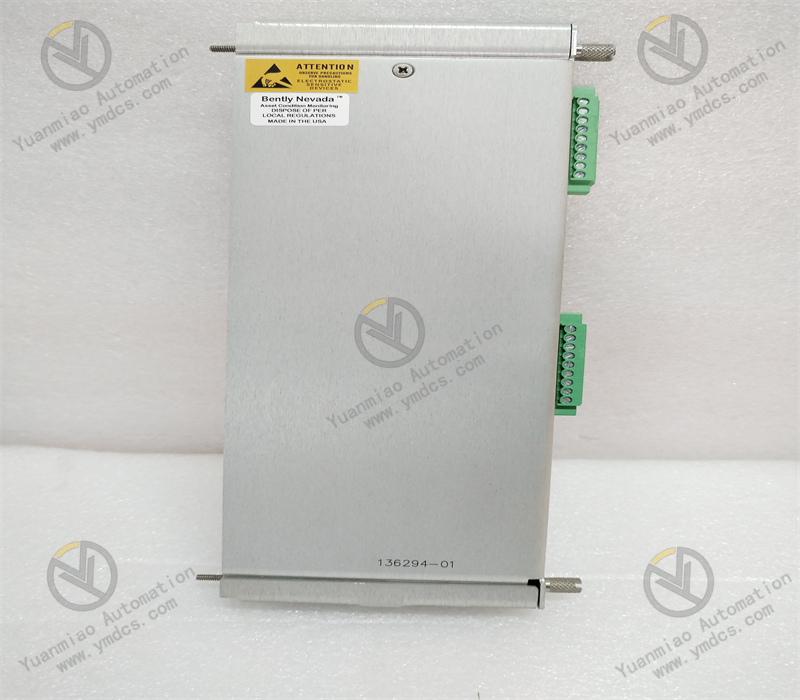
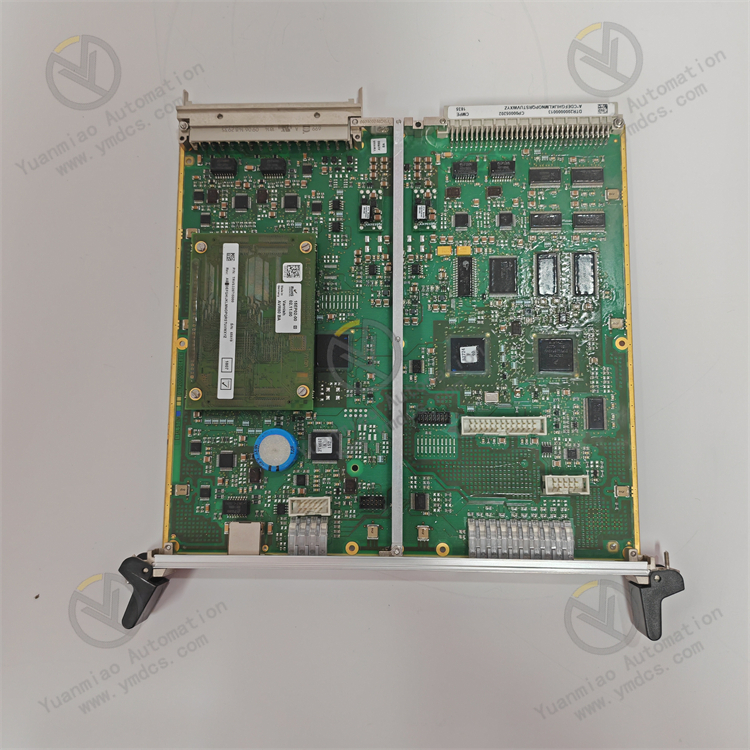
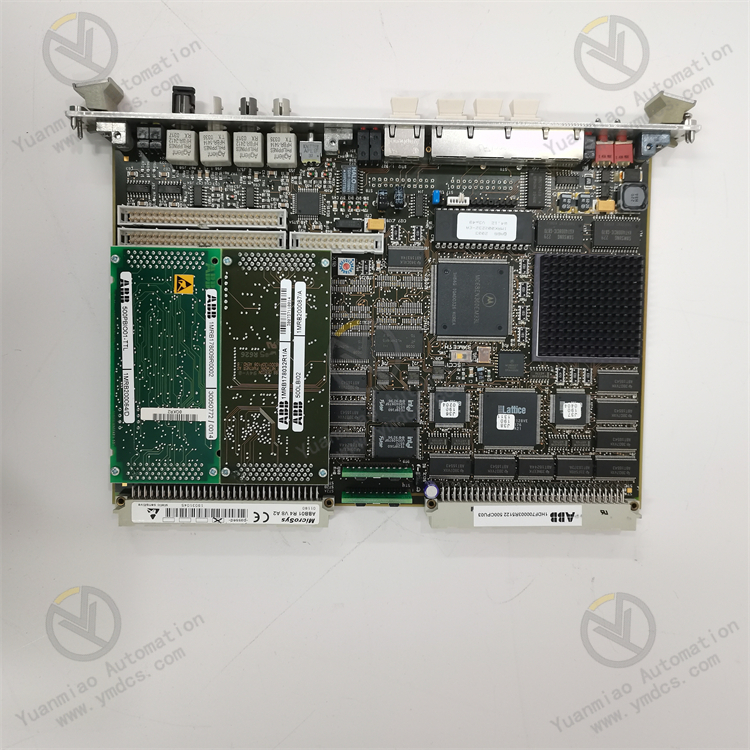
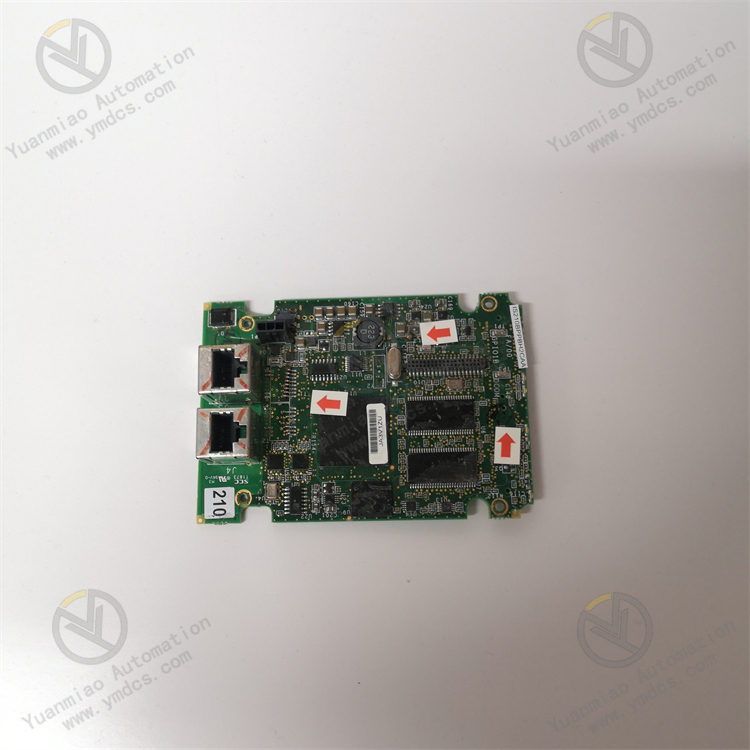
GE IS210BPPBH2CAA is a dedicated BPPB Backplane Power Bus Board for the GE Speedtronic Mark VI Turbine Control System. It delivers power bus distribution, backplane signal interconnection and system bus redundancy support for all control cards, protection modules and I/O modules within the rack. It serves as the fundamental rack hardware of Mark VI control systems for gas turbines, steam turbines and combined-cycle generator units.As the underlying bus hub of the system rack, this board centrally undertakes system power shunting, backplane bus communication, multi-module signal interconnection and rack loop fault-tolerant adaptation. It is a critical base board ensuring uniform power supply, stable bus communication and reliable coordinated operation of multiple boards in the overall control system.
IS210BPPBH2CAA is engineered for round-the-clock high-reliability redundant operation in power plants. It supports control architectures for both gas turbines and steam turbines, enabling parallel operation of multiple modules, power current-sharing distribution and synchronous bus data exchange.Featuring bus fault isolation, power loop protection, full-rack signal compatibility and anti-interference transmission, it effectively avoids module offline, communication interruption and control instability caused by rack bus crosstalk, uneven power voltage division and abnormal backplane contact.It is widely deployed in complete rack assembly of Mark VI systems for new units, rectification of aging backplane buses in legacy units, optimization of rack power loops, stability upgrade of system buses and technical retrofit for card compatibility adaptation, providing stable underlying power and bus support for the entire turbine control system.
1. Overall Rack Power Bus Distribution for Balanced and Stable Power Supply
As the dedicated power bus backplane for Mark VI racks, it evenly distributes system input power to all main control cards, protection cards, governor cards and I/O modules inside the rack, realizing current-sharing power supply for multiple boards. It eliminates concentrated load on single channels, uneven voltage division and partial overload.Compared with ordinary transition backplanes, it boasts low power transmission loss and strong load adaptability. It maintains precise supply voltage and stable ripple for all rack modules over long-term operation, preventing module reboot, abnormal operation and acquisition drift induced by inconsistent power supply conditions.
2. Integrated Backplane Bus Interconnection for Efficient Multi-Module Coordination
Embedded with high-speed backplane bus links, it supports real-time data interaction, logic synchronization, status comparison and command coordination among all functional modules in the rack, meeting the joint operation demands of unit governing, protection, sequence control and interlock systems.The bus delivers high transmission speed, ultra-low latency and excellent synchronization performance. It perfectly supports cross-data verification and fault-tolerant voting computation of multiple boards under triple modular redundant architecture, ensuring accurate response and synchronized action of unit control logic without delay.
3. Dual Prime Mover Compatibility with Superior Versatility
Natively compatible with control architectures for gas turbines and steam turbines. It adapts to rack layout, module configuration and control logic of different unit types without targeted modification of backplane firmware and hardware structure.Compatible with the full range of Mark VI functional cards, it can seamlessly interconnect and cooperate with logic control modules, acquisition modules, protection modules and power modules. It greatly improves equipment versatility and project adaptability and reduces retrofit costs arising from model differentiation.
4. Dual Protection for Bus and Power with Excellent Fault Isolation
Built-in overcurrent, overvoltage and surge protection for power loops as well as bus signal isolation mechanisms. In case of failure of a single module, single-loop short circuit or abnormal signal, the backplane automatically isolates the faulty point and prevents fault propagation to the whole rack via power and signal buses.It thoroughly avoids rack-wide communication paralysis, system power loss and multi-card offline caused by single-point module faults, significantly enhancing fault tolerance and operational safety of the control system.
5. Adaptable to High-Reliability Redundant Architectures to Meet Stringent Power Plant Standards
Fully compatible with simplex / duplex / triple modular redundant fault-tolerant control architectures of Mark VI. It supports synchronous operation and bumpless switching of redundant power supplies and redundant buses.It guarantees balanced power distribution, bidirectional synchronization of bus data and real-time operating condition comparison under redundant architectures, satisfying strict requirements for 24-hour uninterrupted operation, zero unplanned outages and high safety redundancy in power plants. It is applicable to core control scenarios of large combined-cycle units.
6. Rugged Industrial Backplane Design with Strong Weather Resistance and Anti-Aging Performance
Constructed with industrial high-durability PCB substrate, thickened copper foil traces and reinforced plug terminals. It has passed comprehensive reliability tests including high-low temperature cycling, humidity-heat aging, vibration shock and EMC.It offers dustproof, moisture-proof, vibration-resistant, anti-aging and anti-electromagnetic interference characteristics. The backplane traces are anti-oxidation and less prone to poor contact. It can operate stably for extended periods in power plant cabinet environments featuring high temperature, high humidity and heavy electromagnetic interference, with low failure rate and long service life.
3. Technical Specifications
1. Basic Parameters
Model: IS210BPPBH2CAABrand: GE (General Electric)Series: Speedtronic Mark VI Turbine Control SystemBoard Type: BPPB Backplane Power Bus BoardCompatible System: Complete GE Mark VI Turbine Unit Control SystemCore Functions: Overall rack power bus distribution, high-speed backplane bus communication, multi-module signal interconnection, power loop protection, bus fault isolation, data synchronization for redundant systems, compatibility adaptation for full-rack modulesApplication Scenarios: Rack power supply and bus interconnection systems of Mark VI control systems for gas turbines, steam turbines and combined-cycle power plant units
2. Power & Bus Electrical Parameters
Power Functions: Centralized power shunting for the whole rack, current-sharing distribution and loop overload protectionBus Characteristics: High-speed parallel backplane bus, low latency, high synchronization and anti-crosstalk capabilityProtection Mechanisms: Overvoltage / overcurrent / surge protection for power circuits, galvanic isolation of bus signals and automatic isolation of faulty pointsTransmission Performance: Attenuation-free and delay-free signal transmission with high synchronization precisionLoad Capacity: Supports long-term full-load operation of fully equipped rack modules with balanced load and no voltage drop
3. System Compatibility Parameters
System Compatibility: Fully compatible with redundant architectures of GE Mark VI control systemModule Adaptability: Compatible with all Mark VI control, protection, governing and I/O functional modulesLinkage Features: Supports parallel computation of multiple modules, cross-data comparison and redundant fault-tolerant switchingConfiguration Compatibility: Compatible with Mark VI upper configuration platform, supporting rack status monitoring, bus fault diagnosis and power loop inspection
4. Structural & O&M Parameters
Installation: Embedded mounting inside standard Mark VI racks with precise docking to the system backplaneStructure Form: Integrated bus backplane embedded with power busbars, signal buses and multiple groups of plug interfacesConnection Mode: High-precision female header docking with firm contact, vibration resistance and prevention of poor contactO&M Features: Supports hot plugging and replacement of modules, maintenance without shutdown and online diagnosis of rack loopsHardware Technology: Thickened industrial PCB, anti-oxidation traces, flame-retardant, corrosion-resistant, reinforced anti-vibration structure
5. Environmental Specifications
Operating Temperature: -30℃~+65℃Storage & Transportation Temperature: -40℃~+85℃Operating Humidity: 5%~95% RH (non-condensing, no corrosive gas)Environmental Resistance: Resistance to mechanical vibration & shock, strong electromagnetic interference, humidity-heat aging, dust and moistureApplicable Sites: Power plant main control cabinets, local power equipment cabinets and industrial control racks for long-term continuous operation
The GE IS210BPPBH2CAA Backplane Power Bus Board follows a standardized workflow:
External main power input to the system → Voltage regulation and power shunting via backplane busbars → Current-sharing power supply for all rack modules → Aggregation of high-speed bus signals → Synchronized data interaction among multiple modules → Isolation and protection of faulty loops → Comparative transmission of redundant data.
After external main power supply is connected to the backplane power busbars, multi-channel balanced shunting circuits on the board distribute power accurately and evenly to every functional module inside the rack, ensuring consistent supply voltage and current for each card and eliminating partial power supply anomalies.
Meanwhile, the integrated high-speed bus links on the backplane act as the core of overall signal interaction. They receive operating data, working condition commands and status feedback from main control, protection, governing and I/O modules to realize real-time communication, logic synchronization and coordinated control of all rack modules.
When power abnormality or bus signal failure occurs on a single module, the backplane protection circuit immediately isolates the faulty channel to block fault propagation and guarantee normal power supply and bus communication of remaining modules.
Under redundant architectures, the backplane synchronously completes data synchronization and operating condition comparison for multiple channels of redundant power and redundant buses. It continuously maintains stable power supply, unobstructed buses and reliable logic of the entire control system to ensure safe and stable unit operation under all working conditions.
1. Core Support for Complete Mark VI System Racks
As the underlying core hardware of Mark VI control racks for gas turbines, steam turbines and combined-cycle units, it undertakes core functions of overall power distribution and bus interconnection. It serves as the basic carrier for normal operation of all control, protection, governing and I/O modules.It guarantees hardware coordination, stable power supply and reliable communication of the whole unit control system, supporting controllable unit operation under all working conditions including startup, shutdown, grid synchronization, load ramping and steady-state operation.
2. Universal Adaptation for Dual Prime Mover Unit Control Systems
Relying on compatibility with both gas and steam turbine architectures, it is widely adopted in new construction projects of Mark VI control systems for various turbine units. It unifies hardware matching standards for different prime movers, simplifies rack design and equipment selection and reduces O&M differential costs among multiple unit types, applicable to diversified power plant control scenarios.
3. Technical Retrofit & Upgrade of Backplane Bus Systems for Legacy Units
It can directly replace aging legacy backplates suffering from unstable buses, uneven power supply and frequent failures. It resolves persistent defects of legacy systems such as bus crosstalk, module offline, power drift and communication interruption.No modification to external wiring and main control logic is required. It enables low-cost upgrade of underlying rack hardware and greatly improves overall stability and fault tolerance of the control system.
4. Construction of High-Reliability Redundant Control Systems
Suitable for building triple modular redundant fault-tolerant control systems in large power plants. It provides a balanced and stable power foundation and high-speed synchronous bus links for redundant architectures.It thoroughly eliminates system instability, protection failure and control anomalies triggered by single-point backplane faults, meeting high-end power plant design standards of zero outage, high safety and high reliability.
![]()