Description
1. Overview
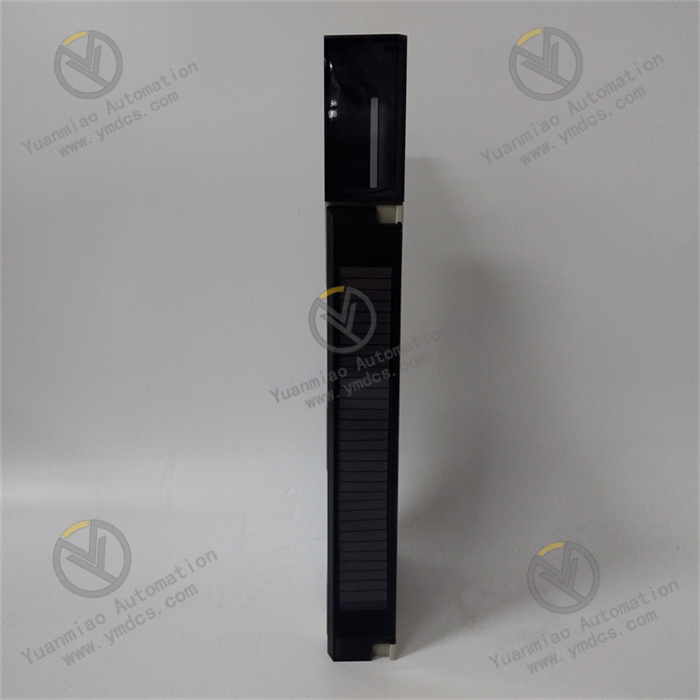
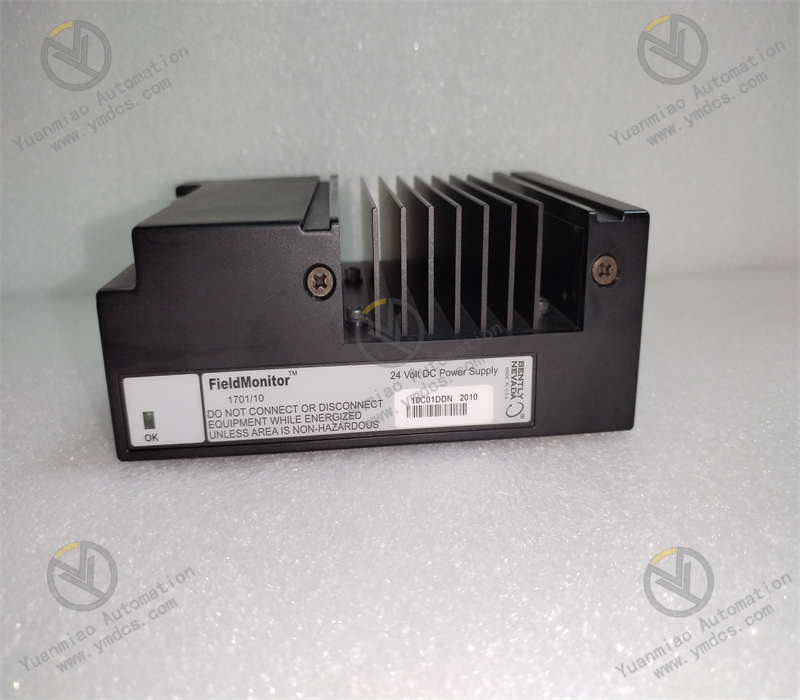
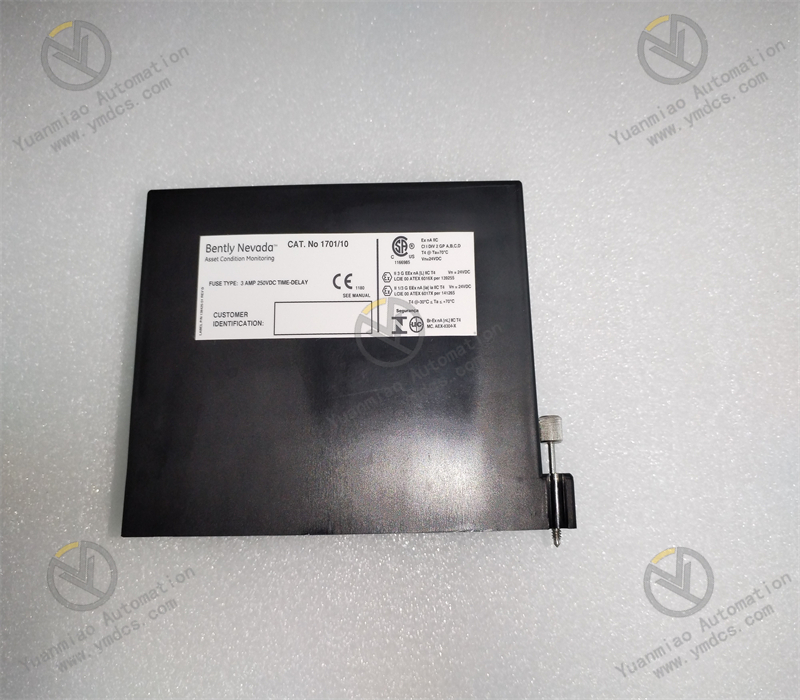
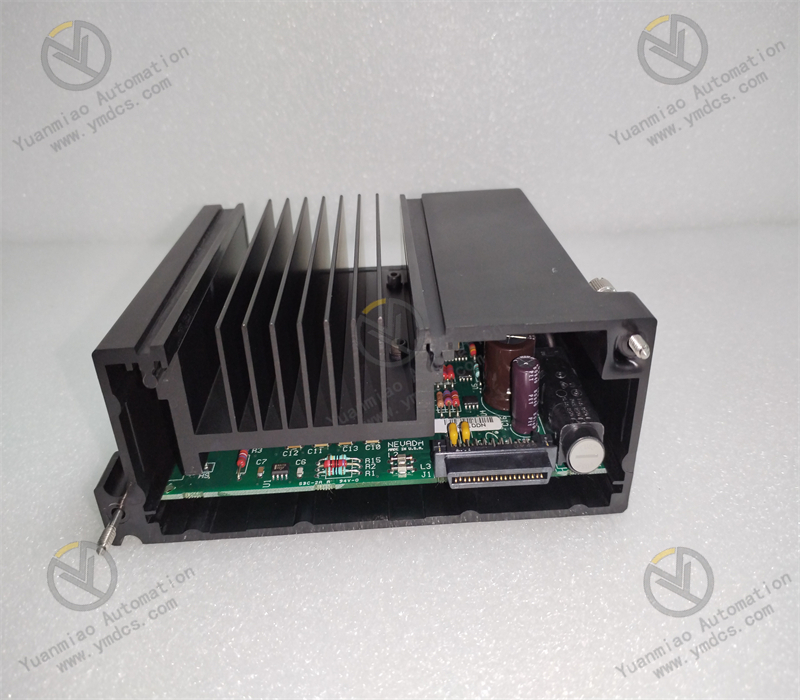
Bently Nevada 1701/10 is a dedicated 24 VDC power‑supply module . As the core power‑supply unit of the 1701 field online‑monitoring system, it is designed for rack‑mount installation with 1701/05 and 1701/06 terminal bases. This module supplies stable, isolated system logic power and sensor operating power to all functional sub‑modules within the FieldMonitor system, including probe input modules, vibration‑monitoring modules, signal‑isolation modules and communication modules. It is an essential core component for the commissioning of unit vibration, displacement and rotational‑speed condition‑monitoring systems.
Adopting industrial‑grade voltage‑stabilizing and isolation design, the 1701/10 power‑supply module features stable output voltage, low ripple, strong anti‑interference performance, overload protection and short‑circuit self‑protection. It adapts to harsh working conditions of field‑monitoring cabinets for rotating equipment such as steam turbines, compressors, fans and pumps in thermal‑power, chemical, oil‑gas and metallurgical industries. Equipped with comprehensive power‑supply monitoring and fault self‑diagnosis functions, the module supports long‑term 7×24‑hour continuous stable operation. It is widely used for replacement of aged power‑supply modules in legacy monitoring systems, system capacity expansion and spare‑part replacement for faults, ensuring uninterrupted and reliable operation of the entire FieldMonitor monitoring system.
2. Functions and Features
2.1 Core Functions
Centralized Voltage‑stabilized System Power Supply: Provides standardized 24 VDC stabilized operating power for all functional modules in the 1701 FieldMonitor rack, including system logic power supply, sensor‑loop power supply and signal‑acquisition‑module power supply, ensuring unified and stable power supply for the whole system.
Power‑supply Isolation and Noise‑reduction Filtering: Built‑in high‑frequency filtering and electrical‑isolation circuits effectively filter grid‑supply fluctuations, high‑frequency ripples and miscellaneous interference. It prevents grid disturbances from propagating to monitoring modules and eliminates jumping and drifting of vibration and displacement monitoring data.
Intelligent Overload and Short‑circuit Protection: Features automatic protection against output overload, output short‑circuit and over‑temperature. Automatic current‑limiting protection is triggered in case of rear‑end module faults, circuit short‑circuits and abnormal loads to avoid module burnout and system power failure. Automatic recovery to normal operation is available after faults are cleared.
Whole‑unit Power‑supply Condition Monitoring: Real‑time monitoring of input voltage, output voltage, load current and module operating temperature. It cooperates with the upper‑level system to complete power‑supply condition diagnosis and predict potential risks such as power‑supply ageing, overload and abnormal power supply in advance.
Integrated Rack‑adapted Power Supply: Exclusively compatible with 1701‑series terminal‑base racks via embedded slot‑mounting. Centralized power supply is directly provided for all slot‑mounted modules inside the rack without extra external power adapters, delivering neat wiring and high system integration.
Continuous‑operation Assurance for Monitoring System: Ultra‑low voltage temperature drift and load‑drift characteristics maintain steady output voltage under grid fluctuations, ambient‑temperature variations and minor load changes, guaranteeing uninterrupted and high‑precision acquisition of unit online‑monitoring data.
2.2 Product Characteristics
High‑precision Stabilized Output: Industrial‑grade voltage‑regulating‑circuit design achieves high output‑voltage accuracy and extremely low ripple. It fully meets power‑supply requirements of high‑precision vibration and displacement monitoring modules and avoids measurement errors caused by power‑supply fluctuations.
Strong Anti‑interference Industrial Adaptability: Multi‑stage EMC electromagnetic‑compatibility protection resists electromagnetic interference from on‑site frequency converters, high‑voltage equipment and power cables. It is applicable to high‑interference industrial sites such as power plants and chemical plants.
Comprehensive Fault Self‑protection: Multiple‑protection mechanisms including over‑voltage, under‑voltage, over‑current, short‑circuit and over‑temperature deliver high fault tolerance. It effectively prevents power‑supply damage caused by on‑site wiring errors and module faults for high equipment safety.
Excellent Long‑term Operational Stability: Adopts industrial‑grade high‑temperature‑resistant components with low overall power consumption and low heat generation. It supports 7×24‑hour non‑stop continuous operation without parameter drift or performance degradation during long‑time service.
Full‑native System Compatibility: Developed specifically for the 1701 FieldMonitor monitoring‑system series. It is compatible with the full range of 1701‑series input modules, isolation modules and communication modules for plug‑and‑play operation without commissioning or parameter modification.
Convenient Operation‑and‑maintenance & Easy Troubleshooting: Standardized slot‑mount design enables easy assembly and disassembly and supports hot‑swap maintenance without rack shutdown. Built‑in power‑supply status indicators offer intuitive fault indication, greatly reducing maintenance difficulty and downtime.
3. Specifications
| Item | Specifications |
|---|---|
| Model | 1701/10 |
| Device Type | FieldMonitor System 24 VDC Power‑supply Module |
| Brand & Manufacturer | Bently Nevada (Baker Hughes) |
| Applicable System | Bently Nevada 1701 FieldMonitor Field‑monitoring System |
| Applicable Base | 1701/05 Standard Terminal Base, 1701/06 Isolated Terminal Base |
| Output Voltage | Standard 24 VDC stabilized output |
| Power‑supply Purpose | Power supply for all rack‑mounted monitoring modules, sensor loops and system logic |
| Protection Mechanism | Multiple automatic protection against over‑voltage, under‑voltage, over‑current, short‑circuit and over‑temperature; automatic fault recovery |
| Operating Temperature | ‑40 ℃ ~ +70 ℃ |
| Storage Temperature | ‑45 ℃ ~ +85 ℃ |
| Ambient Humidity | 5%‑95% RH, non‑condensing |
| Installation Method | Embedded slot‑mounting for standard slots of 1701‑series racks |
| Operational Features | Low ripple, low temperature drift, uninterrupted stabilized output, real‑time power‑supply status self‑check |
4. Operating Principle
The Bently Nevada 1701/10 power‑supply module operates based on the principle of industrial isolated voltage‑stabilized power supply. As the power core of the complete 1701 FieldMonitor monitoring system, it supplies clean and stable standardized operating power to all functional modules inside the rack.
After external mains or industrial DC power is fed into the rack base, it is delivered to the 1701/10 power‑supply module. Internal multi‑stage circuits including rectification‑filtering, high‑frequency isolation and voltage‑regulation convert the input voltage into a stable standard 24 VDC output. Built‑in filter circuits thoroughly eliminate grid noise, voltage fluctuations and high‑frequency interference, while isolation circuits cut off electrical cross‑interference between internal and external sides to prevent grid‑side disturbances from impairing signal‑acquisition accuracy of monitoring modules.
Stabilized clean power is supplied in parallel to all load units in the rack, including probe‑input modules, vibration‑acquisition modules, signal‑isolation modules and communication modules, ensuring uniform operating voltage and stable working conditions for each module. Equipped with a real‑time load‑monitoring unit, the module continuously detects output current, voltage and device temperature. Protection mechanisms are triggered immediately upon rear‑end short‑circuit, load overload, abnormal temperature or voltage over‑limit to implement automatic current‑limiting and power‑off protection and avoid device burnout. The module automatically resets and restores power supply after faults are eliminated to maximize continuous‑operation capability of the monitoring system.
Clean and stable power supply effectively mitigates problems such as fluctuating monitoring data, false alarms and channel abnormalities induced by power‑supply ripple and voltage drift. It provides a reliable power‑supply foundation for rotating‑machinery condition monitoring, fault diagnosis and interlock protection.
5. Application Scenarios
Whole‑unit Power Supply for 1701 FieldMonitor System: Provides centralized stabilized power supply exclusively for Bently Nevada 1701‑series field‑monitoring racks. Applied to local online‑monitoring cabinets for unit vibration, displacement and rotational‑speed; it is an essential core power‑supply unit for the complete field‑monitoring system.
Condition Monitoring for Industrial Rotating Equipment: Widely deployed in local‑monitoring systems for key rotating machinery including steam turbines, centrifugal compressors, large‑scale fans and process pumps in thermal‑power, gas‑power, chemical and oil‑gas industries, ensuring long‑term stable collection of equipment operating data by monitoring modules.
Spare‑part Replacement for Aged Legacy‑system Power Supplies: Used for replacing aged legacy 1701/10 power‑supply modules with unstable output, frequent alarms or failed protection. It resolves issues such as frequent system power loss, data jitter and abnormal module operation without modifying system wiring or programs.
Power‑supply for High‑interference Industrial Cabinets: Suitable for working conditions with heavy electromagnetic interference and frequent grid fluctuations in power plants and chemical plants. Its isolation‑filtering and anti‑disturbance features guarantee clean and stable power for monitoring systems and eliminate power‑supply‑related monitoring faults.
Capacity Expansion and Technical Retrofit of Monitoring Systems: Serves as a matching power‑supply unit for addition or replacement during 1701‑system measuring‑point expansion, module addition and rack‑retrofit projects. It meets power‑supply‑load requirements of newly‑added monitoring modules and adapts to system upgrading and reconstruction.
6. Common Faults and Troubleshooting
6.1 No module output, total loss of power for monitoring system
Root Causes: Interrupted or under‑voltage external input power; damaged internal module circuits or failed power‑supply chips; poor rack‑base contact or oxidized gold‑fingers; complete module failure due to long‑term ageing.
Solutions: Inspect the front‑end power‑supply loop and confirm normal input voltage with intact circuit breakers and wiring. Power off, extract the module, clean oxidation and dust on gold‑fingers and rack slots, then re‑insert and secure firmly. Verify no short‑circuit or overload on rear‑end loads. If no output persists with normal power supply and loads, module damage is confirmed; replace with a 1701/10 power‑supply module.
6.2 Unstable output voltage and frequent jitter of monitoring data
Root Causes: Aged voltage‑regulating circuits of the module with increased ripple; failed internal filter capacitors and degraded anti‑interference performance; overload and long‑term over‑loaded operation; insufficient filtering of grid‑fluctuation interference.
Solutions: Measure module output voltage and check voltage‑fluctuation range. Verify total load of all rack‑mounted modules against overload. Optimize cabinet grounding and wiring to reduce grid interference. Replace with a brand‑new power‑supply module if parameter fluctuation exceeds allowable limits and filtering‑stabilizing performance degrades.
6.3 Frequent module protection and intermittent power‑off & restart
Root Causes: Hidden short‑circuit or leakage in rear‑end loops; over‑temperature protection triggered by poor cabinet heat dissipation; large instantaneous load inrush current; mis‑protection caused by aged module protection circuits.
Solutions: Troubleshoot rear‑end load loops of the rack channel‑by‑channel for hidden short‑circuit and leakage faults. Clean cabinet dust, improve ventilation and heat dissipation and lower module operating temperature. Avoid instantaneous load impact during equipment start‑stop. Replace spare‑part module if frequent protection persists without external faults.
6.4 Excessively high module temperature and severe heat generation
Root Causes: Poor heat dissipation in enclosed cabinets and excessive ambient temperature; long‑term full‑load operation; increased power consumption due to ageing internal components; heat generation from contact resistance caused by poor slot contact.
Solutions: Improve cabinet ventilation and heat dissipation and reduce ambient temperature. Check load capacity and avoid long‑term overload. Clean contact surfaces of slots and modules to ensure good contact. Replace the module promptly if high‑temperature heat generation cannot be mitigated to prevent burnout and shutdown.
6.5 Power‑supply status alarm with system prompt of power‑supply abnormality
Root Causes: Excessive output‑voltage deviation and abnormal load current; faulty module monitoring circuits and abnormal signal feedback; performance degradation due to power‑supply ageing.
Solutions: Measure actual output voltage and current and compare with standard values. Eliminate external anomalies by inspecting external loads and power‑supply conditions. Replace with genuine 1701/10 power‑supply module if parameter offset and performance degradation cannot be repaired to restore system power‑supply accuracy.