Description
1. Overview
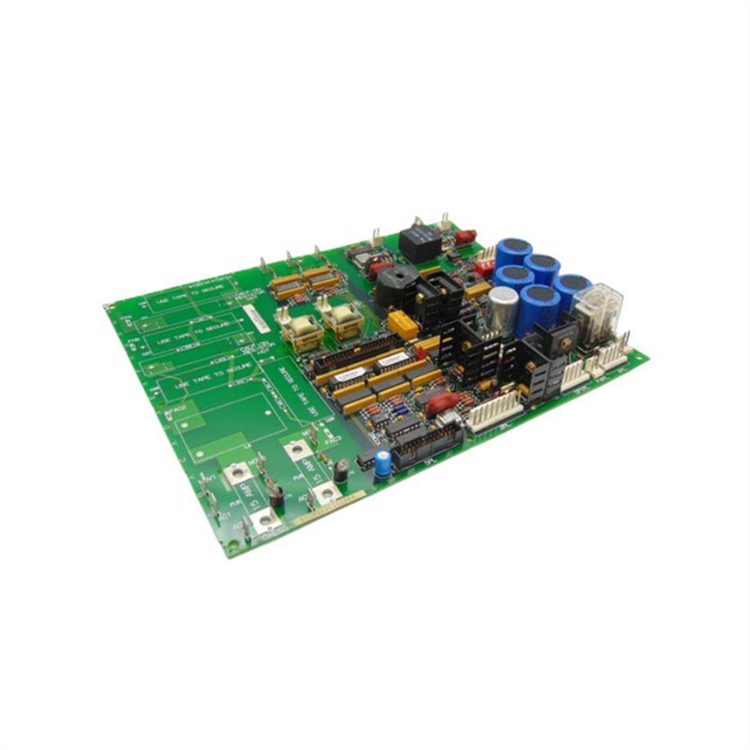
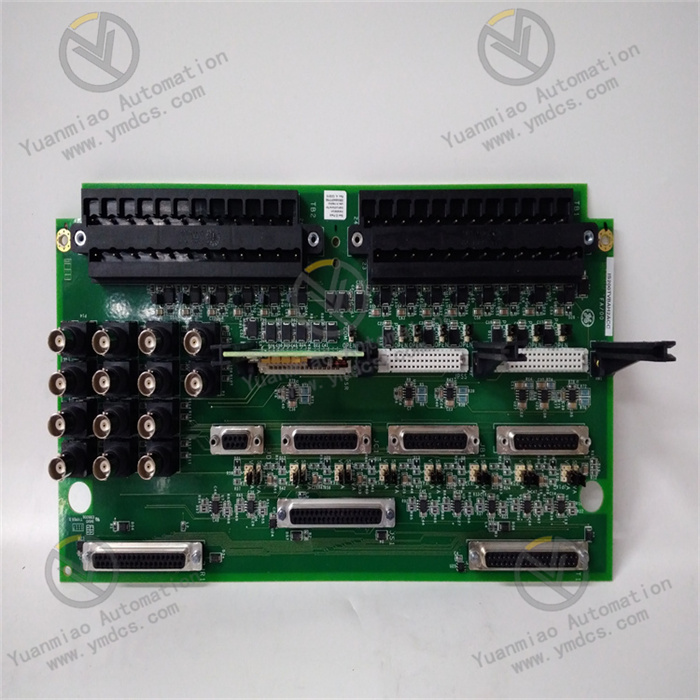
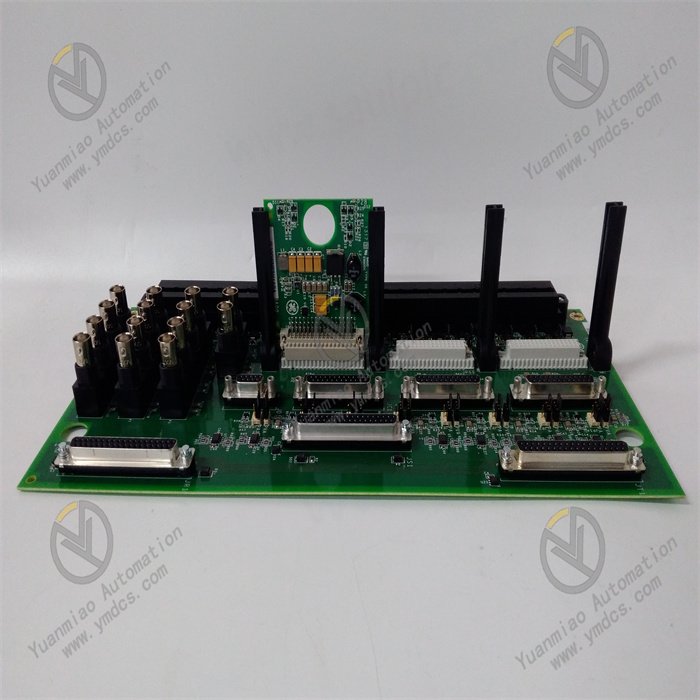
GE IS200VTCCH1CBD is a dedicated thermocouple analog‑input card for the GE Speedtronic Mark VI gas turbine control system. As core I/O acquisition hardware for gas‑turbine and steam‑turbine industrial control systems, it is widely deployed in thermal power, cogeneration and industrial gas‑turbine power‑control applications. Designed for high‑precision acquisition, conversion and transmission of unit temperature signals, it serves as a key acquisition unit for monitoring gas‑turbine exhaust temperature, combustion‑chamber temperature, equipment casing temperature and pipeline‑medium temperature. It provides accurate data support for unit temperature closed‑loop regulation, overtemperature protection, load management and fault early‑warning.
The IS200VTCCH1CBD is a VME‑bus‑based I/O board capable of simultaneous acquisition of 24‑channel thermocouple signals. It natively supports multiple mainstream thermocouple types and integrates signal filtering, cold‑junction compensation, analog‑to‑digital conversion, data validation and fault‑diagnosis functions. Built with industrial‑grade high‑temperature‑resistant and anti‑interference circuitry, it adapts to harsh power‑plant cabinet conditions featuring high temperature, heavy dust and strong electromagnetic interference. It delivers high acquisition accuracy, fast response, long‑term stability and low failure rate. As a frequently‑used maintenance‑replacement spare part for Mark VI systems, it features excellent OEM compatibility. It can directly replace legacy faulty cards of the same series without modifying system configuration or control logic, rapidly restoring unit temperature‑monitoring functions and ensuring safe, stable and continuous gas‑turbine operation.
2. Functions and Features
2.1 Core Functions
Multi‑channel High‑precision Thermocouple Acquisition: Provides 24 independent temperature‑measurement channels. Natively supports five common industrial thermocouple types: K, J, E, S and T, and also accepts standard millivolt analog inputs, covering full temperature‑monitoring scenarios for gas and steam turbines.
Intelligent Cold‑junction Temperature Compensation: Incorporates high‑precision cold‑junction compensation algorithms and temperature‑sensing elements. It automatically corrects acquisition errors induced by cabinet‑ambient‑temperature variation, eliminates temperature drift‑caused reading deviation and guarantees stable measurement accuracy across all operating conditions.
Signal Filtering and Data Validation: Implements multi‑stage hardware filtering and software digital filtering to suppress power‑plant electromagnetic interference, line noise and transient signal jitter. Acquired data is validated to reject invalid samples and output stable, accurate temperature readings.
Standard VME‑bus Data Interaction: Complies with GE Mark VI VME‑bus communication protocol. It uploads temperature data to the system main controller at high speed while receiving configuration parameters and calibration commands, enabling reliable bidirectional data exchange for real‑time unit control logic.
Comprehensive Self‑diagnosis and Alarm: Continuously monitors thermocouple open‑circuit, short‑circuit, signal over‑range, channel abnormality, bus communication failure and on‑board power‑supply faults. It pinpoints faulty channels and reports alarm codes to the host system for fast maintenance troubleshooting.
Adaptive Range Support: Standard measurement range: ‑8 mV ~ +45 mV, matching millivolt output characteristics of various thermocouples. Compatible with both grounded and ungrounded thermocouple sensors for broad application flexibility.
System Configuration and Parameter Storage: Supports on‑line configuration and storage of channel enable, thermocouple type, measuring range and alarm thresholds. Parameters are retained through power‑off and auto‑loaded after restart, eliminating repeated commissioning for long‑term unit operation.
2.2 Product Features
Superior Acquisition Accuracy and Stability: Uses dedicated high‑precision ADC and temperature‑calculation units featuring ultra‑low temperature drift and high linearity. Accuracy does not degrade over service life. It captures subtle unit temperature changes to satisfy gas‑turbine precision temperature‑control and protection requirements.
Power‑plant‑grade Anti‑interference Performance: Optimized for heavy‑EMI power‑plant environments crowded with variable‑frequency drives, high‑voltage apparatus and high‑power machinery. Multi‑layer electrical isolation, signal shielding and filtering prevent signal corruption and data jumping caused by electromagnetic disturbance.
Full Mark‑VI‑system Compatibility: Fully compatible with GE Speedtronic Mark VI gas‑turbine control system. Bus protocol, hardware interfaces, configuration logic and electrical specifications match OEM standards. Replacement requires zero adaptation effort and no program modification.
Industrial‑grade Long‑term Reliability: Constructed with high‑temperature‑resistant, anti‑aging PCB substrate and military‑grade components. It withstands cabinet high temperature, dust, humidity and minor vibration typical of power plants, offering low continuous‑operation failure rate and long service life.
High‑density Integrated Design: 24 acquisition channels together with compensation, filtering, diagnosis and communication functions on one board. No external signal‑conditioning modules are required, simplifying system architecture and reducing hardware and maintenance costs.
Fast Commissioning with Minimal Setup: Factory hardware calibration and firmware pre‑loading are completed prior to shipment. After replacing a faulty card, only channel configuration and sensor‑parameter verification are needed for commissioning, greatly shortening unit outage duration.
3. Specifications
| Parameter Item | Technical Specification |
|---|---|
| Model | IS200VTCCH1CBD |
| Device Type | Mark VI 24‑channel thermocouple input card |
| Compatible System | GE Speedtronic Mark VI gas‑ / steam‑turbine control system |
| Number of Acquisition Channels | 24 independent analog temperature‑measurement channels |
| Supported Sensors | K, J, E, S, T thermocouples; standard mV signals |
| Signal Measurement Range | ‑8 mV ~ +45 mV |
| Communication Bus | Standard VME system bus |
| Hardware Connectors | P1‑P6 on‑board connectors; compatible with TBTC / DTTC terminal boards |
| Core Functions | Multi‑channel temperature acquisition, cold‑junction compensation, signal filtering, analog‑to‑digital conversion, fault diagnosis, bus data upload |
| Operating Power Consumption | ≤ 10 mA |
| Operating Temperature | 0 ℃ ~ +60 ℃ (standard power‑plant cabinet condition) |
| Storage Temperature | ‑40 ℃ ~ +85 ℃ |
| Ambient Humidity | 5%‑95% RH, non‑condensing |
| Ingress Protection | IP20 (cabinet‑internal installation) |
| Mounting Method | Slot‑mounted inside VME cabinet |
4. Working Principle
The GE IS200VTCCH1CBD thermocouple‑input card executes a closed‑loop workflow: Sensor Signal Acquisition → Cold‑junction Compensation & Calibration → Signal Filtering → Analog‑to‑Digital Conversion → Data Validation & Upload → Real‑time Fault Monitoring. After power‑on, the card completes hardware self‑test, bus initialization and channel‑parameter loading, then enters normal high‑precision acquisition mode.
Millivolt analog temperature signals from field thermocouple sensors are routed via terminal boards to the card’s 24 independent channels. Each channel performs signal reception and preliminary filtering. An on‑board high‑precision cold‑junction‑compensation unit measures cabinet ambient temperature and dynamically corrects thermocouple measurement errors by dedicated algorithms to eliminate deviation caused by ambient‑temperature fluctuation. Conditioned analog signals after compensation, filtering and validation are converted into standardized digital readings by high‑precision ADC chips.
Converted digital temperature data is transmitted over the VME bus to the Mark VI main controller, providing critical inputs for unit temperature monitoring, load regulation, overtemperature protection, energy‑consumption statistics and fault root‑cause analysis. Meanwhile, the card continuously monitors channel status, line conditions, bus quality and its own hardware health. Upon detection of thermocouple open‑/short‑circuit, signal over‑range or communication anomalies, it freezes faulty‑channel data and reports fault codes to prevent false unit regulation or spurious protection trips. After fault clearance, channels auto‑reset and resume acquisition, ensuring continuous, accurate and reliable operation of the unit temperature‑control system.
5. Application Scenarios
Gas‑turbine Control‑system Temperature Acquisition: As a core temperature‑sensing card for GE Mark VI gas‑turbine systems, it acquires critical parameters including exhaust temperature, combustion‑chamber temperature and turbine‑casing temperature. It supports closed‑loop temperature control and overtemperature‑trip protection for safe gas‑turbine operation.
Steam‑turbine Power‑system Monitoring: Deployed in thermal‑power and cogeneration steam‑turbine units for measuring cylinder, bearing and pipeline‑medium temperatures. It enables real‑time thermal‑condition monitoring and delivers data for load optimization and fault early‑warning.
Industrial Power‑plant Automatic Monitoring Systems: Suitable for DCS and gas‑turbine automatic‑control systems of large‑to‑medium‑size power plants. It implements centralized multi‑point temperature acquisition to build a complete equipment‑temperature‑monitoring framework for 24‑hour unattended plant operation.
Maintenance Replacement for Legacy Mark VI Systems: Directly replaces aged, inaccurate, channel‑defective or communication‑faulty thermocouple cards of the same model. No modification to system configuration, wiring or control logic is required to restore temperature‑monitoring capability.
Retrofit of High‑temperature Industrial Equipment: Applied in metallurgy, chemical and heating industries for temperature‑acquisition upgrade of high‑temperature production plant. It fulfils multi‑point, high‑accuracy and high‑stability industrial temperature‑measurement requirements and improves equipment automation level.
6. Common Faults and Troubleshooting
6.1 Single‑ / Multi‑channel no reading; channel open‑circuit alarm
Fault Causes: Defective thermocouple sensor, broken / loose thermocouple wiring, poor contact at terminal board, incorrect channel configuration, damaged acquisition‑circuitry on the card.
Troubleshooting: Inspect and replace faulty thermocouple sensors. Check thermocouple cables and TBTC/DTTC terminal boards; tighten connections and repair open‑ or poor‑contact faults. Verify thermocouple‑type and range configuration parameters and correct mis‑configuration. If alarms persist with confirmed healthy sensors and field wiring, the on‑board channel circuitry is damaged; replace IS200VTCCH1CBD.
6.2 Temperature‑reading drift, inaccurate values, excessive signal fluctuation
Fault Causes: Failed cold‑junction‑compensation unit, severe electromagnetic interference, poor grounding, degraded filtering performance, reduced acquisition accuracy from long‑term high‑temperature aging.
Troubleshooting: Improve equipment grounding and shielding; keep thermocouple cables away from high‑voltage and variable‑frequency interference sources. Separate low‑level signal wiring from high‑power cables. Recalibrate channel parameters and refresh cold‑junction‑compensation settings. Remove dust buildup on the card and enhance cabinet cooling. Replace the card if measurement accuracy cannot be recovered.
6.3 No data on all channels; card communication failure; system cannot recognize the card
Fault Causes: Poor VME‑bus contact, abnormal on‑board power supply, bus‑configuration mismatch, damaged main‑control or communication circuitry on the board.
Troubleshooting: Power down, extract the card, clean gold‑fingers and VME back‑plane slots, then reseat and secure the card. Measure back‑plane supply voltages to rule out power‑supply fluctuation or loss. Verify system bus configuration and restart bus services. Replace the spare card if communication still fails despite correct hardware connections and configuration.
6.4 Temperature readings over‑range; frequent signal‑over‑range alarms
Fault Causes: Mismatch between configured thermocouple type and actual field sensor, input signal exceeding measuring range, short‑circuit or crosstalk on field wiring, defective on‑board acquisition circuit.
Troubleshooting: Align channel thermocouple‑type configuration with physical sensors. Inspect field wiring for short‑circuit and crosstalk faults. Measure input millivolt levels to confirm they lie within the ‑8 mV ~ +45 mV range. Replace the card if over‑range alarms remain after eliminating field‑side faults.
6.5 Unstable card operation; sporadic data loss; intermittent alarms
Fault Causes: Aged components, excessive cabinet operating temperature, poor slot contact, degraded anti‑interference performance, firmware anomaly.
Troubleshooting: Improve cabinet air‑flow and heat dissipation to lower card operating temperature. Secure card and terminal connections to eliminate contact risks. Re‑flash card firmware and reload configuration parameters. Mitigate field electromagnetic interference. Replace with original‑equipment card if intermittent faults recur frequently.