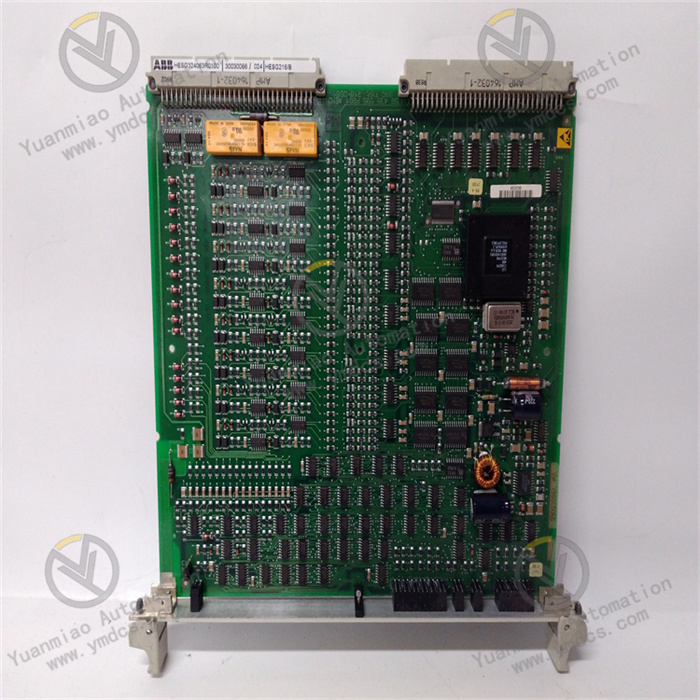
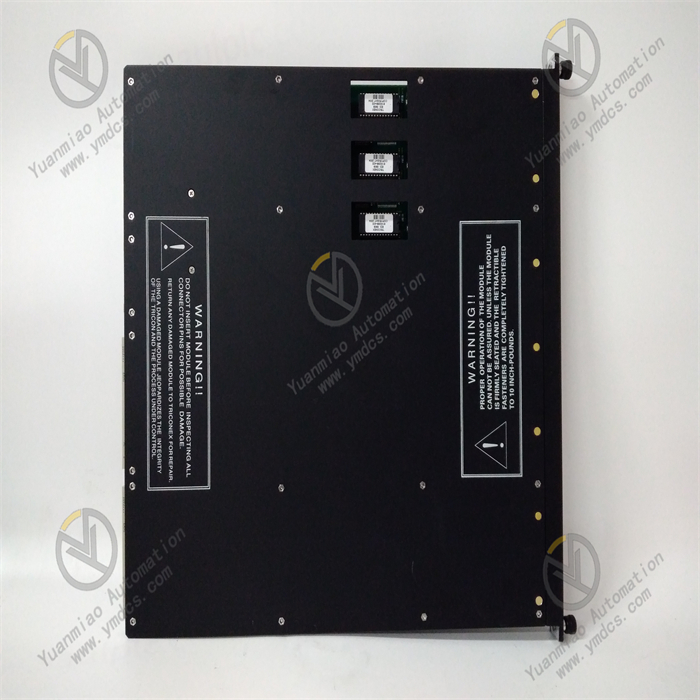
Description
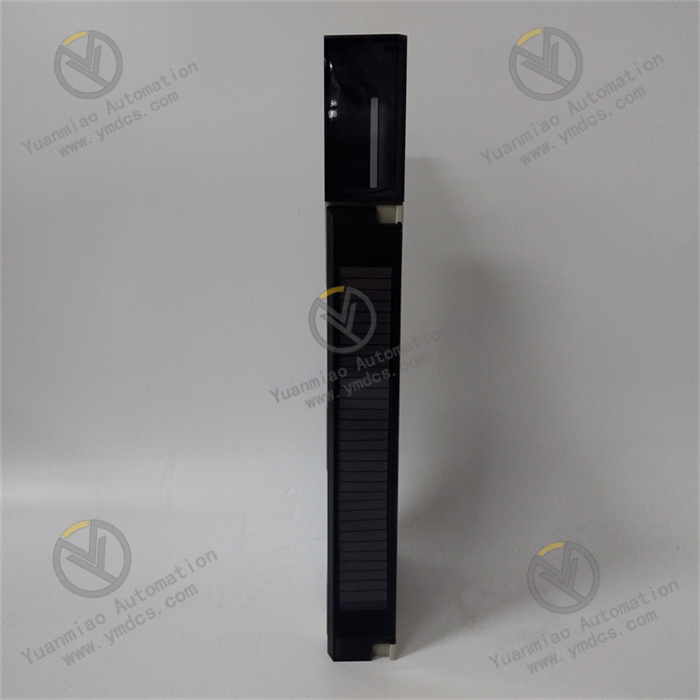
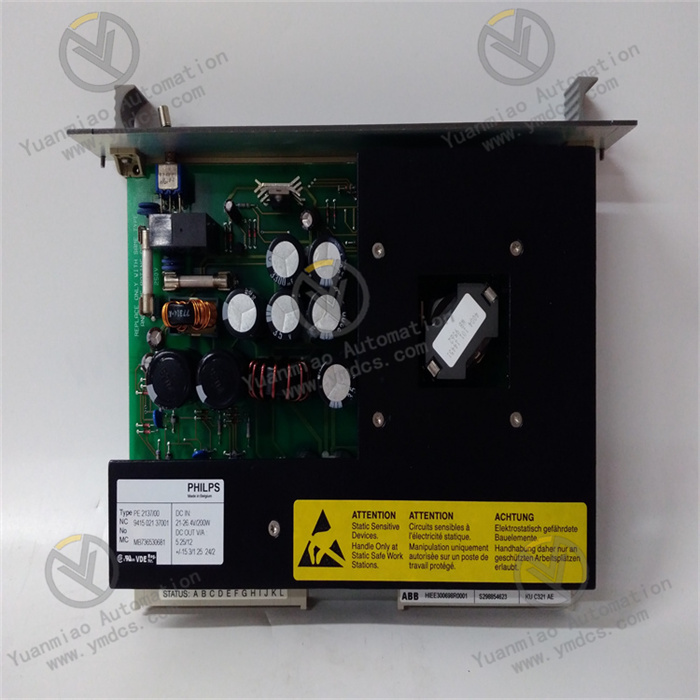
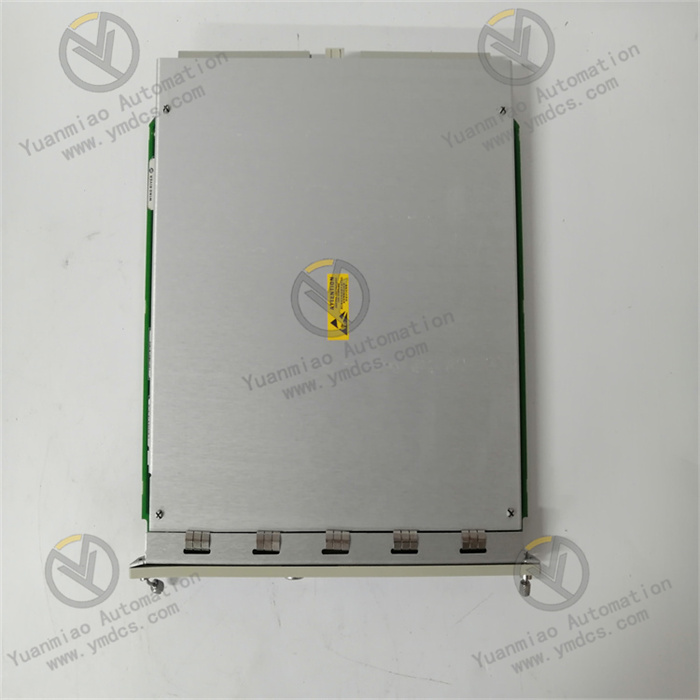
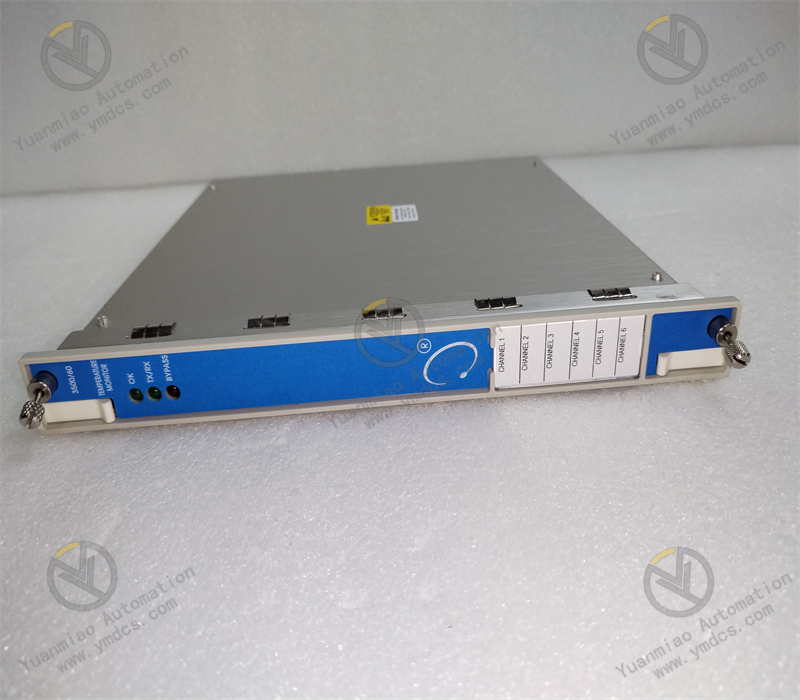
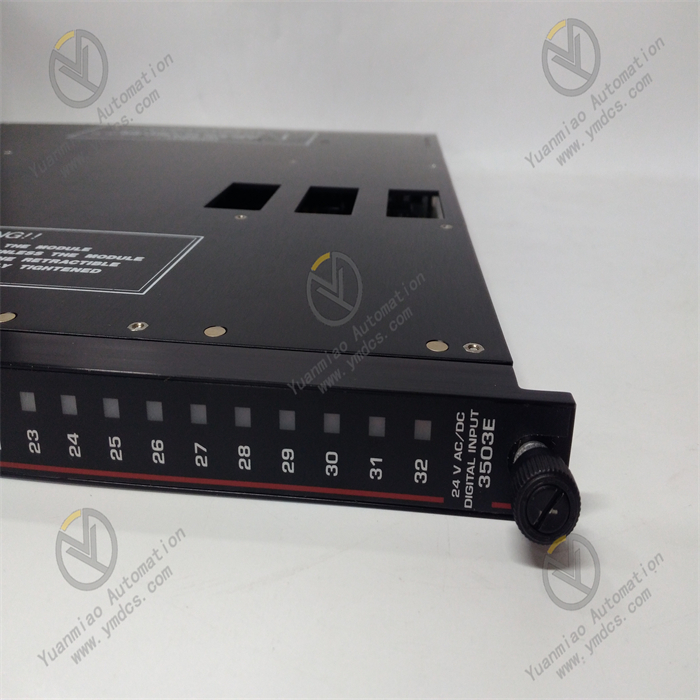
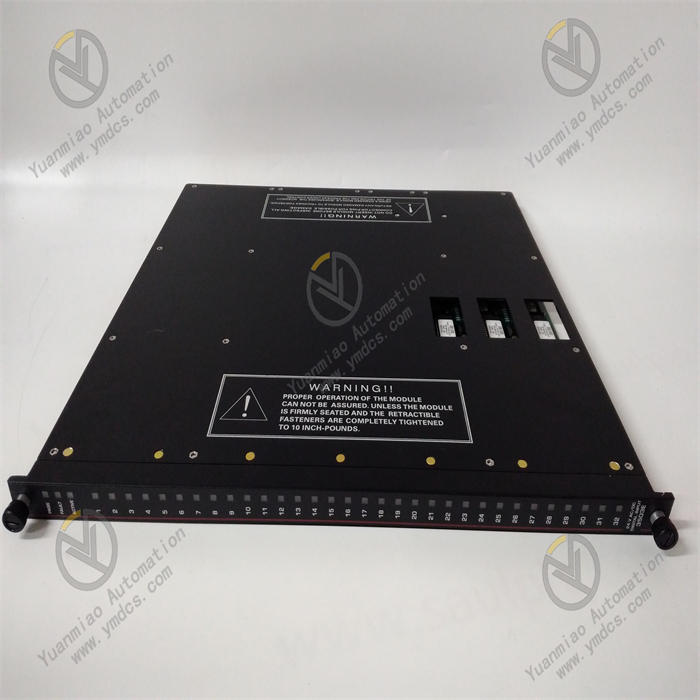
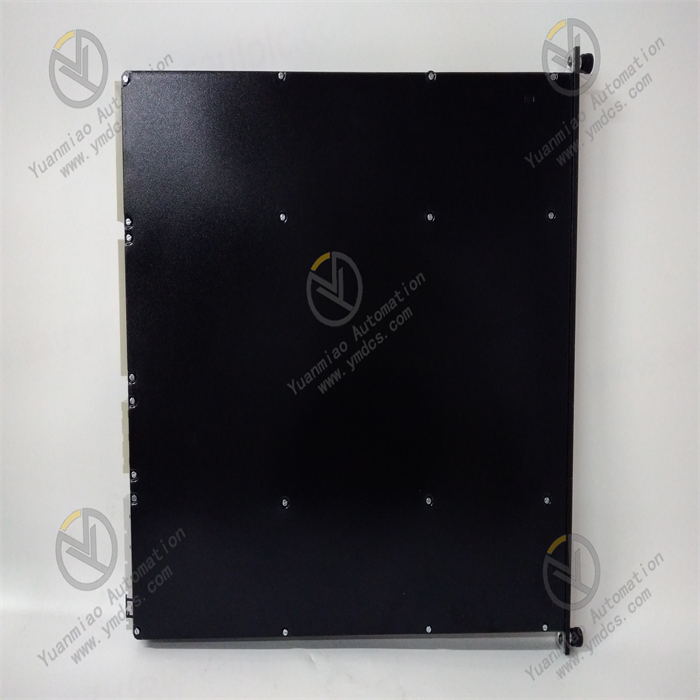
Triconex 3503E
Triconex 3503E is an industrial-grade safety-rated digital input (DI) module adopting a Triple Modular Redundant (TMR) architecture. Its core function is to acquire various on-site discrete signals and convert them into logical signals processable by control systems. Compatible with Triconex TMR Safety Instrumented Systems (SIS) and conventional industrial automation systems, it features high reliability, fail-safe characteristics, and fast response capability. Widely used in safety-critical fields such as petrochemicals, nuclear power, electric power, and coal chemical industries, it serves as a key component for on-site equipment status monitoring and safety interlock control.
I. Product Positioning and Multi‑Scenario Adaptability
- Digital Input Module Dedicated for Triconex TMR Safety SystemsSpecially designed for Triconex Tricon series TMR architecture safety systems, it is primarily used in Safety Instrumented Systems (SIS) to undertake on-site discrete signal acquisition. It can receive signals from emergency stop buttons, pressure switches, flame detectors, and other devices, providing accurate inputs for safety interlock logics such as Emergency Shutdown (ESD) and Fire and Gas System (FGS). It meets high-safety and high-reliability industrial control requirements and eliminates system failures caused by single-point faults.
- Industrial General-Purpose Digital Acquisition ModuleSuitable for conventional DCS/PLC automation systems, it can flexibly acquire on-site passive dry contact and active wet contact signals. Compatible with various digital devices such as proximity switches, sensors, and relay contacts, it is used for equipment status monitoring and process linkage control. Adaptable to general automation scenarios in multiple industries including electric power, metallurgy, and environmental protection, it offers strong scenario flexibility.
- Adaptable Module for Safety-Critical Fields and Legacy System RetrofitsWith TMR redundant design and high isolation voltage characteristics, it can be used in hazardous locations such as Class I Div 2 and resist interference from harsh electromagnetic environments. The module features standardized mechanical and electrical interfaces, facilitating replacement of legacy digital input modules without major cabinet or wiring modifications, effectively reducing upgrade costs for existing SIS/DCS systems. It meets the retrofit needs of aging equipment in industries such as petroleum refining and nuclear power.
II. Functions and Technical Advantages
(I) Core Functions
- Multi-Type Digital Signal AcquisitionSupports 32 independent digital input channels, configurable in 8-channel groups. Compatible with both dry contact (passive) and wet contact (active) input types. Dry contacts can be directly connected to switches and relay contacts, while wet contacts require an external 24V power supply (e.g., for proximity switches and sensors). Wiring supports single-ended input and differential input (on selected models); differential input significantly improves anti-interference performance to meet wiring requirements of different on-site devices.
- TMR Redundancy and Fail-Safe ProtectionAdopts Triple Modular Redundancy (TMR) technology with triple voting operation mode. Failure of a single channel or module will not cause system malfunction or failure, ensuring continuity and reliability of signal acquisition. With fail-safe characteristics, any single-point fault will not trigger system misoperation, guaranteeing accurate execution of safety interlock logics and complying with operational requirements of safety-critical scenarios.
- Self-Test and Fault Diagnosis & AlarmBuilt-in comprehensive self-test and fault diagnosis mechanisms periodically monitor channel health and line connections, supporting detection and reporting of faults such as wire breaks and sensor drift. Fault signals are quickly fed back to the controller and trigger alarms, enabling personnel to rapidly locate fault points, shorten maintenance time, reduce maintenance costs, and improve system maintainability.
- Fast Response and Data CommunicationSignal response time is less than 15 milliseconds, enabling rapid capture of on-site equipment status changes and ensuring timely triggering of safety interlock commands. Particularly suitable for applications demanding high response speed such as compressor ESD and reactor protection. Supports standard communication protocols including Modbus TCP/IP and Ethernet, allowing seamless connection with upper-level control systems to realize real-time data interaction and remote monitoring, meeting monitoring requirements of smart grids, large refineries, and other scenarios.
(II) Technical Advantages
- High Reliability and SafetyTMR hardware redundant architecture with electrical isolation between channels. High isolation voltage effectively resists electromagnetic pulse interference, ensuring stable operation in harsh electromagnetic environments with dense inverters and high-voltage equipment. Excellent continuous operation stability enables up to 5 years of trouble‑free and false‑alarm‑free operation in some scenarios, meeting long‑term operational needs of safety‑critical fields and adapting to severe working conditions in nuclear power, petrochemical, and other industries.
- Wide Environmental AdaptabilityOperating temperature range: -40℃ ~ 70℃, relative humidity: 5%–95% (non‑condensing). Adaptable to various harsh industrial environments including high temperature, low temperature, and high humidity. Ingress protection rating: IP20, suitable for installation in control cabinets. Meets application requirements of diverse environmental scenarios such as offshore platforms and power plants in cold northern regions, demonstrating strong environmental adaptability.
- Easy Integration and MaintenanceModular design with compact dimensions (approx. 150mm × 100mm × 50mm) and weight of approx. 0.5kg, facilitating installation and expansion. Supports online hot swapping (in compliance with safety procedures), allowing module replacement without system shutdown and greatly reducing fault repair time. Natively supports Triconex programming software, enabling direct configuration of channel parameters and diagnostic modes with user-friendly operation, lowering commissioning and maintenance difficulty.
- High Flexibility and Versatility32 channels are group-configurable, supporting multiple input types and wiring methods to meet signal acquisition needs of different on-site devices. Compatible with Triconex SIS systems and conventional DCS/PLC systems, it is widely applied across industries including petrochemicals, electric power, nuclear power, metallurgy, and environmental protection. It satisfies high requirements of safety interlock scenarios as well as general automation signal acquisition needs, offering exceptional versatility.
III. Application Scenarios
- Petrochemical and Oil & Gas IndustryAs the "nerve endings" of ESD systems, it is used in atmospheric and vacuum distillation units, ethylene cracking units, and compressor ESD systems in refineries to monitor signals from emergency stop buttons, pressure switches, level switches, etc. in real time. Under abnormal conditions such as sudden pressure anomalies and over-limit liquid levels, it quickly captures signals and triggers shutdown interlocks to prevent equipment damage and safety accidents. It is also applied in offshore platform fire and gas systems, receiving signals from flame detectors, smoke detectors, and gas leakage alarms to drive interlock actions such as fire protection and shutdown, ensuring offshore operational safety. In long-distance pipelines and toxic gas storage tank areas, it monitors leakage sensors and valve position feedback signals, triggering linkage between isolation valves and ventilation systems to prevent risks of hazardous medium leakage.
- Nuclear Power and Electric Power IndustryIn Reactor Protection Systems (RPS) of nuclear power plants, it monitors key signals such as cooling pump status and radiation dose sensors. TMR redundant design ensures automatic reactor shutdown interlock under abnormal conditions, protecting personnel and equipment safety. In thermal power plants and substations of 220kV and above, it integrates circuit breaker position signals, disconnector status, and cooling system status signals. Cooperating with SCADA systems, it achieves millisecond‑level response and remote monitoring of equipment status, providing hardware support for the "Five Preventive Measures" (anti-misoperation) of power systems and reducing risks of human intervention. It is also used for equipment status monitoring in hydropower plants to ensure stable operation of power generation systems.
- Coal Chemical and Fine Chemical IndustryApplied in safety interlock systems of coal-to-hydrogen, coal-to-olefin, chlor-alkali, and other plants, it monitors pressure and temperature switch signals of reaction kettles in real time, as well as operating status of key equipment such as electrolyzers and transfer pumps. Upon abnormalities including over-temperature and over-pressure, it quickly feeds back signals and triggers emergency shutdown circuits to prevent escalation of hazardous conditions. Deployment effectively reduces false shutdown rates and significantly shortens fault location time, improving production safety and continuity. In some chemical plants, false shutdown rates have been reduced by 70% and fault location time shortened from 2 hours to 15 minutes.
- Other FieldsIn metallurgy and mining, it monitors equipment status signals during smelting and ore processing to ensure safe and stable production flows. In environmental protection, it adapts to water treatment and pollution control systems, acquiring digital signals from water quality monitoring equipment and valve status to realize automated monitoring of environmental treatment processes. It is also applied in reliability‑demanding fields such as rail transit and aerospace to complete equipment status monitoring and signal acquisition tasks.
IV. Technical Parameters
| Parameter | Specification |
|---|---|
| Model | Triconex 3503E |
| Manufacturer | Schneider Electric (Triconex, formerly Invensys, Consen) |
| Product Type | TMR 32-channel digital input (DI) module (safety-rated) |
| Input Type | Digital (discrete) signals, supporting dry contact (passive) and wet contact (active) |
| Input Channels | 32 independent channels, configurable in 8-channel groups |
| Input Voltage | 24V DC, recommended range 20–42.5V DC, maximum 42.5V AC/DC |
| Response Time | < 15 milliseconds |
| Communication Protocols | Modbus TCP/IP, Ethernet |
| Redundancy Architecture | Triple Modular Redundancy (TMR), triple voting output |
| Operating Temperature | -40℃ ~ 70℃ |
| Storage Temperature | Complies with industrial standards, -40℃ ~ 85℃ (general range) |
| Relative Humidity | 5%–95% (non-condensing) |
| Ingress Protection | IP20 (mounted in control cabinet) |
| Power Consumption | < 6W |
| Dimensions | Approx. 150mm × 100mm × 50mm |
| Weight | Approx. 0.5kg |
| Mounting | 35mm DIN rail mounting (modular installation) |