Description
1. Product Overview
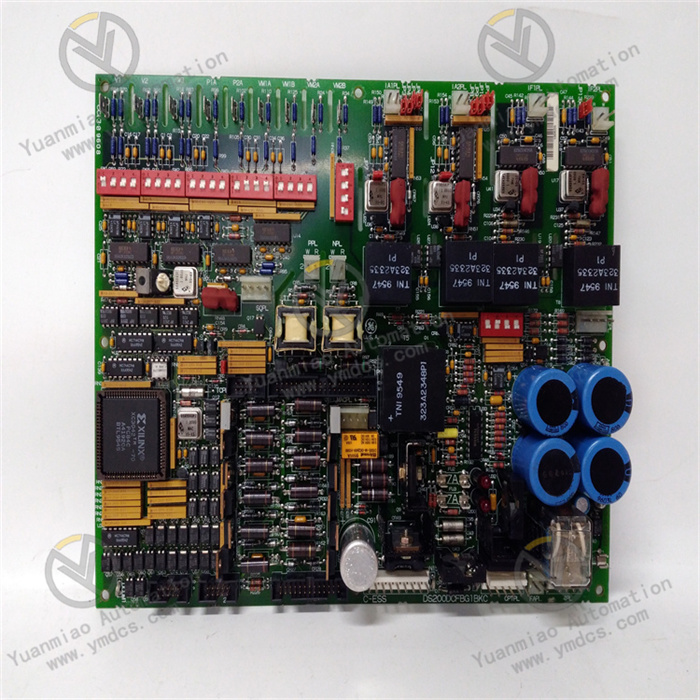
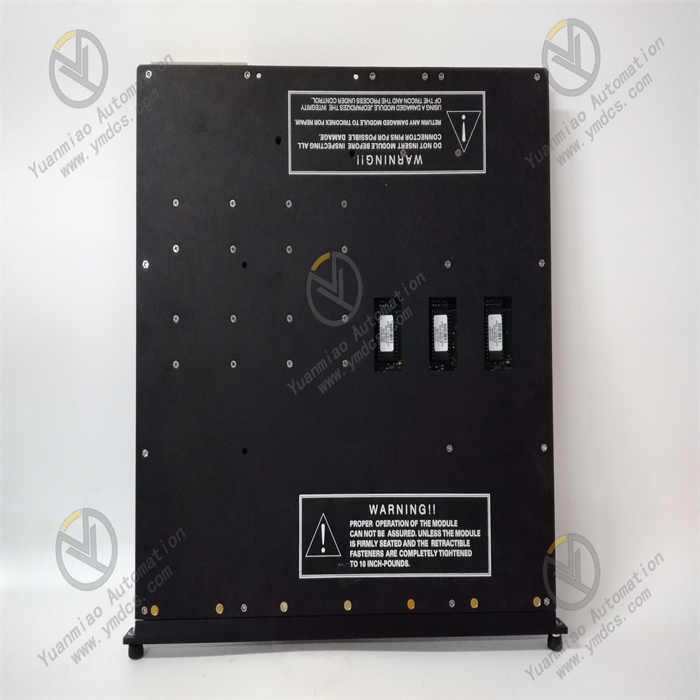
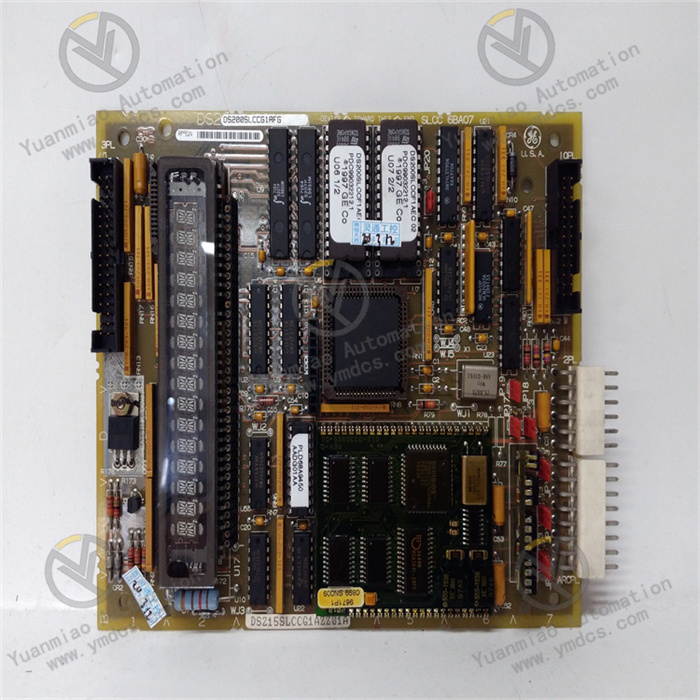
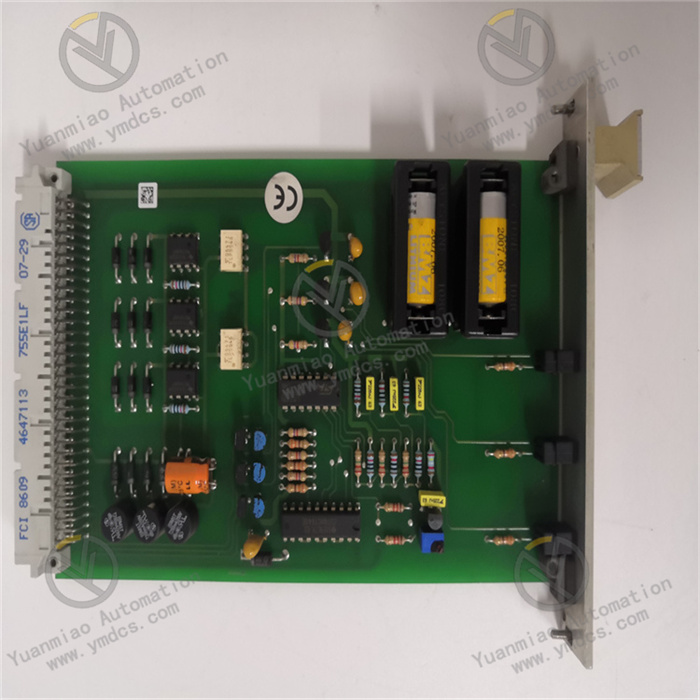
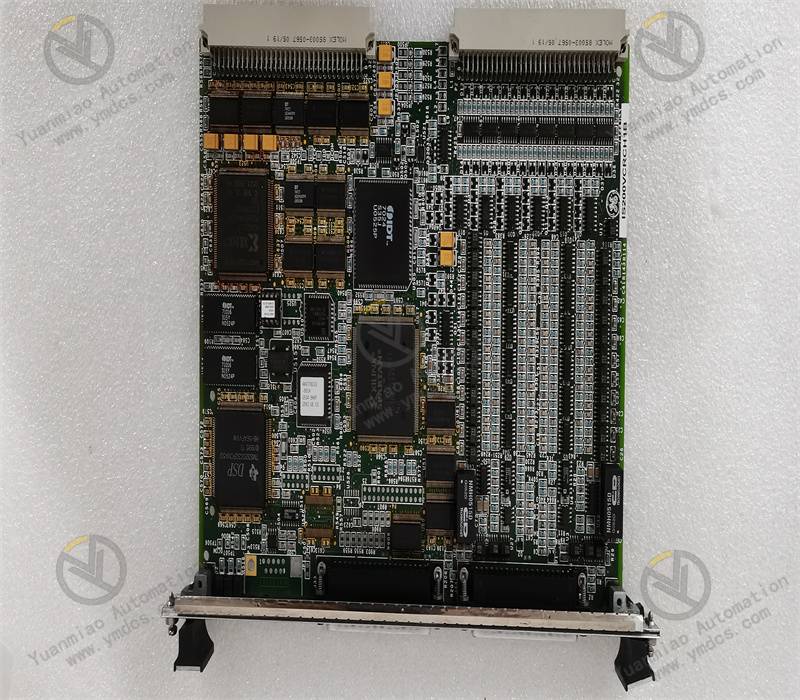
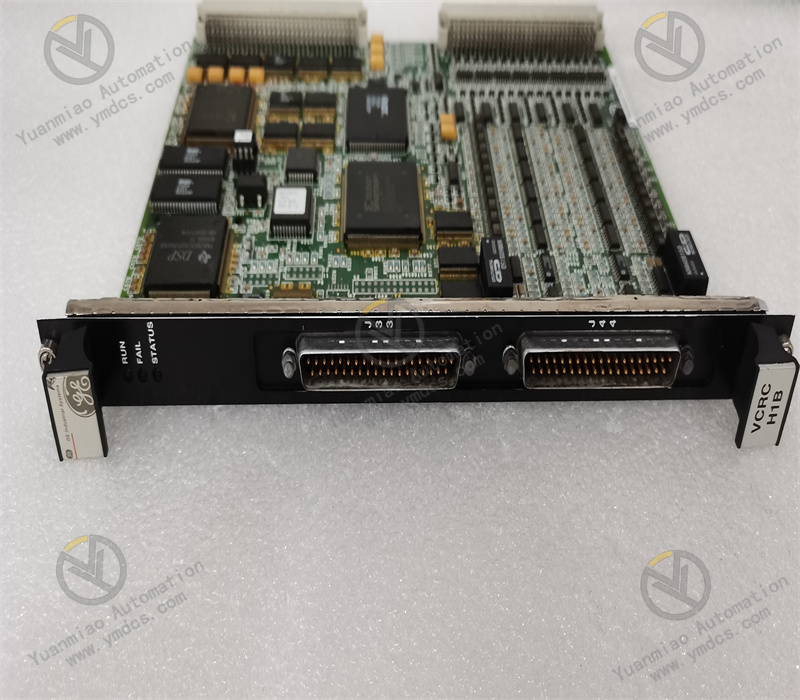
IS200VCRCH1B is an excitation‑regulation control I/O board exclusively designed by General Electric (GE, USA) for the Speedtronic Mark VI series. As a core supporting main‑control module for the EX2100 / EX2100E generator excitation‑control system, it is widely applied in automatic‑control systems of thermal‑power and gas‑turbine units.
Integrated with multiple functions including analog‑signal acquisition, logic operation, closed‑loop regulation and digital I/O control, this board serves as a critical computing unit to realize precise excitation regulation, stable power‑factor performance and grid‑connection management of generator sets. Equipped with a 16‑bit high‑precision ADC architecture, native PID closed‑loop control algorithm and multi‑layer electrical‑isolation protection, it supports multi‑mode excitation regulation of constant‑voltage, constant‑current and constant‑power‑factor. It features high control accuracy, fast response to operating‑condition changes, low temperature drift, strong anti‑interference capability and excellent fault tolerance. Manufactured with industrial conformal‑coated reinforced PCB technology, it is adapted to harsh power‑plant environments characterized by high temperature, intensive electromagnetic interference and 24‑hour non‑stop heavy‑duty operation. Natively compatible with the full GE Mark VI control‑system family, it delivers plug‑and‑play performance and excellent interchangeability, acting as a vital board to guarantee stable excitation regulation, safe grid‑connection and smooth load operation of generator units.
2. Core Functions
Precise PID closed‑loop excitation regulation in multiple control modesBuilt‑in industrial‑grade intelligent PID algorithm supports three mainstream excitation control modes: constant excitation voltage, constant excitation current and constant power factor. Regulation logic can be switched automatically according to unit load conditions. The control accuracy of excitation current is ≤ ±1 % of rated value, power‑factor control accuracy ≤ ±0.01, and fluctuation during mode switching ≤ ±3 % of rated excitation current. It dynamically covers the full operation cycle including unit startup‑shutdown, grid‑synchronization, load variation and steady‑state operation, effectively eliminating abnormal unit operation caused by excitation‑parameter deviation.
High‑precision multi‑channel analog‑signal acquisition and processingMultiple isolated analog acquisition channels are provided to accept standard industrial signals of 4‑20 mA and 0‑10 V. With a 16‑bit high‑precision ADC chip, it accurately collects key process parameters such as excitation voltage, excitation current, bus‑bar voltage, unit load and power factor. High‑linearity, distortion‑free and lag‑free signal sampling supplies high‑quality raw data for closed‑loop excitation computation.
Stable analog‑output drive for excitation controlOn‑board isolated analog‑output channels generate standard 4‑20 mA control signals to precisely drive excitation power units, thyristor regulation modules and other actuators. Stepless fine‑tuning of excitation amplitude ensures that excitation parameters dynamically match load variations, and effectively suppresses unit voltage fluctuation and reactive‑power offset.
High‑density digital‑logic managementAbundant digital input/output points are integrated for interlock‑signal acquisition, start‑stop logic management, fault feedback and system‑status output of the excitation system. It implements functional logics covering excitation start‑stop interlock, fault latch‑up, emergency shutdown and status upload, thus completing a full‑process safety‑control framework for the excitation system.
Strong anti‑interference performance and drift‑free steady‑state operationA dual‑protection architecture of independent channel‑to‑channel isolation and backplane‑bus isolation is adopted to resist complex electromagnetic disturbances from power plants such as variable‑frequency noise, high‑voltage clutter and ground‑potential difference. Precision low‑drift components ensure negligible parameter drift over the full temperature and load range. Stable control logic and consistent parameters are maintained during long‑term continuous operation, preventing regulation deviation and false alarms induced by temperature rise or load swing.
- Built‑in fault self‑diagnosis and redundancy compatibilityFully compatible with the TMR (Triple Modular Redundancy) architecture of the EX2100E system, it supports multi‑link data comparison, self‑testing and abnormal‑condition alarming. Signal anomalies, channel failures and regulation deviations can be detected in real‑time. A single‑link fault will not impair overall excitation‑regulation performance, greatly improving system fault‑tolerance and reliability for year‑round non‑stop generator‑unit production.
3. Technical Specifications
| Parameter Item | Technical Specification |
|---|---|
| Model No. | IS200VCRCH1B |
| Brand | GE (General Electric, USA) |
| Product Series | GE Speedtronic Mark VI Gas‑Turbine / Steam‑Turbine Control System |
| Supported System | EX2100 / EX2100E Generator Excitation‑Control System |
| Core Functions | Excitation PID closed‑loop regulation, multi‑mode control, analog‑signal acquisition & output, digital‑logic management |
| Control Accuracy | Excitation‑current accuracy ≤ ±1 %, power‑factor accuracy ≤ ±0.01, mode‑switching fluctuation ≤ ±3 % |
| Sampling Accuracy | 16‑bit high‑precision ADC, excellent signal linearity, distortion‑free performance |
| Signal Types | Analog Input: 4‑20 mA, 0‑10 V; Analog Output: 4‑20 mA |
| Control Modes | Adaptive switching among constant‑voltage, constant‑current and constant‑power‑factor modes |
| Supported Architecture | TMR (Triple Modular Redundancy) control architecture |
| Bus Protocol | High‑speed data communication over VME bus |
| Operating Temperature | -40 ℃ ~ 70 ℃, ultra‑wide industrial temperature range |
| Environmental Conditions | 5%‑95 % non‑condensing humidity, EMI‑resistant, vibration‑resistant, dust‑proof, moisture‑proof & anti‑ageing |
| Key Features | Multi‑mode excitation regulation, high‑precision computation, fast response, redundant fault tolerance, low temperature drift, high stability & maintenance‑free operation |
4. Working Principle
IS200VCRCH1B implements a full closed‑loop workflow: operating‑condition signal acquisition → data verification & calculation → PID closed‑loop regulation → excitation‑command output → real‑time status monitoring → redundant feedback correction.
During generator‑unit operation, the board continuously collects field analog and digital signals including excitation current, excitation voltage, active/reactive load, grid voltage and power‑factor. After galvanic isolation, signal filtering‑shaping and high‑precision AD conversion, data validation and noise reduction are performed.
Based on the dedicated built‑in excitation PID algorithm and pre‑configured unit logic, the board automatically selects constant‑voltage, constant‑current or constant‑power‑factor regulation mode. It calculates optimal excitation parameters in real‑time and sends standard analog control signals to drive the excitation power actuator, dynamically fine‑tuning excitation amplitude to counteract parameter deviations caused by grid and load fluctuations. Meanwhile, it monitors system status, channel conditions and interlock signals throughout the operation cycle. Together with the TMR triple‑modular‑redundant framework, it completes data comparison and fault judgment, corrects regulation offsets instantly and triggers alarms & interlock protection under abnormal conditions. Full‑automatic, high‑precision and highly fault‑tolerant closed‑loop excitation control is achieved to guarantee stable grid‑connection, controllable load and safe operation of the generator unit.
5. System‑Architecture Compatibility
This original GE core control board is dedicated to Mark VI and EX2100‑series excitation systems. Its VME‑bus protocol, operation logic, pin‑out definition and mechanical dimensions are fully natively compatible with the GE Speedtronic Mark VI gas‑/steam‑turbine control system and EX2100 / EX2100E excitation architecture. No extra configuration, hardware modification or signal adapter is required. Plug‑and‑play replacement is supported for aged, faulty or worn‑out boards of the same model, making it ideal for power‑plant maintenance, system upgrades and fault‑retrofit projects.
It seamlessly interfaces with excitation acquisition modules, excitation power units, unit interlock equipment, upper‑level SCADA monitoring platforms and fault‑diagnosis systems. Full compatibility is maintained with the complete control workflow of signal acquisition, computation, regulation, interlocking and alarming, without altering existing main‑control programs, protection logics or wiring specifications. Its standardized mechanical layout fits standard power‑plant cabinets and can be rapidly integrated into new excitation‑system builds or legacy automation retrofits, delivering outstanding universality, interchangeability and scalability.
6. Application Scenarios
Designed for harsh excitation‑system operating‑conditions including high ambient temperature, heavy electromagnetic interference, frequent load swings and 24‑hour heavy‑duty continuous operation, this board features multi‑mode precise excitation regulation, high‑precision computation, fast response and redundant fault‑tolerant stability. It is widely deployed in GE Mark VI automatic‑control systems and EX2100‑series excitation‑control systems for large‑scale thermal‑power and gas‑turbine power plants.
Typical applications cover core closed‑loop excitation regulation, voltage‑&‑current stabilization after grid‑synchronization, reactive‑power adjustment, power‑factor calibration, excitation‑condition monitoring and interlock‑based fault protection. As a critical control board for stable grid‑connection, smooth load regulation and prevention of excitation oscillation and voltage drift, it is extensively used in routine excitation‑system maintenance, legacy control‑system upgrades, precision fault repair and automation‑accuracy optimization of power‑plant generator units. It effectively improves excitation‑regulation precision and system fault‑tolerance, eliminating risks such as unstable grid‑connection, reactive‑power over‑limit and false alarms triggered by parameter drift, slow regulation response or signal anomalies. Long‑term safe, efficient and stable grid‑connected power generation of generator units is fully ensured.