Description
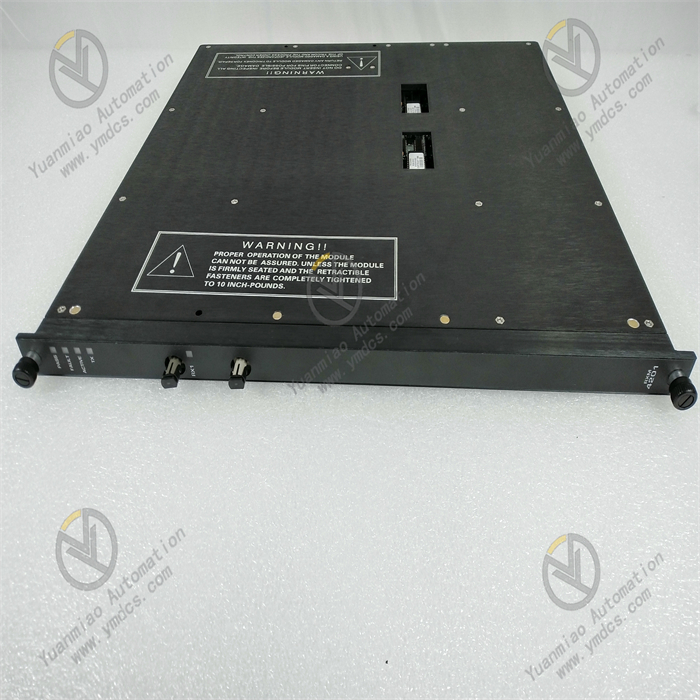
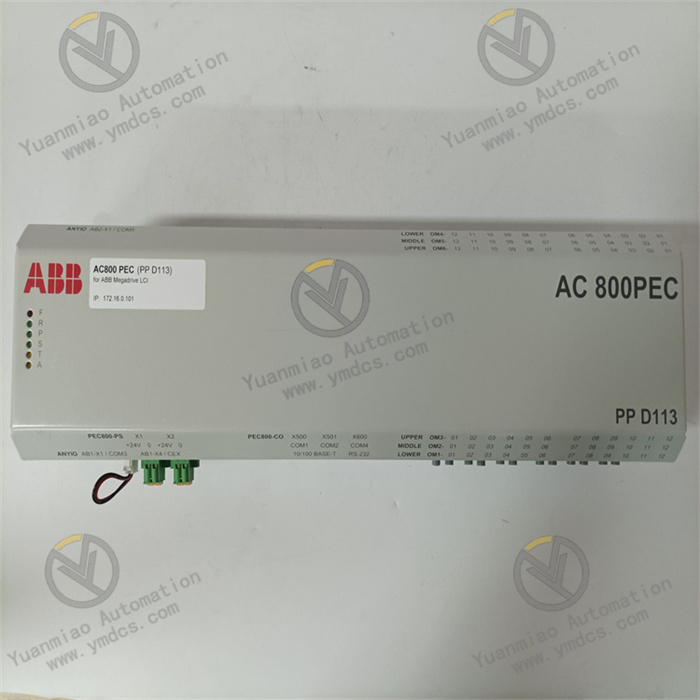
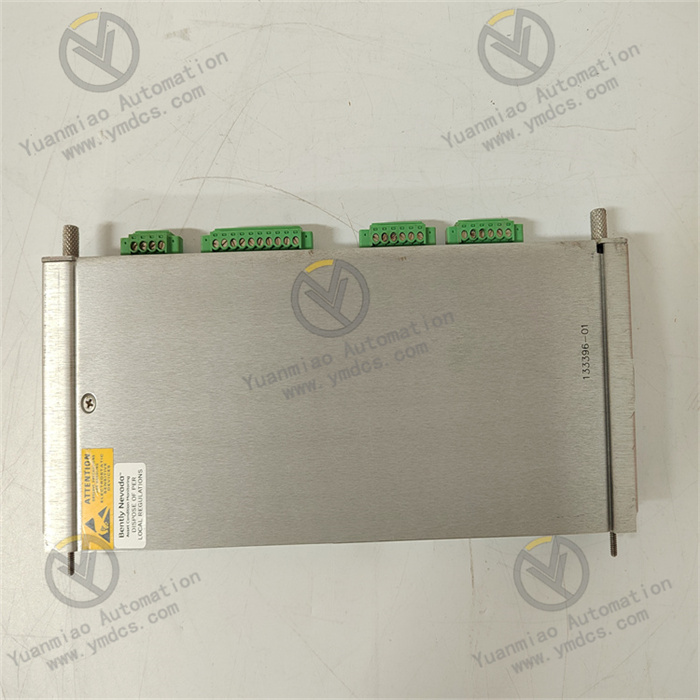
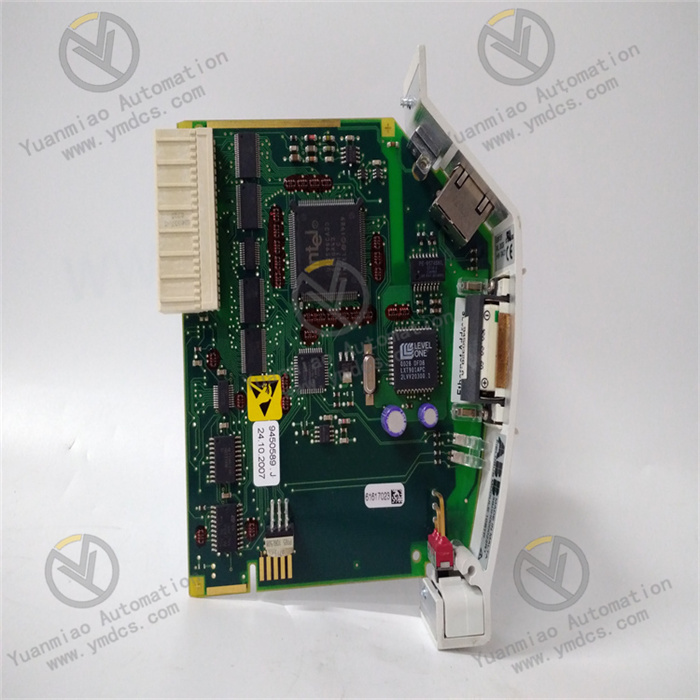
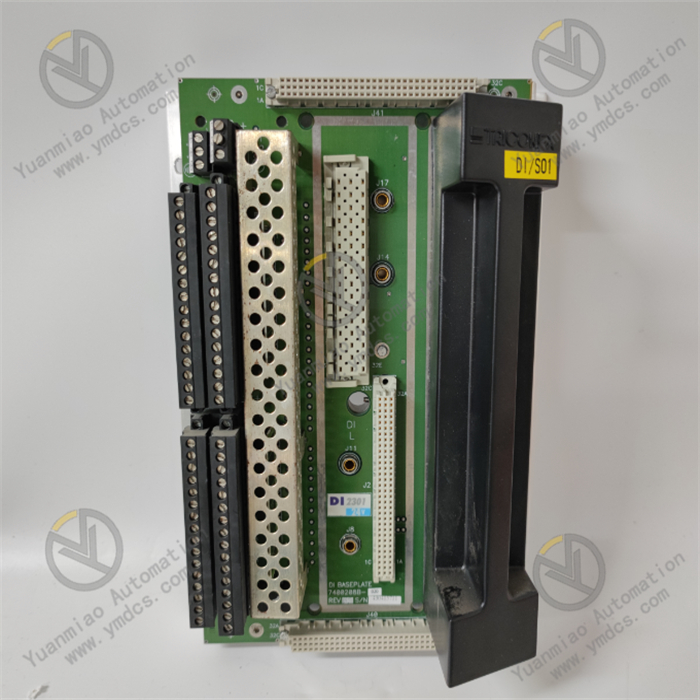
Triconex 2101
The Triconex 2101 is primarily positioned as a high-reliability, high-safety digital input module (some references also classify it as a programmable logic controller/processor module). It serves as a core perception layer and control layer component of the Triconex Safety Instrumented System (SIS. Designed specifically for safety control requirements in high-risk industrial scenarios, it is widely deployed in industries with extremely high safety integrity requirements, and is one of the key devices for protecting personnel, equipment and environmental safety in industrial production.
1. Product Positioning & Functions
- Signal Acquisition: It is mainly responsible for collecting on-site discrete status signals, including equipment operation feedback, valve limit signals, emergency shutdown button status, alarm contact signals, limit switch signals, etc. These on-site signals are standardized and stably transmitted to the safety controller for logic calculation and safety decision-making.
- Safety Control: It can be integrated into key systems such as Emergency Shutdown System (ESD), Safety Interlock System (SIS), Fire and Gas System (FGS), and Boiler Management System (BMS). It executes safety logic operations and triggers safety actions such as emergency shutdown under hazardous working conditions to prevent accident escalation.
- Fault Diagnosis & Fault Tolerance: Built-in comprehensive self-diagnosis capability enables real-time monitoring of channel short circuit, open circuit, signal abnormality, power failure and other statuses. Self-diagnosis runs every 60 seconds with a fault switching time ≤ 5 seconds. Combined with redundant architecture, it ensures continuous operation of system safety functions even when single or multiple components fail.
- Flexible Integration & Management: It supports seamless integration with other Triconex series modules and is compatible with TriStation 1131 configuration software. Parameters such as signal filtering time and input type can be flexibly configured. Some models are equipped with Ethernet interfaces and multiple communication protocols (e.g., Modbus, Profibus), supporting remote monitoring, configuration and firmware updates to reduce operation and maintenance costs.
2. Technical Features & Specifications
2.1 Technical Architecture
- Triple Modular Redundancy (TMR): Signals are processed in parallel through three fully independent hardware channels with 2-out-of-3 or 3-out-of-3 voting logic to eliminate single-point failure impacts.
Quadruple Modular Redundancy (QMR): Four independent signal acquisition channels operate in parallel with real-time cross-checking. Combined with hardware-level fault isolation, it further enhances fault tolerance. Both architectures meet the requirements of high-safety scenarios.
2.2 Technical Specifications
- Product Type: Digital Input Module (mainstream); Programmable Logic Controller / Processor Module (partial models).
- Input Parameters: Typically 32 input channels; recommended input voltage range 20–42.5 VDC, maximum support 42.5 VAC/DC; compatible with standard DC or 47–63 Hz AC signals.
Environmental Adaptability: Industrial ruggedized design; operating temperature: -40℃ ~ 70℃; storage temperature: -40℃ ~ 85℃ (up to 125℃ for some models); relative humidity: 5%–95% (non-condensing). It features excellent EMC immunity, vibration and shock resistance, with an ingress protection rating up to IP65, suitable for harsh industrial environments with high humidity, heavy dust and strong electromagnetic interference.
- Physical & Communication: 19-inch 2U rack-mount or slot-mounted design with compact dimensions for easy integration. Supports RS-232, RS-485, Ethernet and other communication interfaces; some models support TCP/IP, Modbus and other protocols for data exchange with third-party systems.
- O&M Characteristics: Supports online hot-swap without interrupting normal system operation to ensure production continuity. Equipped with user-friendly interface and diagnostic tools for easy fault location and maintenance.
3. Application Scenarios
- Oil & Gas: Applied in ESD, FGS and High Integrity Pressure Protection System (HIPPS); monitors critical safety signals of pipelines, offshore drilling platforms and refineries to ensure production safety.
Chemical Industry: Used in process safety control systems, reactor safety protection, leakage detection and isolation systems. It receives signals from safety sensors and switches to ensure stable operation of complex chemical processes and prevent hazardous accidents.
- Power Industry: Deployed in safety interlock, boiler protection and turbine protection systems of thermal power, nuclear power and other power plants; monitors the operating status of generator units, optimizes grid stability and prevents power outages caused by equipment failures.
- Other Industries: Widely used in metallurgy, pharmaceutical, water treatment, transportation (railway, metro) and other fields for production line control, equipment monitoring and safety interlock. Typical applications include production line sequence control in metallurgy, critical process emergency shutdown in pharmaceutical industry, and signal acquisition for metro safety control systems.
4. Product Advantages
- High Reliability: Redundant architecture (TMR/QMR) together with self-diagnosis ensures stable system operation at both hardware and software levels. Fast fault switching effectively avoids system shutdown or safety accidents caused by single-point failures, enabling long-term stable operation in harsh industrial environments.
- High Flexibility: Supports IEC 61131-3 standard programming languages (e.g., Ladder Logic, Function Block Diagram) and compatible with multiple configuration software. Flexible parameter configuration adapts to different field sensors and system requirements; seamless integration with other automation components facilitates system expansion and upgrade.
- Convenient O&M: Online hot-swap design, comprehensive fault diagnosis and intuitive operation interface reduce O&M difficulty and costs, shorten system downtime and improve production efficiency. Some models support remote management to further optimize O&M experience.