Description
ABB SPHSS13
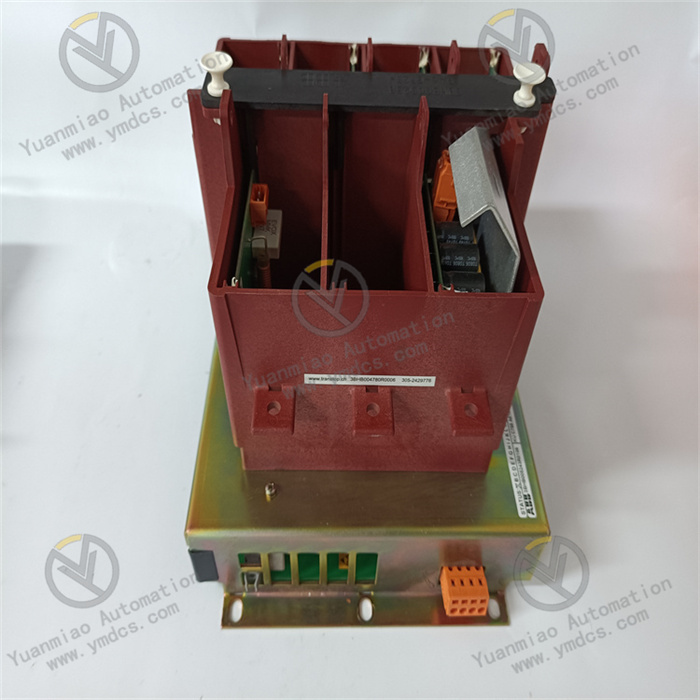
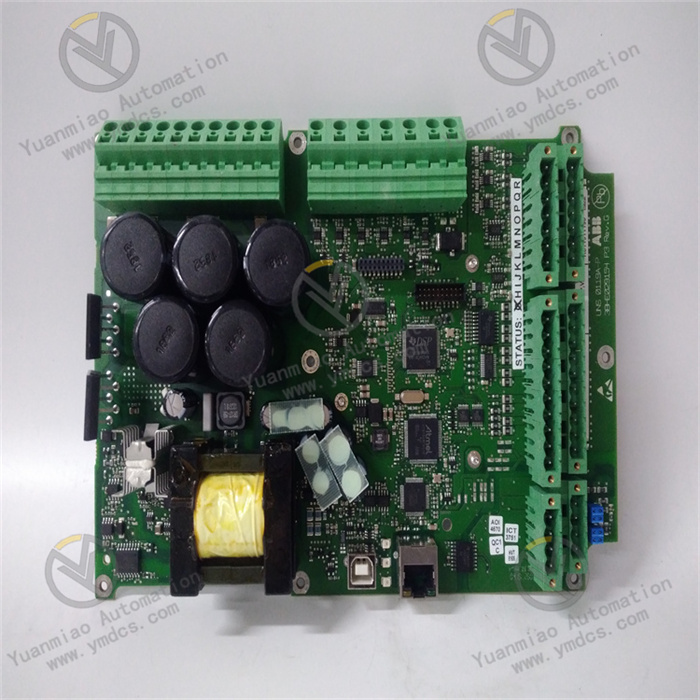
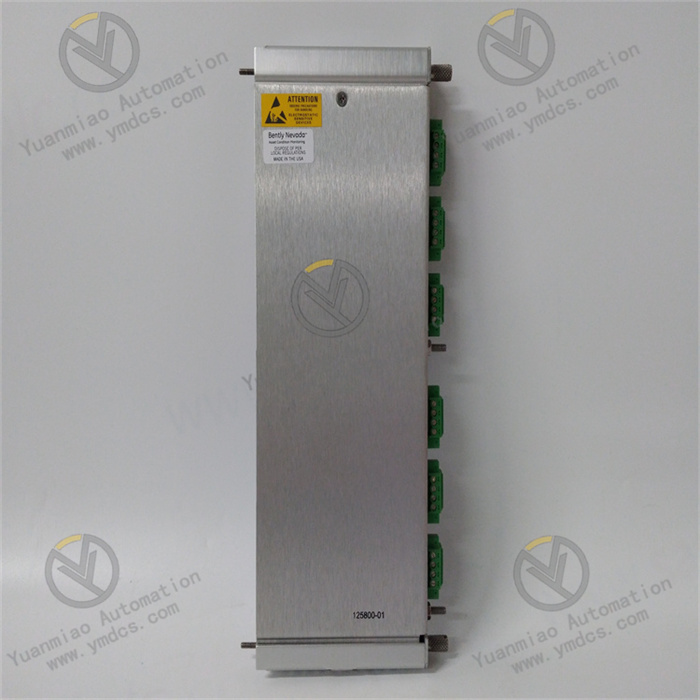
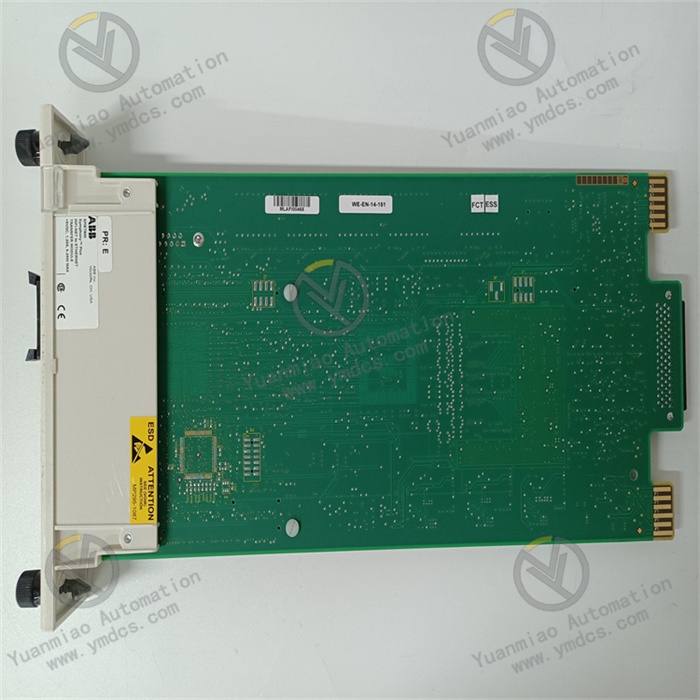
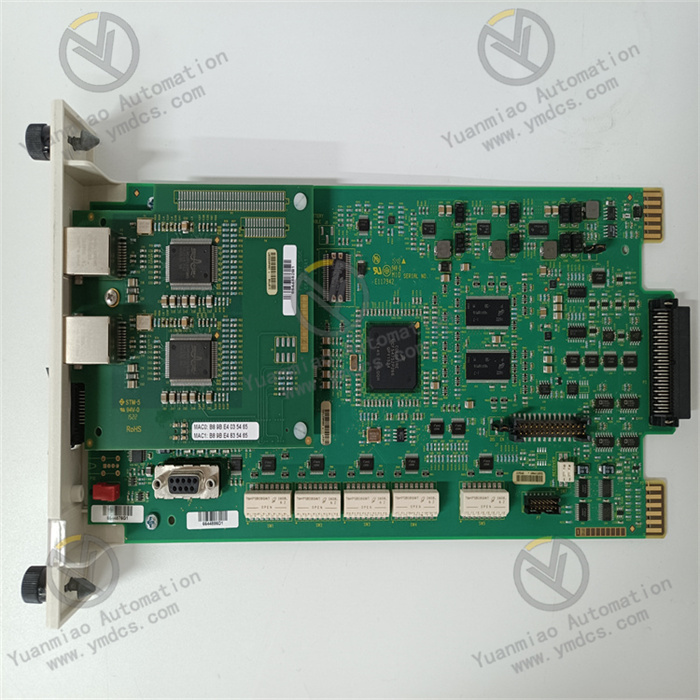
ABB SPHSS13 is a high-performance Hydraulic Servo Slave module belonging to the ABB Symphony Plus HR (Harmony Rack) turbine control series. It is a core component for high-precision actuation and closed-loop control in electro-hydraulic regulating systems of large rotating machinery (steam turbines, water turbines). It integrates five core capabilities: nanometer‑level position control, fast dynamic response, redundant servo drive, comprehensive LVDT feedback diagnostics, and strong industrial environmental adaptability. It is a critical part of steam/water turbine governing systems in ABB power generation and process automation solutions.
This module converts digital commands from the controller into servo valve drive current and collects valve position in real time via redundant LVDTs (Linear Variable Differential Transformers), achieving accurate positioning, speed regulation, and load distribution of hydraulic actuators. It is widely used in thermal power, nuclear power, hydropower, gas turbines, industrial turbines, and other applications. Compatible with ABB Symphony Plus DCS and Harmony Rack control systems, it serves as the core actuation node ensuring stable speed, precise power control, smooth start/stop, and safe emergency trip of large units, providing reliable protection for continuity in power generation and equipment safety.
The module undertakes three core tasks in the electro‑hydraulic servo loop: command amplification, valve position closed‑loop control, and safety redundancy. Its main function is to receive valve position commands from the main controller, calculate using PI/P‑Only control algorithms, and output servo drive current to actuate the electro‑hydraulic servo valve. Meanwhile, dual redundant AC/DC LVDTs collect the actual valve position in real time to form a high‑precision position closed loop. If an LVDT fault, servo coil breakage, or power abnormality is detected, the module quickly switches to redundant channels or triggers system safety protection to prevent unit accidents caused by valve runaway.
It features digital closed‑loop control and adaptive gain adjustment to adapt to variations in hydraulic stiffness under different operating conditions, ensuring linearity and speed of valve movement. A powerful self‑diagnosis and online monitoring function tracks module power, drive output, LVDT feedback, and communication link status in real time. Fault information is reported to the DCS operator station via the system bus, supporting predictive maintenance. The module is deeply integrated into the Symphony Plus ecosystem, natively supports the Harmony Rack backplane bus, and can be seamlessly integrated into various large unit control systems. It complies with IEC 61508 functional safety standards and provides excellent resistance to electromagnetic interference and vibration, ensuring compliance and long‑term reliable operation in complex industrial environments such as power plants and industrial turbines.
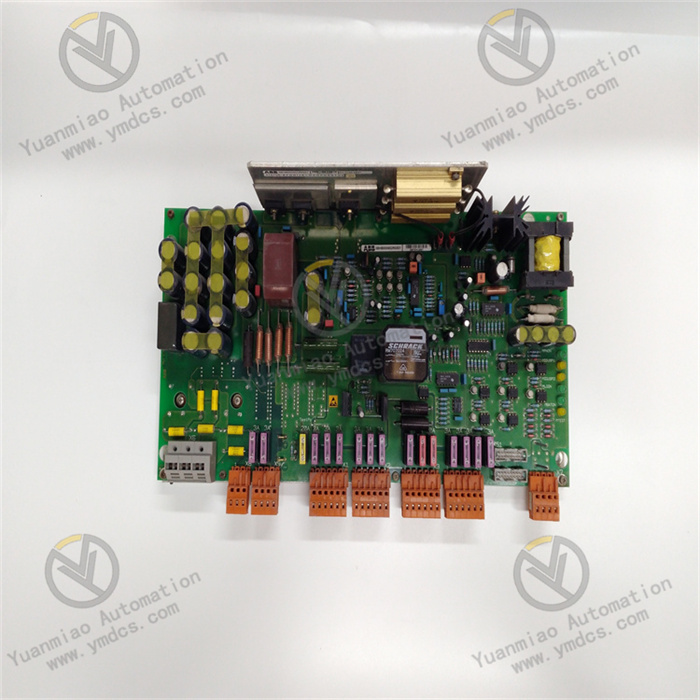
It features a compact, industrial card‑type modular design for installation in standard Harmony Rack cabinet slots. The plug‑in structure enables fast installation, replacement, and maintenance. Clear LED status indicators intuitively display power, operation, drive output, LVDT feedback, and fault status, allowing preliminary fault location without specialized tools. The housing uses industrial‑grade shielding with excellent EMC, dustproof, and moisture‑proof performance, suitable for harsh environments such as power plant turbine halls and hydropower station powerhouse areas with high temperature, high humidity, and strong vibration. It supports online hot‑swap (in accordance with system safety procedures); replacing the module does not affect other control loops in the same cabinet, meeting the strict requirements of the power industry for minimum downtime.
1. Technical Specifications
- Power SpecificationsIndustrial standard 24 VDC power supply (compatible with Harmony Rack cabinet power systems), with over‑voltage, reverse polarity, and overload protection.Low power consumption: typical power consumption < 15 W per module, suitable for long‑term continuous operation.Electrical isolation between power circuit and signal/drive circuit to suppress power‑side interference from intruding into the servo control link.
- Processing and Control ParametersSupports PI and P‑Only control modes, configurable via engineering software.Servo drive output: ±40 mA current loop (for standard servo valve coils), 16‑bit output resolution.Valve position feedback: dual redundant LVDTs (AC/DC compatible, typical input 0–10 VDC).Position control accuracy: 0.01% of full scale.Closed‑loop response time < 5 ms, meeting fast load regulation requirements of units.Built‑in functions: position limit, rate limit, and fail‑safe (FS) position setting.
- Signal and Interface ParametersDedicated Harmony Rack backplane bus interface for receiving control commands and uploading valve position/fault data.2 LVDT feedback inputs (redundant configuration), 1 servo valve drive output (optional redundant coil drive).Digital inputs/outputs for interlock control and status indication.Supports online calibration of LVDT zero and span without shutdown.
- Communication and Compatibility ParametersNative support for Harmony Rack backplane bus; can cooperate with Symphony Plus main controllers and CI series communication modules.Supports access to third‑party monitoring systems via OPC UA, Modbus TCP, and other protocols.Compatible with mechanical and electrical interfaces of the previous IMHSS13 module, facilitating upgrades of legacy Infi 90 systems.Plug‑and‑play with no additional gateways required.
- Environmental Adaptation ParametersOperating temperature: -20°C to +60°C; storage temperature: -40°C to +85°C.Protection class: IP20 (cabinet installation).EMC compliance: IEC 61000‑4 series.Vibration resistance: IEC 60068‑2‑6 sinusoidal vibration test standard.Stable long‑term operation in high‑vibration environments of turbo generator units.Natural cooling, no mechanical fans, maintenance‑free operation.
- Physical SpecificationsStandard Harmony Rack card dimensions: L 297 mm × H 36 mm × W 175 mm.Weight: approx. 0.6 kg.Plug‑in connection with locking mechanism to prevent loosening due to vibration.
2. Features
- High‑precision electro‑hydraulic closed‑loop controlIntegrates PI/P‑Only digital control algorithms with dual redundant LVDT feedback to achieve nanometer‑level positioning of hydraulic valves. High linearity and fast dynamic response support rapid regulation during unit start/stop and load fluctuations.
- Comprehensive redundancy and fail‑safe operationSupports redundant servo coil drive and dual LVDT feedback. Automatic fault detection and redundant switching ensure that in case of LVDT breakage, servo coil short/open circuit, or power failure, the system switches to backup channels or locks valves to a safe position, complying with IEC 61508 functional safety requirements.
- Full self‑diagnosis and online monitoringReal‑time monitoring of module power, drive current, LVDT feedback voltage, and communication status. Faults are indicated locally via LEDs and reported remotely over the system bus. Online calibration of LVDTs and servo valves is supported without shutdown, greatly reducing maintenance costs.
- Hot‑swap and fast maintenanceOnline hot‑swap replacement without affecting other control loops in the cabinet. Clear LED indicators enable quick fault location for power, operation, drive, and LVDT feedback. The card‑type design allows replacement without specialized tools.
- Seamless ecosystem compatibility and upgradeDesigned for Symphony Plus and Harmony Rack; directly replaces the legacy IMHSS13 module. No cabinet or wiring modifications are required; plug‑and‑play installation shortens upgrade cycles for legacy systems. Suitable for hydraulic governing systems of thermal, nuclear, and hydropower units.
3. Operating Principle
- Command reception and initializationThe module receives target position/load commands (typically analog signals) for hydraulic valves or servo valves from the ABB Symphony Plus DCS or main controller via the Harmony Rack backplane bus. It initializes its own power and drive circuits to ensure normal communication and electrical connection with the controller and field actuators.
- Signal processing and drive outputUsing the built‑in PI/P‑Only digital control algorithm, the module combines the received target command with preset parameters (valve position limit, rate limit, etc.). After calculation and amplification, it outputs a standard ±40 mA servo drive current to directly actuate the electro‑hydraulic servo valve or I/H converter. This controls high‑pressure oil flow into the hydraulic actuator (cylinder, motor, etc.) and moves the hydraulic valve toward the target position.
- Real‑time feedback acquisitionDual redundant LVDTs (Linear Variable Differential Transformers) built into the module collect the actual position of the hydraulic valve (or servo valve spool) in real time. The LVDT converts mechanical displacement into an electrical signal (typically 0–10 VDC) and feeds it back to the module’s feedback detection loop, providing precise “position sensing” of the actuator.
- Closed‑loop correction and precision controlThe module compares the actual position from the LVDT with the target command from the controller in real time and calculates the error. The internal control algorithm adjusts the magnitude and direction of the servo drive current dynamically to fine‑tune the servo valve until the error approaches zero, achieving accurate valve positioning with 0.01% full‑scale accuracy.
- Redundant switching and fault protectionThe module features full redundancy (dual LVDT feedback, optional redundant servo coil drive) and continuously monitors power, drive output, LVDT feedback, and communication links. If LVDT breakage, servo coil failure, or power abnormality is detected, it immediately switches to redundant channels or locks the valve to a safe position. Fault information is reported to the DCS operator station to prevent actuator runaway and ensure system safety.
4. Applications and Case Examples
- Steam turbine governing in thermal / nuclear power plantsUsed in the DEH (Digital Electro‑Hydraulic) control system of large thermal and nuclear power plants to precisely position HP main stop valves, IP control valves, and LP control valves, achieving speed control, load regulation, and emergency trip. Redundant design maintains stable unit operation even in case of module faults.
- Guide vane control in hydropower stationsApplied in governing systems of large hydropower turbines to control guide vane opening for accurate regulation of speed and output. Adapts to high‑humidity, high‑vibration environments for long‑term stable operation.
- Industrial turbine and compressor controlUsed in industrial turbines and compressors for petrochemical and natural gas transmission to control inlet valves for precise speed and load regulation. Strong anti‑interference performance resists high‑frequency noise from field inverters.
- Legacy DCS system upgrade and retrofitUpgrades the existing IMHSS13 module to SPHSS13 in aged ABB Bailey Infi 90 systems without replacing cabinets or wiring, improving system reliability and control accuracy and extending system lifecycle.