Description
1. Product Introduction
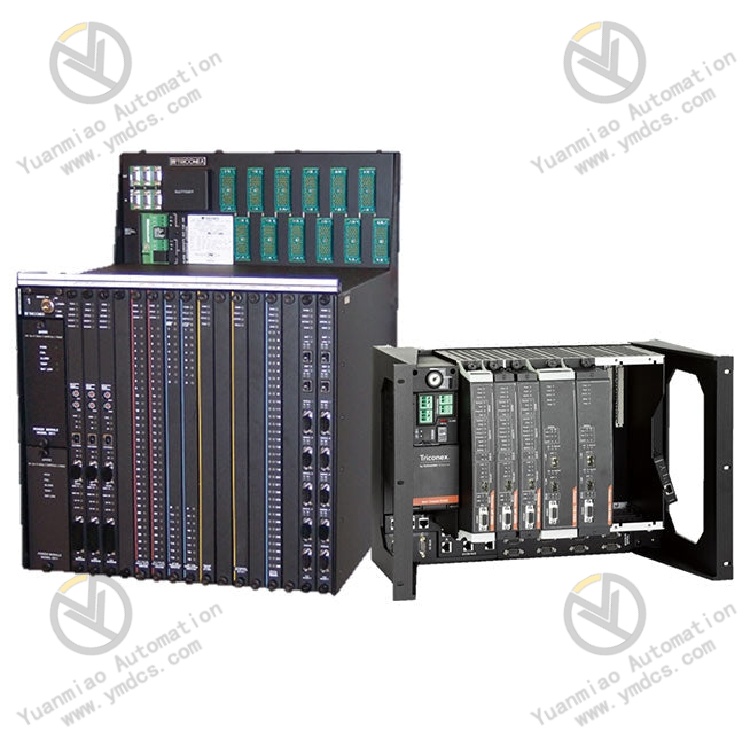
The TRICONEX 8120X is a SIL‑3 Triple Modular Redundant (TMR) Main Chassis within Schneider’s Tricon CX series. Designed for critical‑control scenarios requiring the highest industrial safety level, it complies strictly with IEC 61508 and IEC 61511 functional‑safety standards and holds authoritative certifications from TUV, FM and CSA. It serves as the core main‑controller hardware carrier for ESD Emergency Shutdown Systems, SIS Safety Instrumented Systems and FGS Fire & Gas Systems in industries such as petrochemicals, power generation and coal‑chemical engineering.
As a standard high‑performance main chassis, it features a native TMR triple‑redundant architecture, accommodating three pieces of 3009X main processor modules and four communication modules (configured as two redundant pairs). It is equipped with three RS‑485 cascade expansion ports, supports the Foxboro DCS time‑synchronization protocol, and works with the high‑speed TriBus bus. It delivers superior fault tolerance and zero‑downtime redundant operation. Built with an industrially reinforced chassis and fully enclosed anti‑interference construction, the hardware eliminates single‑point‑of‑failure risks. It continues operating bumplessly under conditions of single‑module failure, loop abnormality or signal deviation, effectively avoiding unit shutdown, process trip and safety interlock failure caused by single‑point failures in conventional control systems. Engineered for demanding continuous‑production industrial environments, it supports 7×24‑hour non‑stop stable operation. It is an original core chassis for new high‑end SIS safety‑system deployment, legacy Tricon system upgrade‑retrofit, and safety‑redundancy capacity expansion for critical processes.
2. Functions and Working Principle
Core Functions: As the core carrier of the Tricon CX safety‑control system, the 8120X main chassis integrates six major capabilities: system bus scheduling, redundant computing by main‑processor modules, communication‑signal transceiving, chassis‑level fault tolerance, system cascading expansion, and hosting of safety‑logic computation. It reliably hosts parallel computation by triple‑redundant main processors to execute core safety‑control functions including process interlock logic, emergency shutdown, fire‑and‑gas monitoring and process over‑limit protection. Multi‑module redundant hot‑standby operation enables bumpless automatic switchover upon single‑module failure without disrupting normal control logic. It implements self‑diagnosis for chassis buses, module presence detection, communication‑link diagnostics and power‑supply‑loop monitoring to identify latent system faults in real time. Multi‑chassis cascading expands I/O points and control loops for complex‑process requirements of medium‑to‑large‑scale plants. It supports system time synchronization, data exchange, and remote configuration upload/download to ensure unified system time sequence, complete data and precise actuation. It keeps critical industrial processes safe and controllable under faults, disturbances and abnormal conditions, and prevents safety‑interlock failure, erroneous process actuation and unplanned equipment outage.
Working Principle: The TRICONEX 8120X operates on the TMR Triple Modular Redundant Fault‑Tolerant Principle. Inside the chassis lies an independent high‑speed TriBus three‑channel parallel‑bus architecture. Three main‑processor modules receive identical I/O sampled data and process commands synchronously, and independently perform safety‑logic computation and control judgment. A hardware‑level 2‑out‑of‑3 voting mechanism compares computation results from the three channels, filters out abnormal, faulty or deviant data, and outputs only valid and reliable control commands, eliminating single‑point‑failure risks at the hardware layer.
Under normal conditions, the three modules run synchronously in parallel as mutual hot‑standby backups. If any single processor, communication channel or bus channel fails, the system automatically masks the faulty channel and continues computation and control output via the remaining two healthy channels, achieving bumpless, non‑stop operation without logic loss. The integrated cascading bus and communication‑management unit coordinate system data exchange, clock synchronization, module‑status monitoring and fault reporting. Combined with full‑time self‑diagnosis, it monitors chassis, module, loop and power‑supply health, raises real‑time alarms and pinpoints faults, ensuring long‑term safe, stable and fault‑tolerant SIS operation.
3. Technical Features
SIL‑3 Highest Safety Grade, Top‑Tier Hardware Fault‑Tolerant Architecture: Native TMR triple‑redundant hardware with 2‑out‑of‑3 voting eliminates single‑point‑failure defects. Fully compliant with IEC 61508 SIL‑3, it fits industrial safety‑interlock scenarios of the highest risk level and mitigates safety‑system failure hazards.
High‑Performance Bus Transmission, Ultra‑Fast Computing Response: The high‑speed TriBus system bus offers high throughput and low computing latency. It responds rapidly to emergency process interlocks and transient‑fault conditions to execute emergency shutdown and safety trip actions accurately, meeting high‑precision control requirements for complex processes.
Full Redundant Hot‑Standby, Bumpless Fault Tolerance: Main processors, communication modules and bus circuits run in full hot‑standby redundancy. Bumpless automatic switchover occurs upon single‑hardware faults with no shutdown or system reboot required, sustaining continuous plant production and minimizing losses from unplanned outages.
Powerful Cascading‑Expansion Capacity for Medium‑to‑Large‑Scale Plants: Three onboard RS‑485 cascade ports support multi‑chassis serial expansion to flexibly scale I/O points, control loops and communication nodes for retrofits of small‑and‑medium‑size units and construction of large‑scale complex‑process systems.
Superb Adaptability to Harsh Industrial Conditions: Reinforced industrial chassis with wide‑temperature design provides dust protection, vibration resistance and immunity to electromagnetic interference as well as resistance to temperature‑humidity fluctuation. Validated against complete industrial EMC standards, it withstands high temperature, dust, vibration and heavy electromagnetic interference prevalent in chemical and power sites for long‑term service.
- Intelligent Self‑Diagnosis for Traceable Maintenance: Full‑chassis hardware self‑test, module‑presence diagnosis, bus‑fault monitoring and communication‑link anomaly alarms accurately locate faulty components. Together with system event logging, complete fault time‑sequence records are retained to ease troubleshooting and maintenance.
4. Specifications
Basic Parameters
Product Model: 8120X Brand & Manufacturer: Schneider Electric (Triconex) Product Series: Tricon CX Safety Instrumented System Chassis Product Type: SIL‑3‑grade TMR Triple‑Modular‑Redundant Main Chassis Applicable Systems: Tricon CX SIS Safety Instrumented System, ESD Emergency Shutdown System, FGS Fire & Gas System Applicable Standards: IEC 61508, IEC 61511, TUV AK6, FM, CSA functional‑safety certification standards Primary Purpose: Host safety‑system main‑processor modules; execute redundant logic computation, interlock control, system cascading expansion and fault‑tolerance protection
Hardware Configuration Parameters
Architecture Mode: TMR Triple Modular Redundant Architecture with hardware‑based 2‑out‑of‑3 voting Processor Slots: Supports three 3009X‑series main processor modules Communication‑Module Slots: 4 slots for communication modules (2 redundant groups) System Bus: High‑speed TriBus parallel fault‑tolerant bus Cascade Interfaces: Three RS‑485 cascade expansion ports with DCS time‑synchronization support Safety Level: Maximum SIL‑3 functional‑safety grade
Electrical Performance Parameters
Operating Power Supply: Industrial standard 24 V DC Operation Mode: Full redundant hot‑standby; bumpless switchover on single‑point fault Fault‑Tolerance Mechanism: Hardware three‑channel independent computation plus 2‑out‑of‑3 voting fault tolerance Self‑Diagnosis Function: Full‑time self‑test and alarm for chassis bus, module presence, communication link and power‑supply loop
Mechanical & Installation Parameters
Installation Method: Standard rack‑mount for industrial 19‑inch cabinets Mechanical Characteristics: Reinforced modular industrial chassis, integrated bus layout, dust‑proof and vibration‑resistant construction, maintenance‑free design
Environmental Parameters
Operating Temperature: ‑40 ℃ ~ +70 ℃ wide industrial operating range Storage Temperature: ‑40 ℃ ~ +85 ℃ Relative Humidity: 5 % ~ 95 % RH, non‑condensing Environmental Resistance: Immunity to heavy industrial electromagnetic interference and mechanical shock; dust‑proof, moisture‑proof, wide‑temperature tolerant; suitable for 24‑hour continuous steady‑state operation
5. Application Scenarios
The TRICONEX 8120X main chassis is widely deployed in safety‑instrumented systems for high‑risk continuous‑production processes across oil‑refining & petrochemical, coal‑chemical, natural‑gas transmission & storage, thermal power, new‑energy, fine‑chemical and heavy‑metallurgy industries. It acts as the core hardware carrier for safety protection of critical industrial processes.
Typical applications include: main‑chassis deployment for ESD emergency‑shutdown systems of chemical plants; construction of SIS safety‑interlock systems for long‑distance oil‑gas pipelines and compressor stations; hosting safety‑protection systems for thermal equipment such as boilers, steam turbines and furnaces; configuration of fault‑tolerant control systems for high‑hazard processes including chemical reactors and rectification units; hardware support for FGS fire‑and‑gas monitoring plus fire‑protection interlock systems; cascading‑capacity expansion for safety systems of medium‑and‑large‑scale plants; upgrade‑retrofit of legacy Tricon safety‑control systems; redundancy enhancement for fault tolerance of high‑risk process equipment; compliance support for industrial functional‑safety acceptance; and safety‑system deployment for unmanned smart factories.
Benefiting from native TMR triple‑redundant fault‑tolerant architecture, SIL‑3 top‑tier safety grade, bumpless fault switchover, high‑speed stable computation and robust environmental adaptability, it addresses common pain points of conventional single‑/dual‑redundant control systems: insufficient fault tolerance, shutdown risks upon single‑point faults and inadequate safety rating. It mitigates major hazards including process runaway, equipment damage, safety incidents and unplanned outages. It delivers core hardware assurance for continuous, safe, compliant and efficient operation of high‑risk industrial processes, and serves as an original main chassis for new‑build, retrofit and maintenance projects of high‑end industrial safety‑instrumented systems.